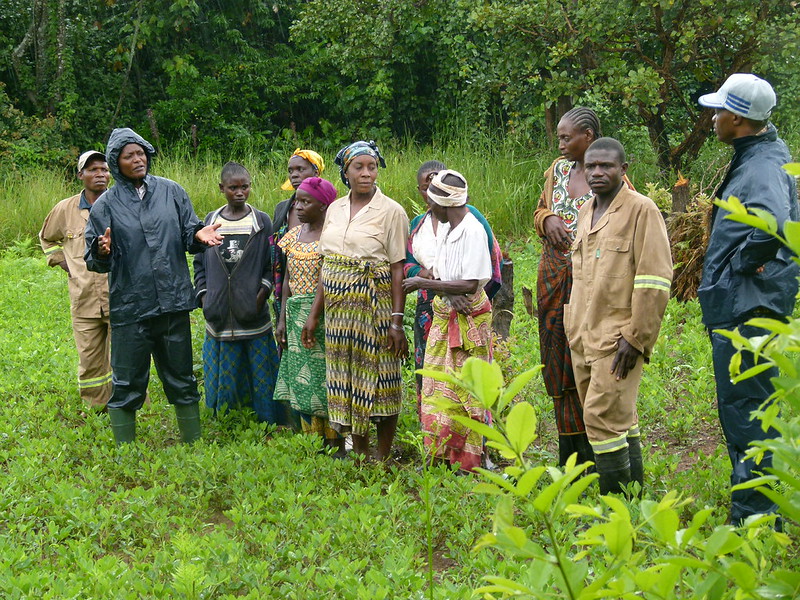
Across Sub-Saharan Africa, rising youth unemployment and growing climate threats are intersecting challenges. However, green skills in Sub-Saharan Africa are emerging as a powerful solution. Many governments and training centers are helping young people gain practical abilities in renewable energy, sustainable agriculture and eco-friendly construction, skills that create jobs while strengthening climate resilience.
Solar Training Creates New Pathways to Work
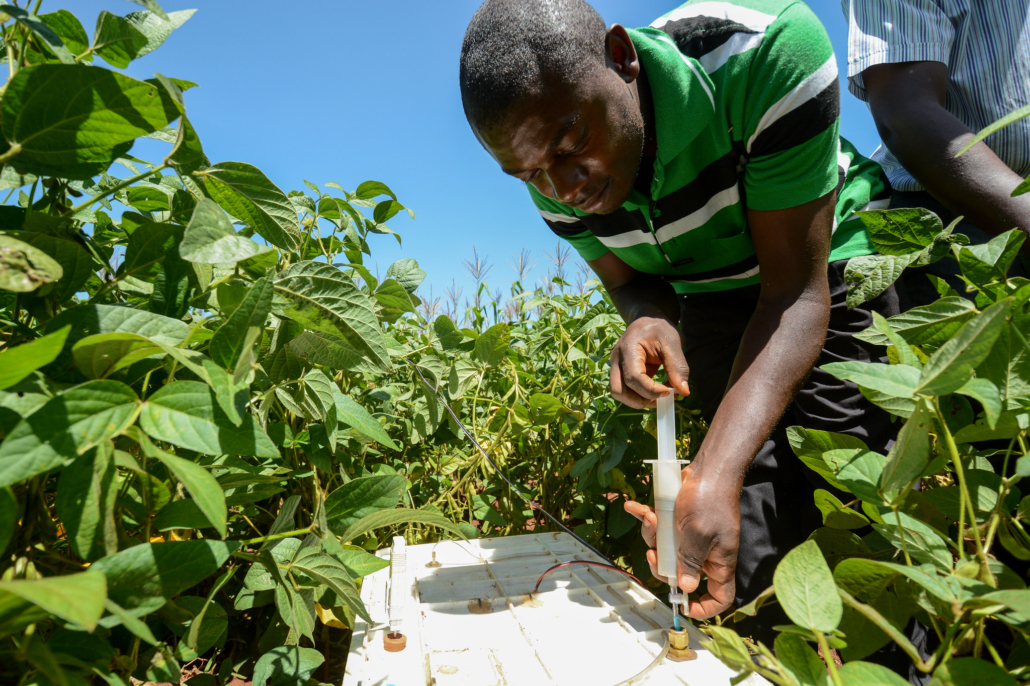
In Kenya, demand for clean energy is growing as solar capacity expands. The Strathmore Energy Research Centre (SERC) in Nairobi offers accredited training programs in solar photovoltaics, system maintenance and hands-on installation, contributing to the development of green skills in Sub-Saharan Africa. SERC reports that many of its trainees go on to work for solar firms or start small installation businesses, generating new employment opportunities. By giving youth tangible technical skills, this training supports Kenya’s clean-energy transition while reducing youth joblessness.
Climate-Smart Agriculture Boosts Farmer Incomes
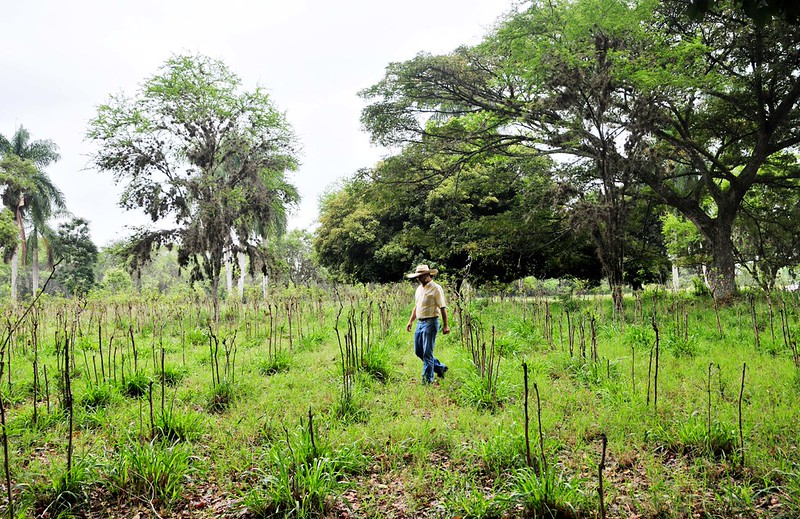
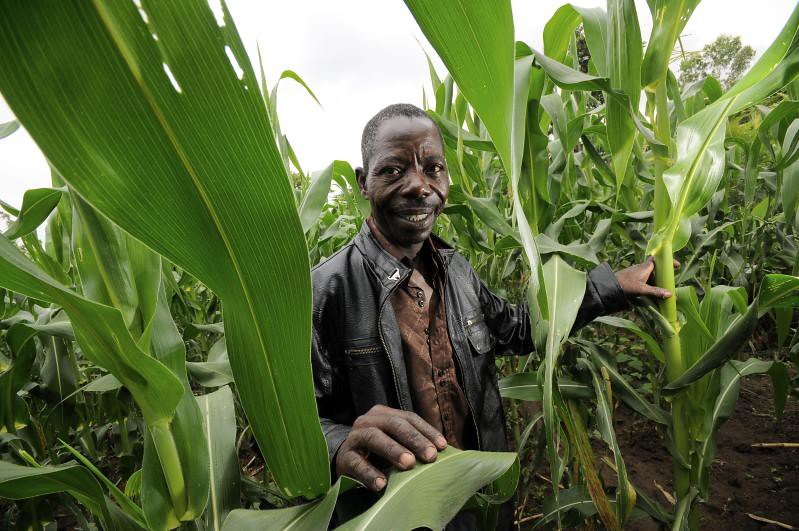
Agriculture still underpins livelihoods across rural Sub-Saharan Africa, so green skills must address farming in a changing climate. In Rwanda, the Ministry of Agriculture supports climate-smart techniques such as drought-resistant crops, efficient irrigation and improved soil management. Young farmers trained in these methods have reported higher yields and lower losses during extreme weather events. These green agricultural skills not only raise incomes but help build food-system resilience in regions vulnerable to climate shocks.
Youth Recycling Cooperatives and Eco-Construction
Waste management and recycling form another growth area for green jobs, helping expand green skills in Sub-Saharan Africa. In South Africa, youth-led recycling programs are engaging young people in waste collection, sorting and recycling for income. A recent project by WasteAid in rural South Africa supported training for young people in the informal waste sector, boosting livelihoods and promoting circular-economy jobs. Research shows that waste and recycling value chains can provide meaningful employment pathways for youth, especially when paired with skills training. These initiatives illustrate how recycling can simultaneously tackle youth unemployment and environmental degradation.
Urban growth and climate imperatives are generating demand for building professionals trained in sustainable methods. Many African cities now require construction technicians versed in low-carbon materials, energy-efficient design and waste-minimizing practices. Training programs in sustainable construction equip young people to step into this gap, improving employment prospects while shaping cleaner infrastructure. These skills support broader green-economy transitions and help reduce emissions in construction.
Green Skills Deliver Early Success Stories
Across Kenya, Rwanda and South Africa, early outcomes show the promise of green upskilling. Solar technicians trained in Nairobi are servicing off-grid installations and rural clinics. In Rwanda, youth applying climate-smart farming methods have enhanced productivity and weather resilience. And in South Africa, youth recycling initiatives are converting waste into income and fostering circular-economic models.
These stories show how expanding green-skills development can cut poverty, boost local economic growth and empower young people as climate-solution leaders in their communities. By investing in green skills in Sub-Saharan Africa, policymakers, educators and development partners have an opportunity to deliver jobs, climate resilience and sustainable growth through a single, aligned strategy.
– Lucy Williams
Lucy is based in Wrexham, UK and focuses on Global Health for The Borgen Project.
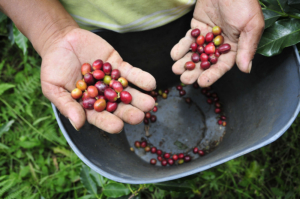
Investors, entrepreneurs and government organizations in Latin America are investing in cocoa farmers, which is helping to reduce the number of farmers living in poverty. National Public Radio (NPR) found that around 60% of the people living in Chocó, Colombia, live below the poverty line. The Colombian government launched a program connected to the 2016 peace treaty ending the war. This government program pays farmers to stop coca production. More than 83,000 families have benefited from these payments.
At a press conference, post-conflict adviser Emilio Archila addressed funding challenges that may disrupt the program. Rural farmers often rely on the growth of illicit plants to make a living. As a result, Afro-Colombians and displaced people in the region face disparities in access to vital resources. Eliminating the cultivation of illicit coca plants would decrease rates of violence while providing a sustainable and safer way to earn a living.
Living Standards
Individuals like Joel Palacios, former Minister of the Interior, are dedicated to improving the living standards of underdeveloped areas where Afro-Colombians reside. The goal is to do this through a process of eliminating illicit farm products and replacing coca plants with cocoa trees. Adding nurseries throughout the country will decrease the number of farmers living in poverty. Currently, farmers in Chocó grow cacao that Palacios turns into chocolate bars. He sells the bars in the country’s capital, Bogotá.
With the aid of the National Cacao Producers Federation, Palacios aimed to gain knowledge of cocoa pod harvesting skills in western Colombia. His education provided farmers with training in modern agricultural methods. Later, Palacios founded a school and artisanal chocolate company in Bogotá, selling nearly 1,000 pounds of cacao each month and adding jobs and opportunities to succeed in cocoa farming with help from the Quibdó Municipal Association of Cacao Producers.
Reducing Poverty Through Fair Trade
Focusing on Fairtrade will impact poverty reduction among cocoa farmers by increasing wages, while families move above the poverty line. Their clients help farmers with supply chain needs through Fairtrade producer organizations. Fairtrade clients work with farmers, workers and consumers in other countries, paying premiums to obtain better working conditions and wage increases for laborers. Higher standards and premiums work toward protecting farmers’ human rights while providing a working environment without discriminatory practices. This business model is a more sustainable and ethical method for cocoa farming in Latin America.
Investing in Cocoa Farms in Brazil
Much of Brazil’s cocoa production comes from small farms that are unable to invest in agricultural development or use modern equipment. It is common for farmers to live in poverty due to low income. As a result, cocoa farmers lack the resources to grow their farms and escape poverty. Reuters reported that 80% of Brazil’s cocoa production comes from small-scale farmers with low income and efficiency.
With the creation of the Kawa fund, implemented by several Brazilian nongovernmental organizations (NGOs), small cocoa farmers will be able to grow their farms with assistance from loans. Founders of the fund aim to raise $176 million by 2030. The Kawa fund’s initiatives provide farmers with access to fertilizer and farming equipment to scale their operations. Now that the Ivory Coast and Ghana are facing significant challenges with their cocoa supply, Latin America has gained business from clients searching for new cocoa suppliers. Reuters expands on the timing of the fund getting set in motion:
“The fund’s launch comes at a critical time for the industry, as top producers Ivory Coast and Ghana have suffered crop losses due to adverse weather, bean disease, smuggling and reduced plantations in favor of illegal gold mining, sending cocoa prices upward.”
The Future of Cocoa Farmers
Despite challenges in the industry, recent innovations in cocoa farming are promoting poverty reduction efforts in developing countries in Latin America. Indeed, Colombia has a major role in the successful operation of supply chains and is currently one of the top producers of cocoa globally. Furthermore, significant progress for farmers has been achieved with the implementation of sustainable farming methods and financial investments, resulting in increased wages for cocoa farmers in Latin America.
– Lala McCullough
Lala is based in Brentwood, CA, USA and focuses on Good News for The Borgen Project.
https://borgenproject.org/wp-content/uploads/borgen-project-logo.svg00Precious Sheiduhttps://borgenproject.org/wp-content/uploads/borgen-project-logo.svgPrecious Sheidu2025-12-07 03:00:092025-12-07 01:01:16Raising Wages for Cocoa Farmers in Latin America
Latin America’s farmers are grappling with climate extremes that threaten crop yields and food security. In this region,74% of countries are highly exposed to droughts, floods and other weather disasters that reduce agricultural productivity and disrupt food supplies. Nearly 28% of the population faces food insecurity, underscoring an urgent need to boost farm resilience.
To tackle these challenges, farmers and innovators across Latin America are turning to Artificial Intelligence (AI). New tools, ranging from predictive analytics and precision irrigation to image recognition and decision-support apps, are helping producers forecast their harvests, optimize resource use and increase yields. By leveraging data on climate, soil and crops, AI in Latin America’s agriculture offers a promising path to grow more food with fewer resources in the face of the changing climate.
Data-Driven Farming in Brazil Improves Yields
In Brazil, agri-tech startupAgrosmart is pioneering the use of AI to make farming more predictable and climate-smart. Launched in 2014, Agrosmart now supports more than 100,000 farmers across Latin America with real-time data on weather and soil conditions. The platform integrates on-farm sensors, satellite imagery and machine learning to guide decisions at every step of cultivation, from optimal seed planting dates to targeted irrigation and fertilizer use.
According to Agrosmart’s founders, this data-driven approach can reduce water usage by up to 60% and energy costs by 20%, while helping farmers maintain healthy yields. By adopting such AI analytics, growers are better able to anticipate weather patterns and crop needs, rather than relying on traditional almanacs or guesswork.
Agrosmart’s success reflects a wider digital revolution on Latin America’s farms. AI-powered decision tools are increasingly common, from drones that monitor crop health to smart cameras that identify weeds for precision herbicide spraying. These technologies boost productivity by detecting issues early and optimizing field management.
For example, Puerto Rico-based startup TerraFirma uses AI analysis of satellite images to forecast environmental risks like upcoming storms, crop diseases or soil erosion. By predicting such threats in advance, farmers can take preventive steps to protect their harvests. Overall, AI analytics areenabling Latin American producers to boost yields and reduce losses through more informed, proactive farm management.
“With the world’s population expected to reach nearly 10 billion by 2050, technologies like AI are humanity’s best hope for sustainable food production,” notes Agrosmart CEO Mariana Vasconcelos.
Precision Irrigation From Argentina to Chile
Water is another critical focus for AI in agriculture. Farms consume about 70% of global freshwater and up to 90% in developing countries. In drought-prone parts of Latin America, conserving water while keeping crops productive is a top priority.
Argentinestartup Kilimo has risen to this challenge with an AI-powered irrigation management platform. Kilimo’s system analyzes data from satellites, weather forecasts and soil sensors to tell farmers when and how much to irrigate for optimal crop growth. By using machine learning to predict each crop’s water needs, the platform acts like a “smart irrigation advisor,” sending recommendations via an app or SMS even to remote fields.
This allows farmers to give crops enough water for top yields without waste. In practice, farmers using Kilimo have reduced their water consumption by up to 20% while maintaining (or even boosting) their yields. Over the past two years, Kilimo’s tool has helped save an estimated 72 billion liters of water (about 19 billion gallons) across several countries. The company now operates in seven Latin American nations, including Argentina, Mexico and Chile, reaching more than 2,000 farmers with its water-saving AI recommendations.
The impact of precision irrigation is best demonstrated in central Chile. In the Biobío region, an area facing seasonal water stress, farmers adopted smart irrigation systems equipped with IoT soil-moisture sensors. According to Chile’s Ministry of Agriculture, these data-driven systems precisely determine when and how much to water each crop, avoiding over-irrigation.
The results have been striking: farms using smart irrigation in Biobío cut water usage by up to 30%, yet saw crop yields increase by as much as 20% thanks to more efficient water delivery. This finding, echoed by the Inter-American Development Bank, shows that better water management directly translates into higher productivity. In addition, pumping less water saves energy and costs, a win-win for farmers’ finances and the environment.
Precision irrigation guided by AI is thus helping Latin American growers produce more food with less water. This innovation bolsters food security in increasingly dry growing conditions.
AI in Latin America’s Agriculture
Beyond climate and water management, AI-driven tools are improving many aspects of crop monitoring and harvest planning. In Chile, researchers at the University of Bío-Bío havedeveloped an AI system using drones and image recognition to assist blueberry farmers. Drones periodically fly over the blueberry fields, capturing multispectral images of the plants at each growth stage.
An AI model analyzes these images and delivers real-time data via a mobile app, showing farmers the ripeness of their fruit across the field. This allows growers to pinpoint the optimal harvest time, ensuring berries are picked at peak maturity for quality and yield. The same system can automatically detect early signs of problems, alerting farmers to pest infestations or frost damage on the crop before those threats spread.
By acting as a constant set of “eyes” on the field, such AI vision technology helps farmers make faster, better-informed decisions that protect yields and reduce post-harvest losses. Similarly, other Latin American producers are using smartphone apps and sensors as digital field assistants. These range from apps that identify crop diseases from a photo to automated warning systems that activate when weather conditions favor a potential pest outbreak.
The Broader Impact
Each of these tools adds a layer of resilience for small farmers, who can respond to challenges in real time rather than suffer surprise crop failures. Crucially, these innovations contribute to a more secure food supply. Higher yields and efficient practices mean more stable production of staples like grains, fruits and vegetables.
Smart farming also promotes sustainability by minimizing inputs like water, fertilizers and chemicals, which helps preserve the natural resources that agriculture depends on. Development experts point out that embracing technology and climate-smart innovation is key to safeguarding Latin America’s agricultural future. A 2025 Inter-American Development Bank report highlighted digital agriculture as a tool to “improve yields and efficiency, protect natural capital and unlock the potential for a competitive, resilient development” in the region.
Governments and NGOs are increasingly partnering with tech firms to expand these solutions. These efforts range from national AI agriculture strategies to pilot programs that bring low-cost farm sensors to rural communities. With supportive policies and training, even more farmers can adopt AI-based services to enhance their productivity.
Final Remarks
The rise of AI in Latin America’s agriculture offers hopeful evidence that the region can meet its food security challenges through innovation. From Brazil’s big data platforms to Argentina’s water-saving apps and Chile’s smart irrigation networks, each success story represents a step toward a more predictable and plentiful harvest. Of course, scaling up these technologies to benefit smallholder farmers across diverse geographies remains a task ahead.
Nonetheless, as Latin America stands on the brink of this agricultural tech revolution, experts are optimistic. By carefully and inclusively implementing AI solutions, the region can cultivate a more sustainable and food-secure future. In the face of climate uncertainty, AI in Latin America’s agriculture is empowering farmers to not only predict their harvests but also to improve them, season after season.
– Elena Cárdenas
Elena is based in Monterrey, Mexico and focuses on Global Health for The Borgen Project.
https://borgenproject.org/wp-content/uploads/borgen-project-logo.svg00Hemant Guptahttps://borgenproject.org/wp-content/uploads/borgen-project-logo.svgHemant Gupta2025-12-06 07:30:292025-12-06 03:27:11AI in Latin America’s Agriculture
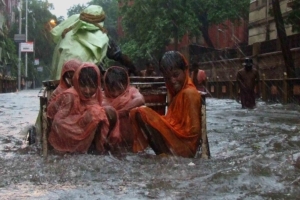
In September 2025, states in northern India faced heavy rains, flash floods and overflowing rivers. Entire villages and thousands of hectares of farmland were submerged. About 35% of Punjab’s population works in agriculture and they experienced the region’s worst flooding in four decades, severely disrupting livelihoods. The Punjab floods caused at least 51 deaths and more than 400,000 people were forced to flee.
Additionally, hundreds of thousands of Punjabis were left without electricity or clean water. Even before the floods, Indian farmers were facing increasing hardships. Many had accumulated high debts while struggling with low incomes and heavy crop losses due to the climate crisis, which has created extreme weather conditions that defy predictability and planning.
The recent flooding has worsened these challenges, leaving many farmers with nothing left. Observers on the ground have stated that for many farmers, recovering from the Punjab floods is proving extremely difficult.
The Good News
The good news is that financial assistance has been provided to help farmers rebuild their lives. By the end of September 2025, the Punjab government—led by the Aam Aadmi Party (the Common Man Party)—announced a 20,000-rupee ($230) allowance for farmers who lost their crops to the floods. In addition, relief efforts have come from all directions, including Non-Resident Indians, global Sikh charities and local volunteers.
Pritpal Singh of Hanspal Traders in Kapurthala built more than 100 boats and distributed them free of charge to support rescue operations. Buffalo and cattle have also been purchased for dairy farmers who lost their animals in the floods. The charity Khalsa Aid rescued stranded families and livestock and provided clean drinking water, ration bags and medical assistance.
Khalsa Aid also deployed specialized de-watering systems that have already dried more than 1,000 acres of waterlogged land. The organization’s team is also working directly with farmers in the Abohar area to help them restore their fields and resume cultivation. This support has become a lifeline for many whose livelihoods were severely threatened by the floods.
Recovering From the Punjab Floods
There is a prolonged economic challenge ahead for farmers, as they require considerable investment to recover from the floods. Climate instability is hitting developing countries the hardest, with some of the most financially vulnerable people in the world being affected. Punjabi farmers have already been living in precarious conditions and extreme weather conditions have exacerbated their problems.
However, the relief efforts for the Punjab floods have demonstrated that the Asian diaspora can collaborate with local volunteers in India to assist farmers and communities in rebuilding their lives. The response has been a large, well-coordinated effort involving multiple countries, diverse groups and both governmental and nongovernmental bodies. Agriculture is widely recognized as crucial to Punjab and it is clear that farmers operate with limited resources.
This reality has driven everyone involved in the relief work to sustain their efforts and support long-term recovery.
– Suneel Mehmi
Suneel is based in the United Kingdom and focuses on Good News for The Borgen Project.
https://borgenproject.org/wp-content/uploads/borgen-project-logo.svg00Hemant Guptahttps://borgenproject.org/wp-content/uploads/borgen-project-logo.svgHemant Gupta2025-12-04 07:30:312025-12-04 01:40:41Recovering From the Punjab Floods
Deep in the Colombian Amazon, where only recently thick tree canopies concealed guerrilla movements, a different kind of revolution is taking root. The 2016 peace agreement between the Colombian government and the Revolutionary Armed Forces of Colombia (FARC) brought a formal end to a decades-long conflict that killed 450,000 people and displaced millions. Yet peace brought an unexpected environmental crisis. In 2017, almost 225,000 hectares were destroyed, accounting for 2.6% of global deforestation for that year, as armed groups and land grabbers moved into areas once exclusively controlled by FARC. These groups cleared forests at an unprecedented pace for cattle ranching and illegal money-making operations.
Furthermore, when displaced communities returned after the peace agreement, many found land scarred by conflict and depleted by unsustainable cultivation. As a response, many have been driven to clear more forest in order to sustain their families through cattle ranching. Cattle ranching remains the single biggest cause of deforestation.
However, former guerrillas currently work alongside conflict victims to plant trees and rebuild their communities. Post-conflict reforestation and agroforestry schemes can simultaneously restore the environment, foster reconciliation and tackle rural poverty, particularly for those returning from displacement. The advancement of this tripartite process is vital for ensuring lasting peace.
From Combatants to Conservationists
At the Communitarian Multiactive Cooperative of the Common (Comuccom), near Puerto Guzmán, 24 former FARC combatants are working toward an ambitious goal: planting 1 million trees across the Colombian Amazon. Duberney López Martínez, who joined FARC at just 13, now leads the effort at 33. He tends to the 250,000 trees ready for planting in their nursery, each one a small act of reparation after decades of conflict.
Beyond post-conflict reforestation, Comuccom leads the Network of Amazonic Communitarian Nurseries, connecting 12 organizations across Colombia’s “Arc of Deforestation.” They regenerate soils exhausted by cattle grazing and coca cultivation, cleanse water sources contaminated by mercury from illegal gold mining and reconstruct ecological corridors for jaguars and endangered bird species. This contributes to food security and socio-economic stability through the creation of new jobs.
Women Leading the Eco-Peace Movement
In Caquetá, women ex-combatants are pioneering their own approach through ASMUPROPAZ (Association of Women Producers of Peace Essences). Founded in 2017, the organization embodies what they call the “Eco-Peace Nexus,” the recognition that healing the land and healing communities are interconnected endeavors that must happen together.
ASMUPROPAZ offers literacy programs, vocational training and technical agricultural skills while implementing sustainable farming, post-conflict reforestation efforts and the production of natural plant-based products. These initiatives create economic independence while addressing deforestation and environmental degradation that threaten the region’s future.
Carolina Aldana, one of ASMUPROPAZ’s youngest members, captures their vision: “Our work shows how caring for the environment can bring people together and create lasting peace. By protecting the land we all depend on, we’re also building a future where former combatants and the community can thrive side by side.”
Addressing the Root Cause
Having acknowledged that unequal land distribution and rural poverty have fueled five decades of war, the Colombian government under new President Gustavo Petro is now prioritizing rural reform. From 2017 to 2024, nearly 3 million hectares were formalized for rural inhabitants who had farmed without legal recognition, while nearly 130,000 hectares were distributed to new beneficiaries. The effects of this turnaround came swiftly. By 2023, Colombia achieved a 36% reduction in deforestation, the lowest level in 23 years.
“Rural reform is clearly moving to the center of efforts to build a more peaceful and prosperous Colombia,” declared Carlos Ruiz Massieu, United Nations (U.N.) special representative overseeing peace verification. The government’s commitment represents recognition that lasting peace requires addressing the structural economic causes of the country’s conflict.
Research confirms the multiplied benefits. Surveys of 429 farmer households practicing cacao agroforestry in Caquetá and 500 in César found that silvopastoral systems and the reintroduction of native species increased spaces for dialogue and decreased conflicts over natural resources. Furthermore, they have delivered socio-economic stability through job creation and strengthened social cohesion through collaborative land management.
Progress So Far
On a wider scale, reintegration statistics tell an encouraging story. Of the nearly 14,000 former combatants who entered the reintegration process, 85% remain engaged. More remarkably, 10,900 now participate in productive projects that provide income and purpose, while 39% of those laying down their weapons have now received university degrees.
Perhaps the most profound transformation occurs through “Restorative Mingas,” communal task forces pioneered by the Special Jurisdiction for Peace and the United Nations Development Programme (UNDP). These gatherings bring together conflict victims and former FARC combatants to address specific needs within the community and rebuild community infrastructure together. This demonstrates that reconciliation can be supported by development initiatives that empower communities and unite people around shared goals.
Kristina Lyons, an anthropologist at the University of Pennsylvania who has spent two decades in the region, summarizes: “The ecological restoration of the Amazon has deep significance for healing relations between humans ruptured by the conflict.”
Replicable Lessons for Other Nations
For other post-conflict countries, Colombia offers hard-won lessons. Through grassroots participation and innovative approaches that prioritize dignity, champion women’s leadership and weave together environmental restoration with poverty alleviation, the country demonstrates how former adversaries can forge a shared, sustainable future.
Challenges remain, however. Illicit economies are still in operation and violence continues in some regions, particularly by groups such as the EMC that rejected peace talks and have filled the vacuum of violence left by departing FARC combatants. Continuing dialogue between local communities and the Bogotá government calls for an improved land registration system and government follow-through in its regulation of illegal activities. Yet Colombia shows that trees planted with intention can become instruments of peace and pathways out of poverty.
– Caroline Sheehan
Caroline is based in Edinburgh, Scotland and focuses on Good News for The Borgen Project.
Healthy soil is at the heart of the food system, yet its decline is putting billions of lives at risk. For communities that rely on agriculture, fertile land is not just valuable; it’s essential. The impact of soil degradation on global poverty often goes unnoticed, but it impacts food security, economic stability and well-being worldwide. As soil loses nutrients and structure, harvests shrink and the cycle of poverty grows stronger.
How Soil Health Ties to Economic Stability
When land loses its vitality, rural livelihoods face immediate danger. The Food and Agriculture Organization (FAO) estimates that about 1.7 billion peoplelive in regions where crop yields are falling because of human-driven land degradation. This loss in productivity means families must choose between putting food on the table and paying for essentials like health care or education.
Smallholder farmers depend on healthy soil for their income, nutrition and resilience. Degraded land produces fewer crops, making it even tougher to break free from poverty. The strain can push entire communities toward unsustainable land use or risky ways of making a living, creating even greater challenges over time.
What Makes Data-Driven Farming Effective?
There is hope, though. Proven solutions exist to help communities turn things around. Sustainable land management practices can bring soil back to life and improve crop yields, helping families find a way out of poverty. These efforts focus on restoring fertility, stopping erosion and protecting the diversity that keeps soil healthy.
A key strategy involves thorough soil testing. When farmers know the exact makeup of their soil, they can spot nutrient gaps that hold back growth. With this information, they can make better choices about fertilizers or which crops to plant next.Soil sampling can reveal critical insights about what is missing beneath the surface, giving farmers the confidence to put resources where they matter most and boost productivity.
Which Actions Help Restore Vital Soil?
Communities, organizations and governments have found several effective ways to improve soil health.
Agroforestry: Growing trees together with crops helps prevent soil erosion and improves water retention.
Cover Cropping: Planting cover crops between main harvests shields soil and adds much-needed organic matter.
Conservation Tillage: Disturbing the ground less keeps its helpful microbes and structure intact.
Crop Rotation: Changing up crops between seasons puts nutrients back into the soil and keeps pests in check.
As these practices take hold, they help communities build resilience to climate change and shape brighter economic futures. Solving the impact of soil degradation on global poverty is not only an environmental goal—it is a vital step toward a more equitable and food-secure world.
https://borgenproject.org/wp-content/uploads/borgen-project-logo.svg00Jennifer Philipphttps://borgenproject.org/wp-content/uploads/borgen-project-logo.svgJennifer Philipp2025-11-18 07:08:132025-11-18 07:29:16The Impact of Soil Degradation on Global Poverty
According to the International Trade Administration, as of mid-2024, there are almost a million combined internet and smartphone users in India. With the widespreadadoption of technology in such a populous country, the internet has become an integral part of India’s economy, driving digital payments, e-commerce and even investments in artificial intelligence. In addition to this, 4G has made its way into the country and 5G is gradually expanding to larger parts of the South Asian nation.
While these major advancements in technology are impressive, they aren’t just beneficial to larger, more populated areas of India, such as cities; the usage of modern technology also impacts rural India.
Agriculture’s Role in India’s Economy
A small portion of India’s gross domestic product (GDP) comes from agriculture, at just 18%. However, 44% of the country’s workforce consists of employees in agriculture, despite the decline in the overall percentage ofagricultural employment in India since the ’90s. With such a dense portion of the population relying on agricultural jobs, the implementation of ever-evolving technology impacts these jobs.
Technology in agriculture affects multiple aspects of the field. The impacts of technology and agriculture apply to, but are not limited to, aspects such as pesticides and seed technology. In 2017, with the help of the Gram Uttan Project, Raju Kumar Chaudhry, a farmer from Bihar, was able to purchase a subsidized potato planter, which enabled him to reduce labor costs while increasing his crop yield, resulting in savings of around $40 per acre.
Technological Innovations in Indian Agriculture
With the rapid integration of artificial intelligence (AI) into everyday technology, it is perhaps unsurprising that it has also been applied to the agricultural sector. The SM Sehgal Foundation reports that AI supports farmers by simplifying their decision-making processes. For example, AI-driven climate predictions enable farmers to make informed decisions about their crops, while AI-powered data collection facilitates precision farming practices.
In addition to AI, other technological advancements have supported India’s agriculture. Capacity-building programs allow small farmers to access modern equipment without worrying about affordability. IoT technologies, including drones, satellites and remote sensors, help farmers make informed decisions around the clock, keeping them updated on current weather patterns in their area. Livestock monitoring, using chips and body sensors to track animals’ vitals, helps prevent the spread of infections.
This is particularly important for farmers with large herds, where an outbreak could have devastating consequences.
What’s To Come?
While technological advances aren’t uncommon in India, the country is struggling to roll out the use of AI, especially in the agricultural sector. This is partly due to issues with marginalized farming and fragmented land ownership. However, the SM Sehgal Foundation continues to partner with both organizations and India’s farmers in an attempt to make technology more accessible to India’s agricultural sector, aiming to create a comprehensive food-secure future in India.
– Megan Akers
Megan is based in Fredericktown, OH, USA and focuses on Good News and Technology for The Borgen Project.
Guatemala faces one of the most severe and persistent food security crises in Latin America. Despite being a country rich in agricultural resources, Guatemala faces structural inequality, recurrent droughts and economic shocks, which have kept nearly half of its population in poverty. The COVID‑19 pandemic and the 2022 global food and fuel price shocks deepened the crisis, pushing additional households into food insecurity.
In 2022, nearly half of children under 5, about 46.5 %, were stunted, makingGuatemala one of the worst in the Western Hemisphere in terms of child undernutrition. To address this humanitarian emergency, a series of agriculture and nutrition-based initiatives launched by the Guatemalan government, the United Nations (U.N.) and international partners have sought to rebuild livelihoods and reduce hunger through sustainable rural development.
Poverty and Food Insecurity
According to the Integrated Food Security Phase Classification (IPC) and humanitarian monitoring sources, more than five million people (above 25% of the population) require humanitarian assistance in Guatemala. Around 2.7 million face severe acute food insecurity (IPC Phase 3 or worse). Guatemala’s food insecurity is deeply intertwined with rural poverty.
The majority of impoverished households live in rural and Indigenous communities, where subsistence farming is the main livelihood. Limited access to credit, irrigation and markets keeps smallholder farmers vulnerable to climate shocks. The Food and Agriculture Organization’s (FAO)recent report highlights how vulnerable communities face multiple deprivations, including low incomes, limited access to value chains and a high risk of climate-related impacts.
An analysis by the World Bank highlights that economic growth has not been sufficiently translated into poverty reduction or improved livelihoods for the most vulnerable populations.
Building Food Security Through Agriculture and Nutrition Aid
One of the most impactful interventions since 2022 has been the Home‑Grown School Feeding Program, led by WFP in partnership with Guatemala’s Ministry of Education and local farmer cooperatives. This initiative connects smallholder farmers directly with schools to supply nutritious food, ensuring that children receive regular meals while farmers gain reliable buyers. The program connects more than 500 farmers and 840 schools through a mobile procurement application, enabling farmers to browse school orders and deliver locally produced food.
According to WFP monitoring, the program improves children’s dietary diversity and supports rural incomes. In parallel, FAO, through its “Hand-in-Hand” initiative and other resilience programs, has been scaling up efforts to strengthen food production among vulnerable households. The FAO study notes that climate-smart practices, improved seeds and market integration are essential components of the solution.
The FAO also monitors agriculture livelihood-recovery projects that aim to boost both food security and incomes for rural families. The World Bank emphasizes that investment in human capital, agriculture and rural development is critical to addressing long-standing inequalities and food insecurity.
Continuing Challenges
Despite these encouraging results, Guatemala’s path toward food security remains fragile. Hundreds of thousands of children continue to face stunting and rural poverty remains entrenched among Indigenous and highland populations. The WFP country brief notes that Guatemala is disaster-prone and extended dry seasons and climate shocks severely damage the livelihoods of subsistence farmers.
Scaling successful programs nationally is limited by funding constraints, infrastructure gaps and institutional capacity. Without sustained investment in rural infrastructure, market access and social protection, localized gains risk being reversed by future shocks.
Conclusion
The past few years have shown that agriculture and nutrition-based aid can make a tangible difference in improving food security in Guatemala. Indeed, by linking local farmers to school-feeding programs, investing in climate-smart agriculture and focusing on vulnerable rural communities, the country and its partners have taken meaningful steps toward reducing hunger and poverty. While national statistics remain daunting, with child stunting at nearly half of all children under 5, widespread rural poverty and persistent acute food-security need, the evidence indicates that targeted interventions can improve outcomes.
With continued investment, expansion of proven models and stronger institutional capacity, Guatemala has the potential to transform its food system from fragile to resilient, making inclusive agricultural development a cornerstone of poverty reduction.
– Akash Ramaswamy
Akash is based in Ontario, Canada and focuses on Global Health and Politics for The Borgen Project.
In the heart of East Africa lies Burundi, a small, landlocked nation bordered by Rwanda, Tanzania and the Democratic Republic of Congo. Beneath its green hills and tranquil lakes, however, Burundi faces persistent poverty driven by decades of instability, underdeveloped infrastructure and dependence on agriculture. While the country has made progress since its civil conflicts ended, many Burundian families continue to struggle to meet their daily needs.
The Borgen Project spoke with Francine Nahimana, a 25-year-old woman from rural Gitega, to learn more about how these challenges shape the lives of ordinary citizens and what solutions are helping Burundians rise above hardship. “People here are hardworking, but without opportunities and support, it is difficult to move forward,” Nahimana said.
Historical Impact
Burundi’s history of ethnic and political conflict has left deep social and economic scars. During years of unrest, schools and hospitals closed, families fled their land and many professionals left the country in search of stability. These years disrupted entire generations.
According to UNICEF, conflict forced thousands ofchildren out of school, leading to widespread illiteracy and unemployment in later years. Many displaced families lost farmland, the backbone of Burundi’s economy and still face disputes over land ownership today. Nahimana explained that her community is still rebuilding: “Some people my age never had the chance to learn to read or write. That affects jobs today; many adults are still trying to catch up.”
Agricultural Impact
According to the International Fund for Agricultural Development (IFAD),roughly 80% of Burundians depend on agriculture for their livelihoods. Yet recurring droughts, soil erosion and limited access to modern tools continue to reduce yields and income. In rural Gitega, most families tend small plots of maize, beans or cassava.
Nahimana said that when rains fail, families cut back to one meal a day and ration food to children first. For many households, farming remains a matter of survival rather than a source of profit. The World Food Programme (WFP) estimates that more than half of Burundians face chronic food insecurity, highlighting the connection between environmental vulnerability and poverty.
Efforts to improve irrigation systems and promote climate-resilient crops have begun in parts of the country, offering hope that communities can protect both livelihoods and nutrition in the coming years.
Education in Burundi
Education in Burundi is both a challenge and a solution to poverty.According to UNESCO, while primary enrollment rates have increased, completion rates remain low, especially for girls. Families often struggle to afford school uniforms, materials or the long commute to secondary schools.
Nahimana recalled walking nearly an hour each day to reach class. “My parents believed girls should be educated, but many of my friends left school early to help at home or marry young,” she said. The lack of consistent schooling limits access to formal employment, leaving many young people dependent on subsistence farming.
Expanding access to education and vocational training in Burundi could empower citizens to pursue alternative livelihoods and break cycles of poverty.
Health Impact
Health care in Burundi remains fragile, especially in rural areas, where clinics are understaffed and medical supplies are scarce. For low-income families, medical costs can be devastating. When illness strikes, adults often lose workdays and children miss school, creating new obstacles to economic stability.
Nahimana said that even minor illnesses can send families into debt: “If someone gets sick, we borrow money to buy medicine and then the next month we can’t buy fertilizer or seeds.” Expanding community clinics and enhancing maternal and child health programs could prevent minor health issues from escalating into cycles of poverty.
Youth and Governance Impact
Burundi’s population is predominantly young; according to the United Nations Population Fund (UNFPA), more than 60% of the population is under the age of 25. This generation holds the potential to transform the country if provided with stable jobs and inclusive governance.
After years of instability, trust in institutions is slowly returning. National peacebuilding efforts, supported by the United Nations Peacebuilding Fund, aim to strengthen transparency and civic participation. Nahimana believes young people are ready to lead: “We are not defined by poverty, we are defined by perseverance. With education and opportunity, we can create a better future.”
Future Impact
Burundi’s challenges remain immense, but progress is possible. Investments in sustainable agriculture, affordable health care and education, particularly for girls, could significantly reduce poverty over the next decade. The World Bank and the United Nations Development Programme (UNDP) continue to partner with Burundi to improve rural infrastructure, access to credit and food security.
These long-term projects, paired with community-level resilience, aim to ensure that economic growth reaches every hill and valley. As Nahimana’s story shows, hope endures in Burundi’s hills. Each classroom that stays open, each seed that survives a dry season and each young woman who completes her education brings the nation one step closer to lasting prosperity.
– Katie Williams
Katie is based in the United Kingdom and focuses on Global Health for The Borgen Project.
Zimbabweans have endured economic hardship over the past two decades, owing to a series of economic shocks and severe hyperinflation that have crippled livelihoods and income. Consequently, just under 10 million Zimbabweans live on less than $4.20 a day in an economy deeply susceptible to climate shocks due to its dependence on agriculture.
However, geopolitical relations and community-based projects have paved the way for a potential solution to help alleviate poverty—blueberries. Zimbabwe’s blueberry industry is becoming an increasingly prevalent market, helping to provide domestic relief and boost international trade as the country embarks on a long journey toward stability.
Zimbabwe Embracing Horticulture
Long reliant on tobacco exports, Zimbabwe is now looking to diversify its agricultural output, and blueberries have emerged as a promising and potentially lucrative product. Crucial to this development are ongoing talks with China, the world’s largest importer of the fruit, which could help Zimbabwe strengthen its position in the blueberry market currently led by Peru.
Gaining access to China’s lucrative market would help capitalize on Zimbabwe’s positive trajectory in horticulture, a trend that saw blueberry exports increase by 13% despite the presence of El Niño hindering economic growth. This growth is modest compared to future projections. Zimbabwe’s blueberry production is expected to rise by 50%, and this domestic expansion, combined with growing international markets, offers hope to local communities that this renewed interest in horticulture can improve food security and provide vital sources of employment.
Importance of Local Produce
While international trade deals will help boost macroeconomic stability in a nation facing stagnant growth and debt issues, job creation within the blueberry sector is equally significant. The industry creates approximately 6,000 jobs, most of them held by women who are increasingly becoming the main earners in their households. The sector also provides opportunities for young farmers, as more farm managers recruit trainees focused on blueberry production—creating employment in communities that disproportionately suffer from Zimbabwe’s high unemployment rate.
Zimbabwe’s poverty reduction strategy has been hindered by an overreliance on low-productivity agriculture, a sector further strained by climate events such as El Niño. The phenomenon caused a severe drought and left up to 7.6 million Zimbabweans at risk of acute hunger, yet the continued growth of blueberries during this crisis period highlights their potential to transform the country’s low-production agricultural cycle.
While the government lacks a funding framework that effectively supports people suffering from food insecurity, agri-entrepreneurs have stepped in to fill the gap. Admire Moyo developed the Goho learning app for young farmers, providing e-learning resources on climate resilience to help combat the effects of climate change. The app offers real-time updates on prices in central fruit and vegetable markets and helps farmers adapt to economic and climate shocks—factors that have indirectly fostered growth in blueberry production.
Looking Forward
The target for Zimbabwean farmers is to reach 30,000 tons of blueberry production by 2030, aiming to capitalize on the lucrative Chinese market. While the current trajectory is promising, insufficient funding structures risk undermining the progress of Zimbabwean farms working to alleviate local poverty through improved food security and employment opportunities.
– Oscar McClintock
Oscar is based in Cambridge, UK and focuses on Good News for The Borgen Project.
https://borgenproject.org/wp-content/uploads/borgen-project-logo.svg00Precious Sheiduhttps://borgenproject.org/wp-content/uploads/borgen-project-logo.svgPrecious Sheidu2025-11-11 03:00:142025-11-11 01:48:11Zimbabwe’s Blueberry Industry Signal a Healthier Future
 Across Sub-Saharan Africa, rising youth unemployment and growing climate threats are intersecting challenges. However, green skills in Sub-Saharan Africa are emerging as a powerful solution. Many governments and training centers are helping young people gain practical abilities in renewable energy, sustainable agriculture and eco-friendly construction, skills that create jobs while strengthening climate resilience.