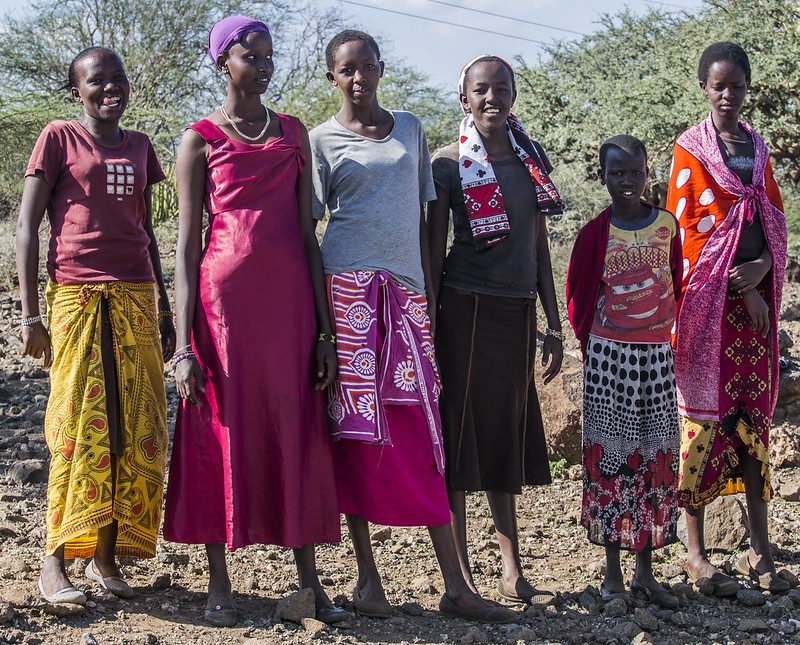
If you have ever wondered what good remittances do for poverty reduction, a study done by the researching nonprofit Innovations for Poverty Action (IPA) could help put things in perspective. Researchers at IPA evaluated the economic progress of Kenyan villages from 2014 to 2017 after families were given unconditional cash transfers or UCTs. The cash grants in Kenya were provided by a charity organization called GiveDirectly.
The results of the study highlight the potential UCTs have to financially elevate communities around the world. However, when dispersed without careful consideration, some aspects of cash transfers can be detrimental. Let’s discuss GiveDirectly’s trial and why it was successful in initiating great economic stimulation in Kenya.
The Logistics of the Study
The study took place in villages surrounding Lake Victoria in Siaya County, Kenya. To avoid a concentration of funds, researchers categorized villages by two groups: villages with high saturation and low saturation status. Random assignment appointed two-thirds of high saturation villages and one-third of low saturation villages to the trial. As an extra measure to confirm financial need, GiveDirectly only chose families residing in homes with a thatched roof; about one-third of households qualified.
GiveDirectly provided money transfers in intervals to a family member, totaling 87,000 KES, or 1,000 USD. Data was recorded through baseline and closing surveys taken by the participating families and local business owners. The surveys covered topics such as “household financial, physical, and mental well-being, business performance, changes in market prices, and the provision of local public goods.”
Cash Grants in Kenya: The Results
The increase of income stimulated a surge in spending from recipient families. For the most part, these expenditures occurred in the region. Business disclosed that 86% of their clientele were from local or neighboring villages.
The increased consumption had a spillover effect, as non-participant households also saw an influx of income. According to their report, GiveDirectly claims that having higher local enterprise revenues, “in turn, appears to increase the income of local untreated households, leading to higher spending on their part.” The grants created a pattern of earning and consuming that resulted in overall higher cash flow in the area.
Furthermore, participant households across the board showed “higher levels of psychological well-being, food security, education, and security.” Increasing their financial security had an overall positive impact on many other aspects of their lives.
Why it Worked
Before the 2014 study, UCTs previously given by GiveDirectly were also proven to generate economic stimulation in Kenya due to rising consumption and investments. To fully understand the results of this study, it is important to note a few specific factors.
First, GiveDirectly provided UCTs rather than conditional cash transfers, or CTTs. The World Bank defines CCTs as being “contingent on behaviors like school attendance and visits to health clinics.” These requirements do not come as easily to some families as others, especially those living remotely. In contrast, UCTs provide financial support to families without burdening them with specific requirements that they may be unable to meet.
The location also played a big role in the success of this trial. GiveDirectly chose families from an area containing a major national road that IPA determines may be one of the reasons for economic overspill. The IPA report also depicts Kenya’s traditional “harambees,” gatherings meant for community fundraising, as another cause for the balanced wealth distribution.
Moving Forward
The economic stimulation in Kenya proves the efficiency of tactful cash grants. GiveDirectly’s accomplishments in poverty alleviation are just a fraction of what is possible. Moving forward, if more funds are devoted to foreign poverty aid, it is possible for such results to be seen on a global scale.
– Lizt Garcia
Photo: Flickr

Sudanese Refugees in Egypt Face Impoverished Conditions
Sudanese Refugees
Many Sudanese flee their home country to other regions of Africa due to political conflict and economic turmoil. Refugees in Sudan escape their country on foot to neighboring countries. When the first civil war started about 60 years ago in southern Sudan, Sudanese refugees began to flee to Uganda, Kenya and Ethiopia.
Many individuals have fled for different reasons; some flee to obtain better rights, but in particular, many flee to escape religious persecutions. One Sudanese man was targeted due to his Christian faith and the police told him to renounce his faith. The Muslim faith is prominent and individuals who practice the Christian faith have suffered persecution. Since he continued to believe in his religion, the man went to jail where he faced beatings and torture. After spending weeks in jail, the Sudanese man fled to Cairo, Egypt.
Sudanese Refugees Face Discrimination in Egypt
Many refugees in Sudan flee to Egypt resulting in a burden on resources. Overall, Egypt hosts millions of refugees who flee their country’s terrible conditions, only to face racism in Egypt. Some Egyptians will call Sudanese refugees slaves and other ethnic slurs. Some have faced harassment that brings up traumatic memories and flashbacks of violent conditions they experienced in Sudan, including torture and rape. Sudanese children are sometimes bullied in school. Egyptians and even refugees from other countries exhibit this behavior.
Some individuals in Egypt recognize there is a problem and acknowledge that Sudanese refugees are negatively treated. The president of Egypt, Abdel-Fattah el-Sissi calls for his citizens to take action and to not mistreat Sudanese refugees. In 2018, an Egyptian court sentenced a man to seven years in prison for harassing, beating and killing a South Sudanese teacher who worked with refugees in Cairo.
Sudanese Refugees Face Poverty in Egypt
More than 5 million refugees in Sudan left their country to escape poverty but have subsequently faced financial hardships in Egypt. Sudanese refugees in Egypt are provided with 1,500 Egyptian pounds (LE) for every child from the United Nations through the Catholic Relief Services (CRS), with no additional assistance from the state. Thus, it is difficult for the refugees to pay for schools and other expenses. At the same time, it is difficult for a Sudanese refugee to find work in Egypt, even for those with higher education, since the residence permit does not allow work. Many who do find jobs work by cleaning houses and shops.
Due to the COVID-19 outbreak, many refugees in Sudan have faced an increased level of previous hardships. A fifth of foreigners were vulnerable and lost their jobs from the COVID-19 lockdowns in Egypt. In addition, many Egyptians have lost their jobs and in return have been forced to let go of migrant workers from Africa and Asia.
A Sudanese charity has financially helped more than 500 struggling families whose breadwinners have lost their jobs. Eviction has been a major problem for Sudanese refugees in Egypt, some of whom are attempting to return home.
Many Sudanese refugees escape their home country, only to face similar problems. Impoverished conditions continue to follow them within Egypt, although many strive to work harder in the new country. Organizations within Egypt need to help to eliminate discrimination against Sudanese refugees to alleviate their added struggles.
– Ann Ciancia
Photo: Flickr
US Nonprofit is Creating Glory for Ugandan Orphans
Inspiration to Create Weight of Glory Orphan Care
Weight of Glory Orphan Care is a nonprofit established by three college friends from Arkansas who are creating glory for Ugandan orphans. In 2010 Travis, Krystin and Megan spent a semester in college visiting the L’esperance Children’s Aid orphanage in Uganda. Within a couple of days, the three friends became invested in the connections they made with the orphans. They also cultivate a strong friendship with the director Wilbroad. During their five months stay, these three students viewed the orphanage’s daily struggles, especially as they planned to relocate in the near future.
Like many other orphanages, the L’esperance is highly dependent on volunteers and international donations. Upon arriving back in the U.S., the three friends kept in touch with Wilbroad. They discovered that in the relocation process to Lake Victoria, the orphanage had lost much of their regular donation support. In the summer of 2014, only 20 out of the 78 kids had a home. Additionally, many had to be sent to distant boarding schools due to a lack of education funds at L’esperance.
Establishing Weight of Glory
Travis, Krystin and Megan informed their communities of the difficulties the Ugandan children were suffering. They received support in tremendous ways. In addition, the support led to the realization that a U.S. based nonprofit organization that invests in orphaned kids in Uganda was a possibility. Within the first two years of establishing Weight of Glory, the nonprofit was able to assist in rebuilding a Kinoyo Kindergarten classroom. The classroom has the capacity for 120 children. Additionally, the goal of the Arkansas-based nonprofit is to produce sustainable solutions for Ugandan orphanages. As a result, it leads to the construction of a poultry farm that houses 1,000 chicks at L’esperance.
Weight of Glory Helps Ugandan Orphans
The Weight of Glory Orphan Care commits to creating sustainable projects that help the orphans directly. For example, sponsorship for 25 children at L’esperance, taking the primary role as an international partner and holding Gala fundraising events to educate the local communities about orphanages in Uganda. But one of the bigger projects that has had success is the read-a-thons at local schools. During this project, local U.S. children are educated about the daily lives of Ugandan children. The program also promotes donations that assist in providing school supplies to the primary school children in L’esperance. Additionally, they sell merchandise online that helps support their status as a nonprofit organization and goes directly to supporting Ugandan orphans.
From their time spent at L’esperance, the three friends discovered the four categories by which the children find support at L’esperance. Primary school orphans are dependent on the orphanage for their education from a very young age. Meanwhile, secondary school orphans are finishing their education through L’esperance. On the other hand, community students are residents of the local community with limited access to essentials such as food and clothing. These children are invited to the Kinyo Kindergarten at L’esperance for support and education from a young age. But the main group is resident orphans, who are completely dependent on the orphanage, from living quarters to education programs.
Megan, Krystin and Travis drew on their experience in Uganda to build the Weight of Glory Orphan Care nonprofit. The success of the nonprofit lies in partnering with local communities with international partners that can support the orphanages. These friends’ nonprofit is creating glory for Ugandan orphans by attempting to carry the heavyweight of caring and shining a light on the stories untold in global orphanages.
– Sumeet Waraich
Photo: Flickr
6 Facts About COVID-19 in Sudan
Sudan, a country in northeastern Africa, has weathered a civil war that resulted in the creation of South Sudan, a coup d’état and food shortages, all within the last decade. The results of these events include a stunted healthcare system and an influx of refugees, which has affected the nation’s response to the coronavirus. With the number of cases reaching tens of thousands, Sudan’s leaders must find a way to keep citizens and refugees safe from the virus. Here are six facts about COVID-19 in Sudan.
6 Facts About COVID-19 in Sudan
Sudan was already enduring the aftermath of a war, political unrest and food shortages before the onslaught of the COVID-19 pandemic. On top of that, unprecedented flooding destroyed the lives of over 100,000 refugees and displaced Sudanese. However, this has not stopped the nation’s efforts to contain the virus to the best of its ability. With help from humanitarian organizations, COVID-19 in Sudan will hopefully decline.
– Faven Woldetatyos
Photo: Flickr
Cash Grants in Kenya: Elevating Poor Communities
If you have ever wondered what good remittances do for poverty reduction, a study done by the researching nonprofit Innovations for Poverty Action (IPA) could help put things in perspective. Researchers at IPA evaluated the economic progress of Kenyan villages from 2014 to 2017 after families were given unconditional cash transfers or UCTs. The cash grants in Kenya were provided by a charity organization called GiveDirectly.
The results of the study highlight the potential UCTs have to financially elevate communities around the world. However, when dispersed without careful consideration, some aspects of cash transfers can be detrimental. Let’s discuss GiveDirectly’s trial and why it was successful in initiating great economic stimulation in Kenya.
The Logistics of the Study
The study took place in villages surrounding Lake Victoria in Siaya County, Kenya. To avoid a concentration of funds, researchers categorized villages by two groups: villages with high saturation and low saturation status. Random assignment appointed two-thirds of high saturation villages and one-third of low saturation villages to the trial. As an extra measure to confirm financial need, GiveDirectly only chose families residing in homes with a thatched roof; about one-third of households qualified.
GiveDirectly provided money transfers in intervals to a family member, totaling 87,000 KES, or 1,000 USD. Data was recorded through baseline and closing surveys taken by the participating families and local business owners. The surveys covered topics such as “household financial, physical, and mental well-being, business performance, changes in market prices, and the provision of local public goods.”
Cash Grants in Kenya: The Results
The increase of income stimulated a surge in spending from recipient families. For the most part, these expenditures occurred in the region. Business disclosed that 86% of their clientele were from local or neighboring villages.
The increased consumption had a spillover effect, as non-participant households also saw an influx of income. According to their report, GiveDirectly claims that having higher local enterprise revenues, “in turn, appears to increase the income of local untreated households, leading to higher spending on their part.” The grants created a pattern of earning and consuming that resulted in overall higher cash flow in the area.
Furthermore, participant households across the board showed “higher levels of psychological well-being, food security, education, and security.” Increasing their financial security had an overall positive impact on many other aspects of their lives.
Why it Worked
Before the 2014 study, UCTs previously given by GiveDirectly were also proven to generate economic stimulation in Kenya due to rising consumption and investments. To fully understand the results of this study, it is important to note a few specific factors.
First, GiveDirectly provided UCTs rather than conditional cash transfers, or CTTs. The World Bank defines CCTs as being “contingent on behaviors like school attendance and visits to health clinics.” These requirements do not come as easily to some families as others, especially those living remotely. In contrast, UCTs provide financial support to families without burdening them with specific requirements that they may be unable to meet.
The location also played a big role in the success of this trial. GiveDirectly chose families from an area containing a major national road that IPA determines may be one of the reasons for economic overspill. The IPA report also depicts Kenya’s traditional “harambees,” gatherings meant for community fundraising, as another cause for the balanced wealth distribution.
Moving Forward
The economic stimulation in Kenya proves the efficiency of tactful cash grants. GiveDirectly’s accomplishments in poverty alleviation are just a fraction of what is possible. Moving forward, if more funds are devoted to foreign poverty aid, it is possible for such results to be seen on a global scale.
– Lizt Garcia
Photo: Flickr
Trash for Cash in South Africa
South Africa and Poor Living
Many people in all areas of South Africa live in poverty. Upper and lower-bound poverty lines measure poverty. It depends on different factors such as food and basic living needs. As of 2015, 55.5% of people lived below the upper-bound poverty line and 40% of people lived below the lower-bound poverty line. Several groups of people are more susceptible to living in poverty. 90% of Black people in South Africa are poor. Only 33.2% of children in 2015 didn’t live in poverty and people with no education were more likely to be poor.
Unemployment Rates Are Everything
Furthermore, unemployment and poverty go hand in hand. As of 2019, about 28.18% of South Africans were unemployed. In comparison, the unemployment rate for the United States was 3.68%. 40% of people live below the lower-bound poverty line in South Africa and 28% endure unemployment. There is a huge need to find a solution that can help reduce both numbers. Although there are many mountains to climb to help lower the unemployment rate in South Africa, recycling is one small option that can help.
Additionally, there are many economic benefits to recycling. For example, in 2001, the United States had over $236 billion in revenue from recycling. Recycling can reduce unemployment rates by creating jobs, and also eliminates the cost of landfills. Although there is always room to improve, through good habits, Americans essentially trade their trash for cash and have seen an economic boost as a result.
Packa-Ching
Launched in August 2017, Packa-Ching is a business that provides mobile recycling devices to many areas of South Africa. Individuals in those communities can bring their recyclable materials to the mobile units. It swaps trash for cash and gets paid in an electronic account in exchange for recyclables. The electronic bank account eliminates any problems that would accompany dealing with hard cash. The mobile units make recycling easy and convenient. The company focuses on many of the poorer areas, which provides a small income to the community and also allows for an easy cleanup of trash that would otherwise sit in a landfill.
Salvage Scheme
Packa-Ching aims to present its plan to the youth of South African communities, helping instill good habits from early ages. With 95% of South Africans not participating in a recycling program, there is huge room for growth. So many of the communities have not had any successful recycling programs before. As a result, pollution and waste surround inhabitants. When an individual can see how important it is to recycle, as well as how easy it is, their behavior can spread to others. They exchange their trash for cash based on the current value of each material, which is taken away, leaving a cleaner city behind.
Packa-Ching’s mission paves the way for a more profitable future for the participants and a cleaner future for the planet. Through convenient mobile recycling pickup, education through schools and a monetary incentive for individuals to recycle, they make the entire process fun and easy. When it asks people to swap trash for cash, it is helping create positive habits, which can ensure a brighter tomorrow for all.
– Tawney Smith
Photo: Unsplash
Are Fair Trade Product Markets Really Fair?
Price and Accessibility
Consumer attitudes and behaviors play a significant role in the pervasiveness of fair trade products. Buyers often report positive attitudes toward more ethically traded items but are not always willing to pay the inevitably higher prices. As a result, fair trade products are still a more niche commodity, making up less than 1% of the market. Ironically, the extra expense of these items often makes them less accessible to lower-income consumers in developed countries, creating connotations of elitism. Despite these setbacks, the demand for more ethical products is steadily on the rise.
Fair Trade Product Marketing
Despite many well-intentioned consumer attitudes, fair trade product markets frequently feature marketing strategies that conjure up imperialistic images. Rather than honoring the work of exporters as equitable trading partners, many marketing campaigns portray farmers as grateful and dependent on western purchases.
Transparency in Fair Trade Certification
In products marked as fair trade, the certification might only apply to the product’s raw materials, rather than the full process of production. This means that a shirt made with fair trade cotton could have been manufactured in a sweatshop. Naturally, this lack of transparency can mislead consumers and dilute the meaning of the certification.
Economic Impact of Fair Trade
The efficacy of fair trade as a poverty management tool is up for debate as well. Although fair trade marketing is centered on empowering those in producing regions and reducing poverty, the effects are not as straightforward as many well-intentioned consumers might hope. A 2014 study theorizes that these practices are somewhat effective, “although on a comparatively modest scale relative to the size of national economies.”
Often, the poorest workers are spared the prosperity from fair trade product market practices. A study that observed coffee mills in Costa Rica between 1999 and 2014, explored the impacts of fair trade systems on household incomes within the region. Researchers found that farm owners and skilled growers reap most of the benefits. Unskilled laborers receive no benefits other than the economic spillover of an increasingly prosperous coffee-growing region.
Many requirements of the fair trade certification are inaccessible for growers with fewer resources. Smaller producers might struggle to pay the fees associated with becoming certified fair trade producers. Similarly, producers struggle to attract large corporate trading partners who have no interest in paying the extra cost of sourcing materials equitably. NGOs like Maya Traditions, which helps Guatemalan artisans sell their products on the international marketplace, aim to make entrepreneurship accessible to small producers in developing countries.
The Verdict
The efficacy of fair trade systems is the subject of a great deal of criticism. While fair trade products like coffee, tea, and cotton are worth investing in, the benefits are imperfect and not accessible to all producers or consumers. Some activists advocate for a ‘direct trade’ system, in which consumers can buy goods directly from growers while paying growers sums closer to retail prices. However, the direct trade model comes with its own set of challenges and infrastructural changes. Nonetheless, establishing a system that allows producers to reach more advanced development from trading their crops is challenging but is certainly worth investing in.
– Stefanie Grodman
Photo: Flickr
The Resurging Tech Industry in South Asia
As a result, the tech industry in South Asia fell to a baseline, sustaining itself without thriving. However, a phenomenon is occurring that has been dubbed a ‘reverse exodus’. Many of the South Asian professionals that emigrated to the West have returned to their mother country. This mass-return of individuals to their home countries is causing a boom in the industries that traditionally experienced what is known as ‘brain-drain’ (the loss of skilled professionals to emigration).
These five factors are integral to understanding the resurgence of the tech industry in South Asia.
5 Factors Causing The Resurging Tech Industry in South Asia
1. One of the major reasons behind the reverse exodus is for family. Parents that had once wanted their children to grow up in Western nations are returning to South Asia after a strong development in the education sector. Allowing children to grow up alongside a larger, more connected family creates a stronger bond than when oceans separate families. In addition, the parents of these emigrated high-skilled tech professionals are aging. The choice is to “bring them there or return home.” Oftentimes, the family will choose to return to their mother country to care for their aging parents.
2. The rapid development of South Asian opportunities pulls professionals back home. Rich with a younger population well-versed in global technology and a large market for labor, South Asia’s economy is on the cusp of a boom. This is recognized not only on the global economic scale but by the individuals choosing to return as well. In an interview conducted with a returnee, Ram, he notes that “there were opportunities in India – India is growing”. Ram already has a family and was advancing in his career steadily. However, the economic opportunity offered to him if he returned home was a stronger pull than anything in the West.
3. Industry specific zones are springing up, allowing clusters of innovation and clusters of returnees from the West. One example of this cluster effect is the Andhra Pradesh MedTech Zone in India, where medicinal technology is being innovated and discovered at a rapid rate. Medical and technology professionals from the West that returned to this sector find themselves surrounded by a silicon-valley type industry cluster. They also find clusters of similar-minded people. Returnee Ram meets people from Chicago and other US cities: “in the community of people (…) it’s like a mini-US”.
4. Capital for businesses is now readily available in South Asia. After the economy surged forward, jobs became widely available. Funding was plentiful for those that wished to start their own businesses. The IT industry hosts a yearly gathering in California for individuals who might want to return to South Asia. Companies like Intel, Amazon and Yahoo have started to attend the job fair. These potential opportunities for job growth pull many of the interested population back home. The job market and capital is potentially more accessible than in the West.
5. Government support is present for those that want to return and pursue a higher standard of living. Ram noted that entrepreneurial activities are “open to everyone”, fully accessible to anyone that wants to try their hand. The government streamlines the process so that “if you come and expect that you’re going to open your own company in a few weeks,” it’ll happen. Though there may be a more established support system in the West, the clear government support for individual development in South Asia is one of the strongest factors causing many to return.
Though the South Asian region continues its development as a result of the high-skilled professionals returning home, there is still substantial work to be done to retain the talent. Government support, economic opportunity, and familial support are all strong initial pulls. However, the issue of brain-drain won’t be fully resolved until there is sustained regional development. Focusing on industry development must be a mainstay for countries in the region in order to retain their talent and continue the growth of the tech industry in South Asia. Hopefully, through a region-wide commitment to development, South Asia will fully recover from the past losses of brain drain and develop into a hub for the global technology industry.
– Pratik Samir Koppikar
Photo: Flickr
The Endosulfan Tragedy in Kerala
For over 20 years, cashew plantations in Kasargod district in Kerala used Endosulfan as a pesticide. Tea plantations, paddy and fruit orchards in other areas of Kerala also used this pesticide administered via aerial spraying or manual pumps. Prone to long-range atmospheric transport, Endosulfan linked to serious health disorders in the citizens residing in these areas. In 2001, tests carried out by the Centre for Science and Environment in Padre village in Kasargod confirmed the deadly effects of the pesticide.
Cashew Plantations of Padre Village
In Kasargod’s Padre Village, residents reported that aerial spraying of Endosulfan in the cashew plantations began as early as 1976. A few years later, there were reports of calves being born with deformed limbs. Frogs, fishes, bee colonies, fireflies and jackals vanished from these areas. Many local children and a large number of people below the age of 25 were suffering from severe disorders. Families who lived along the Kodenkiri stream and its smaller tributaries endured the most. Protests and efforts mobilized by residents helped throw light on these troubles. However, it took many years for officials to fully address the dangers of the pesticide.
The Mango Orchards of Muthalamada Panchayat
Additionally, in Palakkad’s Muthalamada Panchayat, Endosulfan was used extensively in mango farms. Here too there were reports of animals giving birth to offspring with deformities, and residents witnessed the death of monkeys, reptiles and thousands of butterflies each day. A 2014 survey identified over 150 Endosulfan victims in Muthalamada, of which 40% suffer from chronic conditions. Even by May 2018, victims in Muthalamada who had been promised benefits, scientific studies and full-scale surveys to properly assess conditions in the area reported neglect.
The Ban of Endosulfan
The Kerala Government banned the use of Endosulfan in 2005. However, neighboring States still used them. In 2011, the seventh meeting of the Stockholm Convention on Persistent Organic Pollutants (POP’s) placed a global ban on the manufacture and use of Endosulfan. In the same year, the Supreme Court of India banned the use, manufacture and distribution of the pesticide. A Supreme Court-appointed panel recommended phasing out the use of Endosulfan across a period of two years to avoid the high cost of incinerating.
Relief and Remediation Program
Furthermore, in 2017, the Supreme Court of India directed the Kerala Government to pay Rupees 500 Crores to over 5,000 victims of the Endosulfan tragedy. It also directed it to set up a medical facility to treat ailments resulting from exposure to Endosulfan. Relief and remediation plans focus on health, socio-economic welfare, rehabilitation and empowerment as well as a periodic assessment of environmental effects.
Overall, people favored Endosulfan for its low cost and effectiveness. Even after the ban of the pesticide, there were reports in 2013 that farms and plantations in Kerala still used Endosulfan. The tragic effects of the Endosulfan tragedy emphasize the importance of safeguarding the environment. It also emphasizes how strict regulations are crucial to deter the use of harmful pesticides.
– Amy George
Photo: Flickr
Wakanda Today: Black Panther Inspires Africa
In the wake of Chadwick Boseman’s death, Black Panther’s influence moved to the forefront of public conversation. At the same time, Marvel fans mourned the loss of their beloved hero and debated possible replacements for the title character, Black Panther-inspired Africa, to reassess its development strategies. Wakanda might be a fictional country, but the World Economic Forum claims it represents a technologically driven and socio-economically responsible vision for Africa.
An Ideal Africa
Wakanda embodies the United Nations 2020 Sustainable Development Goals as it presents an Africa with gender equality, no hunger, no poverty, good health, well-being and clean energy sources. While Africa cannot thrive on the fictional substance of “vibranium,” the World Economic Forum believes it can realize Wakanda’s “4.0 Globalization” by investing in its people, industries and governments. Here are three ways Black Panther is inspiring Africa’s development.
Youth Employment Opportunities
Like Black Panther, African communities see younger people as a developmental asset. T’Challa believed in youth, like his sister Shuri, and the African Development Bank Group does as well.
A 2019 study by the African Development Bank Group found 420 million unemployed young people in Africa, making them a valuable, untapped resource. The World Economic Forum suggested that Africa create over 130 million jobs for young people, doubling the number of opportunities currently available to spur economic growth across the continent. Indeed, the working-age population could increase productivity in industries, ensure economic prosperity and lower poverty rates.
Government Support of SMEs
Wakanda’s economy rivaled that of the most developed countries in our world. Again, “vibranium” will not stabilize African economics as it does not exist. However, the World Economic Forum believes that creating government-backed investment funds might ensure Africa’s economic prosperity.
African governments seem to be getting on board with this plan. They are investing in technological businesses as well as smaller SMEs, like startups. African governments already invested in SMEs within the agricultural industry, like FaLGates rice farms. They also funded healthcare SMEs, like Jamii Africa’s micro-health insurance group.
The World Economic Forum believes that investing in smaller companies could recycle and increase the African nation’s capital. The capital might never meet Wakanda’s gold standard, but it will improve Africa’s poverty rate and stimulate technological advancements.
Protecting Public Interests
Black Panther depicted an idealized version of politics. The film presented T’Challa as a leader who valued his citizens’ feedback and acted on their best interests. However, our political world does not always operate in this way, and corruption often surfaces.
The World Economic Forum claims that one-fourth of Africa’s GDP goes to “disguising” corruption. It suggests that governments become transparent about their programs and practices. Like Wakanda, African governments are fighting corruption and putting their people’s needs first. They are supporting medical programs and clean energy projects.
Black Panther projected a bright future for the African continent: one without poverty, disease or corruption. It also gave hope to a new generation of comic book fans. Chadwick Boseman’s passing once again prompted fans to cry, “Wakanda Forever.” However, Africa’s youth employment opportunities, SME investments and public interest projects will help it realize Wakanda today.
– Kyler Juarez
Photo: Wikimedia Commons
Uighur Forced Labor in the Fashion Industry
Difficulties with Regulation
Uighur forced labor is difficult to regulate. This is because brands may unwittingly be promoting the conditions of incarceration and cultural erasure. Brands may indirectly benefit from the use of Uighur workers outside Xinjiang through potentially abusive labor transfer programs. Cotton is routed to neighboring countries before arriving in the United States. This obscures the supply chain’s traceability. Leonie Barrie is an apparel analyst at the international analytics firm GlobalData. He speaks to this point of why eliminating Xinjiang cotton proves difficult and says, “we’re talking about multiple touchpoints along the supply chain.”
Information inconsistencies further complicate sourcing. False claims hinder activists who push for change from accurately linking brands to the factories. For instance, with Adidas, “one factory in Xinjiang has a giant billboard of Adidas on their premises,” explained Danielle Cave, a deputy director at ASPI’s International Cyber Policy Centre. Yet, Adidas denied having ties to the manufacturer. This obscurity with corroborating the statements of brands and manufacturers is a long-existing problem. Auditors and activists who combat issues of labor exploitation in the fashion industry have to face this issue.
Still, brands themselves prove reluctant to enact the full-scale changes necessary for living up to their ethical manufacturing commitments. The Australian Strategic Policy Institute published a report naming 83 brands that had “directly or indirectly benefited from the use of Uighur workers outside Xinjiang through potentially abusive labor transfer programs as recently as 2019.” The list included popular American brands such as Adidas, Calvin Klein, L.L. Bean, Zara and Uniqlo. When these companies responded to the claims, few explicitly confirmed whether they used Xinjiang cotton. Instead, they redirected towards their participation in organizations that promote ethical fashion.
Redirecting the Conversation
An example of brands redirecting the conversation is Nike’s reaction to The Washington Post’s story. The story was on a supplier Qingdao Taekwang Shoes Co, and their apparent use of forced Uighur labor in a central factory for Nike products. A spokesperson for Nike did not deny the claims. They claimed the company was “committed to upholding international labor standards globally.” They did not give action steps on following up on that commitment. Furthermore, even companies with rigorous corporate social-responsibility guidelines may employ Uighur forced labor, whether they are aware of it or not.
Where Change is Coming From
Change, however, is coming from a different direction: lawmakers and the activists behind them. On July 9, the U.S. Treasury sanctioned regional officials and a security agency for detaining over one million Uighurs and other ethnic minorities in these forced labor camps. Prisoners could not practice Islam and underwent sterilization practices. Two new laws are also working through the United States Congress and the European Parliament. They prevent the import of goods made from forced labor in China’s Xinjiang region.
Such legislation could set a precedent for future laws that weed out forced labor from supply chains. However, simply preventing these imports from reaching the U.S. is only a temporary solution. To prevent Uighur forced labor from spreading to other markets, we must take a universal stance against exploitative practices and muddled supply chains.
– Christine Mui
Photo: Flickr