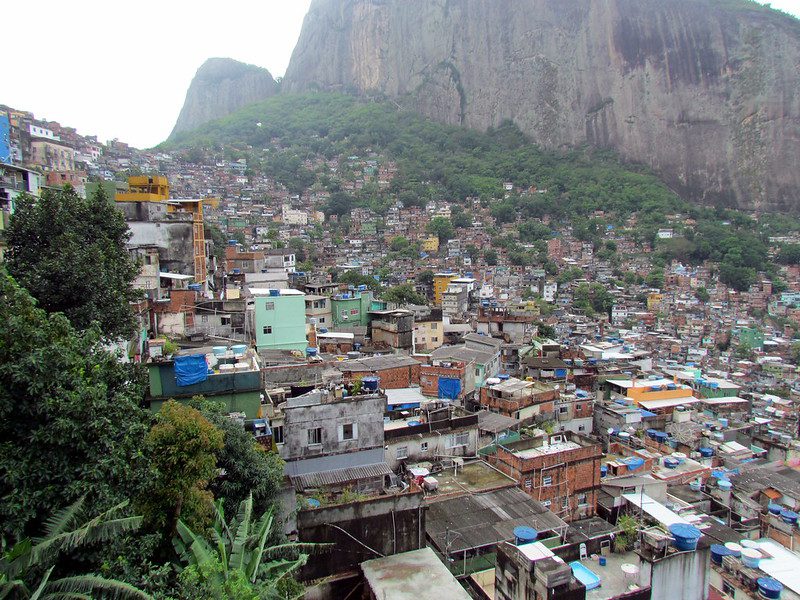
 As the impact of the COVID-19 on impoverished populations in Brazil continues, volunteers are providing support to community food pantries. Impromptu pantries are granting food to as many Brazilians as possible. Following the suspension of government emergency payments through the program Bolsa Familia, poverty in Brazil has quickly risen. The New York Times recently reported that Rio de Janeiro children have been begging for food at grocery stores while families huddle together in encampments. However, the pantries have alleviated some of the challenges that the COVID-19 pandemic and suspended payments have brought on Brazil.
Bolsa Familia
In April 2020, President Jair Bolsonaro authorized emergency payments for millions of Brazilians. “It was a lifeline,” Jeronimo Rodriguez, a global economics student at Temple University, said in an interview with The Borgen Project. “It was very important for people, if they didn’t have this program, even more people would be [facing] problems.”
The government agreed to send 322 billion reais ($56 billion) to more than 60 million Brazilians registered with Bolsa Familia, the country’s pre-existing social welfare program. The government created Bolsa Familia in 2003 in an effort to reduce extreme poverty in Brazil. Monthly payment distribution was based on family composition and household income.
Emergency payment eligibility was originally based on Bolsa Familia eligibility, but the government expanded eligibility due to the pandemic. According to The Center for Public Engagement, this program helped more than 11 million families in Brazil.
However, in August 2020, budget cuts halved the monthly payments that helped reduce the impact of COVID-19 on impoverished populations in Brazil. Later, in December 2020, the government suspended payments. This put those previously living in poverty in Brazil at risk of crossing that line again. Aljazeera News reported that the second round of payments was to begin in April 2021.
The second round would have sent four monthly payments of 250 reais ($50) to families, but would not have covered as many people as the first round of payments. “There are millions of Brazilians, millions of people included in the first round of payments and now they have been kicked out,” said Rodriguez.
Impact of COVID-19
President Jair Bolsonaro is still under scrutiny for his handling of the pandemic. Bolsonaro avoided lockdowns, kept businesses open and has been slow to secure vaccines. In addition, Brazil’s healthcare system proved to be unable to handle the pandemic. Brazil’s hospitals were lacking appropriate staffing, sufficient resources and privatized care. The lack of access to healthcare has strained those living in poverty in Brazil the most.
“They struggled a lot when we were in a ‘normal’ world, so the pandemic just made it clear that they’re living in horrible conditions up there,” Ygor Zanardo, an MBA student at West Chester University, said in an interview with The Borgen Project. Zanardo is from Brazil and is still in contact with friends and family there.
COVAX, an initiative to help equally distribute vaccines globally, donated its first round of vaccines to Brazil on March 2021. Expectations have determined that Brazil will receive more vaccine donations throughout the year. As of May 18, 2021, more than 17 million Brazilians have obtained vaccinations.
Political Crisis
According to Aljazeera News, the Brazilian Senate is currently investigating President Jair Bolsonaro for his handling of the pandemic. “The politicians there should focus on getting more vaccines and with a faster distribution of them while taking care of the individuals who are sick now with the right care that they deserve using public health,” said Zanardo.
Zanardo said the most effective way to offer assistance and alleviate the impact of COVID-19 on impoverished populations in Brazil would be to advocate for increased vaccines to the country. France and Sweden have recently donated vaccines to the COVAX Initiative. The World Health Organization (WHO) is urging other developing countries to participate.
– Monica Mellon
Photo: Flickr

100% Renewable Energy in Sweden by 2040
Sweden is one of the world-leading countries in the transition to renewable energy. Sweden plans to operate in all sectors with 100% renewable energy power generation by 2040 and reduce greenhouse emissions to zero by 2045. In 2018, 68% of Sweden’s electricity derived from the renewable energy source hydro energy. Today, Sweden has been able to introduce innovation from energy companies that make the renewable energy market a booming capital venture with an aim to full-coverage renewable energy operations.
What is Renewable Energy?
Often known as clean energy, renewable energy is a sustainable, climate-driven and innovative alternative to fossil fuels such as oil, gas and coal. Renewable energy consists of natural wind, sun, water and nuclear elements that can produce electricity through transmissions. Heating, lights and factory machines often use the cost-effective option of fossil fuels. However, the limited quantity and damaging dispositions of fossil fuels have caused environmental concerns for Swedish and international energy companies. These concerns have resulted in a rising demand for resources and data about renewable energies.
Renewable Energy Sources in Sweden
Renewable energies are the fastest-growing source of electricity in Sweden with more than 50% of the current electricity production adding up to 89,306 gigawatt-hours. Although nuclear energy has had contributing factors in Sweden with 42% of the country’s 2018 electricity production, nuclear usage has sparked many concerns since 1980.
Hydro energy is the leading renewable energy source in Sweden. It powers most electricity productions with 61,605 GWh in 2018, while wind energy is the second efficient renewable energy source with more than 20 TWh in 2019. Forests, the largest biofuel in Sweden, regulate the country’s bioenergy. These forests cover 63% of Swedish land. Furthermore, solar energy could surge from 400 GWh in 2018 to 1.7 TWh in 2022.
The International Renewable Energy Agency stated that “The country’s power system is almost entirely decarbonized already, based on extensive hydropower resources and nuclear power, as well as district heating fuelled by biomass.” Sweden has successfully integrated energy powers with its current climate objectives, including the taxation of carbon dioxide emissions on factories and other sectors.
Citizens Approve of Renewable Power
Sweden has been increasingly operating on hydro-driven electricity since the first lightbulb in 1882. As citizens comfortably adapt to the country’s rich supply of moving water and biomass, transportation and electricity bills are also becoming a great benefit. The Borgen Project spoke with Stockholm-based Health Administration student Ajoub Junior about whether complete renewable energy by 2040 is possible for Sweden. Junior stated, “I do believe it because I’ve seen great improvements all over around Sweden this few years.” As electricity companies transition to 100% renewable energy sources, many customers are noticing cheaper bills and changes in climate policies. Junior said, “In 10 to 20 years from now, I hope this country is free from fossil fuels.”
The Contribution of Competitive Markets
Vattenfall AB, Fortum Oyj, Swedish Biofuels AB, General Electric Company and RES Group are Sweden’s top five leading renewable energy companies to date, making the market “moderately consolidated.”
With a competitive market in a ready-to-go country, a 100% sustainable energy operation by 2040 is certainly an attainable goal. Although experts believe challenges in policy and system operations will likely compromise the prediction, achieving a 100% renewable power system is a possible goal with a promising future for Sweden’s climate.
– Ayesha Swaray
Photo: Flickr
How an SMS App in Tanzania Enhances Job Network
No Internet Needed
While the SMS app is similar to online job search websites, it does not rely on internet access. The app simply asks a few important questions about their searches. For example, the app asks employers and workers to identify how much they are willing to pay or how much they wish employers to pay them. The intention of this feature is to lower business deal costs, but it may persuade users to bargain and alter the wages. However, the SMS app can also assist in updating the dispersal of wage offerings in the labor market.
When an employer posts a job, the job listing provides answers to frequently asked questions such as the wage, job type and date the job starts. Once qualified workers receive the advertisement, employers can immediately contact them, thereby lowering the costs it would take to meet in person. The advertisement includes a specific job code, so the workers text the correct code to the employers to apply for the position. After the employer receives the application, they exchange phone numbers and names with potential employees in order to further discuss the details of the job.
How the App Works
Employers can announce job descriptions through an SMS that all listed workers in the neighboring areas receive. This enables employers to extend their offer to more workers instantly. When a worker responds to the job advertisement, the app immediately directs the worker’s application to the employer. After experimenting with the app for one agricultural season, the research found that a large number of villagers began to use the SMS app and were finding success in connecting workers and employees. While the app does not increase the number of jobs available, it does decrease the wage spread.
Decreasing the Wage Gap
The agricultural production of Tanzania is self-reliant, and while Tanzanian families typically carry out their own farming responsibilities, farmers still hire some daily laborers to help. The payments for these workers range from $1.20 to $6.50 per day. However, the outcomes of the assessment established that the SMS-based messaging app lowered the wage gap in the villages, which means employers paid workers wages that matched the average payment for that job. High-paying employers contributed to this reduction by lowering the amount they paid workers, while the low-paying employers raised wages. These results suggest that the app could successfully cause a more permanent reduction in the wage gap and job search costs and create a more efficient labor market.
Increasing Communication
An SMS app that announces obtainable jobs and offers simple job applications through the short messaging system has the capability to upgrade the performance of the agricultural labor business. It will be much easier for workers and employers to look for each other because workers will have access to new job openings, and employers will be able to consider potential hires who are not accessible in their current labor network. This system of hiring is necessary because employers routinely have trouble finding new and professional workers, so they have to resort to rehiring previous employees. This lack of communication between villages results in the workers obtaining contrasting wages for comparatively similar agricultural work. Therefore, the SMS app is necessary to enhance the networking of employers and workers.
The SMS app in Tanzania is accessible because about 93% of the Tanzanian population owns quality phones, and 84% are highly literate. The app lowers the cost of job searching, makes wage rates more comparable and announces available jobs to instantly connect employees with employers. This networking expands the possibilities for employers and employees, especially in Tanzania’s agricultural industry.
– Shalman Ahmed
Photo: Flickr
Smart Farms Fiji: Combatting Food Scarcity and Malnutrition
27-year-old Rinesh Sharma is the man behind the Smart Farms Fiji initiative, which aims to combat food scarcity and malnutrition across Fiji. The idea came from his family’s experiences that were worsened by the COVID-19 pandemic. Their diet growing up contained few vegetables and fruits because his parents could not regularly afford them.
This is a shared experience across much of Fiji. High food prices have led to high rates of food scarcity and malnutrition. Access to nutritious food supplies has only worsened since the pandemic, as people have lost their jobs and are left with little money to purchase expensive fruits and vegetables. Furthermore, COVID-19 halted or seriously limited food transportation. In response, Smart Farms Fiji aims to ensure everyone across Fiji has access to nutritious vegetables and fruits. It also wants the population to have a consistent supply of food to put on the table.
Hydroponic Farming
To begin with, Sharma conceptualized a large-scale hydroponic farming system. Hydroponic farming is a method of growing plants without soil, growing them directly in nutrient-rich water. Hydroponic farming helps plants absorb nutrients at a faster rate, which means quicker, easier and more reliable harvests. This allows more people easy and quick access to more crops and reduces food scarcity and malnutrition. Sharma was granted $20,000 in financial assistance from the government, which allowed him to invest and incorporate hydroponic systems into larger commercial farms across Fiji.
Since the pandemic, the main focus has been on a more localized and accessible supply of food and farming resources. Within the initiative, Sharma has created an at-home hydroponic kit. The kit contains 15 seedlings of lettuce, cabbage, kale, mint, basil and others. It also includes a water tank, net cups, soil nutrient solutions and a step-by-step guide. These kits have been sold and donated across Fiji and provide a local, continuous, reliable and easy source of nutritious food for many families who are struggling to put food on the table.
Reducing Hunger
Energy poverty is common on islands in the Pacific because many people live in remote areas without access to electricity. The Smart Farms Fiji initiative ensures that being remote does not hinder access to food. The at-home hydroponic kits are electricity-free to ensure all inhabitants have access to adequate and nutritious food supplies.
Furthermore, U.N. Sustainable Development Goal 2 is the main objective of Smart Farms Fiji and the reason Rinesh Sharma began the initiative. So far the initiative is having success, as it has helped Fijian families access steady and reliable supplies of healthy food that is full of the nutrition they need to continue to prosper. After only a month since the conception of the at-home hydroponic kits, the initiative deployed 15 kits and conducted 15 educational classes for households. It is well on its way to ensuring local food security.
Influence on Poverty and Education
One of the key points of concern when conceptualizing the initiative was the pesticides used in typical farming practices. Sharma saw how much traditional farming harmed coastal towns that rely on local fishing to earn their wages. The pesticide runoffs harm marine life that coastal workers needed to survive. In response, Smart Farms Fiji aims to promote pesticide-free farming that will help these coastal communities out of poverty and give them thriving business opportunities.
Sharma has also continued to expand his initiative through education. He has held classes with local communities that have at-home hydroponic kits, educating them about more sustainable subsistence farming and how to get the best out of their crops. Additionally, he has regularly attended schools and colleges where he has discussed with students everything from leadership, entrepreneurship and how students can contribute to the U.N. Sustainable Development Goals. He wants to inspire and mobilize the next generation to use their education to change the world by combatting poverty, food scarcity and malnutrition.
– Lizzie Alexander
Photo: Flickr
4 Key Facts about Healthcare in Papua New Guinea
4 Key Facts About Healthcare in Papua New Guinea
The Future of Healthcare in Papua New Guinea
While the current state of healthcare in Papua New Guinea is lacking compared to global standards, there are many plans in place to increase the scope and effectiveness of healthcare efforts. The Provincial Health Authority (PHA), endorsed by Minister for Health Sir Dr. Puka Temu, is a widespread reform movement attempting to revitalize healthcare in Papua New Guinea. According to Dr. Temu, the program “will bring [Papua New Guinea’] district and provincial health systems under one umbrella, and allow [public health officials] to improve planning and funding of primary health care.”
The healthcare situation in Papua New Guinea presents both unique and general challenges. While many countries suffer from under-resourced and staffed facilities, Papua New Guinea has its unique geography to overcome. To address these concerns, the nation is preparing for the future with its Development Strategic Plan 2010-30, which aims to work alongside the National Health Plan to make Papua New Guinea “among the top 50 countries in the U.N. Development Programme’s (UNDP) Human Development Index (HDI) by 2050.” International partnerships and a domestic governmental focus on health outcomes provide hope for the future of healthcare in Papua New Guinea.
– Kendall Carll
Photo: Flickr
The Impact of COVID-19 on Impoverished Populations in Brazil
Bolsa Familia
In April 2020, President Jair Bolsonaro authorized emergency payments for millions of Brazilians. “It was a lifeline,” Jeronimo Rodriguez, a global economics student at Temple University, said in an interview with The Borgen Project. “It was very important for people, if they didn’t have this program, even more people would be [facing] problems.”
The government agreed to send 322 billion reais ($56 billion) to more than 60 million Brazilians registered with Bolsa Familia, the country’s pre-existing social welfare program. The government created Bolsa Familia in 2003 in an effort to reduce extreme poverty in Brazil. Monthly payment distribution was based on family composition and household income.
Emergency payment eligibility was originally based on Bolsa Familia eligibility, but the government expanded eligibility due to the pandemic. According to The Center for Public Engagement, this program helped more than 11 million families in Brazil.
However, in August 2020, budget cuts halved the monthly payments that helped reduce the impact of COVID-19 on impoverished populations in Brazil. Later, in December 2020, the government suspended payments. This put those previously living in poverty in Brazil at risk of crossing that line again. Aljazeera News reported that the second round of payments was to begin in April 2021.
The second round would have sent four monthly payments of 250 reais ($50) to families, but would not have covered as many people as the first round of payments. “There are millions of Brazilians, millions of people included in the first round of payments and now they have been kicked out,” said Rodriguez.
Impact of COVID-19
President Jair Bolsonaro is still under scrutiny for his handling of the pandemic. Bolsonaro avoided lockdowns, kept businesses open and has been slow to secure vaccines. In addition, Brazil’s healthcare system proved to be unable to handle the pandemic. Brazil’s hospitals were lacking appropriate staffing, sufficient resources and privatized care. The lack of access to healthcare has strained those living in poverty in Brazil the most.
“They struggled a lot when we were in a ‘normal’ world, so the pandemic just made it clear that they’re living in horrible conditions up there,” Ygor Zanardo, an MBA student at West Chester University, said in an interview with The Borgen Project. Zanardo is from Brazil and is still in contact with friends and family there.
COVAX, an initiative to help equally distribute vaccines globally, donated its first round of vaccines to Brazil on March 2021. Expectations have determined that Brazil will receive more vaccine donations throughout the year. As of May 18, 2021, more than 17 million Brazilians have obtained vaccinations.
Political Crisis
According to Aljazeera News, the Brazilian Senate is currently investigating President Jair Bolsonaro for his handling of the pandemic. “The politicians there should focus on getting more vaccines and with a faster distribution of them while taking care of the individuals who are sick now with the right care that they deserve using public health,” said Zanardo.
Zanardo said the most effective way to offer assistance and alleviate the impact of COVID-19 on impoverished populations in Brazil would be to advocate for increased vaccines to the country. France and Sweden have recently donated vaccines to the COVAX Initiative. The World Health Organization (WHO) is urging other developing countries to participate.
– Monica Mellon
Photo: Flickr
GBCHealth Tackles Malaria in Nigeria
GBCHealth
GBCHealth is a partnership of companies and organizations that invest resources into improving global health. The nonprofit encourages its network to use its power and resources to progress the health of society and achieve the United Nations’ Sustainable Development Goals (SDGs) in innovative ways.
One of the organization’s initiatives to eliminate malaria is the implementation of the Corporate Alliance on Malaria in Africa (CAMA). CAMA serves as a platform for African corporations to share successful approaches, create new alliances, gain visibility and advocate for malaria control and prevention across Africa. The initiative also acts as a networking forum for businesses to engage and develop relations with key government and civil society stakeholders whose focus is combating malaria. GBCHealth stated that “CAMA companies both lead and support innovative malaria prevention, control and treatment activities and collectively deploy millions of dollars to programs that serve the needs of malaria-affected people and communities.”
Status of Malaria
Despite the improvements in malaria control over the past decade, long-term success in reaching the WHO Global Technical Strategy goals for Malaria 2016-2030 is still far off. The 2020 World Malaria Report stressed that countries in Africa continue to struggle to make significant or consistent gains in the fight against malaria. In 2006, Marathon Oil launched CAMA in Nigeria with members such as Chevron, Access Bank, ExxonMobil, The Aliko Dangote Foundation and Vestergaard. The alliance works with global partners, including The Roll Back Malaria Partnership and The Global Fund, to fight AIDS, tuberculosis and malaria. Together, these organizations are making strides in the fight against malaria.
CAMA Strategic Plan
CAMA’s 2021-2023 Strategic Plan aims to improve awareness and scale up prevention efforts through private sector initiatives. The End Malaria Project, a major initiative under the new strategic plan, will increase private sector resources in Nigeria and then expand to other high-burden countries, rescuing 50,000 lives in Africa. The project will further the government’s efforts in achieving a malaria-free Nigeria by 2023 and channel private sector resources and capabilities into reducing the incidence and prevalence of malaria in the most endemic communities in Nigeria.
Although malaria has presented a significant challenge to Nigeria, the country is benefiting from the work of GBCHealth. Through its efforts, Nigeria is well on its way to becoming free of malaria.
– Nelia Blackman
Photo: Flickr
Addressing Acute Hunger in the DRC
March 2021 IPC Snapshot
The Integrated Food Security Phase Classification has released a snapshot of the state of acute food insecurity in the DRC as of March 2021. The snapshot estimates that about 27.3 million people living in the DRC are suffering from crisis levels (IPC Phase 3 or higher) of acute food insecurity. The IPC scale ranges from acceptable (IPC Phase 1) to catastrophe or famine (IPC Phase 5). Between August and December 2021, the snapshot projects that roughly 26.2 million will be in high acute food insecurity (IPC Phases 3 and 4). Furthermore, more than 5.6 million of these people will experience Emergency (IPC Phase 4) levels of acute food insecurity.
Organizations Provide Assistance
There are approximately 5.2 million internally displaced people (IDPs) living within the DRC as a result of an ongoing armed conflict. The conflict in the eastern DRC consists of roughly 120 different armed groups, each displacing people and preventing access to workable fields. The DRC has 80 million hectares of farmable land, of which, only 10% is currently being used. The farmable land in the DRC has the potential to feed more than two billion people.
Organizations like the WFP and the FAO are both working in the DRC to help the vulnerable populations suffering from food insecurity. The WFP is working in the seven most populated provinces affected by the ongoing conflict. Furthermore, the WFP has been working with other organizations like the FAO to provide an emergency response by aiding farmers in improving their self-sufficiency, yield and resilience to shock. The WFP also addressed malnutrition by providing specialized food to children under the age of 5 and pregnant and nursing mothers.
Other programs include providing meals to students to encourage school attendance, empowering women and rebuilding local infrastructure to decrease vulnerability to disease and conflict. The FAO has been working to restore agriculture-based livelihoods and diversify local agriculture by training farmers, providing livestock and teaching sustainable farming techniques.
The Future of the DRC
Armed conflict and erratic rainfall coupled with the ongoing COVID-19 pandemic have deteriorated the already difficult situation in the DRC. The number of people suffering from crisis level or higher acute food insecurity has risen from 21.8 million between July and December 2020 to 27.3 million people in the first half of 2021. The global humanitarian response to the ongoing crisis of acute hunger in the DRC has focused on strengthening agriculture in the country and combating malnutrition. The FAO is requesting $65 million in its 2021 Humanitarian Response Plan to continue supporting the Congolese people during their time of crisis. Continued humanitarian support is crucial to stabilizing the situation and ending acute hunger in the DRC.
– Gerardo Valladares
Photo: Flickr
Human Trafficking in Sierra Leone
Trafficking as an “Emerging” Issue in Sierra Leone
Civil society groups regularly comment that trafficking is “an emerging issue” that has existed in Sierra Leone for a long time, but now has a fresh identity as a form of exploitation. Traffickers move a large proportion of Sierra Leoneans internally from mostly rural areas to cities and towns. This form of trafficking impacts a significant amount of children who experience exploitation for sexual or labor purposes.
However, the population generally did not have access to knowledge about internal trafficking. Many people understood this term only in a very limited sense involving the abduction of children for adoption abroad. Overall, there was a great deal of uncertainty about what did and did not constitute trafficking. As an emerging issue, there is an urgent need to clarify the subject among civil society, the government and the population. This will require comprehensive awareness-raising and sensitization activities, as well as technical training. Addressing trafficking problems efficiently can help people make wise decisions about counter-trafficking interventions. Child protection agencies across the globe will therefore benefit from the successes and lessons learned from counter-trafficking efforts.
Sierra Leone as a Source Country
Information collected from various destination countries reveals that traffickers have trafficked Sierra Leoneans abroad for different forms of exploitation. Much trafficking to the E.U. appears to be for prostitution, as data shows that all assisted trafficked persons in the Netherlands were working in the sex industry. In the Middle East, Lebanon underwent identification as a key destination for Sierra Leonean children. Traffickers generally recruited them with promises of education or well-paid jobs. However, in reality, these children worked as domestic workers and often experienced sexual exploitation from their employers. Available data suggests that traffickers trafficked children to West Africa for working in plantations in Guinea and on the Ivory Coast, begging, committing petty crimes and prostitution. The presence of Sierra Leonean unaccompanied minors (UAMs) in various destination countries is arguably a signal of trafficking risk.
It is important to be aware of the extent to which human trafficking is an issue and how trafficking cases occur. Baseline information that one can use to evaluate the further growth of the problem, as well as the effectiveness of the policies and programs in place to tackle trafficking must also emerge. More in-depth qualitative research is necessary to understand the nature of trafficking in the country, including the recruitment process, the routes and destinations, victim profiles and the forms of exploitation.
Government Action
The government has demonstrated substantial efforts to prevent human trafficking; therefore, Sierra Leone has received an upgrade to Tier 2. These efforts included the increase in investigations and prosecutions, the arrest of traffickers for the first time in 15 years, increased training for trafficking officials, the commitment of an NGO center to the development of victims’ shelters and the establishment of anti-trafficking task forces at the district level.
However, the government still did not meet the minimum standards in several key areas. Shelter and services, especially for male trafficking victims, remained inadequate. Law enforcement did not investigate past reports of corruption and complicity which impeded law enforcement efforts. Sierra Leoneans remained susceptible to traffickers as labor migrants. The government had to rely heavily on NGOs and private shelters, including UNICEF — a large advocate against child trafficking in Sierra Leone.
Recommendations to Stop Human Trafficking in Sierra Leone
The key to stopping and addressing human trafficking in Sierra Leone will be the implementation of anti-trafficking legislation. The police must learn about the recent trafficking law and its required elements, and the judiciary must receive training regarding how to enforce the law. Enforcement of policies and legislation on child protection needs to undergo urgent development. The porous nature of the borders of Sierra Leone requires attention in order to tackle trafficking and other forms of crime. Moreover, awareness-raising campaigns and income-generating programs must target rural areas that many trafficked children originate from. While human trafficking in Sierre Leone is a serious issue, the increased counter-trafficking efforts are a step in the right direction.
– Aining Liang
Photo: Flickr
Examining Human Trafficking in Kenya
Human trafficking in Kenya, and all over the world, is a significant issue. In 2017, the International Labour Organization (ILO) estimated that more than 24 million people were victims of human trafficking worldwide. Moreover, human trafficking brings in profits of more than $150 billion every year.
Human trafficking in Kenya manifests internationally and nationally. In 2019, the U.S. State Department estimated that 853 people were victims of human trafficking. Traffickers sexually exploit their victims and/or force them into labor. However, many victims initially believe they are heading toward a better life and more employment opportunities. For example, many Kenyans have migrated to the Middle East in search of employment only to end up as forced domestic or manual laborers with very little or no wages. Additionally, a large number of refugees from Somalia, Sudan and Ethiopia has made human trafficking in Kenya a pressing issue.
A Source and Destination for Traffickers
According to the Kenyan National Crime Research Centre, Kenya is a source, transit route and destination for human trafficking victims. Poverty is the leading factor that contributes to human trafficking incidents in Kenya.
Both Kenyans and citizens of other East African countries are victims of human trafficking. Traffickers look for impoverished adults and children begging on the sides of the streets to force into labor. Meanwhile, traffickers have trafficked other nationals such as Ugandans into Kenya for forced labor. This is despite Kenya recently stepping up its fight against human trafficking.
Partnership with Uganda
Kenya has partnered with global organizations and neighboring countries to fight human trafficking. Kenya’s partnership with Uganda has been productive in fighting human trafficking in the region. In 2019, this partnership was able to rescue 96 Ugandans trafficked into Kenya.
This partnership has also improved Kenya’s international obligations under the U.N. Trafficking in Persons Protocol to fight global human trafficking through its close work with the U.N. Office on Drugs and Crime.
Regulating Labor Migration
More effectively, the Kenyan government set up national preventive measures to fight human trafficking. In 2019, the government created the National Employment Authority (NEA), which works to regulate labor migration both nationally and internationally. The NEA has made it safer for Kenyans to find employment. For example, NEA’s website has a list of accredited agencies that Kenyans looking for work abroad should engage with.
Protecting Kenyans Working Abroad and Children
In 2019, Kenya’s Ministry of Labor started offering migrant workers training sessions on labor rights abroad and the dangers of human trafficking in Kenya. The NEA has an online platform for recruiting Kenyans who seek to work in Saudi Arabia. These steps protect Kenyans on their way to work in other countries and, upon reaching their destination, continue to inform them of their rights. However, while this has been successful in protecting Kenyans from external human trafficking, vulnerable groups, such as women and children, require more protection from sexual predators.
Due to the large number of girls trafficked for sexual exploitation, the government of Kenya implemented a national plan against children’s sexual exploitation in 2019. This plan forces companies to train their staff on how to identify victims of child exploitation and create awareness. This has been important in reducing the entry of predators entering the country to traffic children.
Kenya’s TIP Ranking
The Trafficking in Persons Report, or TIP, is an annual international document that categorizes countries as Tier 1, Tier 2 or Tier 3 on their progress to eliminating human trafficking. Tier 2 countries are those that do not comply entirely with the measures to fight human trafficking but are taking significant steps to combat it. Even though Kenya has received the category of Tier 2, its international partnerships and national preventive measures are increasing its progress toward Tier 1.
– Frank Odhiambo
Photo: Flickr
Impact of COVID-19 on Poverty in the Philippines
The Impact of COVID-19 on Poverty in the Philippines
The resulting lockdowns due to the virus have created a significant downturn in the job market, thus exacerbating the impact of COVID-19 on poverty in the Philippines. At the beginning of the pandemic, the Philippines’ unemployment rate hovered around 5%, but it has now worsened due to lockdown measures. According to the Philippines Statistics Authority, unemployment rose to 17.6% in April 2020 due to the COVID-19 pandemic. Moreover, it is a figure that could rise as lockdown measures continue, leading to increased levels of poverty and hunger.
As a result of increased unemployment, poverty has risen, with expectations determining that almost 3 million Filipinos would enter poverty by the end of 2020. The impact of COVID-19 on poverty in the Philippines is temporary but the right measures and lifting lockdown measures as rates and vaccinations roll out could alleviate it.
Infrastructure Projects in the Philippines
While rising poverty rates, increasing hunger levels and stagnating GDP have been common for industrializing countries in this pandemic, the Philippines sees the woes as potential wins, opportunities to flip its eager human capital into a kickstarter for economic growth. Vivencio Dizon, the Presidential Adviser for Flagship Programs, said that “Infrastructure, a neglected aspect of the Philippines represents an opportunity for the country to reclaim some of its lost economic potential.”
Duterte’s government has reviewed almost $80 billion worth of physical infrastructure projects. Many government officials in the Filipino government are confident that these projects will help mitigate the impact of COVID-19 on poverty in the Philippines as many are looking towards the future. One of the projects is the “Build Build Build” program, a project that will involve building infrastructure across the Philippines. A combination of over 20,000 smaller infrastructure projects like the construction of airports, roads, seaports, hospitals, administrative centers and more will demand both highly skilled and low skilled labor to coordinate and enact and oversee construction projects across the rural and urban areas in the country.
Looking Ahead
Despite the impact of COVID-19 on poverty in the Philippines, the country’s infrastructure projects may help provide employment to its citizens. Through the implementation of the “Build Build Build” program, the Philippines may find its way on the road to economic recovery.
Photo: Flickr