 The COVID-19 pandemic has heavily impacted a lot of countries, specifically in areas like the Americas, Brazil, India and Africa. Africa has especially experienced a surge of positive cases and is struggling in terms of COVID-19 prevention. According to the Milken Institute, while places like North America and Europe are 43.64% and 49.57% fully vaccinated respectively as of September 9, 2021, only 3.28% of Africa’s population are fully vaccinated from the novel coronavirus. Out of more than eight million cases reported in Africa, about 2.84 million cases come from South Africa alone.
Moreover, due to the deadly virus, GDP growth throughout Africa is expected to slow. But, even with these grim consequences, help is on the way from a brilliant company based in South Africa, Copper Fresh. During the pandemic, healthcare experts encourage people to do three things: wash their hands, socially distance when possible and wear a face mask to prevent the spread of the virus. However, Copper Fresh is not developing just ordinary face masks but rather copper face masks.
Copper Fresh
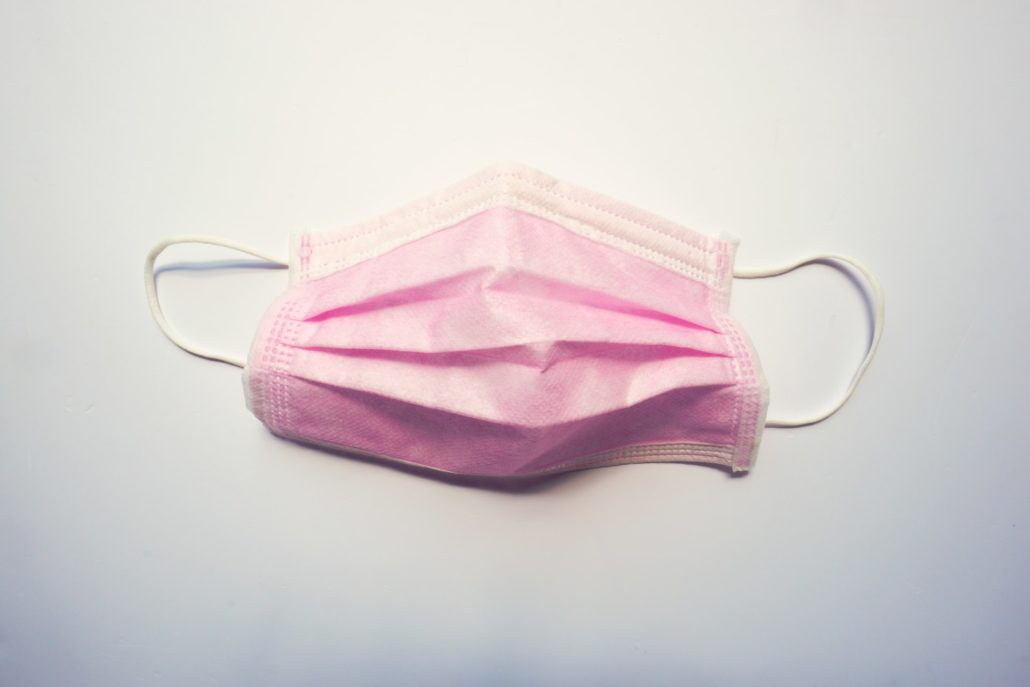
Copper Fresh, a company found in Johannesburg, South Africa, is developing pink copper face masks that will help slow the spread of disease and safeguard people’s health. But, with these specific face masks, it is not just about a color change from blue to pink, it is about the mask material. These masks are made out of copper — the reason why the masks have a light red or darker pink color to them — and because of this, the mask can sanitize itself and kill COVID-19 on its surface.
Benefits of Copper
According to IT News Africa, copper is known to kill a variety of diseases “like MRSA, E.coli, Influenza A as well as norovirus. Moreover, according to the University of Cambridge, “copper and alloys that contain up to 58% copper are effective in killing microbes on furniture and equipment in hospital wards.” While the mask is not fully made out of copper, it has the capability to fend off multiple diseases including COVID-19. Dean Lazarus, a co-founder of the company, explains how these copper face masks beat a normal blue medical mask. “[Copper Fresh] mask kills viruses and bacteria. Whereas your traditional blue mask doesn’t. So, if you take your mask off and then put it back on again, you are still carrying the virus with you,” states Lazarus.
According to Business Insider, Copper Fresh partners with Israel-based MedCu Technologies, a company that makes “fabric infused with copper oxide for paramedics to dress wounds at accident scenes.” This fabric is made by mixing together cloth and copper oxide, which is done by placing copper oxide into the fabric at a “microscopic level on a conveyer belt system.” This new fabric then ships to Johannesburg, where Copper Fresh produces the masks.
Hope Amid COVID-19
Due to the socioeconomic consequences of COVID-19, the chances of households moving into poverty are greatly increasing. The risk of falling into transient poverty is increasing by 17% while long-term poverty is increasing by 4%. The chance of escaping poverty has decreased by more than 5%, according to the Milken Institute.
Now, thanks to Copper Fresh and its innovative new face masks, Africa is one step closer to lessening the number of new COVID-19 cases and helping people rise out of poverty. Not many people would think a mask that has an “N95 filter between two sheets of the copper material” would be so beneficial, but Copper Fresh is ambitiously proving this possible. With almost 50,000 masks made per day selling at R25 each, or just less than $2, plenty of Africans can benefit from this revolutionary technology. Copper Fresh masks symbolize more than just protection — they inspire hope.
– Matt Orth
Photo: Unsplash

Effective Altruism Offers a New Perspective on Ending Poverty
What is Effective Altruism?
The basic idea is simple. There are many things a person can do to improve the world. An individual can donate to charities, volunteer or support positive government action. Effective altruists, however, believe that it is not just a matter of doing good wherever it is most convenient. Take charities, for example. Some causes achieve their goals more efficiently than others. Donating $10,000 to an emergency surgery fund might save one life. But, donating that same money to a group that, for instance, teaches impoverished children how to read, could have a vastly greater effect. One of the issues effective altruists care the most about is global poverty.
Global Poverty: A High-Priority Cause
Addressing poverty is one of the most cost-effective and reliable ways to reduce suffering. Unlike some other issues, global poverty is a problem with proven solutions. Over the past 40 years, extreme poverty rates have dropped from 42% to less than 10%. With such a successful track record, it is easy to imagine that future efforts to reduce poverty will continue to pay off.
Looking at the measures taken on the ground, it is not difficult to see how a little money can have a big impact in solving global poverty. Parasitic diseases, for instance, are a huge drain on wealth and stability in large parts of the developing world, but they can be cured with a pill that costs less than a dollar. Mosquito nets are just as affordable, with the ability to protect more than half a million potential malaria victims a year.
Prioritizing Maximum Impact
According to effective altruism, it is not enough to devote time or money to a cause that generally has a good track record. An individual must look at exactly where their money is going. Even poverty-reducing measures have significant differences in efficiency and results. For example, a recent study compared the cost-benefit ratios of sustainable livelihoods graduation programs, livelihood development programs and cash transfers. Although graduation programs tend to cost more, they have far greater long-term success in lifting people out of poverty.
People are becoming far more conscientious of the causes and charities to which they choose to devote their time and money. Effective altruism is emerging in this environment. GiveWell, an effective altruism organization, analyzes the progress reports of well-known charities and conducts independent investigations into their effectiveness.
GiveWell is not afraid of courting controversy either. GiveWell recommends that individuals stop giving to some of the most well-known poverty reduction charities. According to GiveWell, these organizations lack transparency, show unimpressive results or already have more funds than they can effectively use. In the spirit of effective altruism, GiveWell instead recommends a list of alternate organizations that can fulfill similar goals far more efficiently.
Considering Effective Altruism
Effective altruism, as well as philosophically-related organizations like GiveWell, are not without critics. Some, particularly those involved with more traditional models of charity and activism, argue that effective altruism puts too many limits on an individual’s ability to donate however they choose. But, such criticisms notwithstanding, effective altruism offers a fresh perspective on how to approach pressing issues like global poverty.
– Thomas Brodey
Photo: Wikimedia
The Ainu Association of Hokkaido Supports Japan’s Indigenous People
A History of Hardship
The Ainu people’s current circumstances of poverty come from a history of colonialism. During Japan’s Meiji era, which lasted from 1868 to 1912, the Japanese government prioritized settlers’ land rights and disregarded the Ainu’s rights. This disrupted the livelihoods and economic activities of Japan’s indigenous people, who largely relied on fishing salmon and hunting deer. A greater effort to strip the Ainu “of their culture and traditions” took root as well. As part of the government’s forced assimilation efforts, the Hokkaido Aborigine Protection Act of 1899 encouraged Ainu people to shift to an agriculture-based economy, but the land they were relocated to was known to be largely barren.
Japan’s indigenous people are still marginalized. Many reside in lower-income areas of Hokkaido. According to CNN, “High levels of poverty and unemployment currently hinder the Ainu’s social progress.” As of 2013, 44.8% of the Ainu received welfare assistance from the government, 11.7% more than Japan’s total population. Relatively few Ainu attend institutions of higher education.
Support for the Ainu
Founded in 1946, the Ainu Association of Hokkaido exists to advocate for Ainu rights. In an interview with Minority Rights Group International, Ainu Association of Hokkaido Deputy Head Yupo Abe said that, for many years, Ainu people did not know that the government was exploiting them. This was because their indigenous identities went unacknowledged and many did not have education regarding land entitlement. It was only until the Ainu Association of Hokkaido met with other organizations doing similar work for indigenous groups that it realized the Ainu needed to reclaim their culture and fight for their rights.
Discussions with other native people who had experienced similar cases of discrimination led the Ainu Association of Hokkaido to utilize various platforms. This includes the United Nation’s Working Group on Indigenous Populations. The group lobbied for concrete actions from the government to improve the lives of Japan’s indigenous people.
Pushing for Progress
With the establishment of the Advisory Council for Future Ainu Policy in 2008 and the Council for Ainu Policy Promotion of 2009, the Ainu Association of Hokkaido has had some success in bettering conditions for the indigenous of Japan. A shifting focus to Ainu cultural awareness also stands as a positive trend. Driven by Ainu pressure and economic desire, the Japanese government spent at least $220 million building the Symbolic Space for Ethnic Harmony in Shiraoi, Hokkaido to honor Ainu culture. Though the pandemic led to many delays, the museum and park opened in July 2020.
Some still recognize the need for more work. Hokkaido University law professor, Kunihiko Yoshida, expressed in a BBC interview that the space is not likely to create meaningful change. “The Ainu still cannot fish their salmon and dams are still being built that submerge sacred sites. There’s no self-determination, no collective rights and no reparations. It’s just cultural performance,” he said. However, some Ainu believe that the project is beneficial because of job creation, which could potentially lift some out of unemployment and poverty.
As the ethnic minority of Japan, the Ainu people still struggle with discrimination in multiple ways. At the same time, growing cultural awareness and action suggests a broader desire for change. The Ainu Association of Hokkaido supports the Ainu community, and in time, steps toward progress might spark a national journey toward change.
– Safira Schiowitz
Photo: Flickr
Advancing Local Dairy Farming in Nigeria
An Overview of Nigerian Dairy Farming
Most dairy farmers in Nigeria work on small, pastoral farms. Many of these farms focus on meat, with milk as a byproduct rather than the main focus. Additionally, cows in Nigeria underperform in comparison with cows worldwide. While Nigerian cows produce “less than one liter of milk” per day, cows worldwide produce dozens, with some countries reaching 100 liters of milk per day. While this situation currently hurts local dairy farming in Nigeria, it also provides an opportunity. As a pastoral sector, the economic benefits of increased efficiency can bring these individual farmers out of poverty, lifting their communities up with them.
The Goals of ALDDN
ALDDN is taking a six-pronged approach to improving local dairy farming in Nigeria. The program focuses on farmers’ organizations, rural infrastructure, productivity, promotion of financial inclusion, education and public advocacy. By focusing on productivity improvements, ALDDN looks to increase milk volumes to international levels, increasing farmers’ revenues tenfold. The program also looks to build rural infrastructure to allow these farmers to sell their milk on the market. Much of the program focuses specifically on female dairy farmers who face financial exclusion. ALDDN aims to reach 210,000 beneficiaries, with 120,000 trained in modern dairy farming practices. The program also looks to train 50 veterinarians to help ensure the health of milk cows.
The Impact of ALDDN
ALDDN has already made an impact on Nigerian dairy farming. Arla Foods, a Danish dairy company with operations worldwide, has started constructing a dairy farm in rural Northern Nigeria in partnership with the ALDDN program. The facility aims to help 1,000 local dairy farmers, with space for 400 cows and 25 live-in workers.
Since the project began, much attention has fallen on the Nigerian dairy industry. Government-sponsored studies have recently shown the extent of inefficiencies in local dairy farming in Nigeria. Now, solutions championed by ALDDN have appeared in local magazines, with efforts across the dairy industry to modernize. Some focus on using technology to more efficiently milk cows while others focus on selectively-bred cows to produce more milk.
Efforts From Others
Other NGOs and governments have pitched in to help the Nigerian dairy industry. The United States recently donated pregnant Jersey cows to help boost milk production, hoping that in a few generations, these cows can help provide increased milk production. Additionally, FrieslandCampina WAMCO is working with communities to increase milk production. By introducing cross-breeding, the company saw a hundredfold increase in production in its Oyo milk facility, which is open to smallscale artisan farmers.
With all of the improvements and focus on local dairy farming in Nigeria, the future looks bright for this industry. More efficient cows, better rural infrastructure and better agricultural practices can help lift farming communities out of poverty, giving opportunities to those in rural communities who are commonly left behind.
– Justin Morgan
Photo: Flickr
Empowering Survivors of Human Trafficking in Cambodia
Human Trafficking in Cambodia
At this time, Cambodia is backsliding in its progress in the fight against human trafficking. According to the U.S. Department of State’s 2021 Trafficking in Persons Report, Cambodia ranks as a Tier 2 Watch List country because it “does not fully meet the minimum standards for the elimination of trafficking but is making significant efforts to do so.” However, Cambodia has remained on this ranking for three years in a row, indicating stagnation in human trafficking progress. On top of “insufficient government oversight and accountability measures,” the main inhibitors of progress are the lack of investigations by officials, inadequate government protection services and ineffective judicial monitoring, among other issues. Ultimately, the systems in place tend to enable traffickers rather than punish them.
The Work of Chab Dai in Cambodia
Over the past 15 years, Chab Dai has worked to combat human trafficking in Cambodia by bolstering education initiatives about sexual abuse and human trafficking. The organization also trains authorities and healthcare officials on how to respect and support survivors. Additionally, Chab Dai advocates directly for policy changes in the Cambodian government and provides free legal support to survivors of human trafficking in Cambodia. The nonprofit helps to bring trafficked people back to their home countries and provides counseling as victims try to return to their normal lives. Furthermore, Chab Dai has a strong focus on helping survivors make a living, form healthy relationships in their personal lives and heal from their trauma.
The Butterfly Project
As part of its reintegration work, Chab Dai conducts research based on interviews with survivors of human trafficking in Cambodia. All of the collected anti-trafficking research forms part of The Butterfly Project, which began in 2010. The organization publishes routine reports on how to successfully heal, recover and return to society after being sex trafficked. Moreover, the project guides experts, law enforcement, doctors and other nonprofits on how to best help survivors.
The research includes two to three interviews a year with 128 survivors of human trafficking in Cambodia. The 128 interviewees are 80% women and 20% men. Additionally, the interviewees come from many different development programs all run through Chab Dai.
The study promotes holistic care, cultural tolerance in the healing process and religious freedom. So, one of the most prominent findings is the benefits of diverse religious practices. Chab Dai empowers survivors to ask challenging questions of different faiths. This is a proven form of suicide prevention, increased emotional stability and community building as survivors seek a new normal. Because of this, Chab Dai is working to fight religious intolerance among other NGOs working to support survivors.
Looking Forward
Ultimately, Chab Dai’s successes in The Butterfly Project empower survivors to speak up. The research aids consultation with other NGOs on how best to address the unique needs of survivors in the reintegration process. By listening to victims, Chab Dai is able to cater its initiatives to the specific needs of survivors of human trafficking in Cambodia.
– Jaya Patten
Photo: Flickr
The Potential Collapse of Lebanon’s Water System
The Cause of the Water System Collapse
For nearly a year now, Lebanon has existed without a government, according to CNN. Furthermore, the World Bank describes Lebanon’s economic crisis as one of the three worst economic disasters since the mid-19th century. The country’s GDP per capita has plummeted by about 40% and its currency has lost more than 90% of its value since late 2019. As a result, about half the population has slipped below the poverty line.
Yukie Mokuo, a UNICEF representative in Lebanon, tells UNICEF that Lebanon’s water system difficulties due to the economic collapse raise three main issues. First, she emphasized the importance of adequately funding routine maintenance of the public water system, which Lebanon cannot sustain. Second, the problem of non-revenue water, or water that has been lost before it could reach consumers, remains. Last, the state of the power grid and the growing cost of fuel is not positive.
Mokuo also adds that those struggling to get by during the economic crisis will be the most vulnerable to the water system’s collapse. People would have to make hard choices when it comes to sanitation, hygiene and basic water needs.
The Risk and the Need
Mokuo and UNICEF also warn that, without urgent action, essential public facilities will be rendered unable to function. Among the four million people affected, children stand to risk the most. Children’s health and hygiene would take a fall in the wake of such a crisis since the immediate effects would impact overall public health. The country would see an increase in diseases without effective sanitation. In particular, women and young girls would face specific challenges “to their personal hygiene, safety and dignity without access to safe sanitation,” according to Mokuo.
UNICEF requires $40 million a year to adequately support Lebanon’s water system. The fund would work to address supply and maintain adequate levels of clean water for more than four million people. The mission would aim to secure the “minimum levels of fuel, chlorine, spare parts and maintenance necessary.” This would enable the continued functioning of various key systems while safeguarding access and ensuring public operation.
A Plea for Lebanon
Mokuo affirms the importance of the necessary funding to support UNICEF’s mission in addressing Lebanon’s water system collapse. She says, “[W]e will remain steadfast in our support to communities as resources permit, but this alarming situation requires immediate and sustained funding.” She added, “UNICEF stands ready to support, particularly as the global pandemic evolves, to ensure that the most basic right to clean water is met for children and families at this critical time for Lebanon.” As such, UNICEF calls “for the urgent restoration of the power supply — the only solution to keep water services running.” In the meanwhile, UNICEF continues with COVID-19 relief efforts in Lebanon, providing “life-saving services” and supporting the vaccine rollout.
Though the situation remains dire, the commitment of UNICEF signals genuine support that Lebanon can rely on. In an imperfect, developing situation, UNICEF’s focus provides hope that even in the worst case, help stands ready.
– Gene Kang
Photo: Flickr
Impact of Poverty on Jacobabad’s Heatwave
The city of Jacobabad in Pakistan is currently experiencing a heatwave that is “hotter than the human body can handle,” per Ben Farmer in The Telegraph on June 28, 2021. The temperatures can reach up to 52 degrees Celsius, or nearly 130 degrees Fahrenheit. When measured using “wet bulb” techniques, which measure not just heat but humidity, Jacobabad is one of only two places in the world that has crossed a point where humans cannot sweat enough to cool themselves down. Put another way, Jacobabad’s heatwave is something that the human body literally cannot withstand.
Many residents of the city cannot afford air conditioning, and some must venture outside, despite the dangers, because their jobs demand it. Even those who can afford air conditioning are in danger due to frequent power cuts. This means that the impact of poverty on coping with Jacobabad’s heatwave can be life-threatening; the hospitals in the city can fill up with heat-stroke victims during the summer. “People are aware that the heat is getting up and up, but they are poor people. They can’t go anywhere, they can’t leave their places,” Zahid Hussain, a market trader, stated.
New Ways of Keeping Cool
Because of how expensive energy is for many residents, people are finding new ways of keeping cool. For example, roadside stalls sell ice in “10p chunks.” The chunks have been mass-produced in factories across Pakistan; for years as the heat in Jacobabad has continued to rise, so too does the need to escape it. Many markets also sell hand fans, which are far cheaper to produce and buy compared to electric fans.
Hospitals and Energy Access – Solutions
USAID has been active in the city for years, building the Jacobabad Institute of Medical Sciences (JIMS) to provide better medical care. Due to a large number of heatstroke victims, new hospital beds serve as essential assets to the city. The USAID effort also seeks to update infrastructure, building and repairing many health care facilities.
Many organizations are working to combat energy poverty. For example, Sustainable Energy for All (SEForAll) is an organization that works with the United Nations, as well as private companies, to spread energy access to poorer countries. Initiatives address the impact of increasing heat and its possible deadly effects, with SEForAll publishing a story on the Pakistani city of Karachi, which faced similar problems to Jacobabad earlier in 2021. Jacobabad’s heatwave was not a specific focus of the organization; however, by campaigning and advocating for causes similar to it, and trying to bring energy access to cities like it, SEForAll is improving the possibility that Jacobabad’s problems may receive attention.
A New Focus
At the same time, Ben Farmer, when contacted, said there was, to his knowledge, no NGO activity in the city specifically to combat the impact of poverty on coping with Jacobabad’s heatwave. Despite the ingenuity shown by the city’s residents in keeping cool, the problem would still be able to greatly reduce due to foreign aid.
The lack of meaningful aid suggests an unnecessary vacuum in Jacobabad that organizations can fill. While NGO efforts are meaningful, it is key to note that the city’s efforts prioritize citizens and their health. As Jacobabad faces its heat-related challenges head-on, efforts to help must prioritize the people to build on current work toward a safer future.
– Augustus Bambridge-Sutton
Photo: Flickr
Violence Against Rohingya Women
In August 2017, more than half a million Rohingya living in the Rakhine state had to flee to Bangladesh and escape the military’s crackdown on the Muslim minority. As of 2020, approximately 900,000 Rohingya were living in southern Bangladesh in cramped refugee camps with overwhelmed resources. In addition to fearing widespread genocide and ethnic cleansing, some of the Rohingya refugee community also experience gender-based violence and assault. In fact, violence against Rohingya women is quite prevalent.
Sexual Violence Against Rohingya Women
Accusations emerged that the Myanmar military committed widespread rape against women and girls in the months following the initial purge of Rohingya from the Rakhine state as a means of intimidating the population and instigating fear. In an annual watch list of security forces and armed groups suspected of using rape and sexual violence in conflict, the U.N. listed Myanmar’s army in 2018. Responding to the aftermath of the August 2017 violence, Médecins Sans Frontières reported that at least 230 survivors of sexual violence in the camps, including up to 162 rape victims.
Violence from Both Sides
A recent New Humanitarian interview with six Rohingya women found that violence against Rohingya women is prevalent and stems from within the community. Women often experience persecution if they are outspoken about women’s rights or have an education. Women in the camps have reported experiencing harassment, kidnapping and attacks by groups with an affiliation to Rohingya militant groups such as the Arakan Rohingya Salvation Army (ARSA). Further, in 2019, the Office for the Coordination of Humanitarian Affairs (OCHA) launched an effort to empower women through self-organization and engagement in formal and informal decision-making and leadership positions. Now, however, Rohingya women who volunteer for NGOs have recounted how the “night government” or ARSA have threatened to abuse them and evict them from their house if they do not stop their work.
The COVID-19 Pandemic
Further, since the outbreak of the COVID-19 pandemic, humanitarian groups including U.N. Women and UNCHR reported an increase in gender-based violence and child marriages. An International Rescue Committee (IRC) report from January 2021 found that reductions in protection staff led to a decrease in the Rohingya community’s trust of and communication with protection actors and “a vacuum in conflict, mediation and legal services.” In addition, the IRC found that the decision of the Bangladeshi government to suspend gender-based violence prevention programs such as Girl Shine, reduced the number of reports of instances in camps. EMAP and Start, Awareness, Support, Action (SASAI) impacted community awareness and reporting of cases significantly.
Double-Edged Sword
Highly dependent on community volunteers, aid groups are unsure of how to proceed; on the one hand, if aid groups continue to employ women volunteers, they risk endangering these women and making their situation worse. Indeed, in March 2021, days before International Women’s Day, U.N. Women canceled a billboard campaign that was to feature the faces of multiple women leaders as it feared it would cause unintentional harm. However, on the other hand, not employing women means a lack of empowerment and stable income.
In searching for solutions to the growing violence in the camps, many Rohingya have decided to relocate to Bhasan Char, an island in the Bay of Benegal but which is prone to natural weather disasters such as cyclones and storm surges. Since December 2020, 19,000 Rohingya have moved to ‘the floating jail’ as some groups call it. Another proposed solution would be to increase security in the camps, but aid workers fear notifying Bangladeshi authorities of the violence will tighten the already strict restrictions on the Rohingya and infringe on their limited freedoms.
Resilience
Despite such challenges and somewhat problematic solutions, Rohingya women continue to demonstrate resilience. One of the women the New Humanitarian interviewed who started receiving threatening voice messages after she called for women’s equality in an aid organization video, decided to push back and continue posting her video on social media. She claimed that “When someone is speaking courageously, they stop.”
– Annarosa Zampaglione
Photo: Flickr
Vaccine Inequality and Variants
Vaccine Inequality in Africa, Asia and Latin America
Vaccine inequality is no more acute than in Africa. As of September 11, 2021, less than 4% of Africans received full doses of COVID-19 vaccines in comparison to more than half of the population in North America. The leading reason for this is drastic inequality in economic power and state capacity. Not only must countries be able to afford the vaccines but they must also have the infrastructure to administer the vaccines. This task is nearly impossible for countries such as Afghanistan, Mali and Myanmar while embroiled in domestic conflict.
Developing countries are mostly reliant on COVAX, the WHO’s initiative to distribute vaccines equitably, which is struggling to provide the number of vaccines it planned to. This is in part a result of wealthy nations ordering millions of vaccines directly from manufacturers, limiting the supply available to the WHO program before it was up and running. Assistance from and coordination with wealthier countries will be necessary in order to increase global vaccination levels before more variants develop.
Vaccine Inequality and Variants
The Delta variant has been the most important development in the global pandemic in recent months. Originating in India, Delta arose at a time when no one received vaccinations. Since then, it has spread around the world and prompted new lockdowns and countermeasures in countries on every continent. With less than 30% of the world fully vaccinated, there is good reason to believe that Delta will not be the last variant of COVID-19 that the world will see and the Lambda (originating in South Africa) and Mu (from Colombia) variants are already making way across borders.
As long as the majority of the world is unvaccinated, there is a worryingly high chance of the COVID-19 virus continuing to mutate. A sufficiently unique strain could potentially render the vaccine ineffective and reignite the pandemic. The Delta variant’s rapid spread across the globe proves that vaccinating just the domestic population will not bring about a certain end to the pandemic. As the most important factor in determining the rate of mutation is the rate of infection, an international agenda focusing on swiftly expanding vaccine access in order to mitigate the threat of future mutations would also best serve the United States.
US Leadership
The topic prompts the discussion of actions the U.S. is taking to rapidly increase global vaccination rates and whether there is room for more effort on the part of the U.S. In May 2021, the Biden administration voiced its support for abrogating the patents of vaccines in order to facilitate their production in lower-income countries and reduce vaccine inequality.
However, the United States does not have unilateral power to waive patents and the World Trade Organization is unlikely to advance this position. Furthermore, many contend that IP waivers are a poor solution to vaccine inequity. Manufacturing vaccines, especially mRNA vaccines, is a difficult and highly technical process with a small margin for error. Countries must also possess the infrastructure to produce vaccines quickly, safely and in large numbers.
It would be ideal if fixing global vaccine access was as simple as waiving patents, but unfortunately, the matter is more complicated. The United States can safeguard its own interest as well as the world’s interests by addressing the economic inequalities forming the root cause of vaccine inequality. Increasing COVAX funding is likely the most effective way in which wealthy countries can help address the global vaccine shortage while addressing the connection between vaccines and variants in the immediate term.
Donating Surplus Stock
Another way that the United States is helping to increase worldwide vaccination is by donating surplus vaccines. By early September 2021, the U.S. had already donated more than 114 million vaccines, making it the “largest donor of COVID-19 vaccines globally.” The U.S. can continue this trend as the country possesses more than 1 billion surplus vaccines, many of which are destined to expire this summer. Millions of people in Africa and Asia would jump at the opportunity of receiving a vaccination if only their country had the supply to meet the demand.
The most cost-effective way to end the global pandemic is to address the causal relationship between vaccine inequality and variants by providing vaccines to those who would be able to obtain them if not for their country’s economic incapacity. Global vaccination is a non-zero-sum game that demands the whole world’s involvement.
– Will Pease
Photo: Flickr
How Copper Face Masks Help Africans Fight COVID-19
Moreover, due to the deadly virus, GDP growth throughout Africa is expected to slow. But, even with these grim consequences, help is on the way from a brilliant company based in South Africa, Copper Fresh. During the pandemic, healthcare experts encourage people to do three things: wash their hands, socially distance when possible and wear a face mask to prevent the spread of the virus. However, Copper Fresh is not developing just ordinary face masks but rather copper face masks.
Copper Fresh
Copper Fresh, a company found in Johannesburg, South Africa, is developing pink copper face masks that will help slow the spread of disease and safeguard people’s health. But, with these specific face masks, it is not just about a color change from blue to pink, it is about the mask material. These masks are made out of copper — the reason why the masks have a light red or darker pink color to them — and because of this, the mask can sanitize itself and kill COVID-19 on its surface.
Benefits of Copper
According to IT News Africa, copper is known to kill a variety of diseases “like MRSA, E.coli, Influenza A as well as norovirus. Moreover, according to the University of Cambridge, “copper and alloys that contain up to 58% copper are effective in killing microbes on furniture and equipment in hospital wards.” While the mask is not fully made out of copper, it has the capability to fend off multiple diseases including COVID-19. Dean Lazarus, a co-founder of the company, explains how these copper face masks beat a normal blue medical mask. “[Copper Fresh] mask kills viruses and bacteria. Whereas your traditional blue mask doesn’t. So, if you take your mask off and then put it back on again, you are still carrying the virus with you,” states Lazarus.
According to Business Insider, Copper Fresh partners with Israel-based MedCu Technologies, a company that makes “fabric infused with copper oxide for paramedics to dress wounds at accident scenes.” This fabric is made by mixing together cloth and copper oxide, which is done by placing copper oxide into the fabric at a “microscopic level on a conveyer belt system.” This new fabric then ships to Johannesburg, where Copper Fresh produces the masks.
Hope Amid COVID-19
Due to the socioeconomic consequences of COVID-19, the chances of households moving into poverty are greatly increasing. The risk of falling into transient poverty is increasing by 17% while long-term poverty is increasing by 4%. The chance of escaping poverty has decreased by more than 5%, according to the Milken Institute.
Now, thanks to Copper Fresh and its innovative new face masks, Africa is one step closer to lessening the number of new COVID-19 cases and helping people rise out of poverty. Not many people would think a mask that has an “N95 filter between two sheets of the copper material” would be so beneficial, but Copper Fresh is ambitiously proving this possible. With almost 50,000 masks made per day selling at R25 each, or just less than $2, plenty of Africans can benefit from this revolutionary technology. Copper Fresh masks symbolize more than just protection — they inspire hope.
– Matt Orth
Photo: Unsplash
Jaguza Farm Helps African Farmers Improve Productivity
What is Jaguza Farm?
Jaguza Farm is an agriculture-tech company bridging the gap in multiple countries. It aims to deliver services and solutions to small farmers who lack the information needed to improve their productivity. With help, these farmers can enhance their agricultural processes and techniques to rise out of poverty. Hoping to help local farmers allocate their resources more efficiently and become more productive, Ronald Katamba and Christine Kihunde Kiiza co-founded Jaguza Tech Uganda Ltd. and created the Jaguza Livestock App. The Jaguza Farm monitoring system provides data-driven solutions by allowing farmers to track and monitor their livestock. At the same time, farmers receive animal health data, possible outbreak alerts and educational content on agricultural techniques.
How Does Jaguza Innovate?
By combining data science, expert agricultural knowledge and machine learning, Jaguza helps customers manage their herds and finances and keeps track of their inventory on one accessible and easy-to-use app. Aware that many farmers and users are located in rural areas and do not have access to the internet, Jaguza allows users to use “USSD Code and SMS” platforms to access Jaguza services. Hence, services can be accessed and used offline or online to remove barriers of accessibility that commonly plague rural farmers.
The Jaguza app meets its goals in various ways. After tagging a cow’s ear with a smart monitoring device that is noninvasive and solar-powered, the system gives recommendations on how to increase milk yields, improve reproduction rates and detect illnesses. Developing more strategies, Jaguza also points to drone technology as a way to work in conjunction with data-tracking and herd-managing strategies. In addition to tracking livestock and preventing livestock diseases, Jaguaza Farm allows users to buy livestock and equipment through its app, learn about the local livestock market and access affordable vets.
Utilizing Farm Software
Jaguza Farm allows more than 18,000 users to download its free software onto any smartphone or device. Then, users can import and manage livestock excel spreadsheets and project birth and production rates. Moreover, possibilities include the ability to set up and monitor alerts and access satellite maps to view weather forecasts.
The Jaguza Farm Software allows African farmers to track animal databases through ear tag and sensor numbers. This technology allows farmers to keep health records to plan for long-term and short-term decisions instantly on the navigatable Jaguza cloud server. Ultimately, Jaguza software allows thousands of farmers the chance to better allocate their resources and increase their revenues.
Recognizing Impact and Potential
Currently impacting farmers in 13 different countries, Jaguza has helped its clients see an increase of 35% in their livestock production. Helping accelerate e-agriculture entrepreneurship for growth and job creation in Africa, Jaguza won the 2019 Pitch AgriHack competition, which recognizes young entrepreneurs who work to create a more sustainable economy in the region. The United Nations in Uganda also selected Jaguza Farm as the most innovative startup in 2014. The organization’s efforts were also recognized by IST Africa, the Ashoka Organization and Ikea Social Entrepreneurship.
Providing farmers with innovative and accessible tools improves conditions for countless people. As Jaguza Farm continues to work on behalf of African farmers, a measurable impact in the region becomes more recognizable as farmers are able to rise out of poverty.
– Carolina Cadena
Photo: Flickr