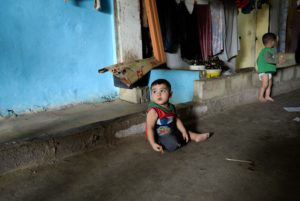
 Lebanon’s first “poverty-targeted social assistance” program, the National Poverty Targeting Programme (NPTP), created in 2011, works to directly impact impoverished households in Lebanon. Lebanon’s Ministry of Social Affairs (MoSA) and the Presidency of the Council of Ministers (PCM) established the program.
The NPTP’s Partnering Organizations
The NPTP in Lebanon works alongside various other outside humanitarian organizations, including the World Food Programme (WFP), the World Bank and the UNHCR. The WFP, specifically, has been working alongside the NPTP since 2014, supplying food-restricted money transfers, “redeemable in WFP contracted shops.”
Problems Facing Lebanon
The money transfers are valued at $20 per person per month along with a supplement of $25 per household per month. This benefit has been especially useful for the country’s most vulnerable populations who are struggling amid rising food prices and other economic challenges. Specifically, the Lebanese pound has dropped in value by nearly 95% since 2019 resulting in a severe increase in the cost of living. Additionally, the gross national income of Lebanon has decreased by over 50% in the last four years.
As purchasing power falls and the cost of living rises, the number of affected households does too. By the end of 2021, over 50% of the population required assistance to access basic needs. By the second half of 2021, food insecurity in Lebanon reached nearly 50% and severe food insecurity doubled, according to WFP Lebanon.
Some Statistics Regarding the Affected Population
Of the total 237,000 recipients of the NPTP’s support in 2022, over 10% are illiterate and were never enrolled in an educational institution. Over 34,500 recipients of aid are disabled to an extent. Additionally, less than 6% of beneficiaries own a car and 99.7% of beneficiaries do not own a computer. Nearly 60% of beneficiaries do not own their current place of dwelling.
According to the UNHCR, of the estimated 1.5 million Syrian refugees living in Lebanon and 90% of them live in extreme poverty.
Successes of the NPTP to Date
According to statistics published by the NPTP in Lebanon, the program directly benefited roughly 430,000 households in 2022, including 11,000 people above the age of 64 and 22,500 children 5 years and younger, according to the Presidency of the Council of Ministers.
Along with assistance provided by the WFP, as of October 2022, the NPTP in Lebanon has reached 64,000 households with monetary transfers and expects to reach as many as 75,000 by the end of the year. This is a significant increase in distribution since the inception of this collaboration, compared to 2014 when only 5,000 households received assistance from the NPTP.
The UNHCR has also aided the NPTP in Lebanon by providing shelter rehabilitation support to the most severely affected people.
How the NPTP Continues to Improve
Importantly, the National Poverty Targeting Programme in Lebanon has not only increased the scale of its assistance since 2014, but it has also worked to ensure that the method of assistance remains the most effective for those in need. For example, because of the current economic crisis, the MoSA has modified the traditional method of food assistance from the distribution of food baskets to food-restricted cash, as providing higher-value cash allows beneficiaries to purchase more food over a longer period of time, WFP Lebanon reports.
– Chris Dickinson
Photo: Flickr

Improving Access To Sex Education in Malaysia
According to the 2022 United Nations World Economic Situation and Prospects report, Malaysia is listed as an upper-middle-income developing country. However, a large proportion of the country’s population is still struggling with not only absolute poverty but also relative poverty as well as increasing inequalities. Those with low socioeconomic status (SES) have less access to healthcare, which increases their vulnerability to Sexually Transmitted Infections (STIs) and other diseases. Although subjective, factors like income, financial security and educational attainment can determine SES. Economic inequality can impact STI preventative information, infection rates and treatment accessibility. This is where sex education in Malaysia can play an important role in preventing STIs and other reproductive health issues.
The Importance of Sex Education
Between April and May 2022, Durex Malaysia conducted a nationwide Sexual Health and Intimate Wellness Survey online to study Malaysian youths’ knowledge of sexual health. This study surveyed more than 1,000 Malaysians between 18 and 30 years old. The survey found that Malaysian youths are engaging in more sexual relations at 35%. This is an increase from the last 2016 Durex survey which indicated 18.8%. The findings highlighted gaps and misconceptions in their understanding of STIs and women’s reproductive health. The United Nations Population Fund (UNFPA) defines comprehensive sex education as a “rights-based and gender transformative approach” that is taught inside and outside schools. Educators teach it over several years by taking into account age-appropriate information for young people. UNFPA notes that sex education should discuss culture, gender roles, relationships, family life, human rights as well as bodily autonomy and threats such as sexual abuse and discrimination.
Engaging young people in exploratory discussions helps them to understand and develop positive values about their sexual and reproductive health and rights. Organizations like UNFPA work with governments to apply sex education through community training and outreach. It also advocates for policies and investments for internationally standardized programs. In 2018, the agency published “International technical guidance on sexuality education: an evidence-informed approach.” It acts as a tool for curriculum developers to create comprehensive sexual education curricula as UNFPA described. Schools do not have a comprehensive sexual education curriculum in Malaysia.
Sex Education in Malaysia
There was a 2011 study that analyzed schools’ coverage of sex education in Malaysia. Respondents of the study stated that the effectiveness of instruction depended on the teachers themselves. Ninety-five percent of the respondents expressed vague teaching processes regarding sex education. This is due to incomplete coverage of topics or ineffective teaching methods. Sexual education in Malaysia is most commonly delivered through biology and Islamic study classes. These classes cover physical adolescent development, reproductive development and sex in an Islamic context. Most of the criticisms regarding sex education as taught in Malaysia’s schools stemmed from the lack of a comprehensive syllabus. STIs and HIV/AIDS continue to affect many people in Malaysia.
STIs and Efforts to End HIV/AIDS
A Malaysian medical lifestyle application named Cleadoc reported that the top three common STIs in Malaysia are syphilis, gonorrhea and HIV. There were approximately 82,000 adults and children living with HIV in Malaysia as per the statistics provided by the Joint United Nations Programme on HIV/AIDS (UNAIDS). In 2017, UNAIDS set up “90-90-90”, an ambitious treatment target to help end the HIV/AIDS epidemic by 2020. UNAIDS document mentioned achievable targets stating that 90% of people living with HIV would be aware of their HIV status by 2020. Another 90% of patients with a diagnosed HIV infection would have received sustained antiretroviral therapy by 2020. It also stated that 90% of those who were receiving antiretroviral therapy would have their viral load suppressed by 2020.
As reported in the 2021 Global AIDS Monitoring Report that the Ministry of Health Malaysia’s HIV/STI/Hepatitis C Section produced, there were more than 153,000 reported cases of HIV/AIDS in 2020. The cumulative number of deaths related to HIV/AIDS was 45,450. Malaysia’s progress toward the 90-90-90 treatment target was 87-58-85 respectively. However, organizations in Malaysia have been actively advocating to improve access to sex education.
Advocating For Access to Sex Education
UNFPA works with the Federation of Reproductive Health Associations of Malaysia (FRHAM), one of the country’s three main sexual and reproductive health (SRH) program implementation partners. This partnership focuses on hard-to-reach populations with the help of health screenings, tests, contraceptive access services and general sexual/reproductive advisement. The service-based nonprofit, FRHAM is the leading non-governmental organization (NGO) in Malaysia that also advocates for SRH. It promotes access to information and services on sexual and reproductive health and rights (SRHR). FRHAM also conducts workshops, training and exhibitions to engage with specific target groups to help develop knowledge and skills as “peer educators.” Organizations have been teaming up to improve false perceptions of SRH in Malaysia.
Steps to Improve Sex Education in Malaysia
After Durex conducted its first survey, it teamed up with the Women’s Aid Organization (WAO), FRHAM and AISEC Malaysia to help correct the false perceptions regarding SRH among young Malaysians. Alongside Durex, the government launched an awareness and education campaign in 2013 called Choose2Protect. It was the first program of its kind for youths to educate one another. They receive training on issues concerning reproductive health, including the dangers of STIs. They also receive soft skills training that allows them to share knowledge in culturally and religiously sensitive contexts. The program emphasizes the importance of remaining non-discriminatory and non-judgemental.
The results of the 2022 Sexual Health and Intimate Wellness Survey were revealed with a #COMETOGETHER campaign which promoted open conversations on sex amongst the Malaysian public. The goal was to inform the public with accurate information and help them make informed decisions. This occurred through question-and-answer social media posts, workshops at higher-educational institutions and an “A-Z Pleasure Guide” that influencers and health experts developed. Some are taking steps to address the lack of comprehensive sex education in Malaysia. Organizations like UNFPA, FRHAM, WOA, Durex and the government are working together to close the gaps.
– Aishah French
Photo: Flickr
Cholera Outbreaks in Lebanon
As of November 4, 2022, Lebanon has reported 18 deaths and more than 400 others infected with the notoriously contagious digestive disease, cholera. The World Health Organization (WHO) has classified the disease as a global threat to “public health.” Because the disease is so virulent, it has the ability to affect hundreds of people at once if spread through sewer and water systems within a community.
Current State of Lebanon
Since July 2021, the economic crisis in Lebanon seems to be one of the worst in the world since the 1800s. Banks are beginning to freeze withdrawals. As hospitals and pharmacies began to run out of medication and services to provide patients, the health of not only the people but also the economy began to take a dark turn. As of 2020, approximately 1.7 million refugees could be residing in Lebanon in extremely close-contact, low-budget camps. Furthermore, as of late 2019, “approximately three-quarters of Lebanon’s population” lived below the poverty line.
What is Cholera?
Cholera is a disease that spreads through the ingestion of food or water contaminated with the bacterium. The disease causes infected persons to experience a harsh acute diarrheal infection, eventually leading to severe dehydration. It can kill in hours if left untreated. The World Health Organization has reported that cholera transmission is “closely linked to inadequate access to clean water and sanitation facilities.” Commonly referred to as a “disease of poverty,” cholera outbreaks typically affect the world’s poorest people due to a lack of public sewage systems. As a result, human waste can mix with water that people use for drinking and cooking.
Cholera Outbreaks in Lebanon
After almost 30 years without a single case, cholera has re-appeared in Lebanon following a recent outbreak in Syria. Syria has recently reported more than 20,000 suspected cases and 75 deaths. There has been a high influx of Syrian refugees traveling to Lebanon. Consequently, the transition of the disease most likely occurred because of high population densities within the refugee camps. Reporter Daniel Stewart writes that the increase in cholera outbreaks is “mainly due to increased flooding, drought, conflict, migration and other factors affecting access to clean water.”
A Disease Linked to Poverty
In his research published in the National Library of Medicine, Arturo Talavera wrote that cholera outbreaks are key indicators of social development within a region. Cholera outbreaks remain a serious challenge in countries where people do not have assured access to safe drinking water and adequate sanitation. Talavera explained that cholera outbreaks affect low-income countries more than middle or high-income countries. Economic development is an important factor in determining how deadly an outbreak may be.
Solutions to the Cholera Outbreaks in Lebanon
Thankfully, France is delivering vaccines to Beirut. However, the World Health Organization warns that if not curved soon, the disease may begin to spread more rapidly. French Ambassador Anne Grillo explains that the recent cholera outbreaks in Lebanon are “a new and worrying illustration of the critical decline in public provision of access to water and sanitary services.”
The key to stopping cholera outbreaks is to provide communities with water security. Furthermore, vaccines can drastically curve the contraction of the disease. As more than 13,000 doses have already arrived in Lebanon with more to come, hopefully, Lebanon will be able to halt the spread of the disease with the help of foreign aid.
– Opal Vitharana
Photo: Flickr
How the G8 Action Plan Will Tackle Money Laundering
At the G8 summit in 2013 that took place in Lough Erne, Northern Ireland, the leaders of the eight nations committed to a number of measures aimed at preventing the use of businesses and legal arrangements that promote money laundering, tax avoidance and tax evasion, including the G8 Action Plan.
Financial Crime and Poverty
Between April and July 2021, when the rest of the globe was in upheaval, billionaires’ wealth surged by 27.5%, even during a pandemic. Reliable estimates indicate that between $20 billion to $40 billion is stolen annually from developing nations, undermining economic growth and depriving those who need public services the most.
According to a U.N. panel study asking for a global crackdown, systematic tax violations, corruption and money laundering are keeping billions of people around the world impoverished. It claimed that up to 10% of the world’s wealth may be stashed away in offshore jurisdictions at a time when governments are facing mounting budgetary difficulties due to the COVID-19 pandemic and rising inequality. According to a panel of international presidents, governors of central banks and representatives of business and civil society, criminals launder up to 2.7% of the global GDP annually.
The Impact of Transfer Mispricing and Money Laundering on Poverty
According to the OECD, annual tax haven losses in developing nations could be three times greater than annual foreign aid inflows. As an illustration, through transfer mispricing, the Democratic Republic of the Congo (DRC) sold state-owned mines for an incredibly cheap price to anonymous “shell” corporations in the Virgin Islands, only to be sold on to major listed businesses at their market price. Such transactions cost the DRC $1.35 billion USD, which is double the nation’s budget for health and education in a place where 71.3% of the population currently lives in poverty.
Developing nations thus lack the public resources that would give people access to food, healthcare and education to help them escape poverty. Money laundering, on the other hand, has detrimental effects on the economies of developing countries through escalating crime and corruption, lowering foreign investment, weakening financial institutions, compromising the economy and private sector, thwarting efforts at privatization and losing tax revenue. All of the effects are the bricks shaping the foundations of poverty.
G8 Actions Against Financial Crimes
The G8 Action Plan calls for greater disclosure of a company’s ownership and financial details, particularly when it comes to shell corporations that help launder money from questionable sources. The nations vowed to pursue laws that can undergo robust enforcement and have support from “effective, appropriate and deterrent sanctions.”
Now that nations have made the promises that the declaration outlined, each nation will publish a national action plan outlining the specific steps to take. The G8 Action Plan supports the following key concepts that are essential to the openness of ownership and management of businesses and legal structures, subject to our varied constitutional situations and the recognition that a one-size-fits-all approach may not be the most effective.
G8 Financial Crime Principles
Looking Ahead
G8’s agenda has enhanced the opportunity to advance the plan that will address illicit finance at the Lough Erne Summit despite the fact that the effects would take time to materialize. The G8’s ability to cooperate in order to launch ground-breaking international projects will determine the degree of success, though. Enhancing financial transparency, good governance, information exchange and accountability must be the main goals of these projects because doing so will significantly reduce the likelihood of criminals being able to access the global financial system.
– Karisma Maran
Photo: Flickr
Snakebite Envenoming in India
Lack of Treatment
Snakebite envenoming in India can cause long-term complications in victims such as deformities, visual impairment, renal complications, psychological distress, amputations and even death. Around 46,900 people die due to venomous snakebites in India annually. These numbers are colossal, especially when compared with countries like the United States and Australia, which report 10 to 12 deaths each year due to venomous snakebites.
Most deaths from poisonous snake bites are preventable and can be mitigated through community awareness. Unfortunately, very few cases of snakebite envenoming in India from 2000 to 2019, were treated by government hospitals. Traditional faith healers are the ones who often examine snakebite patients. Snakebites are likely to be the most neglected tropical disease according to Study Protocols for Knowing the Incidence of Snakebites.
Snakebites are generally not given proper care and treatment because it is considered to be “a poor man’s disease,” mainly inflicting impoverished farmers and their families in rural villages, Kempaiah Kemparaju, a biochemist at the University of Mysore in India who studies snake venom told Nature.com.
Research Studies
The Registrar General of India (RGI) oversees the world’s largest study of mortality in India due to snakebite. The study explains real data on snakebite cases, mortality, the number of deaths and the socioeconomic impact of snakebites. This study will help better understand and regulate the control of anti-venoms and the protocol of their distribution in a country. The study claims. “The epidemiology and economic data on snakebite [are] also essential for advocacy, recognition and fund allocation by the Government for the mitigation of snakebite in India.”
Final Thoughts
It is rather inexpensive and economical to spread awareness of best practices for those at higher risk of snake envenomation. Christian Medical College (CMC) has a poison control center located in Vellore, South India. The center offers resources to the surrounding village communities for preventing snakebite envenoming in India and performing first aid. A team of nurse educators, medical trainees and doctors visit the homes of villages of patients and assess the factors that increase the risks of encountering a snake bite. This is an opportunity to provide the village with important information on how to avoid snakebites.
The CMC also hosts an annual Snake Bite Survivor meeting where survivors can learn from their peers and their personal experiences. Since 2019, the meeting has taken place virtually, therefore, allowing people from all over India to be able to participate.
– Kiara Finch
Photo: Flickr
How the Byrraju Foundation is Transforming Rural Areas in India
India used to be one of the world’s poorest nations in the past century. However, the country has experienced exponential growth since the turn of the 21st century and is now one of the fastest-growing economies. In the last 20 years, their Gross Domestic Product (GDP) has skyrocketed from approximately $469 billion in 2000 to 3.17 trillion in 2021. Accordingly, the GDP per capita quintupled from $444 in 2000 to $2,277 in 2021. However, this does not necessarily reflect decreased inequalities among citizens. According to the State of inequality in India Report issued in 2022, the top 0.1% and 1% respectively earn 5% to 7%, and 6.82% of national income; while the bottom 50% hold 22% of total national income. Not surprisingly, this disparity affects India’s rural areas the most.
Conditions in Rural Areas
Although there have been significant improvements in living conditions in urban areas in India, there still remain pressing challenges across rural areas in the country. Poverty rates are high, while literacy rates are low. Basic infrastructure for health and education is lacking in addition to transportation methods, which ultimately leaves these regions disconnected from the outside world. Still, people are dying due to diseases due to poor water quality. Regarding the gender gap, one can see the inequality between men and women in the clear disparity in their respective literacy rates: 82.14% of men are literate while that number is almost 17 percentage points lower for women at 65.46%. Moreover, unemployment remains a challenge for rural areas. Increasingly, more young Indians are emigrating from these regions to find employment in urban areas, causing an outflow of talent in these regions.
The Byrraju Foundation
The Byrraju Foundation originated in 2001, in memory of the late Shri Byrraju Satyanarayana Raju, a philanthropist and agriculturist who believed that enhancing the quality of the lives of citizens in rural areas could aid in the development of villages. The Foundation rapidly expanded its operation to cover 200 villages, running 40 diverse programs, touching all aspects of rural life and impacting more than 2 million people. Its mission is “to create and operate a collaborative platform dedicated to rural transformation by systematically leveraging global knowledge, technology and infrastructure,” while doing all it can to involve people and apply knowledge, in order to ultimately make things happen.
Social Impact
The Byrraju Foundation’s social impact programs cover a wide array of sectors. They range from helping in agriculture and farming to providing health and education services. The environmental department provides safe drinking water to villages and helps with sanitation and waste management. Over the course of three years, it is aiming to provide 8.9 million people with 100% access to safe drinking water. Moreover, the organization is placing a focus on disability and women’s empowerment. The latter occurs by promoting young women entrepreneurs by granting them financial assistance and market connections while advising them on how to set up profitable and sustainable enterprises.
What makes Byrraju Foundation stand out is also its investments in technology. Examples include banana fibre extraction units, coconut tree climbing robots or even core rope-making machines. The Foundation is also attempting to bridge the digitalization gap by preparing villages for the reality of the global technological revolution. It is accomplishing this through its DEEP program, otherwise known as its Digital Empowerment and Education Program.
– Alexandra Piat
Photo: Flickr
Disability and Poverty in Morocco
Disability Statistics in Morocco
Census data from 2014 indicates that 4.1% of Morocco’s population had disabilities at the time, equating to more than 1.3 million people. The 2014 data also shows that about 15% of disabled people had a primary school education and 73% of disabled people had not completed any schooling at all. Moreover, 8.5% gained a secondary level education and only 1.5% reached a higher level of education. These statistics highlight the urgency of making education more accessible for those with special needs.
A study led by Abderrazak Hajjioui utilizes data from a national survey conducted in 2014 with about 47,000 adult participants. The study notes an 85% increase in the prevalence of disability from 2004 to 2014, however, this is likely because the 2014 survey uses a “larger screening spectrum of disabilities.” The study found that 9.5% of the surveyed Moroccan population had a disability of some kind. The study noted “a 2.6% prevalence rate of moderate-to-extreme disability, corresponding to 56,323 persons, when extrapolated to the Moroccan adult population.”
Poverty in Morocco
From 2001 to 2014, poverty significantly decreased in Morocco — monetary poverty reduced to 4.8%, the World Bank says. Furthermore, consumption per capita expanded at a yearly rate of 3.3%. However, there are still disparities between urban and rural areas. In urban areas, household consumption grew faster than in rural areas from 2007 to 2014. Therefore, urban poverty rates noted more significant decreases than rural areas.
Moreover, a substantial difference in access to health care services remains. Morocco’s health workers are unevenly distributed between rural and urban areas. Using 2016 data, a Policy Center for the New South (PCNS) paper shows the lack of health specialists in certain areas in Morocco. In some areas, the number of doctors does not correspond to high population numbers, especially in rural communities.
Efforts to Empower Disabled People
Humanity & Inclusion is an NGO that began its work in Morocco in 1993 in partnership with local disability organizations. The organization aims to “promote the inclusion of children and adults with disabilities in society.” The organization has five focal areas: financial inclusion, rehabilitative services, inclusive education and humanitarian efforts that do not exclude those with disabilities. In terms of inclusive education, Humanity & Inclusion’s efforts include “supporting the education of children with disabilities in mainstream schools” and “developing teaching techniques and methods to be inclusive and adapted to disabled children,” its website says.
Morocco’s Minister of Solidarity, Integration and Family, Aouatif Hayar, announced in June 2022 that the department is developing “a new disability assessment system” that will guide Morocco in improving the lives of those with disabilities. Based on “medical and social dimensions of disability,” the system will determine the type and extent of disability and the “rehabilitation, educational or medical programs” suitable for the individual.
By acknowledging the connection between disability and poverty in Morocco, the Moroccan government can
help to improve conditions for people with disabilities.
– Olga Petrovska
Photo: Flickr
Education Reforms in Bosnia and Herzegovina
Direct impacts of these shortcomings were apparent in 2018 data from the Programme for International Students Assessment (PISA) which showed that 15-year-old students from BiH consistently performed below the average proficiency levels across mathematics, reading and science. Data from the same report revealed that the educational standards and development of 15-year-old students in BiH lag three years behind their peers in other OECD (Organisation of Economic Cooperation and Development) countries.
The Reforms
The disruptions during COVID-19 — half a million students were impacted by school closures — presented an opportunity for proactive measures to address inadequacies in education systems. With U.N. support, education authorities assessed existing institutions and then implemented a recovery program, targeting the most vulnerable and marginalized students via a gender-responsive initiative: Re-imagining Education in Bosnia and Herzegovina. The initiative supports public sector education across three administrative units, Republika Srpska entity, West-Herzegovina Canton and Una-Sana Canton, with the overarching aims of developing digital and blended learning facilities across the country, building a resilient education system that is responsive to emergencies and ensuring educational quality and inclusivity.
The advent of digital and blended learning techniques during the pandemic saw many changes in the way education is received, shedding light on the importance of connectivity. U.N. agencies stressed the significance of this in the education reforms in Bosnia and Herzegovina, conducting assessments of the quality of digital learning across all stages of education, and simultaneously addressing the professional development needs of teachers to ensure they are equipped with the digital competency required to provide quality and inclusive e-learning.
The Re-imagining Education initiative funded an information management system in Una-Sana canton in September 2021, supporting the digitization of the education process in the region.
Of note, the Transforming Education Summit in September 2022 saw more than 1,500 representatives from BiH from both the governmental and non-governmental sectors, discussing the problems and proposed changes. Culminating with a drafted declaration, later accepted by education ministers across BiH, this heralds a country-wide policy of education reform and endorsement. Further collaboration with UNICEF and UNESCO is expected to offer support in developing a viable plan of action to achieve the outlined declaration objectives.
The Effects
Within a year of the Reimagining Education initiative, by March 2022, approximately 25% of schools across the country were provided with digital devices and along with it, about 2,500 teachers received training for digital learning.
The efforts could have spillover benefits to other countries. The end of October 2022 saw a joint meeting between Serbia, Montenegro and BiH under the Quality Education for All initiative, where representatives exchanged ideas on their experiences of the current systems, exploring policy reforms and outcomes. The benefit of such collective discourse is significant, offering each country fresh insights into new ways of managing their education systems.
The education reforms in Bosnia and Herzegovina have attracted interest from the European Union (EU) as well. Following extensive support to BiH, the EU is considering strengthening its ties to support further education reforms in Bosnia and Herzegovina through collaboration with local education officials and the U.N. agencies inside the country. Perhaps further success could pave the way for more expansive reforms within the EU, targeting other member states with a struggling education system as well.
Beyond merely advancing the teaching and learning environments of its various cantons, Bosnia has set a powerful example on an international scale, urging other countries with a struggling education system to follow suit, and those with an established one to not get complacent.
– Bojan Ivancic
Photo: Flickr
RHD Among the Aboriginal Community in Australia
In a remote area in north-west Queensland Australia, there have been reported deaths of members of the Aboriginal community. An illness known as rheumatic heart disease (RHD) is claiming the lives of those living in this small population. RHD is an entirely preventable disease that rarely exists among Australians.
Who Contracts the Disease?
Rheumatic heart disease develops as a fever called rheumatic fever that worsens over time. Statistically, young children are most at risk of contracting the disease. Aboriginal cultural consultant Janelle Speed addressed the prevalence of the disease among aboriginals in the Australian Journal of General Practice: “Aboriginal and Torres Strait Islander people in Australia have the world’s highest rates of acute rheumatic fever [ARF]/RHD.”
Symptoms of RHD
An untreated strep throat infection can lead to acute rheumatic fever and can cause irreparable damage to the major cardiac valves causing rheumatic heart disease. Of the more than 5,000 people living with RHD in Australia, 71% are Aboriginal and Torres Strait Islander people. Without the proper diagnoses and treatment, 8,667 Aboriginal and Torres Strait Islander people could develop ARF/RHD by 2031. This could lead to 1,370 severe cases of RHD and 663 to die.
Curing Rheumatic Heart Disease
The Federal Government hopes to eliminate RHD by 2030, however, the Australian Institute of Health and Welfare figures show the disease continues to increase in prevalence. People with RHD normally require ongoing medical care, antibiotic treatment and possibly cardiac surgery. By 2031, it will cost an estimated $273.4 million in medical care to treat the disease.
RHD Research
The End Rheumatic Heart Disease Centre of Research Excellence began its journey in 2014 to provide a robust plan to eradicate RHD in Australia.
Recently, The Queensland Health Minister, Yvette D’Ath, allocated $7.3 million to further research and planning for RHD. Former Federal Health Minister, Greg Hunt, issued a statement claiming, “Working in genuine partnership through shared decision-making and co-design with the Aboriginal community-controlled sector is critical and is the foundation of the new approach to the Government’s Rheumatic Fever Strategy commencing this year [2021–22].”
Hunt also said that the country will spend $25 million on supporting strategies to prevent RHD including an additional $12 million for activities aimed at preventing RHD throughout the country. Moreover, the University of Western Australia is working to develop a Strep A vaccine that will hopefully “accelerate the elimination of RHD.”
Solutions
In order to prevent the progression of ARF into RHD, it is necessary to improve the early and accurate diagnosis of ARF and the delivery of secondary prophylaxis.
The collective experience of clinicians, Aboriginal Community Controlled Health Organizations, government and non-government organizations, and research, means the knowledge now exists to permanently eliminate rheumatic heart disease in Australia.
– Kiara Finch
Photo: Picryl
National Poverty Targeting Programme in Lebanon
The NPTP’s Partnering Organizations
The NPTP in Lebanon works alongside various other outside humanitarian organizations, including the World Food Programme (WFP), the World Bank and the UNHCR. The WFP, specifically, has been working alongside the NPTP since 2014, supplying food-restricted money transfers, “redeemable in WFP contracted shops.”
Problems Facing Lebanon
The money transfers are valued at $20 per person per month along with a supplement of $25 per household per month. This benefit has been especially useful for the country’s most vulnerable populations who are struggling amid rising food prices and other economic challenges. Specifically, the Lebanese pound has dropped in value by nearly 95% since 2019 resulting in a severe increase in the cost of living. Additionally, the gross national income of Lebanon has decreased by over 50% in the last four years.
As purchasing power falls and the cost of living rises, the number of affected households does too. By the end of 2021, over 50% of the population required assistance to access basic needs. By the second half of 2021, food insecurity in Lebanon reached nearly 50% and severe food insecurity doubled, according to WFP Lebanon.
Some Statistics Regarding the Affected Population
Of the total 237,000 recipients of the NPTP’s support in 2022, over 10% are illiterate and were never enrolled in an educational institution. Over 34,500 recipients of aid are disabled to an extent. Additionally, less than 6% of beneficiaries own a car and 99.7% of beneficiaries do not own a computer. Nearly 60% of beneficiaries do not own their current place of dwelling.
According to the UNHCR, of the estimated 1.5 million Syrian refugees living in Lebanon and 90% of them live in extreme poverty.
Successes of the NPTP to Date
According to statistics published by the NPTP in Lebanon, the program directly benefited roughly 430,000 households in 2022, including 11,000 people above the age of 64 and 22,500 children 5 years and younger, according to the Presidency of the Council of Ministers.
Along with assistance provided by the WFP, as of October 2022, the NPTP in Lebanon has reached 64,000 households with monetary transfers and expects to reach as many as 75,000 by the end of the year. This is a significant increase in distribution since the inception of this collaboration, compared to 2014 when only 5,000 households received assistance from the NPTP.
The UNHCR has also aided the NPTP in Lebanon by providing shelter rehabilitation support to the most severely affected people.
How the NPTP Continues to Improve
Importantly, the National Poverty Targeting Programme in Lebanon has not only increased the scale of its assistance since 2014, but it has also worked to ensure that the method of assistance remains the most effective for those in need. For example, because of the current economic crisis, the MoSA has modified the traditional method of food assistance from the distribution of food baskets to food-restricted cash, as providing higher-value cash allows beneficiaries to purchase more food over a longer period of time, WFP Lebanon reports.
– Chris Dickinson
Photo: Flickr
Teacher Shortage in Sudan and its Effect on Poverty
A teacher shortage in Sudan is occurring. More than 6.9 million children do not attend school because of the country’s “lack of sufficient teachers, infrastructure, and … enabling learning environment[s].” However, many more factors play into this shortage of educators and the plunge in school attendance that has taken place in recent years.
Threats Towards Teacher Employment
Many believe that the teacher shortage in Sudan could be a consequence of the South Sudanese Civil War. In July 2011, South Sudan announced its independent statehood from Sudan, sparking a violent war in 2013 and the implementation of the Revitalized Peace Agreement in September 2018. County education director Malish William pins the lack of teachers on the fact that many of the country’s licensed educators escaped to refugee camps in 2016.
However, another factor playing into the lack of educators is Sudan’s economy, as it has struggled immensely since the beginning of the COVID-19 pandemic. The country has lost more than 3,159 citizens due to the pandemic as of December 2021 and the state of the economy has declined especially regarding its “fiscal health and monetary freedom.” Without the funds to send their children to school, many Sudanese families have opted to remove their children from the education system and instead send them directly to work. Arshad Malik, Country Director of Save the Children in Sudan, states that children without access to adequate schooling will cause “more girls and boys will lose their childhoods to [labor], marriage, and other rights violations.”
Many children in Sudan are already falling victim to these effects. Nine-year-old Zahra Hussein dropped out of school after only finishing second grade in order to help her family stay financially afloat. Hussein stated she was third in her class prior to leaving the school, consistently attending class and proving to be an impressive student.
Uncertainties in Educators’ Salaries
The Sudanese government’s declining economic state also leaves salaries as an uninsured luxury for teachers. Many teachers leave volunteer positions for careers with secure payments, forcing many children to miss important lessons because of the lack of educators. An anonymous teacher in Sudan claimed that many teachers leave the field because of the small salary that they are not promised. She explained that an entire year’s work sometimes does not even reach $100.
UNICEF
It is necessary for young children to attend school, where they are able to learn some of their most valuable lessons. Whether it be learning to read, deciphering shapes or meeting new children, education is vital to young minds.
The United Nations International Children’s Emergency Fund (UNICEF) has chosen to do something about this ongoing problem. UNICEF has supported children and working families in Sudan since 1952. The agency’s Humanitarian Response Plan, proposed in 2021, acknowledges the 13.4 million Sudanese citizens that need assistance and suffer in the country’s current economic state. The plan presents solutions that can help provide for those in poverty.
With the help of the Ministry of Education and the United Nations High Commissioner for Refugees, UNICEF will be working to advance the education system in Sudan and boost school attendance rates for refugee children. It plans to educate more than 1,500 students, encouraging the Sudanese government to rebuild schools and promise salaries for its educators.
– Aspen Oblewski
Photo: Flickr