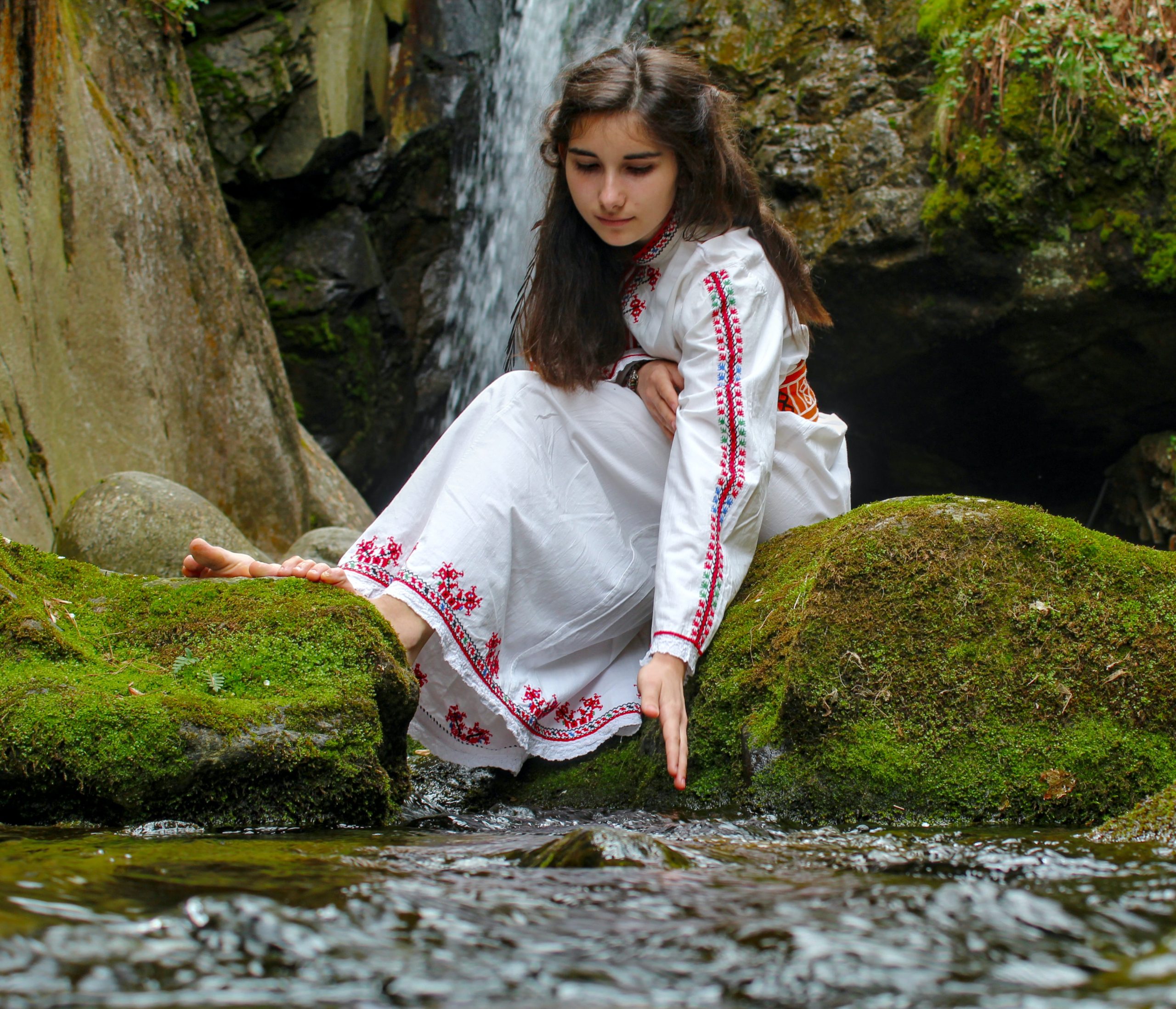
 The struggle for women’s rights in Bulgaria has been ongoing, but the country is committed to achieving complete equality by 2030. Female leaders in Bulgaria are making progress in protecting women from poverty and discrimination. With more women holding positions in parliament, gender equality is becoming a more prominent issue in Bulgaria.
The Current Challenges for Women
Several inequalities and prejudices still affect women in Bulgaria, leaving them vulnerable and disempowered. The Gender pay gap in Bulgaria was 14.4% in 2018, with women earning lower hourly figures, working fewer hours and facing lower employment rates compared to their counterparts.
Women in Bulgaria are more likely to be at risk of poverty at a rate of 25%, compared to men at a rate of 21%. Bulgarian women also earn a mean monthly earning of 1,078 pps (purchasing power standard), compared to men at 1,256 pps. Without adequate financial power, women struggle to access basic human needs, such as rent, food, health care, etc.
The problem is exacerbated by traditional gender roles that dictate that Bulgarian women should be consigned to being “stay-at-home wives” with no opportunity to pursue a career or have a say in the matter. Women are responsible for cooking and house chores in a staggering 73% of households, compared to only 13% for men as of 2022.
All of these issues combined make women’s rights in Bulgaria particularly hard to amend to achieve gender equality. Out of the 240 seats in Parliament, 65 are women (27.1%). Though this number seems low, it ranks 69th in the world for the highest percentage in women’s political representation, just one place behind the U.S. Though women’s rights and gender equality are still a clear issue, the number of women in politics represent a positive sign of better things to come.
The Influence of Female Political Power
The percentage of women’s political representation has risen from 17.6% to 29.4% since the last mandate. This increase allows women to have greater participation and decision-making power in crucial national matters, including passing legislation to support women’s rights and promote equality. The rise of women in politics has led to new legislation that supports women’s rights and addresses gender inequality. With more women in positions of power, there is a stronger focus on tackling gender disparities.
In 2015, the Bulgarian Government agreed to support the upgrading of the National Strategy for the Promotion of Gender Equality. This aims to provide equal treatment, equal access to resources and equal participation in decision-making, as well as promoting gender equality in social, economic and political life. There are also special policies that ensure equal access to professional training, equal participation in the labor market and equal pay for the same work. Overall, the goal is to provide women with more work opportunities and promote the role of the father in families.
Not only is there hope in new legislation and policies, but there is also evidence showing that equality is improving in Bulgaria. In 2022, full-time employment for women was at 46% and 57% for men. In comparison, the rates were 42% and 45% as of 2015 and 2019, respectively. As more women join the workforce in full-time positions, it provides them with a reliable income that they can utilize to fulfill their basic necessities and invest in their future.
Education
In 2022, women outnumbered men in the percentage of tertiary education graduates, with 27% for women and 20% for men. Education provides better work opportunities for women, allowing them to advance and provide platforms for more women in positions of power. Better standards of education also inform women about their rights, health care and better understanding of the world. Around 42% of managers in Bulgaria are women, making it the third highest in the EU. Additionally, women constitute 44.6% of the workforce in the country’s booming technology sector, ranking second highest in the EU.
Bulgaria also currently holds the second-highest percentage of female scientists and engineers in the EU at 52%. It has now become a female-majority field. Bulgaria has taken significant steps to remove restrictions on women’s work, thereby reducing the likelihood of women being excluded from certain sectors of the economy. This move has led to the diversification of women’s work sectors, enabling them to pursue higher-paying jobs or careers that align with their passions.
Organizational Power
While political power has been beneficial, women in leadership roles in organizations have also significantly contributed to advancing women’s rights in Bulgaria. The Bulgarian Center of Women in Technology (BCWT) was established in 2013 to promote women’s involvement in the digital industry. BCWT takes an active role in regional and international projects, fostering the exchange of good practices and forming valuable partnerships.
Some of the organization’s work includes regular network events to help women build a professional network, create formats for the digital industry and inspire the next generation of young women. BCWT also organizes training to help women from various social groups acquire valuable digital skills.
Atos, a Bulgarian organization, actively supports women in tech. It develops and backs programs that encourage female empowerment and leadership. Atos also supports women’s access to education and the labor market, particularly in fields like IT and STEM. Additionally, the organization works to foster women’s entrepreneurship and provide resources and opportunities for vulnerable groups of women. Furthermore, Atos implements programs to combat domestic violence, showcasing its dedication to various aspects of women’s well-being and progress in Bulgaria.
These Bulgarian organizations play a crucial role in pushing women into higher-paying jobs, especially in the technology sector. Both of these organizations have female leaders who are advocating for more women to have high-quality jobs, rather than adhering to the traditional Bulgarian view of a woman’s role as a homemaker.
Looking Ahead
In conclusion, life for women in Bulgaria presents several challenges that call for attention. Nonetheless, progress is evident with more women entering politics and attaining better-quality jobs. Notably, Bulgaria made history by electing its first woman as the mayor of the capital city, Sofia. However, to fully achieve gender equality by 2030, in just 7 years, additional legislation and policies are necessary to safeguard women’s rights. Organizations have played a significant role in helping women secure better job opportunities, making it a collective effort to bring gender equality to Bulgaria.
– Lewis Butcher
Photo: Unsplash

The Catch-22 of Crime and Poverty in Haiti
Poverty as a Breeding Ground for Gang Violence in Haiti
Simply put, political dysfunction, natural disasters and the COVID-19 pandemic have ensured that as of 2023, more than half of Haitians live below the poverty line. This poor circumstance allows organized crime to thrive. A lack of jobs and government instability open space for gangs to offer the structure, stability and income that Haitians desire. Haiti has such poverty, desperation and lack of political strength that more than 200 gangs have formed in the last five years. However, gangs do not offer the social stability or solution to poverty that Haitians might hope for.
Nearly 100 gangs, half of the gangs in the entire country, currently fight for control of Haiti’s capital, Port-au-Prince. So many rival gangs in such close proximity cause extreme danger for Port-au-Prince’s residents, but Haiti’s current government is not powerful enough to regain control of the city.
Gangs do not lift Haitians out of poverty the way that official government action could. For instance, by building infrastructure, protecting against natural disasters, increasing education rates or developing industry. Rather, gangs introduce extreme violence and cause long-term damage to a country already ransacked by extreme poverty.
Gangs are responsible for much of the crime in Haiti; the crime rate has more than doubled from 2022 to 2023 and more than 1,600 crimes occurred in just the first quarter of 2023. These crimes, including homicides and kidnappings, impede both immediate and long-term solutions to poverty because crime wrecks stability. Children, for example, run the risk of shootings at school and in the streets, impacting their education and the chance of a prosperous future. In other words, the crime-ridden atmosphere that poverty creates guarantees that poverty will continue — the catch-22 of crime and poverty in Haiti.
Aid to Haiti
Despite the catch-22 that encloses Haitians in an unending loop of danger and poverty, some hope remains outside the loop. The U.S. has a close partnership with Haiti and is responsible for the largest amount of humanitarian aid sent to Haiti in 2023. Since 2021, USAID has provided Haiti with a total of $278 million for humanitarian assistance, societal advancement and the development of a reliable health care system; more than $110 million of this aid has come in 2023.
In addition to USAID, many nonprofit organizations work in Haiti to promote health, development and safety despite the threat of gangs. In fact, Haiti is known as the “republic of NGOs” due to the amount of aid that has poured into the country from nonprofits since the earthquake of 2010.
Hope for Haiti is one particularly successful NGO that aims to promote education among Haiti’s children. To date, Hope for Haiti has paid the salaries of 400 teachers, which opened space for more than 4,000 children to attend school. Regular school attendance guarantees Haitian children some form of stability amid the chaos of a gang-ridden country, allowing them the opportunity of a promising future.
Although crime in Haiti is at an all-time high, which cycles into high poverty rates, the support of the U.S. and NGOs helps millions of Haitians living below the poverty line.
– Suzanne Ackley
Photo: Unsplash
Tackling tuberculosis in Moldova: The Stop TB Partnership
On the bright side, the Stop TB Partnership is diligently working to prevent this treatable yet often fatal disease from gaining a stronghold. The organization’s efforts span the globe, aiming to halt avoidable deaths among those who may not otherwise receive adequate health care.
Combating Tuberculosis in Moldova
Looking Ahead
In the battle against tuberculosis, the Stop TB Partnership is making significant strides with innovative and community-focused initiatives. By increasing testing accessibility through XPert machines and raising awareness through child-friendly comics, the organization is empowering Moldova’s communities to combat the disease. Additionally, the use of AI technology in TB diagnosis streamlines the process and enables health care professionals to focus on providing timely treatment. These efforts offer hope for a future of reduced TB impact in developing countries like Moldova.
– Annabel Kartal-Allen
Photo: Unsplash
Ongoing Efforts Focused on Improving Women’s Rights in Mauritania
Combatting Sexual and Physical Violence Against Women
Mauritania alarmingly accepts sexual and physical violence against women both socially and institutionally. The country’s governance by Sharia law leads to severe punishment for “Zina,” or sex outside of marriage. The high burden of evidence required to prove rape makes women hesitant to report their assaults, fearing legal punishment for engaging in intercourse if the state fails to prosecute the attacker. Consequently, only about 20% of rape cases are reported, as per the findings of the Social Welfare Ministry. Besides the moral implications of widespread rape, the trauma of sexual assault significantly hinders women’s independence and economic well-being in the long run.
Moreover, Mauritania often tolerates domestic violence without prosecution, and this contributes to perpetuating poverty. A study by the International Monetary Fund (IMF) revealed that a mere 1% increase in female victimhood from domestic violence corresponds to a 9% drop in economic activity. Although legislation urgently addresses these injustices, progress has been slow. Despite activists’ efforts leading to the government passing the Law Against Violence Against Women and Girls, it was never certified by parliament. In the meantime, NGOs like the “Association of Women Heads of Households” (AFCF), founded by women’s rights activist Aminetou Mint El-Moctar in 1999, provide crucial support to women by intervening in cases of sexual assault and assisting them in pressing charges.
Creating Economic Opportunities for Women
Addressing gender disparities in economic opportunities is essential for empowering Mauritanian women. The country’s rank as sixth worst in the world, according to the Women’s Workplace Equality Index, underscores the urgent need for action. Several potent barriers to economic equality exist, including differences in wages, limitations on land rights, restricted opportunities for specific jobs, social stigma and the absence of legal authority to be heads of households.
Although some laws exist to address these issues, the government often has limited control over local rule. Consequently, the female labor participation rate was a mere 26% in 2022 compared to 57% for men. Women who do have jobs often occupy informal domestic positions without formal arrangements and social protections, making them highly vulnerable to falling into poverty. Unfortunately, up to 20% of the population remains enslaved.
In recent years, the government has taken steps to address these issues, such as promoting female political representation, expanding job opportunities, investing in education and cracking down on slavery. A national multi-party platform involving local authorities and NGOs was established to help enforce federal laws, particularly concerning land rights. However, external observers, including the World Bank, argue that Mauritania must focus on achieving legal gender equality through comprehensive systemic reforms.
Confronting Forced Child Marriage
Gender inequality in marriage is another significant concern in Mauritania, with 37% of girls going into marriage before their 18th birthday. Some communities even resort to force-feeding girls to make them appear more sexually mature at a younger age. Early and forced marriages seriously undermine women’s rights and economic potential in Mauritania. While cultural norms play a critical role in perpetuating this practice, poverty also motivates women to marry early.
The Mauritanian government has pledged to end forced child marriage within the next decade, collaborating with UNICEF to enact legislative and judicial reforms and conduct education campaigns against the practice. For instance, UNICEF worked with local imams to create religious arguments supporting children’s rights.
Additionally, the government has implemented programs like the Sahel Women Empowerment and Demographic Dividend (SWEDD) to empower girls to stay in school, as pregnancy is a significant barrier to girls’ education prospects in Mauritania. Nevertheless, human rights organizations, including Human Rights Watch, insist that there is a need for legislation establishing a minimum age for marriage in line with international standards and giving women the legal right to refuse marriage. Moreover, despite being technically illegal in Mauritania, child marriage remains permissible with parental and judicial consent.
Conclusion
Despite the challenges Mauritania faces regarding gender inequality, there is hope for positive change. Activists and NGOs like AFCF provide support to women facing violence and discrimination, while the government has taken steps to promote female political representation and expand job opportunities. Collaborating with UNICEF, Mauritania aims to end forced child marriage and empower girls to stay in school through programs like SWEDD. Although progress may be gradual, these efforts signal a growing commitment to improving the lives and economic prospects of Mauritanian women.
– David Newman
Photo: Flickr
The UN Calls for Debt-Poverty Pause as Global Poverty Rates Rise
The United Nations (U.N.) has called upon global finance ministers to provide a debt-poverty pause for impoverished countries. It has emphasized the need for funding to go toward social programs that will help reduce poverty, rather than toward repaying debts.
A Global Poverty Crisis
The United Nations Development Programme (UNDP) has estimated that the COVID-19 pandemic, paired with the subsequent rise in inflation and borrowing costs, has resulted in an additional 165 million people falling into poverty. The UNDP says that more than 20% of the population worldwide is living on less than $3.65 a day, making it difficult for them to afford basic necessities like food.
In response to the pandemic and the rise in costs of food and fuel, exacerbated by Russia’s invasion of Ukraine, many low-income countries resorted to substantial borrowing. This situation strained their economies as it affected agricultural commodity supplies and led to energy prices reaching close to record levels.
According to the UNDP, approximately 25 low-income countries spent more than 20% of their revenues on debt servicing in 2022. This is the highest number of countries surpassing this threshold since the beginning of the century. This rate can also continue to rise if global interest rates increase further. Debt interest payments account for more than 10% of the general government revenue in 46 countries, and developing countries owe around 30% of the worldwide $92 trillion of government debt. Costs associated with servicing debts are rising quickly, attributed to the actions of the world’s influential central banks, which are raising interest rates in response to the rapid increase in inflation rates.
The rise of interest rates means that poorer nations now spend two or three times the share of their revenues on paying back their debt compared to wealthier countries. Impoverished countries also spend about two times more on interest payments than public assistance and social support programs.
The UNDP Pushes for a Debt-Poverty Pause
The UNDP says that low-income countries need reprieves from repaying their debt to alleviate the repercussions of rapidly increasing borrowing costs. It urges countries burdened with debt to allocate resources typically used for debt servicing toward mitigating the social effects of economic shocks. This approach aims to alleviate some of the adverse effects on society due to these shocks so that the focus can be on poverty reduction.
Looking Forward
The United States (U.S.), the European Union and the other members of the Group of 20 (G20) recently met to discuss global solutions, including debt restructuring and global poverty. However, the debt restructuring discussions made very little progress during the finance meeting of the G20 countries in India.
The UNDP continues to push for debt alleviation to fight global poverty. So far, there have been some elements of international financial activity aiming to increase focus in terms of financing poverty reduction and social programs. However, western countries and the G20 still have work to do. The UNDP has urged Western countries to give developing countries the debt-poverty pause they require to focus their financial efforts on alleviating poverty in their communities.
– Marisa del Vecchio
Photo: Flickr
The Olympic Refuge Foundation Provides Hope Through Sport
4 Facts About Refugees
World Refugee Day, observed annually on 20 June, aims to highlight the strength and courage of people who have been compelled to leave their home countries.
The Olympic Refuge Foundation
Since the 1990s, the International Olympic Committee (IOC) and the United Nations High Commissioner for Refugees (UNHCR) have been developing sports programs in the camps and settlements where refugees often find themselves. People from various countries, speaking different languages, have united through sports, finding joy in simple games like basketball.
Sports projects have grown beyond the camp boundaries since then. In March 2016, the IOC announced the formation of the Olympic Refugee Team. During the Summer Olympics in Rio, 10 athletes were chosen to be part of the first-ever IOC Refugee Olympic Team.
During the 2021 Tokyo Olympics, 29 refugee athletes competed across 12 different sports. The increased number of top-level athletes also reflects the global expansion of sports programs working to assist refugees. In December 2017, the IOC established the Olympic Refuge Foundation with the aim of providing consistent support not only to high-level refugee athletes but to refugees worldwide. The foundation currently supports 12 programs in eight countries: Colombia, the Democratic Republic of Congo, Jordan, Kenya, Mexico, Rwanda, Turkey and Uganda, with plans to extend the project to France.
The sports projects in refugee camps provide safe and inclusive spaces for young people escaping violence, abuse, negligence and exploitation. Young people of different nationalities are able to communicate with each other through the common language of sport, making valuable friendships and building trust and confidence in themselves. The day-to-day activities contribute to the social cohesion and development of people who have been scarred by their past. Fighting the feeling of hopelessness and desolation is so common in camps and is key to their future growth and recovery.
Terrains D’avenir
The IOC and Olympic Refuge Foundation are also eager to leverage the upcoming Olympics in Paris as a means to promote sports in local communities in France. With the support of the French Ministry of Sports and several other partners, a program known as Terrains d’Avenir was launched. It aims to provide access to sports for 7,000 young people affected by displacement by 2025. The program, initiated in June 2023, seeks to support refugees in their recovery from traumatic experiences and to integrate them into French society through sports.
The project is open to all displaced young people, regardless of their administrative status or ability to speak French and will offer organized activities across a variety of sports.
Overall, starting over in a new country can be quite challenging. It often involves learning a new language, adapting to new customs, finding a new job and integrating into the local community. However, with the support of organizations like the Olympic Refuge Foundation, young displaced individuals can aspire to a brighter future through sports.
– Almaz Nerurkar
Photo: Flickr
Herconomy: The First Women-Focused Bank in Nigeria
The Women’s World Bank posits that fewer than 10% of Nigerians have formal credit. This issue significantly affects self-employed women, who constitute an integral segment of the economy yet suffer from restricted economic opportunities.
The First Women-Focused Bank in Nigeria
Herconomy is a bank account designed to aid women in West Africa to gain financial independence. This gives women a choice for a better future for themselves. Herconomy can help reduce poverty by giving women in West Africa the tools they need to become financially independent. When women have control of their finances, they can be a player in the economy. Freedom to pay for education, start businesses and support their families. This can lead to increased economic growth and a reduction in women’s poverty.
Founder of Herconomy Ife Durosimi-Etti believes that her solution is the key to boosting women’s financial independence. To reinforce her conviction, Herconomy’s mobile savings app can save and earn up to 10% in annual interest.
Herconomy is Nigeria’s first women-owned fintech company, dedicating its services to women entrepreneurs. Creating a better economic future to build the bank for women in Africa from their financial services. It offers a vault service that achieves automated savings, earns interest and breaks bad savings habits. The platform also offers Float services to save and withdraw, as well as aiding with saving plans for a user’s future goals.
Successes
This women-focused bank was a recipient of the Black Founders fund of $4 million for fintech startups, backed by Google. This milestone achievement will enable Herconomy to reach new markets, facilitate job creation and create more innovative fintech solutions. Women lead 72% of Herconomy, showing the pivotal impact of women when shaping Africa’s financial ecosystem.
Durosimi-Etti stated that, in the company, “We are harnessing the power of technology to address some of Africa’s most pressing challenges.” The company deepens the mission to build a women-focused bank to ensure women reach their full economic potential.
Herconomy successfully captivated the interest of 500 women participants, leading to collective savings that surpassed $100,000. This noteworthy achievement regenerates the appeal and progress of the Herconomy app which was introduced in 2022. boasting over 5,000 active savers who utilize its features to cultivate their savings habits. The substantial number of participants and the considerable amount of savings amassed are testaments to the app’s efficacy and the positive impact it has had on empowering women to take control of their financial futures.
Looking Forward
Ultimately, Herconomy facilitates the first women-focused bank in Nigeria, emerging as a pivotal landscape to erode the gender pay gap and empower and prioritize financial needs for inclusive economic growth. Herconomy signifies the importance women wield in the startup fintech economy. This new drive of innovation acts as a catalyst for women’s empowerment.
The benefit of $200,000 in cloud credits, ad support, one-on-one mentoring by industry experts and invaluable connections within Google’s network highlights the need for advocating women-focused banking.
– April Plenderleith
Photo: Flickr
5 new developments in Vanuatu’s healthcare
5 Current Developments in Health Care in Vanuatu
Improvements in healthcare in Vanuatu can potentially promote equality and unity in health services across all its islands, regardless of whether citizens live in large cities or small rural towns. With support from global organizations and leaders, and a commitment from the government of Vanuatu, the island nation has experienced economic growth and improved quality of life for its residents.
– Tristan Weisenbach
Photo: Flickr
Women’s Rights In Bulgaria: Political Power
The Current Challenges for Women
Several inequalities and prejudices still affect women in Bulgaria, leaving them vulnerable and disempowered. The Gender pay gap in Bulgaria was 14.4% in 2018, with women earning lower hourly figures, working fewer hours and facing lower employment rates compared to their counterparts.
Women in Bulgaria are more likely to be at risk of poverty at a rate of 25%, compared to men at a rate of 21%. Bulgarian women also earn a mean monthly earning of 1,078 pps (purchasing power standard), compared to men at 1,256 pps. Without adequate financial power, women struggle to access basic human needs, such as rent, food, health care, etc.
The problem is exacerbated by traditional gender roles that dictate that Bulgarian women should be consigned to being “stay-at-home wives” with no opportunity to pursue a career or have a say in the matter. Women are responsible for cooking and house chores in a staggering 73% of households, compared to only 13% for men as of 2022.
All of these issues combined make women’s rights in Bulgaria particularly hard to amend to achieve gender equality. Out of the 240 seats in Parliament, 65 are women (27.1%). Though this number seems low, it ranks 69th in the world for the highest percentage in women’s political representation, just one place behind the U.S. Though women’s rights and gender equality are still a clear issue, the number of women in politics represent a positive sign of better things to come.
The Influence of Female Political Power
The percentage of women’s political representation has risen from 17.6% to 29.4% since the last mandate. This increase allows women to have greater participation and decision-making power in crucial national matters, including passing legislation to support women’s rights and promote equality. The rise of women in politics has led to new legislation that supports women’s rights and addresses gender inequality. With more women in positions of power, there is a stronger focus on tackling gender disparities.
In 2015, the Bulgarian Government agreed to support the upgrading of the National Strategy for the Promotion of Gender Equality. This aims to provide equal treatment, equal access to resources and equal participation in decision-making, as well as promoting gender equality in social, economic and political life. There are also special policies that ensure equal access to professional training, equal participation in the labor market and equal pay for the same work. Overall, the goal is to provide women with more work opportunities and promote the role of the father in families.
Not only is there hope in new legislation and policies, but there is also evidence showing that equality is improving in Bulgaria. In 2022, full-time employment for women was at 46% and 57% for men. In comparison, the rates were 42% and 45% as of 2015 and 2019, respectively. As more women join the workforce in full-time positions, it provides them with a reliable income that they can utilize to fulfill their basic necessities and invest in their future.
Education
In 2022, women outnumbered men in the percentage of tertiary education graduates, with 27% for women and 20% for men. Education provides better work opportunities for women, allowing them to advance and provide platforms for more women in positions of power. Better standards of education also inform women about their rights, health care and better understanding of the world. Around 42% of managers in Bulgaria are women, making it the third highest in the EU. Additionally, women constitute 44.6% of the workforce in the country’s booming technology sector, ranking second highest in the EU.
Bulgaria also currently holds the second-highest percentage of female scientists and engineers in the EU at 52%. It has now become a female-majority field. Bulgaria has taken significant steps to remove restrictions on women’s work, thereby reducing the likelihood of women being excluded from certain sectors of the economy. This move has led to the diversification of women’s work sectors, enabling them to pursue higher-paying jobs or careers that align with their passions.
Organizational Power
While political power has been beneficial, women in leadership roles in organizations have also significantly contributed to advancing women’s rights in Bulgaria. The Bulgarian Center of Women in Technology (BCWT) was established in 2013 to promote women’s involvement in the digital industry. BCWT takes an active role in regional and international projects, fostering the exchange of good practices and forming valuable partnerships.
Some of the organization’s work includes regular network events to help women build a professional network, create formats for the digital industry and inspire the next generation of young women. BCWT also organizes training to help women from various social groups acquire valuable digital skills.
Atos, a Bulgarian organization, actively supports women in tech. It develops and backs programs that encourage female empowerment and leadership. Atos also supports women’s access to education and the labor market, particularly in fields like IT and STEM. Additionally, the organization works to foster women’s entrepreneurship and provide resources and opportunities for vulnerable groups of women. Furthermore, Atos implements programs to combat domestic violence, showcasing its dedication to various aspects of women’s well-being and progress in Bulgaria.
These Bulgarian organizations play a crucial role in pushing women into higher-paying jobs, especially in the technology sector. Both of these organizations have female leaders who are advocating for more women to have high-quality jobs, rather than adhering to the traditional Bulgarian view of a woman’s role as a homemaker.
Looking Ahead
In conclusion, life for women in Bulgaria presents several challenges that call for attention. Nonetheless, progress is evident with more women entering politics and attaining better-quality jobs. Notably, Bulgaria made history by electing its first woman as the mayor of the capital city, Sofia. However, to fully achieve gender equality by 2030, in just 7 years, additional legislation and policies are necessary to safeguard women’s rights. Organizations have played a significant role in helping women secure better job opportunities, making it a collective effort to bring gender equality to Bulgaria.
– Lewis Butcher
Photo: Unsplash
Microfinance in Rural Philippines
Rural Poverty in the Philippines
Poverty is a serious issue in the Philippines, with 25% of the population living in poverty. This problem is even more acute in rural areas, where the rural poverty rate stands at 36%. Inefficient farming practices, limited access to basic technology and a lack of alternative opportunities outside of agriculture primarily cause this issue. The impact of rural poverty is especially felt by the indigenous community, women and in areas vulnerable to unstable weather and conflicts.
Microfinance Projects Supporting New Businesses
To promote the growth of microfinance, the Filipino Central Bank (BSP) has introduced incentives and policies to encourage other banks to invest in poverty alleviation. Currently, 82% of its finance goes to supporting small businesses and microenterprises and another 6% goes to micro-agri loans.
The BSP’s microfinance initiatives focus on entrepreneurship and financial competency, providing microcredit and small-scale loans to local startups. These initiatives contribute to better job security by diversifying skills away from agriculture. In 2005, the Asian Development Board (ADB) supported microfinance efforts by providing a $150 million loan to encourage greater use of microfinance, promote financial literacy and support cost-effective institutions offering microfinance services. As these programs expand into rural areas of the Philippines, small businesses will have greater opportunities to access financial resources, which could contribute to reducing poverty.
Microfinance Projects Supporting Health Care
Microfinance in rural Philippines also addresses poverty by supporting medical institutions and improving access to health care. The Barbaza Multipurpose Cooperative (BMPC) is a Filipino microfinance institution that focuses on financing the Western Visayas region of the Philippines, an area with poverty levels of 16.4% and extreme poverty levels of 4.2%.
The microfinance project operates in various ways to assist low-income individuals, including offering medical insurance and providing medical loans during emergencies. This initiative effectively supports those residing in rural areas, especially those who work in informal sectors such as agriculture. The project offers up to $1200 for in-person treatments and $600 for emergency treatments, thus benefiting those who rely on subsistence farming.
Supporting small-scale enterprises is beneficial, and so is microfinancing health care. Improving the health of a population leads to a stronger workforce and better education, and ultimately helps lift people out of poverty.
Looking Ahead
Microfinance is so essential in supporting small-scale communities and providing direct support to the most in-need groups, which in the case of the Philippines are those in rural regions. Over the past 20 years, microfinance initiatives in rural Philippines have been successful in reducing poverty rates. For instance, between 2005 and 2008, the number of Filipinos involved in microfinance increased from 2.4 million to 5.5 million, resulting in 2.6 million job opportunities.
In rural Philippines, microfinance can be a key tool in reaching those in poverty by supporting entrepreneurship and improving access to healthcare. This approach provides individuals with the necessary support to improve their living conditions.
– Daisy How
Photo: Flickr
5 facts about Community service in Rwanda
5 Facts about Community Service in Rwanda
The success of community service in Rwanda reflects the resilience and spirit of its people, demonstrating that prosperity and harmony can be achieved even after dark times.
– Tom Eccles
Photo: Unsplash