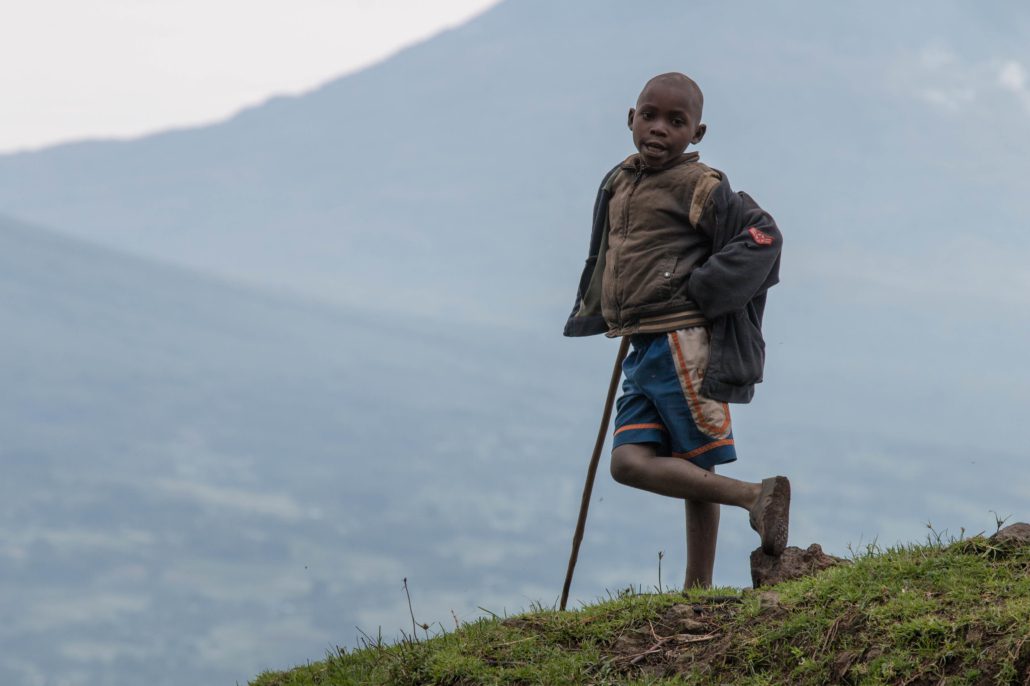
 A growing global movement that addresses one of the world’s most pressing concerns, sustainability is taking the world by storm. Renewable energy in Rwanda, in particular, has improved the country in several ways.
Rwanda, known for its picturesque landscapes, presently has significant economic challenges. As of 2023, 56.5% of the population lives below the international poverty line. Some reasons for this poverty include the 1994 genocide as well as an overall limited access to education and health care. Many Rwandans unfortunately do not have access to essential resources and services.
Despite these challenges, however, renewable energy is Rwanda’s silver lining. Using natural resources like sunlight and wind, renewable energy can bring about positive change to Rwanda’s poverty problem. Rwanda generated 62.3% of its power via renewable means, and the nation has created means to fight poverty in three main ways using these sustainable energy solutions.
Job Creation
One of the main reasons for unemployment (which, in turn, leads to poverty) in Rwanda is the 1994, which, according to the International Labor Organization, “impaired all socio-economic activities in Rwanda.” The country seems to have had a difficult time bouncing back in terms of employment. In 2022, in fact, the World Bank claims that around 13% of Rwandan’s workforce was unemployed.
Of course, employees are required to set up renewable energy power plants. This creates jobs and fights unemployment, one of the three stages in the vicious circle of poverty. Jobs could include technical workers, such as engineers and electricians, and would require roles such as project managers, as well as other professionals relevant to renewable energy.
Several components are necessary for renewable energy plants, including solar panels. These high-end components have to be produced, creating jobs as a result. For example, the Global Green Growth Institute’s executive summary of one such renewable energy initiative stated that it would create 31,000 direct jobs. Creating jobs and increasing employment is therefore one major way to combat poverty while fighting for renewable energy in Rwanda.
Energy Cost Reduction
The price that the average impoverished family pays for energy is also important to keep in mind. Switching to renewable energy can, in many scenarios, lower the financial burden faced by many lower-class households.
Renewable energy in Rwanda is no exception. At first, it seems counterintuitive that something as expensive to create as solar panels is more economically viable than using fossil fuels. Although most renewable power plants, such as solar, wind and geothermal, have high initial costs, their high efficiency makes them far superior to fossil fuels in the long run.
In addition, unlike fossil fuel consumption, renewable energy taps into free resources like sunlight and wind, while mining and transporting fossil fuels can have high prices. According to scientifically conducted models through computer simulations, renewable energy is cheaper when compared to traditional forms of energy. The cost of renewable energy in Rwanda is a major reason for its success in alleviating poverty
Basic Service Accessibility Improvement
Renewable energy in Rwanda has improved access to basic services for impoverished communities. Reliable electricity, for many impoverished people in Rwanda, is a lifeline that has been extended thanks to the advent of renewable energy. Basic services like electricity, step by step, will improve this accessibility further and will make Rwanda develop faster than it already is.
Electricity has spurred many Rwandan businesses. For example, Mbonimana Jean Pierre began a lucrative welding business when his home village of Bweyeye connected to electricity. According to the World Bank, “on average, he makes more than 150.000 RwFr per month (around $165), far more than he used to earn in the city, but more importantly, he is with his family.”
Although this access to electricity was not directly a result of renewable energy, one can argue that it often leads to a large amount of power needed to supply such ventures. This beautiful story exemplifies how positive development in basic services such as electricity can lead to thriving businesses and significant strides against poverty.
The Link Between Renewable Energy and Poverty Reduction
It is not a secret that renewable energy can help fight against poverty. In fact, the International Monetary Fund (IMF) lists pursuing a “green economy” as one of the main priorities of Rwanda’s economic transformation. Overall, renewable energy in Rwanda, a mission that has already begun, is an underrated hero in helping in the fight against global poverty. Not only does renewable development create jobs and spur industrial production, but it also reduces the cost of energy for many impoverished people, all while improving access to basic services like electricity.
In Rwanda, renewable energy serves not only as a solution to the world’s environmental challenges but also as a means to fight against poverty. As Rwanda uses free resources like wind and sunlight to light up homes and power industries, the nation certainly has a bright future in store.
– Advait K. Mishra
Photo: Flickr

Poverty in North Korea: Everything You Need To Know About It
Current Picture
The Government of the Democratic People’s Republic of Korea has not published economic information, so researchers must find creative ways to understand the nation. New technology allows estimations of GDP and poverty based on night light using satellite imagery. Estimates of poverty in North Korea average around 60%.
Various factors, primarily internal and some external, contribute to North Korea’s poverty. One of the leading causes is the Kim dynasty’s communist government, which prioritizes military spending over the good of its people. This emphasis on preserving power by cloaking North Korea and building military might have resulted in a severely underdeveloped economy dependent on Chinese support for electricity, water and other crucial resources.
Additionally, North Korea’s economy has been further weakened by international sanctions, with countries like the U.S., denying its people to trade with North Korea. However, this does not have a significant impact anyway, as there is little chance of trade entering the country. Everything must pass through the government’s bureaucracy before it is legally permitted to operate, which makes it difficult to provide humanitarian aid or goods and services to those most affected. Even when given the go-ahead to trade, spying will still occur with systems like Red-Star, which takes regular and random screenshots of text messages and recordings of phone calls.
However, this government is not the one that is most impacted by the policies it employs. Most of the challenging circumstances provided by the state affect North Korea’s population alone. There is a great deal of suffering due to widespread malnutrition, a lack of access to health care and inadequate (above-ground) infrastructure that is not used for military purposes. Chronic food shortages are a harsh reality for many North Koreans who struggle to provide for their families. According to the UN, a startling 40% of the world’s population is malnourished.
Being malnourished does not just mean they’re starving; it also means their immune system is failing, putting them at risk of death. Of course, the bourgeoisie may eat as much as they like, which gave birth to the insult ‘Kim Fatty III’, now banned in China — another communist regime but with a more liberal approach to the economy.
Furthermore, it is difficult for aid groups to function effectively in North Korea due to the regime’s secrecy and state mandates. The efforts to lessen its citizens’ suffering are hampered by this lack of transparency and micromanagement from the dictatorship: Everything you do must be approved by the state.
Organizations Making a Difference
Despite the difficulties, a few organizations are making a valiant effort to combat poverty in North Korea. The Eugene Bell Foundation is one such group that focuses on helping North Koreans in need of medical care and tuberculosis treatment. Due to the critically underdeveloped above-ground infrastructure, North Korea has one of the highest tuberculosis rates in the world. The Eugene Bell Foundation has significantly improved the nation’s health care outcomes. The Foundation has reduced the chances of dying from the disease by providing treatment to anywhere from 500–1,500 patients per year, a number that would be much higher if the North Korean Government would be honest about how serious the problem is.
Another example is the World Food Program (WFP), which sees that 18% of all children in North Korea are stunned (cannot grow due to malnourishment). The WFP’s efforts are vital in alleviating hunger and malnutrition in the country, albeit under challenging circumstances. They have heroically provided monthly nutrition packages specialized for protein, vitamins and fats to around a million children, pregnant women and nursing mothers.
The Future
Undoubtedly, the path ahead will be challenging, as political unrest and diplomatic challenges continue to impede humanitarian efforts in North Korea. These organizations continue to be dedicated to their goals and work to improve the lives of those affected by tyrannous government and poverty. All of this is in stark contrast to the open market representative democracy to its south: South Korea, which is richer, more advanced and the top destination for North Koreans seeking to escape.
To conclude, North Korea’s poverty is a pervasive issue with multiple root causes. The suffering of the North Korean people is a result of the oppressive regime and a lack of transparency as well as international sanctions. However, organizations like the World Food Program and the Eugene Bell Foundation are working nonstop to deliver critical assistance to the most vulnerable.
It is important to remember the millions of North Koreans who continue to live in poverty and squalor on the Korean Peninsula. The issue of North Korea’s poverty goes beyond geopolitics and touches on fundamental human rights and dignity. The international community must continue to be dedicated to identifying solutions and helping those in need.
– Sean Boehm
Photo: Unsplash
Reducing Poverty in Egypt & Organizations to Support
The Current Crisis
Currently, Egypt’s inflation rates are at 33%, with the cost of basic goods soaring higher. The World Bank’s data files estimated that in 2019, 29.7% of Egyptians were living near or below the poverty line.
Director of the Tahrir Institute for Middle East Policy, Timothy E. Kaldas stated that “there was a very large part of the population above that line, and undoubtedly many of them have since fallen below it. As inflation continues to grow, more are falling below the poverty line.”
As measured in a research report in 2023, some of the poverty comes from increased cash assistance following Russia’s invasion of Ukraine, due to grain shortages for bread.
This, as well as austerity measures taken ($12 billion bailout package from the International Monetary Fund in 2016) following reliance on loans for government operations and mega infrastructure projects, plummeted the country into its current financial state.
Stories From Egyptian Citizens
This rise in poverty rates led to higher levels of social deprivation, as exhibited by an average 9.7% drop in general consumption of goods and services, with less spending on items like education, health care and culture. Even those in the middle class in Egypt have to hunt for second jobs and skip meals to endure the rapidly rising costs.
Though working full-time as a professional graphic designer, Ahmed Fawzi told The Guardian that he needs to search for a second job. As a father of three, he is scraping to make sure that he can support his family with a monthly salary of 5,000 Egyptian pounds ($162). He stated, “It feels like the economic crisis is literally squeezing me. Prices are going up every day and there’s no solution to it.”
The Support Available
CAPMAS (Central Agency for Public Mobilization and Statistics) stated that though Egypt is at the lowest rate of poverty in 20 years, the country is still deeply suffering. Yet there are support initiatives in place to make sure that poverty in Egypt is reduced. In 2022, the International Monetary Fund did provide Egypt with $3 billion, dictating that the government spend it on their citizens, allowing support for 20 million of those in poverty.
How They Are Aiding Poverty in Egypt
But is there support beyond financial means? The emotional strain that the major cost-of-living crisis has put on Egyptians is listened to and supported by organizations alike. CAPMAS said that the organization is “cultivating the fruits” of the economic reforms from projects like Karama supporting the country.
Established in 2005, Karama is a beneficiary program that names itself a “social safety net project that promotes Egyptian women empowerment.’’ Aiming to reduce poverty in Egypt, it helps poor women and children and those with disabilities by providing both conditional and unconditional cash transfers. Focusing on food insecurities, education and health care, Karama is still a successful front to aid poverty in Egypt, increasing emotional prosperity.
UNICEF, in recent months and years, has held regular conferences to address the global poverty rates, including Egypt’s. In September 2023, they focused on speaking with Congress to address health rights for children. 2021 saw UNICEF hold a conference where they discussed an “evidence-informed development agenda for Egypt.”
Egypt has partnered with international beneficiaries to reduce their ongoing poverty. While it is still widespread in the nation, the mission to end poverty in Egypt is progressing, and there are support networks for those living in poverty daily. Assisting vulnerable groups across Egypt through international charities and financial aid gives them a voice and promotes international funding for underdeveloped countries in crisis.
– Anastasia Brown
Photo: Flickr
Progress in Renewable Energy in Rwanda
Rwanda, known for its picturesque landscapes, presently has significant economic challenges. As of 2023, 56.5% of the population lives below the international poverty line. Some reasons for this poverty include the 1994 genocide as well as an overall limited access to education and health care. Many Rwandans unfortunately do not have access to essential resources and services.
Despite these challenges, however, renewable energy is Rwanda’s silver lining. Using natural resources like sunlight and wind, renewable energy can bring about positive change to Rwanda’s poverty problem. Rwanda generated 62.3% of its power via renewable means, and the nation has created means to fight poverty in three main ways using these sustainable energy solutions.
Job Creation
One of the main reasons for unemployment (which, in turn, leads to poverty) in Rwanda is the 1994, which, according to the International Labor Organization, “impaired all socio-economic activities in Rwanda.” The country seems to have had a difficult time bouncing back in terms of employment. In 2022, in fact, the World Bank claims that around 13% of Rwandan’s workforce was unemployed.
Of course, employees are required to set up renewable energy power plants. This creates jobs and fights unemployment, one of the three stages in the vicious circle of poverty. Jobs could include technical workers, such as engineers and electricians, and would require roles such as project managers, as well as other professionals relevant to renewable energy.
Several components are necessary for renewable energy plants, including solar panels. These high-end components have to be produced, creating jobs as a result. For example, the Global Green Growth Institute’s executive summary of one such renewable energy initiative stated that it would create 31,000 direct jobs. Creating jobs and increasing employment is therefore one major way to combat poverty while fighting for renewable energy in Rwanda.
Energy Cost Reduction
The price that the average impoverished family pays for energy is also important to keep in mind. Switching to renewable energy can, in many scenarios, lower the financial burden faced by many lower-class households.
Renewable energy in Rwanda is no exception. At first, it seems counterintuitive that something as expensive to create as solar panels is more economically viable than using fossil fuels. Although most renewable power plants, such as solar, wind and geothermal, have high initial costs, their high efficiency makes them far superior to fossil fuels in the long run.
In addition, unlike fossil fuel consumption, renewable energy taps into free resources like sunlight and wind, while mining and transporting fossil fuels can have high prices. According to scientifically conducted models through computer simulations, renewable energy is cheaper when compared to traditional forms of energy. The cost of renewable energy in Rwanda is a major reason for its success in alleviating poverty
Basic Service Accessibility Improvement
Renewable energy in Rwanda has improved access to basic services for impoverished communities. Reliable electricity, for many impoverished people in Rwanda, is a lifeline that has been extended thanks to the advent of renewable energy. Basic services like electricity, step by step, will improve this accessibility further and will make Rwanda develop faster than it already is.
Electricity has spurred many Rwandan businesses. For example, Mbonimana Jean Pierre began a lucrative welding business when his home village of Bweyeye connected to electricity. According to the World Bank, “on average, he makes more than 150.000 RwFr per month (around $165), far more than he used to earn in the city, but more importantly, he is with his family.”
Although this access to electricity was not directly a result of renewable energy, one can argue that it often leads to a large amount of power needed to supply such ventures. This beautiful story exemplifies how positive development in basic services such as electricity can lead to thriving businesses and significant strides against poverty.
The Link Between Renewable Energy and Poverty Reduction
It is not a secret that renewable energy can help fight against poverty. In fact, the International Monetary Fund (IMF) lists pursuing a “green economy” as one of the main priorities of Rwanda’s economic transformation. Overall, renewable energy in Rwanda, a mission that has already begun, is an underrated hero in helping in the fight against global poverty. Not only does renewable development create jobs and spur industrial production, but it also reduces the cost of energy for many impoverished people, all while improving access to basic services like electricity.
In Rwanda, renewable energy serves not only as a solution to the world’s environmental challenges but also as a means to fight against poverty. As Rwanda uses free resources like wind and sunlight to light up homes and power industries, the nation certainly has a bright future in store.
– Advait K. Mishra
Photo: Flickr
Africa Announces Strategy for Renewable Energy in Guinea
What is Renewable Energy?
Why is Renewable Energy in Guinea Important?
Other countries may use Guinea as an example to see how effective the use of renewable energy is as a source of power. The amount of rivers Guinea has makes it a prime candidate for testing new sources of energy like hydropower. In fact, during the year 2015, the Kaleta Dam came online and along with the Kaleta Dam also came a strategy. The Guinean Government decided to restructure their power infrastructure, starting with new power lines and utilities. The dam more than doubled the amount of power to where distribution and transmission of the energy was more readily available.
Guinea could share some of its energy with other neighboring countries as well. Guinea also uses solar energy in a project called 82 MW Solar, which is a project funded by investors from Germany. The project will help Guinea reach its goal of producing 30% of its energy from more sustainable sources.
Solutions
In 2015, the Electrify Africa Act institutionalized power in Africa. Power Africa is a market-driven U.S. government-led public-private partner devoted to doubling access to electricity in sub-Saharan Africa. Power Africa provides tools and resources to private sector entities so they may conduct and facilitate business in sub-Saharan Africa. The goal of Power Africa, according to the website, is to advance inclusive low-carbon economic growth. Power Africa has support from 12 interagency partners such as USAID and the Millennium Challenge Corporation. Included also is the U.S. African Development Foundation, which takes donations as well.
How Does Renewable Energy in Guinea Reduce the Country’s Poverty Issues?
According to the IEA (International Energy Agency), only 17% of the population in Guinea has access to electricity. According to the United Nations Development Programme (UNDP), 66.2% of the population in Guinea is poor, along with an additional 16.4% of the population classified as being vulnerable to multidimensional poverty. However, using hydropower and different sources of energy besides fossil fuels can help bring in more jobs. In fact, for every 1,000 workers the coal and gas industries employ, there are 5,000 jobs in the renewable energy fields. This means that not only will clean energy provide more electricity and reduce energy poverty, but it will also increase how many jobs there are in Guinea.
How Can Countries Prosper From Renewable Energy in Guinea?
The many natural resources from Guinea are important. One of Guinea’s prime exports is gold, a mineral that can be used for medical and electronic devices for defense and even traded for money. The country is also rich in iron and diamond minerals used to make jewelry and steel. The growth of this country and its resources can be a huge help to other developing countries and help reduce poverty. The growth of this country can help foster the economic growth of another country, giving rise to better relations among all countries.
– Marvin Lowery
Photo: Flickr
The State of Hunger and Food Insecurity in Thailand
The State of Food Insecurity
Every country aims to achieve food security and eradicate hunger. However, the Food and Agriculture Organization (FAO) has observed a growing severity of global food shortages since 2014, resulting from a loss of natural resources due to changing weather patterns and natural disasters. This has had a detrimental impact on agricultural production and food security.
A steep rise in food prices has also increased the number of people facing food insecurity. In fact, according to the World Bank, it takes only a 1% increase in food prices to push an additional 10 million people into extreme poverty.
Nutrition in Thailand
The problem of hunger in Thailand has significantly worsened since the COVID-19 pandemic. In 2022, the National Statistical Office surveyed households in Thailand on the impacts of COVID-19. Results indicated the pandemic caused multiple food-related challenges within households, including inadequate consumption of nutritious food and limited food variety. Lower-income households suffered more serious consequences due to increased unemployment and consequent loss of income.
A World Bank study from 2020 revealed that 6.2 million people in Thailand–or 9% of the total population–lack adequate nutrition. This is a result of rising food costs, as well as a lack of nutritional knowledge. Poor understanding of nutrition is often more prevalent in lower-income households and contributes to unhealthy dietary habits and food preparations that do not adhere to nutritional principles.
The Rise of Food Banks to Tackle Hunger
Food banks are steadily growing in popularity across the globe. The Global Foodbanking Network (GFN) found that the number of people using food banks has doubled since the pandemic. In 2022, more than 32 million people used food banks across 50 developing countries. Many communities in Thailand have also turned to food banks as a solution to combat hunger, with the additional benefit of reducing the environmental consequences of food waste.
According to the Pollution Control Department, nearly 70% of Thailand’s total rubbish consists of food waste. The Scholars of Sustenance Foundation (SOS) originated in 2016 to eradicate hunger through the redistribution of surplus food to communities in need such as orphanages and shelters. It is one of the oldest food banking initiatives in Thailand, working in Bangkok, Phuket, Hua Hin, Chiang Mai and many other areas.
SOS also runs other programs to help combat hunger. The Rescue Kitchen Program works with community kitchens to turn surplus food into warm and nutritious food that is served to undernourished communities. The Remote Community Food Program employs military and volunteer networks to transport food across mountainous terrains, supplying food to isolated rural communities. The Healthy School Lunch Program promotes food security and nutrition for malnourished children at school, providing them with fresh vegetables for school lunches.
SOS has had a significant impact on reducing food insecurity and hunger in Thailand, having served nearly 30 million meals to more than 3,000 communities. The SOS foundation has also rescued around 6.8 million kilograms of surplus food. This is equivalent to about 17,282 tons of CO2 if the food were instead wasted in landfills.
Taking Action to Combat Hunger in Thailand
Food banks show promise in reducing hunger in Thailand by redirecting surplus food toward lower-income and vulnerable communities. Food banks have been so effective because of how embedded they are within local communities. To facilitate change, the government must transform the food system – starting at the community level. Prompt action must be taken to facilitate food access and security in Thailand for a lasting impact on hunger.
– Stephanie Chan
Photo: Flickr
Aid Groups Support Maternal and Child Health in Afghanistan
Three aid groups in particular, The United Nations International Children’s Emergency Fund (UNICEF), Medecins Sans Frontieres/Doctors Without Borders (MSF) and the World Health Organization (WHO), are taking action to keep mothers and children from suffering and dying from preventable causes.
Crisis for Child Health in Afghanistan
UNICEF recognizes that Afghanistan is one of the most dangerous places in the world to be a baby, child or mother. Afghanistan has one of the highest infant mortality rates, and thousands of Afghani women die every year due to preventable pregnancy-related causes. According to the 2020 Human Development Report released by the United Nations Development Programme (UNDP), Afghanistan ranked 169 on the gender inequality index.
Access to health care remains low for women. Between 2000 and 2015, only 59% of women received natal care from a skilled health care provider, and only 53% of births were protected against neonatal tetanus — a life-threatening, vaccine-preventable bacterial infection in newborns that is typically caused by non-sterile instruments and an unclean environment during the birth process. Of those babies that make it past the first critical months of development, less than half are fully vaccinated between the ages of 12 and 23 months.
Malnutrition is another critical risk factor for infants and young children. Only 16% of children between the ages of 6 and 23 months meet minimal dietary standards, contributing to high levels of malnutrition-related developmental issues. About 10% of young children suffer from childhood wasting, where the weight or height is less than two standard deviations from the median of the WHO Child Growth Standards. The percentage of underweight children is 41%, and child stunting, a condition where a child is too short for their age due to chronic and recurrent malnutrition, affects 41% of Afghani children.
UNICEF’s Work to Save Maternal and Child Health in Afghanistan
UNICEF is working with existing health care facilities to expand services and reach children and mothers in remote villages who could not otherwise afford to travel and receive the lifesaving health services they need. By providing training and essential equipment for newborn care, deploying mobile health care outreach teams to these rural and isolated communities, and supporting specialized maternity waiting homes and rooms, UNICEF hopes to empower existing health facilities to support Afghanistan’s most vulnerable and impoverished women and children.
UNICEF also works with the Ministry of Public Health, developing and rolling out standardized national guidelines for newborn care in an effort to reduce preventable illnesses and deaths in newborns. This includes providing zinc and rehydration solution co-packs for treatment of diarrhea, a widespread and preventable cause of illness and death in infants and children.
MSF’s Efforts
Since MSF began its work in Afghanistan in 1981, they have built seven health facilities and clinics in the region. MSF staff has assisted in more than 42,800 births, including more than 2,100 cesarean sections, and has admitted more than 9,100 children into their facilities for inpatient feeding programs in an effort to combat the effects of severe malnutrition. While these efforts have had an incredible impact on the lives of impoverished and malnourished Afghans, more work is necessary.
“Sometimes, mothers are so malnourished they can’t produce milk,” said a member of MSF’s medical staff in Herat Regional Hospital. “We see them putting tea in bottles to give to newborn babies—only seven or eight days old — which can be very dangerous.”
How WHO is Helping
In August 2023, WHO released an alert highlighting the importance of increased investment in Afghanistan’s severely under-resourced health care infrastructure. Recognizing the current health emergency in the region, WHO has targeted 7.5 million children and 3.1 million women for health assistance.
Dr. Tedros Adhanom Ghebreyesus, WHO Director-General, stated: “The situation in Afghanistan is grave, and the lack of resources and funding to support health workers and facilities is putting countless lives at risk. Women and children are suffering the most.”
– Ann-Jinette Hess
Photo: Flickr
How Ghana Combats NTDs
What Are NTDs?
NTDs are a group of parasitic and bacterial infectious diseases. The World Health Organization (WHO) reports that NTDs claim 170,000 lives each year and affect more than 1.58 billion people globally. These diseases, including malaria, dengue fever, Chagas disease and schistosomiasis, pose significant challenges to global health and well-being. Often overlooked and underfunded, NTDs thrive in impoverished and marginalized communities. This exacerbates the cycle of poverty and hinders socio-economic development.
According to WHO, the most prevalent NTDs in Ghana include lymphatic filariasis (LF), onchocerciasis (Oncho), trachoma, schistosomiasis (SCH), soil-transmitted helminthiasis (STH), Buruli ulcer, yaws, leprosy, guinea worm, human African trypanosomiasis (HAT), cutaneous leishmaniasis and rabies.
How Do NTDs Affect Poverty in Ghana?
According to the World Bank, the poverty rate in Ghana will likely rise to 34% by 2025. NTDs in Ghana contribute to poverty by reducing productivity and economic potential due to health impacts. This imposes financial burdens through health care expenses and limits long-term prospects. Additionally, the Ghanaian NGO Ghana Health Service observes that NTDs reduce agricultural productivity and income opportunities. This traps communities in a cycle of poverty due to the lack of resources and access to health care, clean water, sanitation and education.
The Ways Ghana Combats NTDs
By adopting a holistic approach that combines policy, partnerships and community engagement, Ghana has made significant strides in reducing the burden of NTDs on its population, ultimately combatting poverty in the process.
National Policy and Commitment
Over the years, government efforts in Ghana have successfully eliminated several specific NTDs, including trachoma, through various strategies. In 2000, Ghana’s Ministry of Health and Ghana Health Service first launched a national trachoma elimination program. This initiative successfully employed WHO’s endorsed elimination strategy known as SAFE. This encompasses Surgery for trichiasis, Antibiotics for infection clearance, promotion of Facial cleanliness and Environmental improvement to curtail transmission.
In addition, affected individuals received trichiasis surgery at no cost, underlining Ghana Health Service’s recognition of the economic hardship faced by those with trichiasis and its impact on their future earnings. Commitments in the form of community engagement, school programs, radio messages and environmental enhancements were instrumental in promoting facial cleanliness and fostering lasting change.
Collaborative Partnerships
One significant example of partnerships in Ghana to combat NTDs is the collaboration between the Ghana Health Service (GHS) and NGOs and international entities. The GHS works closely with organizations like the Carter Center, WHO and USAID. In addition, since 2013, these partnerships have been a pillar of mass drug administration. These collaborations provided technical expertise, financial support and resources. They assist the GHS in implementing control and elimination programs for NTDs. For instance, in addressing onchocerciasis in 2013, the GHS collaborated with the African Program for Onchocerciasis Control to implement community-directed treatment with ivermectin.
This approach empowered local community members to distribute ivermectin within their communities, ensuring treatment sustainability. Collaborative partnerships between governmental health services, NGOs and international organizations leverage resources, expertise and coordination to enhance the impact of interventions and contribute to progress in combating NTDs in Ghana.
Community Engagement and Empowerment
Ghana combats NTDs through community engagement and empowerment. This is exemplified through the establishment of Community Drug Distributor (CDD) networks established in the Ministry of Health’s first strategic plan to combat NTDs in 2013. The Ministry of Health renewed this plan in 2021.
These CDD networks train community members to distribute medication and provide health education. CDDs are trusted individuals from the local community who play a vital role in distributing preventive treatment and raising awareness about NTDs. This approach improves access to remote areas, increases treatment compliance and fosters sustainable disease control practices. By actively involving community members, it builds trust, ownership and a sense of self-reliance. Community engagement and empowerment through the CDD networks in Ghana effectively contribute to combating NTDs and raising awareness at the grassroots level.
Looking Forward
Ghana’s multifaceted response has made significant progress, eliminating NTDs such as trachoma and the guinea worm as of 2018. This ultimately showcases that the initiatives to combat NTDs in Ghana are heading in a promising direction.
Nevertheless, lymphatic filariasis, schistosomiasis, onchocerciasis and soil-transmitted helminths threaten Ghanaians’ health as well as financial security and require continued attention.
– Miriam Schuller
Photo: Flickr
Slum Dwellers in Seempapuri, Delhi
Life for Slum Dwellers in Seemapuri
The Seemapuri slums are situated on the northeast Delhi border and lack greenery, resulting in a dusty atmosphere and overcrowded informal shelters/huts. The locals constructed these huts in the 1970s to house refugees from Bangladesh and Bengal, as well as marginalized individuals from various Indian states. Unfortunately, today, this unauthorized slum now consists of dilapidated huts without access to legal water and electricity.
In Seemapuri, many slum dwellers earn their livelihood through activities such as rag picking, rickshaw pulling and small-scale shopkeeping. The daily income of a ragpicker is merely $2 to $3. As a result of low earnings, many ragpickers live below the poverty line. In Delhi, it is common for children from impoverished families to drop out of school due to financial constraints. According to the surveys conducted by the government of Delhi, 9.76% of children between the ages of 6 and 17 are out of school due to several financial and domestic reasons. Although there are several primary and high schools in the area, the parents and children do not prioritize education, resulting in a low literacy rate.
Residents in slum areas do not have access to public toilets, which has resulted in open defecation and the spread of communicable diseases. Unfortunately, rag picking is prevalent among children, who sort through garbage for items such as clothes, tin, paper and cardboard pieces. In India, there are approximately more than 10 million ragpickers and Delhi has a very large number of people who segregate the garbage for their work profession. This practice can lead to respiratory issues, tuberculosis and jaundice. Additionally, residents are forced to work for minimum wages without access to basic amenities.
Chetanalaya: An Organization Working for Seemapuri Slums
For the past decade, the nonprofit organization Chetanalaya has dedicated its efforts to improving the lives of the residents of Seemapuri. Chetanalaya has assisted refugees from Bangladesh and Calcutta in obtaining residency documents in Delhi. There are currently 24,000 refugees and 9,000 asylum seekers residing in the capital under unhygienic conditions. The organization’s volunteers are committed to raising awareness about government policies and the basic rights of impoverished individuals. Additionally, the organization is implementing a cooperative approach to the rag-picking activities of slum dwellers by forming committees and groups to advocate for fair pay and other rights.
Chetanalaya has received numerous awards from the government and other organizations for its tireless efforts. In 2018, it was honored with the Excellent NGO award by the Delhi minorities commission for its work in implementing universal elementary education and providing polio vaccinations in Seemapuri. More than 2,500 children receive educational support from the organization. Additionally, Chetanalaya hosts sports and cultural programs to promote the mental and physical growth of impoverished children.
The organization conducted 30 awareness programs to educate children about their rights and social responsibilities. About 2,500 children attended these programs. The organization also actively rescues children who are victims of labor and exploitation. It has established a child helpline contact number and has successfully reunited 63 missing children with their families.
The organization’s efforts extend to providing affordable housing for those living in slums. It has constructed 67 homes through its affordable housing program. Residents of Seema Puri can obtain low-cost housing by borrowing funds from the organization and repaying in installments.
Looking Ahead
Although faced with challenging social and economic circumstances, slum dwellers in Delhi strive for a better quality of life. Many of them work in low-income professions such as rag-picking and rickshaw pulling but with support from nonprofit organizations like Chetanalaya, these slum dwellers can look to the possibility of a brighter future.
– Gurjot Kaur
Photo: Flickr
Flushing Poverty: Toilets in Developing Nations
What is the Current State of the World’s Toilets?
About 60% of people worldwide lack access to an adequate toilet at home. According to WHO and UNICEF, one can classify the world’s current sanitation systems using three labels:
Open defecation, for instance, is the most severe form of unimproved sanitation. Nevertheless, 892 million people practice it around the world. An “adequate” toilet is improved and only one household uses it. The UN has formally recognized the importance of this issue and made it part of Sustainable Development Goal 6 (SDG 6). Unfortunately, the world is off track to meet that goal by 2030. According to the World Toilet Organization, the world must quadruple its current efforts to meet SDG 6’s toilet-centered objectives.
What Impact Do Toilets in Developing Nations Have?
Toilets are critical players in the fight against preventable disease, automatically making them agents in the fight against poverty. Here are some key facts and statistics about toilets and their benefits. Every dollar spent on toilets and water prevents the expenditure of $4 on “medical costs, averted deaths and increased productivity.”
“One gram of feces can contain 10 million viruses, 1 million bacteria, and 1,000 parasite cysts.” As a result, adequate toilets prevent many diseases by keeping contaminant-ridden human waste away from human contact. Toilets are life-changing for menstruating girls. They increase their ability to go to and stay in school, and they also increase their safety, as girls using open defecation methods can be taken advantage of. 23% of the world’s schools do not have any form of toilet. Without toilets, human waste can contaminate the environment, facilitating the spread of contagions. About 2 billion people worldwide use water contaminated with human waste, which is extremely detrimental to global health.
The Implementation of Toilets in Developing Nations
Installing adequate, beneficial toilets in developing nations is far from easy. While toilets face typical aid issues such as economic feasibility, they also require regular maintenance, which includes cleaning and emptying. As a result, every toilet represents a recurring expense. Making this maintenance process practical for impoverished people is a severe and evolving challenge.
Additionally, for toilets to be fully effective, they must be one piece of a more extensive system of hygiene, commonly known as WASH. Furthermore, unsafe practices such as open defecation are often woven into a culture’s fabric. As a result, people who have never had a toilet are often entirely unaware of their benefits. Because of this, they are likely to ignore, abandon or disdain toilets that do not come with an explanation or training. Aid that adequately addresses this problem does not just provide a toilet; it is also necessary to educate the local people about their purpose and use.
The Progress
Although this issue still needs to be fully addressed, the world has come a long way towards increasing the availability of adequate toilets. For example, “the percentage of the population [of India] with access to basic sanitation services” (including toilets) grew from 16% to 60% between 2000 and 2017. These are some of the organizations that are making numbers like these even better:
The Bill and Melinda Gates Foundation hosts the annual Reinvent the Toilet challenge, created to create more sustainable and useful toilets. Several significant developments have come from this event.
SATO pans are devices that are used to retrofit existing toilets. The design reduces the spread of contagious diseases as well as smells. Between 2014 and 2018, UNICEF “helped more than 70 million people access basic toilets in their homes.” These organizations represent just a few institutions fighting for clean, useful toilets in developing nations.
Conclusion
Installing and maintaining adequate toilets in developing nations is key to the fight against global poverty. Toilets decrease infectious diseases, which reduces medical expenses and the instability that sickness and unexpected death bring. While it will be long before toilets get to everyone who needs them, many organizations are also working on this vital front. With the right effort, this problem will be a thing of the past.
– Abigail Leland
Photo: Flickr
WEFA Provides Aid to the Impoverished
About WEFA
WEFA (Weltweiter Einsatz Für Arme, “worldwide commitment to the poor”) is a humanitarian aid organization founded in 2006. It is based in Cologne, Germany, but has several branches across Europe. Through philanthropists and volunteers, WEFA has supported people in almost 70 countries. The organization emphasizes the need to create lasting and sustainable solutions that are designed to empower people to become self-sufficient and independent.
The WEFA website highlights its mission: “Our mission is to help the less fortunate, prepare for the occurrence of natural disasters and respond by providing protection and recovery to affected civilians, to contribute to the establishment of economic justice in the world and to provide permanent solutions to extreme poverty.”
Disaster Relief
Natural disasters are some of the deadliest and disruptive events on the planet. These forces of mother nature can destroy people’s homes and livelihoods and cut off access to essential services on top of the impact on health and well-being. Furthermore, natural disasters can cause billions of dollars worth of damages if the disaster is severe enough. As such, natural disasters increase the rate of poverty in the affected areas. Based on findings after the extreme floods occurring in Pakistan in 2022, the number of impoverished people in affected areas increased by 9.1 million, according to the World Bank, highlighting the connection between extreme weather events and poverty.
WEFA provides emergency aid to disaster-affected countries that focuses on nutritional needs, hygiene, shelter and technical support. WEFA donated more than 43,000 cans of food to earthquake victims in 2023.
Water Wells
Additionally, WEFA runs a program to build water wells in poverty-stricken communities that need a clean water supply. Water wells provide clean water and the well can be efficiently operated. WEFA has built more than 4,000 wells in Africa and Asia. The wells significantly reduce the time it typically takes to get water in a village. Considering that around 2 billion people across the world, as of 2023, do not have access to clean water, the work that WEFA is doing in providing clean water is very beneficial and gives much-needed aid to the impoverished who need clean drinking water.
Child Sponsorship
Another valuable dimension of WEFA is its sponsorship program. The child sponsorship program consists of a €35 annual donation to any child in need anywhere in the world. This program has reached 17 countries. Sponsoring a child through monetary support can help that child gain an education and, therefore, improve their job prospects as the child grows older. A study by the University of Chicago stated that children in Jakarta, Indonesia, sponsored by Compassion International spent about 4,000 hours studying over the course of nine years. The sponsorship equated to 1.03-1.46 extra years of schooling for sponsored children, highlighting the benefits of child sponsorship programs.
Cataract Replacements
WEFA also runs a cataract program that provides cataract replacements for people in Asia and Africa. In total, the organization has conducted more than 14,000 cataract operations. It also runs a campaign to give people winter clothes so they do not freeze in winter.
WEFA
When natural disasters strike a struggling nation, the damage can seem insurmountable. WEFA helps remedy that by providing aid to the impoverished and sustainable solutions like water wells and education sponsorship. These solutions help towns in the long run and give hope to people who need it the most. WEFA offers hope with the resources they provide when conditions are dire.
– Calder Miller
Photo: Flickr