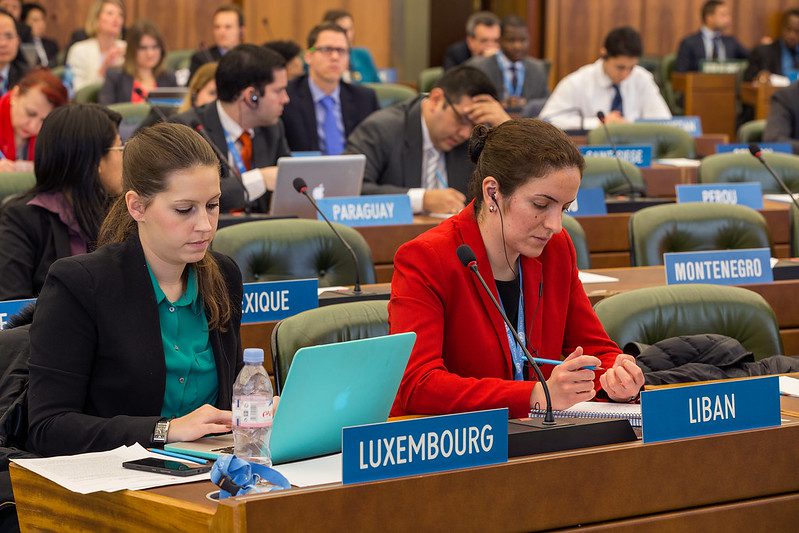
 Women’s rights in Luxembourg have progressed in the last five decades. This progress includes closing the gender pay gap, cultural shifts toward equality in the monarchy, and leveraging the country’s primary industries to invest in resources for women. Because of the high cost of living and significant immigration into Luxembourg, however, poverty for working populations, or in-work poverty, continues to affect more vulnerable demographics, particularly women. The Government of Luxembourg continues to work to address these challenges.
Robust Support for Women’s Rights in Luxembourg
The Luxembourg Government prioritizes equality through the sponsorship of the electoral Ministry of Equality Between Women and Men. These efforts have seen significant success: at -.2%, Luxembourg has the lowest gender pay gap in the world.
The Grand Duchess, Maria Teresa, puts the protection of women’s rights in Luxembourg at the “heart of her social and humanitarian engagements”. Duchess Teresa started an initiative in 2019 to support victims of domestic violence and abuse.
Beyond government, Luxembourg is leveraging its expertise in international finance to vie for women’s rights. The Government of Luxembourg kickstarted a 3-year partnership with U.N. Women to, “catalyze global markets, leverage public-private initiatives and design new financial instruments.”
Among the goals of the partnership are the creation of bonds in the Luxembourg Stock Exchange that invest in gender parity (a category currently occupied by 1% of thematic bonds), as well as moving to align gender-sensitive policy to achieve the United Nation’s Sustainable Development Goals.
Women and the Working Poor
Although the strides Luxembourg has made have been historic and momentous, there are still areas of struggle unique to its demographics, many of these chiefly affecting women.
Despite having the highest GDP per capita in the European Union, Luxembourg has some of the highest levels of working poverty, particularly for women (ranking 1st in the EU with a 13.5% poverty rate among working women). However, the overall at risk of poverty rate is lower than the European average. This means that in-work poverty is a more significant challenge for women in Luxembourg than in other countries in the European Union.
Approximately half of Luxembourg’s population is of foreign origin. For both women and men immigrating into the country, they have no voting rights. Working poverty remains a low priority for policymakers as a result. The Luxembourg Chamber of Deputies does address poverty generally however, which can aid in reducing the impacts of in-work poverty on the most sensitive populations, such as immigrants who are employed but affected by in-work poverty.
In-work poverty largely affects single parents, a higher percentage of which are women. The high cost of living, highlighted by housing costs, can contribute to greater poverty levels for those in lower wage quartiles. For 91% of the most disadvantaged households, housing costs can make up more than half of disposable income.
In addition to ongoing Government actions, one nonprofit, Femmes en détresse A.S.B.L provides housing and support for women experiencing violence in addition to legal, social and economic assistance. Located in the city of Luxembourg, Femmes en détresse was founded in June 1979 by a working group of women’s rights activists. Its aim was to create, develop and manage a shelter for women in distress, offering women and their children effective protection against gender based violence. They function as a shelter as well as a national 24/7, 365 hotline to support women in Luxembourg.
On the international level, the Government of Luxembourg joined as a member state to the U.N.’s national action plan. Christened the Luxembourgish Child Guarantee National Action Plan (NAP), the policy intends to focus on reducing poverty by enabling access to housing and education for children of foreign parents, targeting some of the most disadvantaged populations in the country when it comes to poverty.
This is especially significant for women and girls. In Luxembourg, women and girls age 10 and up spend 14.4% of their time on unpaid domestic work. Increasing access to housing can help to bridge this gap as it increases the likelihood of labor-saving technologies such as washing machines and stoves.
Conclusion
Overall, Luxembourg continues to make historic strides toward equality for women in and out of the workplace, and in international markets. The need for ongoing reform to provide infrastructure for the working poor who have immigrated to Luxembourg, policy support for single parents, and continuous focus on increasing legislation championing immigrants are among some of the primary foci for the Government of the State when it comes to women’s rights in Luxembourg in the coming decade.
– Ava Johnson
Photo: Flickr

Women’s Rights in Luxembourg
Robust Support for Women’s Rights in Luxembourg
The Luxembourg Government prioritizes equality through the sponsorship of the electoral Ministry of Equality Between Women and Men. These efforts have seen significant success: at -.2%, Luxembourg has the lowest gender pay gap in the world.
The Grand Duchess, Maria Teresa, puts the protection of women’s rights in Luxembourg at the “heart of her social and humanitarian engagements”. Duchess Teresa started an initiative in 2019 to support victims of domestic violence and abuse.
Beyond government, Luxembourg is leveraging its expertise in international finance to vie for women’s rights. The Government of Luxembourg kickstarted a 3-year partnership with U.N. Women to, “catalyze global markets, leverage public-private initiatives and design new financial instruments.”
Among the goals of the partnership are the creation of bonds in the Luxembourg Stock Exchange that invest in gender parity (a category currently occupied by 1% of thematic bonds), as well as moving to align gender-sensitive policy to achieve the United Nation’s Sustainable Development Goals.
Women and the Working Poor
Although the strides Luxembourg has made have been historic and momentous, there are still areas of struggle unique to its demographics, many of these chiefly affecting women.
Despite having the highest GDP per capita in the European Union, Luxembourg has some of the highest levels of working poverty, particularly for women (ranking 1st in the EU with a 13.5% poverty rate among working women). However, the overall at risk of poverty rate is lower than the European average. This means that in-work poverty is a more significant challenge for women in Luxembourg than in other countries in the European Union.
Approximately half of Luxembourg’s population is of foreign origin. For both women and men immigrating into the country, they have no voting rights. Working poverty remains a low priority for policymakers as a result. The Luxembourg Chamber of Deputies does address poverty generally however, which can aid in reducing the impacts of in-work poverty on the most sensitive populations, such as immigrants who are employed but affected by in-work poverty.
In-work poverty largely affects single parents, a higher percentage of which are women. The high cost of living, highlighted by housing costs, can contribute to greater poverty levels for those in lower wage quartiles. For 91% of the most disadvantaged households, housing costs can make up more than half of disposable income.
In addition to ongoing Government actions, one nonprofit, Femmes en détresse A.S.B.L provides housing and support for women experiencing violence in addition to legal, social and economic assistance. Located in the city of Luxembourg, Femmes en détresse was founded in June 1979 by a working group of women’s rights activists. Its aim was to create, develop and manage a shelter for women in distress, offering women and their children effective protection against gender based violence. They function as a shelter as well as a national 24/7, 365 hotline to support women in Luxembourg.
On the international level, the Government of Luxembourg joined as a member state to the U.N.’s national action plan. Christened the Luxembourgish Child Guarantee National Action Plan (NAP), the policy intends to focus on reducing poverty by enabling access to housing and education for children of foreign parents, targeting some of the most disadvantaged populations in the country when it comes to poverty.
This is especially significant for women and girls. In Luxembourg, women and girls age 10 and up spend 14.4% of their time on unpaid domestic work. Increasing access to housing can help to bridge this gap as it increases the likelihood of labor-saving technologies such as washing machines and stoves.
Conclusion
Overall, Luxembourg continues to make historic strides toward equality for women in and out of the workplace, and in international markets. The need for ongoing reform to provide infrastructure for the working poor who have immigrated to Luxembourg, policy support for single parents, and continuous focus on increasing legislation championing immigrants are among some of the primary foci for the Government of the State when it comes to women’s rights in Luxembourg in the coming decade.
– Ava Johnson
Photo: Flickr
Adolescent Mental Health in Saint Lucia
The Region
Saint Lucia is an island in the Eastern Caribbean between Martinique and Saint Vincent and the Grenadines. In 2016, poverty estimates showed that 20.3% of Saint Lucia’s population were poor (or live below $5.50 a day). Saint Lucia maintained their poverty level despite the Great Recession of 2008/2009 and the frequency of extreme weather events in 2010 and 2013. These events made Saint Lucia extremely vulnerable to poverty. The performance of tourism and the agricultural sectors’ recovery also significantly impacted Saint Lucia’s poverty level.
Due to COVID-19, Saint Lucia experienced negative growth, increased unemployment and inflation in 2020, increasing poverty. The pandemic caused an economic downturn in 2020, with a GDP decline of more than 20%, which led to severe employment and income losses. There was a rise in unemployment in 2020, with unemployment rates among women and young people growing the greatest. Food prices in the island nation increased due to supply chain interruptions, and food insecurity worsened among the poor and vulnerable.
Factors Leading to Mental Health Challenges
According to UNICEF, poverty contributed to mental health in Saint Lucia because people lived in “inadequate and unsanitary housing” in low-quality neighborhoods, which are particularly vulnerable to weather-related damage. The people in these neighborhoods were endangered due to the high rates of crime and violence. Obtaining access to high-quality education and other needs such as food, sustainable infrastructure and health care were difficult and influenced mental health in Saint Lucia.
Using data from the 2018 Global School-based Student Health Survey, professionals examined the frequency of suicide behavior and its contributing factors among 1,864 adolescents attending Saint Lucian schools. Suicidal ideation, suicide plan, and suicide attempt showed prevalence rates of 25.5%, 22.1% and 17.5%, respectively. The quality of one’s family life and other negative experiences such as discrimination and exclusion, lack of support and mental health services made the adolescents of Saint Lucia more susceptible to mental health issues.
National Mental Wellness Centre
Mental health services progressed and increased due to the government of the island and South East Asian partners. The first step toward mental health care was the Golden Hope Hospital. In 2010, the National Mental Wellness Centre was replaced by the hospital. With close collaboration between doctors, nurses, psychologists, occupational therapists and social workers, the center offered an extensive style of care. Everyone receives services like free medication and counseling without charge.
Nine of the island’s 34 health centers provide mental health services in addition to the hospital. In 2018, three nurse practitioners with training in psychiatry provided community-based mental health services in regularly scheduled clinics held in each of the nine health centers. There are community-based psychiatric in-patient units and day treatment centers.
Mental Health Improvement
With the National Mental Wellness Centre, complications and challenges still exist. Complications include shortages of hospital beds and lack of alternatives, stigmas and discrimination, staff training and supervision, and legislation and policy. Plenty more plans and institutions are underway to improve mental health in Saint Lucia. According to BJPsych Internatioanl, the long-term goal is to create a mental health complex from the National Mental Wellness Center, Turning Point and Owen King EU Hospital to provide more community-based care and lower admission rates. Among the modifications will be the addition of a ward for children and adolescents.
Saint Lucia’s poverty level consisted of unemployment, limited economic opportunities, limited access to quality education and health care, dependence on agriculture and natural disasters impacting the economy. Although the poverty level had a significant impact on mental health in Saint Lucia, there are efforts to address these factors involving government policies, social programs, and international cooperation.
– AuiCha Conley
Photo: Flickr
3 Community Programs Empowering Women in Senegal
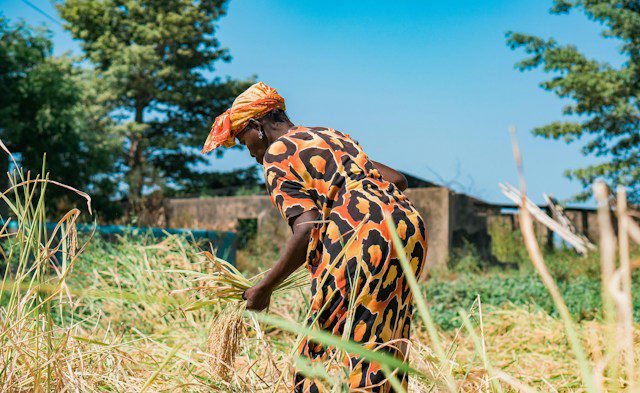 The following is an overview of three local and state initiatives with community partnerships that empowering women in Senegal. These organizations are playing a crucial role in breaking the cycle of poverty by providing women with essential resources, education and support.
3 Community Programs Empowering Women in Senegal
Strengthening Communities
These three organizations are only a few of the many that exemplify the collective commitment toward empowering women in Senegal and breaking systems of poverty. With their diverse approaches, they contribute to building stronger, more resilient communities where women play an active role in their upliftment.
Additionally, the documented achievements of these three community programs empowering women underscore the importance of community-driven efforts in the ongoing efforts to decrease poverty in Senegal.
– Ava Johnson
Photo: Unsplash
Social Health Insurance and Health Care in Indonesia
Access to Health Care in Indonesia
The unequal distribution of health services has resulted in an inability to access health services. With 9,599 health centers and 2,184 hospitals concentrated in the city center, rural dwellers face challenges in reaching these facilities. The slow development of infrastructure has a significant role in the need for health facilities. Data from the “Ministry of Health records that 52.8% of specialist doctors are in Jakarta, while in NTT and other provinces in Eastern Indonesia only around 1-3%.” Health funds in the health law must be 5%, but unfortunately, the Indonesian government only allocates 2.4% of the APBN.
Getting To Know BPJS
Indonesia Health Coverage Program, BPJS, was formed in 2014 to provide health and employment insurance for the public, civil servants and private employees. The legal basis for its implementation is Law No. 24 of 2011. Presently, 249 million Indonesians are registered as BPJS members, making it one of the most extensive programs globally.
One of the BPJS programs is the National Health Insurance (JKN), “an insurance system, where people are required to pay a small contribution as savings for treatment costs when they are sick in the future.” BPJS members receive comprehensive health care services, encompassing treatment and prevention. This includes access to necessary drug services based on medical needs and promotive and preventive services. The latter involves health education, primary immunization (BCG, DPT-HB, Polio and Measles), family planning services (including counseling, essential contraception, vasectomy and tubectomy) and health screening for early disease detection and prevention.
BPJS and Mental Health
Mental health is a big issue in Indonesia. According to data from Basic Health Research, in 2018, 19 million people aged more than 15 years experienced emotional disorders and 12 million aged more than 15 years experienced depression. Additionally, data from Litbangkes indicates an annual suicide rate of 1800 people. The government addresses mental health issues through the JKN program, ensuring comprehensive coverage for every member. This includes consultations, therapy, outpatient care and medications, all of which are fully covered by the JKN program.
The Impact of BPJS on Poverty and the Economy
Health is closely related to poverty and the economy, serving as the first energy base for economic development. When individuals are in good health, they are better prepared for work, contributing to increased productivity and a thriving economy. According to BPJS data, JKS-KIN protected 15.9 million people in 2015 and 14.5 million in 2016. The data from BPJS indicates that JKS-KIN has helped poor people in debt get adequate health facilities and reduce the inequality rate.
– Afra Amirah
Photo: Flickr
Addressing Elderly Poverty in Albania
Post-Transition Albania
Today’s elderly in Albania have borne the brunt of the country’s tumultuous political economic transition back in 1991. The abrupt shift to market capitalism left many elderly people without savings or social safety nets, exacerbating their vulnerability. Additionally, the rapid aging of Albania’s population presents a looming demographic challenge. In 2022, Albania counted 630,000 people over the age of 60 years, comprising 22.5% of the national population, with projections indicating a rise of 26% in the coming years.
Economic Hardships and Pension Issues
Economic difficulties, invigorated by pension issues, further contribute to elderly poverty in Albania. Despite efforts to bolster economic development through foreign investments and seasonal tourism, poverty, unemployment, corruption and political instability persist. In 2019, approximately 33% of Albania’s population lived on less than $5.50 per day, marking it as the Western Balkan nation with the highest poverty rate.
Expensive living conditions and a lack of education opportunities are common reasons for young Albanians to leave the country. This exodus of young Albanians has led to high unemployment rates. With 60% unemployment among individuals aged 18 to 34, the workforce is dwindling, contributing to fewer contributions to the pension system. Consequently, there are fewer funds available to sustain pensions. Besides, the pension alone is often not enough to cover all one’s expenses, increasing the likelihood of elderly poverty. Health care costs, especially for chronic illnesses, pose a significant financial burden for older individuals, with around 91,000 elderly people in need of long-term care.
The government’s response to these challenges has been mixed. While there have been increases in social security spending, informal employment and irregular contributions present challenges in maintaining pension levels. Additionally, geographical disparities in social care provision mean that rural areas often have fewer health care services available.
Addressing Elderly Poverty in Albania
Despite these challenges, there are efforts underway to address elderly poverty in Albania. A non-profit called World Vision – World Vision is a global humanitarian organization that works to empower communities, alleviate poverty and provide assistance in areas such as education, health care and economic development – and municipalities have launched projects to extend health care services to remote areas, while the government has approved a National Action Plan aimed at combating elderly poverty.
The plan includes goals such as establishing daily care centers, residential centers and specialized buildings for vulnerable elderly individuals, as well as appointing nurses and social workers for home visits.
Looking Ahead
As Albania confronts the complexities of elderly poverty, initiatives led by World Vision and supportive government strategies are paving the way for meaningful progress. The establishment of care centers and expansion of health care services promise a more secure and dignified future for the nation’s elderly population. Through these collaborative efforts, Albania is taking significant steps toward alleviating the challenges of elder care, signaling a hopeful shift toward comprehensive social support and inclusion.
– Naomi Ronner
Photo: Flickr
Changemaker: Fighting for Refugee Children in Zambia
The Experience of Refugee Children in Zambia
The nature of being a refugee or asylum seeker involves plenty of travel. As such, many organizations, including the United Nations Children’s Fund (UNICEF), have identified many violations of basic human rights during this process. In particular, refugee children seem to be dramatically affected by the process of claiming asylum. Challenging discrimination against refugee children in Zambia is one of the key case studies in UNICEF’s research on the issue. Others range from child marriage, child labor and gender-based violence.
A New Approach by UNICEF
To tackle these issues, UNICEF Zambia decided to organize what it calls a “Changemaker Workshop” in Lusaka. These workshops are designed to foster inclusion with refugee children in Zambia to directly address the unique problems they face daily, as well as canvassing for solutions.
The initiative involved 20 children aged 13 to 19 who shared their personal experiences as refugees living in Zambia. They were encouraged to highlight adversities faced while navigating the asylum process, detailing instances of discrimination and the challenges of living as orphans or being raised in child-headed households, typically led by an older sibling. As a UNICEF Changemaker, these refugee children can actively participate and consult on issues that directly affect them. Furthermore, they can provide better information to charitable organizations like UNICEF to develop a better outcome for them.
The Impact of the UNICEF Changemaker Program
As a direct result of this initiative, UNICEF has compiled valuable feedback from the participants. Many have proposed practical solutions to various challenges they face, including:
UNICEF Zambia says that these workshops enable a greater level of participation from refugee children in Zambia in a meaningful way. Consequently, the organization is expanding this initiative by collaborating with partners to establish additional safe spaces for children. This aims to amplify the voices of more adolescent refugees, fostering a platform where their perspectives are heard and solutions are envisaged.
– Domenico Palermo
Photo: Flickr
Tackling Poverty With Renewable Energy in the Bahamas
Job Creation and Economic Opportunities
The Family Islands Solarization Program is making significant strides in combating poverty by creating jobs and fostering economic opportunities. The program’s development, installation and maintenance of solar-fueled power systems on the islands of Andros, Bimini, Eleuthera, Inagua and more created a surge in demand for labor. Local residents have access to increased employment opportunities, ranging from solar panel installation to ongoing system maintenance, bolstering the economic well-being of the communities involved and creating a new skilled labor force in the area.
Affordable and Reliable Electricity
Recognizing the critical importance of resilience in a changing climate, the Government of the Bahamas implemented solar-plus-storage solutions as part of the Family Islands Solarization Program. This strategic move enables the retention of solar energy for use during evening hours and stormy weather. It also paves the way for future selling of its excess solar energy to other island nations, potentially reducing its reliance on tourism as the sole export of the region. By diminishing dependence on imported fossil fuels, the program effectively reduces the overall cost of electricity generation.
Community Empowerment and Education
The Family Islands Solarization Program places a robust emphasis on community involvement, education and empowerment. Actively engaging local residents in solar energy projects, from planning to implementation and maintenance, the program fosters a sense of ownership within communities. This hands-on involvement provides valuable renewable energy skills and knowledge, empowering community members to pursue entrepreneurial opportunities in the sector. As community members become more proficient at understanding and managing solar-powered systems, they are better equipped to break the chains of poverty and create a sustainable pathway to economic empowerment.
Conclusion
The Family Islands Solarization Program serves as a catalyst for sustainable, positive change in the Bahamas. By actively addressing poverty through job creation, affordable electricity and community empowerment, the program sets a precedent for sustainable development.
As the nation strides towards achieving its goal of 30% renewable energy by 2030, the socio-economic benefits of the Family Islands Solarization Program encourage continued development of this sector throughout the area. This groundbreaking initiative not only propels the nation toward a greener future but also uplifts its communities, firmly establishing renewable energy in the Bahamas as a beacon of hope in the fight against poverty.
– Madeleine Norris
Photo: Pixabay
Speaking Books: A Dynamic Educational Antidote
Wilson’s Eventful Journey
In 1969, Wilson embarked on her entrepreneurial odyssey when she moved to South Africa from her hometown in Lincolnshire, England. First, she introduced Top Girl, the first-ever female executive placement agency in South Africa. This business quickly skyrocketed and in 1975, she sold it. In 1994, she launched the South African Depression and Anxiety Group (SADAG), which became Africa’s most recognized mental health initiative. However, as a hectic entrepreneur, Wilson encountered many panic attacks, which expeditiously escalated into an undiagnosed acute panic disorder. Wilson explained these attacks as, “They can be very unpleasant. I was feeling acutely suicidal in some stages.”
Nonetheless, her biggest concern of all was that she was not able to find a support system. At the time, South Africa was not exactly the country that welcomed people with mental illnesses with open arms. According to a SADAG study, 1 in every 6 South Africans faces mental health conditions. Consequently, around 22 South Africans commit suicide daily and 10 times this amount attempt it. Witnessing this problem first-hand, Wilson transformed SADAG into a support structure for both urban and rural underprivileged South Africans facing mental health diseases. Since then, the SADAG has formed more than 180 support groups and assisted 45,000 patients. Additionally, it operates a 16-line counseling and referral call center and spreads awareness of mental health issues.
Another booming issue in South Africa is teen suicide rates. Statistics show that 17.8% of teenagers in South Africa have attempted to commit suicide in 2011. The SADAG also tackles this problem by connecting with South African high schools and teenagers. Although Wilson experienced immense success through SADAG, she arguably made her most eminent impact through her next venture, Speaking Books, addressing a global solicitude.
A Global Predicament
In this modern day and age, reading is a superpower crucial to thrive. Words and letters are present ubiquitously everywhere. From guiding to self-security, reading offers many benefits, including providing the opportunity to interpret and extract information about the external world. However, 785 million people globally are unable to read. In other words, 1 in every 5 people are illiterate and two-thirds of illiterate people are women.
This inability prevents these people from accessing and comprehending many imperatives such as health care, education and job opportunities. Furthermore, people with low or no literacy abilities tend to face more diseases and adversities like poverty and have low life expectancy rates. As illiterate families expand and parents give birth to offspring, they may be unable to prevent or hinder the incessant cycle of growing illiteracy in the world. On the bright side, Speaking Books presents a simple yet potent solution to this evolving problem.
Speaking Books
Speaking books are an “edutainment tool” providing illiterate and low literacy families and homes with access to audiobooks typically spoken by local celebrities on global necessities, primarily health care. In addition, it targets mental health issues like depression, suicide, bipolar, malaria, tuberculosis, HIV and AIDS and provides awareness as well as disease education. Each book utilizes the latest sound chip technology to provide a soundtrack spoken in a local language.
The books consist of 16 pages filled with flamboyant illustrations and easy-to-understand text. These multilingual learning tools are also tailor-designed for different countries and cultures. Most of all, it is affordable to low-income communities and families and interpreted by anyone despite their reading ability.
In 2005, the first and second speaking books were released at the Global Health Conference in Washington, D.C. After encountering success, Speaking Books expanded by supporting global health organizations such as The United States Agency for International Development (USAID), the United Nations Children’s Fund (UNICEF) and Save the Children. It grew from a once South African solution to a global resolution, reaching 35 other developing countries. Speaking Books has launched more than 200,000 books on 100 topics in 40 languages.
– Sai Sidharth Kanyaboena
Photo: Flickr
Agriculture and Poverty in Mozambique
Political Context of Mozambique
A former Portuguese colony to whom it provided many agricultural products, Mozambique gained its independence in 1975 but quickly plunged into civil war afterward. The new government, under President Samora Machel, established a one-state party based on Marxist principles, receiving some military and diplomatic support from Cuba and the Soviet Union. Internal conflicts tore Mozambique as it “battled anticommunist forces funded by South Africa and the former Rhodesia, now Zimbabwe, for control of the country,” according to Britannica. This resulted in the displacement and death of many, and in turn, hindered economic development and discouraged foreign aid. “Despite having one of the fastest-growing economies in sub-Saharan Africa from 2000 to 2015, job creation, poverty reduction and human capital accumulation are still issues in the country,” according to the World Bank.
Poverty, Natural Disasters and Disabilities Mozambique
Of the 27 million people living in Mozambique, 60% live in poverty and more than 70% live in rural areas where access to basic resources is scarce, according to the International Fund for Agricultural Development (IFAD). Farmers and fishers generally make enough to sustain their households, but incomes are limited. The agricultural sector represents 85% of people’s incomes and there is little opportunity outside of it, with the remaining 15% working in industry and services. Poverty is highly concentrated in these rural areas, creating a large divide between the rich and poor.
Natural disasters such as droughts, floods and cyclones have affected the country, especially in recent years. In 2019, tropical cyclone Idai caused catastrophic damage and created a humanitarian crisis in Mozambique, Malawi and Zimbabwe. The cyclone killed more than 1,000 people and destroyed around 100,000 homes. Since then, tropical cyclone Eloise and tropical storm Chalane have hit the same areas causing further damage to rebuilding progress since 2019.
According to a 2017 census, 2.6% of the population in Mozambique lives with a disability. According to UNICEF, 14% of children between the ages of 2 and 9 live with a disability and often experience discrimination at school and their everyday lives, such as their own families hiding them.
Solutions to Poverty in Mozambique
The agricultural sector remains the key to moving people out of poverty. International Food Policy Research Institute (IFPRI) study found that “a 1% growth in the agriculture GDP results in a 2.6% reduction in poverty, compared to 1% overall GDP growth resulting in only 0.25% reduction in poverty.”
While farming is the main source of income for the majority of those living in Mozambique, there is low productivity due to farmers still relying on traditional farming techniques, according to IFAD.
In Mozambique, IFAD “to integrate small-scale producers into profitable and accessible markets,” according to its website. Its result-based strategic networks focus on “improving access of smallholder farmers and artisanal fishers to technologies and services that increase productivity; increasing participation in markets for an equitable share of profits; and increasing access to sustainable financial services in rural areas.”
Similarly, USAID’s Feed the Future Mozambique Promoting Innovative and Resilient Agriculture Market Systems activity focuses on increasing agricultural-based income and market competitiveness to promote economic growth along the Nacala corridor of Northern Mozambique, according to its website.
Action on Poverty trained more than 600 farmers, 60% of whom are women, on how to grow sweet potatoes to increase nutrition. Additionally, it connects smaller farmers with local markets to earn more income, according to its website.
Looking Ahead
Mozambique’s rich resources and economic structure are inextricably linked. The 2023 IGM Annual Conference hosted in Maputo, Mozambique, brings hope to the future of inclusive growth and development and bridging the gap between the needy and the fortunate. Innovations in agriculture and market accessibility are key to promoting economic growth and stability, in turn lowering poverty.
– Elisenne Stoller
Photo: Flickr
The Sanctuary Scholarship and Poverty Alleviation in Iraq
Empowering Through Education
The Sanctuary Scholarship program at the University of Exeter is pivotal in empowering individuals facing asylum or refugee challenges and addressing persistent issues in Iraqi education. Despite advancements, numerous challenges persist, including limited access to basic education and high dropout rates, particularly among children from the poorest quintile, constituting 38% of all school dropouts. The program covers a broad range of academic disciplines, encompassing full-time undergraduate and doctoral programs in Science, Technology, Engineering, Mathematics, Humanities, Arts and Social Sciences. This comprehensive approach enables scholars from Iraq to pursue their academic passions, contributing to vital fields essential for their home country’s holistic development.
The initiative tackles these issues by providing valuable educational opportunities, contributing to poverty alleviation and empowering individuals to shape a brighter future for Iraq. The program equips recipients with essential knowledge and skills for meaningful contributions to Iraq’s socioeconomic development by imparting education. The significant disparity in global rankings between the University of Exeter (143rd) and Iraq’s leading university, the University of Technology Iraq (801-1000th), underscores the impactful role of international educational support in addressing educational disparities and fostering positive change.
Addressing Financial Barriers
The Sanctuary Scholarship significantly aids in poverty alleviation by addressing financial barriers hindering access to higher education, particularly evident in Iraq’s declining gross national income per capita, reducing from $5,940 in 2012 to $5,270 by 2022. Recipients, including those from Iraq, benefit from a full tuition fee waiver for undergraduate and doctoral programs. Additionally, living cost grants and supplementary bursaries ease the financial burden of pursuing a degree, enabling scholars to concentrate on their studies without the strain of economic constraints.
Building Future Leaders
The Sanctuary Scholarship program at the University of Exeter catalyzes developing future leaders in Iraq through strategic investments in education. With unemployment in Iraq nearly doubling from 7.96% in 2012 to 15.55% in 2022, the program plays a crucial role in addressing this challenge. Iraqi scholars benefiting from the initiative gain exposure to a global learning environment, engaging with diverse perspectives, innovative research and valuable networking opportunities. This international exposure equips them with essential skills to drive positive change and tackle the multifaceted challenges of poverty upon their return to Iraq.
Simultaneously, Iraq’s middle class has dwindled from 61% in 2007 to 30% in 2020, accompanied by rising poverty levels, impacting the country’s stability, fueling extremism and heightening ethnic and sectarian tensions. The Sanctuary Scholarship program actively counters these trends by fostering international collaboration among students from diverse backgrounds. This collaborative environment is a unique platform for Iraqi scholars to build global connections, leveraging them for collaborative efforts in poverty alleviation and sustainable development in Iraq.
Conclusion
The Sanctuary Scholarship at the University of Exeter stands as a beacon of hope for individuals from Iraq seeking refuge. This program empowers scholars to become agents of change in the fight against poverty by dismantling financial barriers and providing a world-class education. As recipients return to Iraq armed with knowledge, skills and a global perspective, the impact of the Sanctuary Scholarship resonates not only within the individual lives it transforms but also in the broader context of contributing to a more prosperous and equitable future for Iraq.
– Madeleine Norris
Photo: Flickr