Policies That Lifted Millions Out of Poverty Around the World
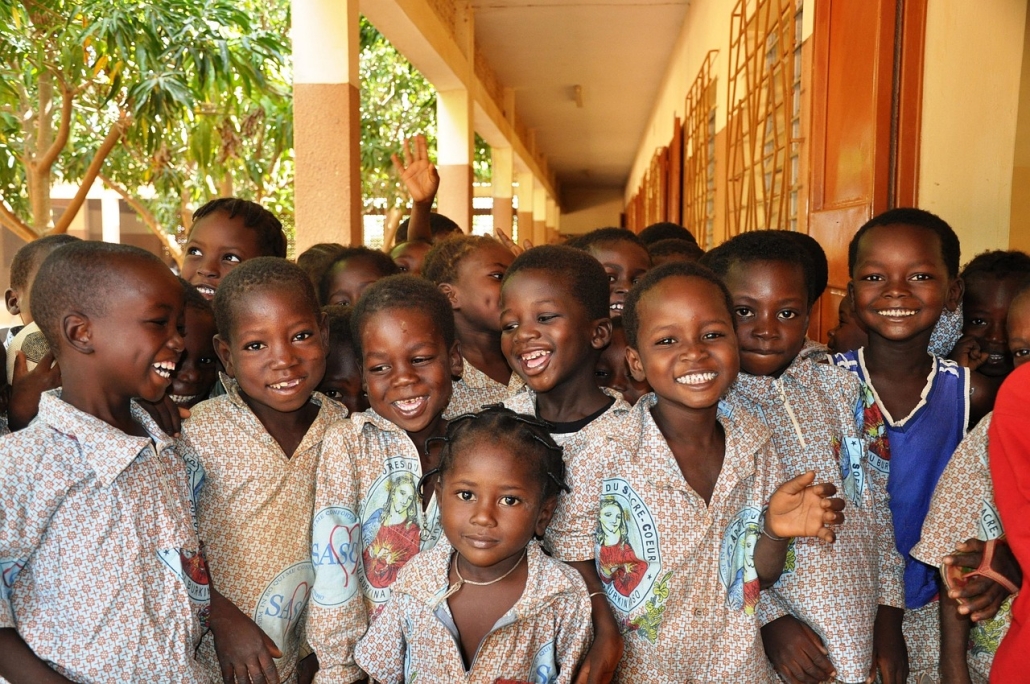 Global poverty has declined in recent decades and much of this progress stems from policies that have helped lift millions out of poverty. Governments and organizations did not rely on chance; they implemented targeted strategies that improved incomes, expanded opportunities and strengthened social protection. Here is an overview of several policies that have helped lift millions out of poverty, highlighting real-world examples and why they worked.
Conditional Cash Transfers: Direct Support That Works
One of the most effective policies that lifted millions out of poverty is conditional cash transfers. These programs provide money to low-income families while encouraging education and health care.
In Brazil, the Bolsa Família program helped alleviate extreme poverty and improve school attendance. Low-income families with children receive payments in return for sending their children to school and ensuring regular health care checkups. According to the World Bank, the program has contributed significantly to Brazil’s declining poverty and inequality.
Mexico also implemented a similar program, Prospera, which has shown long-term improvements in education and health outcomes. These programs succeed because they address immediate needs while investing in future generations.
Investments in Rural Development and Agriculture
Many impactful policies that have lifted people out of poverty have focused on the rural populations, where poverty is often concentrated. In Vietnam, rural development and agricultural reform played a central role in poverty reduction. This began in the ’80s with the Đổi Mới reforms.
The government moved away from collective farming toward a market-oriented system that gave households control over land and production. According to the United Nations Development Programme (UNDP) these reforms have helped reduce poverty from 58% in 1993 to 16% by 2006, largely driven by improvements in rural livelihoods and agricultural productivity. These reforms worked because they empowered individuals, improved market access and encouraged economic participation.
Expanding Access to Education
Education plays a vital role in policies that have lifted millions out of poverty, particularly when governments prioritize girls’ education. Bangladesh made major progress by increasing female school enrollment and supporting women’s employment in industries like textiles. Programs that provided stipends for girls to attend school helped delay early marriage and improve long-term earning potential.
According to UNICEF, Bangladesh achieved near gender parity in primary and secondary education. Educated women contribute more to the workforce, support healthier families and help break cycles of poverty.
Universal Health Care and Social Protection Systems
Strong social protection systems represent another group of policies that lifted millions out of poverty. These systems reduce financial shocks and improve overall well-being. In Rwanda, the government introduced community-based health insurance, expanding access to medical care.
Citizens gained affordable health care, reducing out-of-pocket expenses and preventing families from falling deeper into poverty. The World Health Organization (WHO) highlights Rwanda as a model for expanding health care coverage in low-income countries. Health care access supports productivity and stability, both of which drive poverty reduction.
Economic Growth Paired With Inclusive Policies
Economic growth alone does not reduce poverty; governments must pair growth with inclusive strategies. China provides a clear example of this combination.
China experienced rapid economic growth while implementing targeted poverty alleviation programs in rural areas. These programs included infrastructure development, relocation initiatives and job creation. The World Bank estimates that China has lifted more than 800 million people out of poverty since 1980, largely through these initiatives.
China’s approach shows that growth must reach marginalized communities to create a lasting impact.
Why These Policies Matter Today
These examples of policies that have lifted millions out of poverty reveal common traits:
- Governments targeted the most vulnerable populations
- Leaders invested in long-term human development
- Programs combined immediate relief with structural change
- Organizations like The Borgen Project advocate for similar approaches because they produce measurable results.
Global poverty remains a challenge, but these successes prove that effective policies can drive meaningful change. When countries adopt and adapt these strategies, they move closer to achieving the United Nations Sustainable Development Goals (SDGs) of ending poverty worldwide.
– Leah Denning
Leah is based in Bristol, UK and focuses on Good News and Politics for The Borgen Project.
Photo: Pixabay
