Career Building Initiatives for Working Women in Kazakhstan
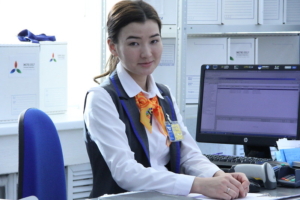 Kazakhstan has taken several steps to encourage and protect employed women, including implementing legal safeguards and diversifying political representation. Despite these efforts, there are still disparities between women and men in the workforce. On average, women are 10% less likely to participate in the paid workforce. Similarly, according to the World Bank, women are less likely to be business owners, with 71% of businesses run by men as opposed to 29% run by women. In addition, almost a quarter of working women in Kazakhstan are vulnerably employed, meaning that there are little to no protections in place to guard against economic shocks.
The most notable disparity for working women in Kazakhstan is their participation in domestic labor. A study by the World Bank notes that “women in Kazakhstan spent 19% of their day and men spent 6.3% of their day on unpaid work.” This means that working women in Kazakhstan spend approximately three times more energy and time on domestic tasks in addition to their paid jobs than their male counterparts.
Combating Gender Stereotypes in Kazakhstan
The Asian Development Bank (ADB) notes that gender stereotyping persists among Kazakh citizens. For instance, men are more likely to seek higher education, especially technical and vocational education, as women remain associated with the domestic sphere. Cultural norms in Kazakhstan are generally positive toward gender equality, however, women are less likely to be seen as political and business leaders. Instead, there is a widespread expectation of women to assume roles associated with family.
The Kazakhstan Country Gender Assessment urges Kazakhstan to implement strategies to diversify the workforce and make jobs more accessible to women. It highlights gender equality in diverse sectors as an important theme to be mainstreamed into initiatives to build regional knowledge platforms. Furthermore, it encourages the country to implement initiatives such as raising awareness on gender equality, career or leadership advising services for female students and empowering female perspectives, especially on a government level.
Operation Mercy’s Comprehensive Approach
Several initiatives aim to create opportunities for working women in Kazakhstan. A notable program that promotes female empowerment is Operation Mercy, founded in 1991. It advocates the Self Help Approach, which encourages women to cultivate self-worth on an individual and community level. In addition, it specifically focuses on impoverished communities and relationship building on an interpersonal, community and faith-based level, providing education services through academic establishments. The operation’s ongoing programs cover taboo topics, such as STDs, unwanted pregnancy and trafficking, all of which disproportionately affect young women. By providing this information, Operation Mercy motivates young Kazakh women to prioritize their well-being, enabling them to focus on their careers and futures. Each year, the organization serves more than 2,000 students.
Skill-Building for Women in STEM
In Astana, a skill-building marathon organized by the United Nations Development Programme (UNDP) specifically targeted women in STEM, hosting 37 women with science education backgrounds. The Skillathon aimed at demonstrating to participants how to develop soft skills for career advancement and promote research. The seminars began by raising awareness around the importance of dismantling prejudice and stereotypes in the STEM field and empowering women to showcase their knowledge and skills, leading by example for future generations. In addition, the initiative led sessions to sharpen technical skills, like communication, commercialization of scientific projects and systems thinking.
Gender Equity in Renewable Energy
Efforts by the U.S. Agency for International Development (USAID) to promote gender equity in Kazakhstan’s renewable energy sector addresses the low participation rate of women, which stands at a mere quarter of the workforce. Recognizing the historical gender imbalance, USAID has initiated training events, site visits and networking opportunities aimed at breaking down barriers for women in this field. Furthermore, USAID’s introduction of internship opportunities in 2019 is a strategic move to create more inclusive employment prospects within the energy sector.
Looking Forward
As Kazakhstan continues to address gender disparities in the workforce, initiatives like Operation Mercy, the UNDP Skillathon, and USAID’s focus on renewable energy offer promising pathways toward greater equality and empowerment for women. These efforts, aimed at breaking down barriers and promoting female participation across diverse sectors, lay the groundwork for a more inclusive and equitable future.
– Anna Williams
Anna is based in Burlington, VT, USA and focuses on Good News and Global Health for The Borgen Project.
Photo: Flickr
