Education in the Philippines
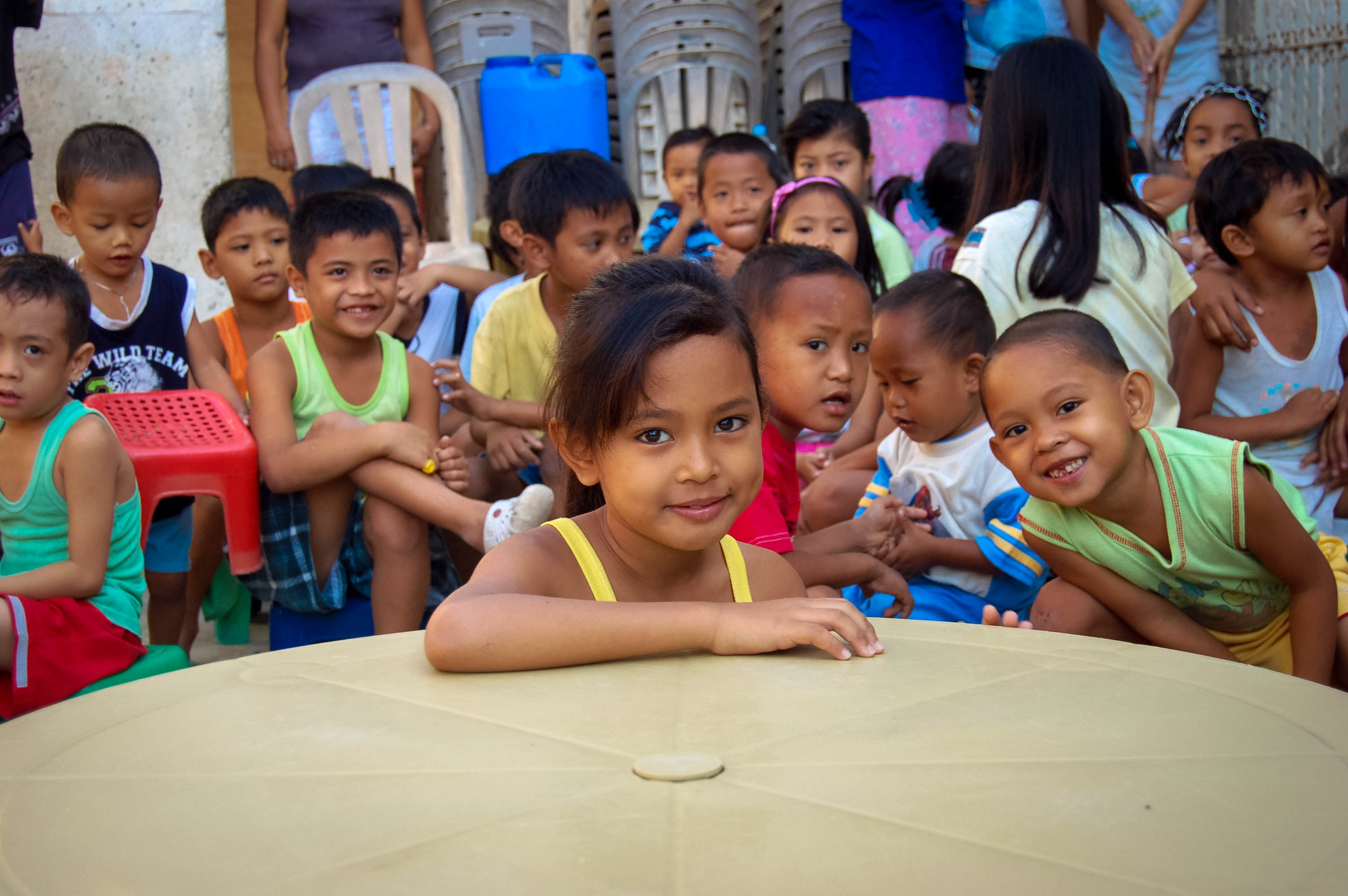
The Philippines is a growing nation with a population of over 108 million people. The island nation is struggling to teach its young students. There are shortages and dropout rates that are the norm throughout the country and are harming the countries wellbeing. Here are some statistics about education in the Philippines.
By the numbers
The Philippines has 45,973 public schools throughout the country, of which, 38,503 are elementary schools, and 7,470 are high schools. There are a total of 27.7 million students in the Philippines with 22.9 million going to public schools and 4.8 million going to private schools. Funding for education in the Philippines as of 2018 is 672.41 billion Philippine pesos or 12.8 billion USD. This funding is among the lowest budgeted among the Association of Southeast Asian Nation (ASEAN) countries.
Dropouts
The Philippines currently has the highest dropout rates among all of the ASEAN countries, with a dropout rate of 6.38 percent in elementary students and 7.82 percent of secondary school students. There are a number of reasons for the high dropout rate, but the top three reasons seem to be:
- Hunger, students will skip class to find something to eat when there is no food at home or at school.
- Work, to help provide for their families students will stay at home and work on family farms or businesses.
- Conflict, this problem is primarily in the southern regions of the country in Mindanao where there have been insurgents disrupting life for the past 50 years.
Today, there are currently 1.4 million students who are out-of-school in the Philippines.
Shortages
There is a significant lack of supplies and teachers throughout the country. The number of students in the classrooms is a ratio of one teacher for every 31 students at the elementary level with one teacher for every 36 students at the secondary level. These numbers are down from a year ago where the ratio was one teacher for every 45 students. This has a negative impact on the students in the classroom who do not receive the attention needed to learn. There is also a shortage of supplies in the classroom. Along with the increased number of students comes the lack of chairs, textbooks and even drinking water for the students, particularly in the cities. Classrooms will sometimes have two or even three students sharing a single textbook. According to the Philippines Department of Education, the country needs 60 million textbooks, 2.5 million chairs and over 80,000 sanitation facilities for the schools throughout the country.
The Good News
The future of education in the Philippines does have a positive outlook. The Philippines currently enjoys a literacy rate of 97.5 percent, an increase from 92.3 percent in 2000. There is a program called the 1,000 Teachers Program aimed at giving scholarships to high performing, but underprivileged high school students. The program is aimed at relieving some of the pressure that the school system is facing to gain more teachers for the classrooms.
With many problems with education in the Philippines, there are significant hurdles to meet if the country wants to improve its system. More teachers, supplies and money are needed to help the students who desperately want to learn and improve their lives.
– Sam Bostwick
Photo: Wikimedia
