Ten Facts About Life Expectancy in the Central African Republic
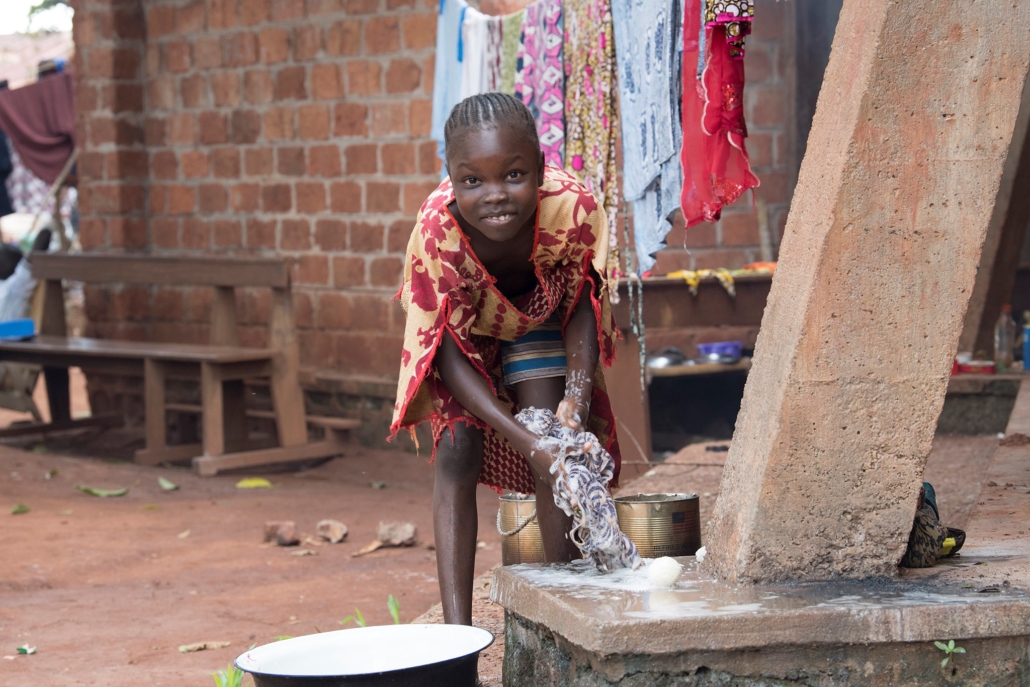
The Central African Republic is home to around 4.8 million people. Due to its civil unrest, this country also has one of the lowest life expectancies in the world and is in a state of crisis. Here are the top 10 facts about the life expectancy in the Central African Republic that reflect the current quality of life, as well as the steps set for future improvement.
Ten Facts About Life Expectancy in the Central African Republic
1. As of 2018, the average life expectancy in the Central African Republic is 53 years, which gives it a ranking of 217 out of 224 countries. The average male life expectancy is 51.7 years, while the average female life expectancy female is slightly higher at 54.4 years.
2. After winning independence from France in 1960, the Central African Republic suffered decades of political instability. In early 2018, more than 18,000 citizens of the Central African Republic fled fighting in their homeland to take refuge in neighboring Chad. The violence and displacement of these people are some of the main causes of the low life expectancy. As of 2016, more than half of the population was in need of food and the violence had killed thousands. The fighting also forced Muslims to flee their homes in the Christian-majority country.
3. Although the average life expectancy seems despairingly low, the Central African Republic has made improvements in its overall health over the past few years. After the persistent military crisis, the country’s overall life expectancy dropped to a low of 43 years in 2007. Luckily, after President Francois Bozize signed peace pacts with two rebel groups, the Central African Republic was able to tackle more of its own political, economic and social conditions, contributing to a dramatic rise in life expectancy.
4. The leading causes of death in the Central African Republic include HIV/AIDS, influenza, pneumonia and diarrheal diseases. According to the World Health Organization, HIV/AIDS deaths in the Central African Republic account for 13 percent of total deaths in the country. Influenza and pneumonia deaths make up 11 percent of deaths while diarrheal diseases account for around eight percent of deaths.
5. The life expectancy does not account for the fact that an estimated 14.4 percent of the average life is spent in poor health. While diseases account for a high proportion of deaths, poor nutrition is one of the main causes of early decline. Years of conflict have reduced the mobility of populations, which in turn has hindered people’s ability to grow crops, buy food and access health care. “Most of the people live on less than $1 a day. There is little food. Even cassava, the most basic foodstuff in the local diet, is often scarce”, said Dr. Deus Bazira from the World Health Organization. Pregnant women and children are often the most vulnerable individuals and are most susceptible to malnutrition.
6. Throughout the country, there is currently an extreme water and hygiene crisis. Sixty-eight percent of the rural population lacks access to clean and safe water, which increases the risk of diarrheal diseases and otherwise preventable water-borne diseases.
7. Areas outside of Bangui, the capital of the Central African Republic, have limited health care. Much of the population faces poorly equipped and understaffed clinics in the countryside. Bangui itself has only one major hospital, which is limited in care. The distribution of medicine is also difficult due to the lack of transportation.
8. Since 2016, the country is working to improve its overall health with a new trajectory under the leadership of the government. The Central African Republic plans to improve the nutritional status of vulnerable groups, such as those with disabilities, children, pregnant women and malnourished patients. “This new commitment to improving the health and nutrition of the poorest and most vulnerable will help ease the poverty that stymies the Central African Republic’s growth and unlock its economic potential,” said Mariam Claeson, Director of the Global Financing Facility.
9. On January 7, 2019, the U.N. worked with the Central African Republic to launch the 2019 Humanitarian Response Plan. This operation requested around $430 million to provide humanitarian assistance to 1.7 million people this year, a major step in improving health conditions throughout the country.
10. Although providing humanitarian aid is difficult due to security and logistical constraints, international operations and organizations are assisting the Central African Republic through its current crisis. The International Rescue Committee and The European Union’s Civil Protection and Humanitarian Aid Operations department (ECHO) are examples of major strides to offer medical care, water and sanitation services and protection for people in high-risk areas.
These 10 facts about life expectancy in the Central African Republic provide insight into the progress made and steps needed to improve the quality of life in the country. Although the state of health remains unstable, with relief agencies working to assist conflict-affected populations, the Central African Republic will hopefully continue to increase its life expectancy over the next few years.
– Malini Nayak
Photo: Flickr
