Top 10 Facts About Life Expectancy in Belize
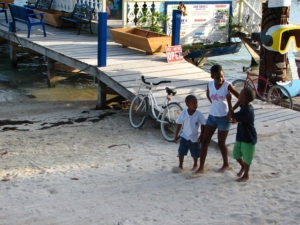
Belize is a small country located in Central America, along the Caribbean Sea. It has the lowest population in Central America, populated by 385,854 people. It is an English speaking country comprised of people from several different ethnic backgrounds. Tourism makes up the greater part of the economy of Belize, as it contains beautiful islands with crystal-clear waters that attract people year-round. Belize is both a destination and a home for many. Despite the tourist-rich islands, poverty is widespread throughout the country and its effects remain prevalent in many lives. Below is a list of the top 10 facts about life expectancy in Belize.
Top 10 Facts About Life Expectancy in Belize
- As of 2018, the average life expectancy in Belize is 74.7 years. For females, the average is 76.3 years, while the males’ average is slightly lower at 73.1 years old. According to the Central Intelligence Agency, this life expectancy ranks 122nd globally. The life expectancy in Belize has improved over the past few decades, increasing from an average of 71.1 years in 1990.
- About 40 percent of the annual deaths in Belize is comprised of cardiovascular diseases, cancers, diabetes, and chronic respiratory disease. The second greatest mortality rates result from injuries and external causes at about 28 percent annually. An additional 20 percent results from communicable diseases, such as HIV, which continues to be a concern throughout Belize.
- The country’s high homicide rate specifically affects male life expectancy. According to the United Nations Office on Drugs and Crime, Belize is continually ranked on the top 10 list for world homicides. Gang violence is extremely present in Belize City, making homicide one of the leading causes of death in males, alongside HIV and road traffic incidents.
- Poverty is most prevalent within the child population of Belize. While 41 percent of the total population lives below the poverty line, approximately 49.3 percent of all children live in poverty. Children are less likely to overcome poverty since they cannot fully provide for themselves.
- There is a substantial impact on the indigenous population in Belize from poverty. Of all children under the age of five, 18 percent suffer from stunting; However, this percentage jumps to 50 percent when looking at the indigenous community.
- Belize has high access to clean resources. 99.5 percent of the population has access to a water source. One factor is the significant amount of the population that lives along the coast. Another 90.5 percent of the population has access to a sanitation facility. The high percentage of access to water and sanitation allows for better overall health in the country, aiding the life expectancy in Belize.
- Belize is susceptible to natural disasters such as hurricanes and coastal flooding between June and November. Due to flooding and infrastructure, the damage comes lack or difficulty to access clean resources, such as water. As a result, sanitary conditions are put in jeopardy. Furthermore, this gives way to the spread of waterborne illness or infectious disease, specifically in children, who are more vulnerable to sickness. Ultimately, being detrimental to life expectancy in Belize.
- The Belize Health Structure Strategic plan was created in 2014 to improve the country’s health sector by 2024. The goal is to develop a Primary Health care based system through integrated health service delivery networks. This will both positively impact the health of the population while creating more sustainable outcomes.
- The World Bank Group has created an objective to improve youth employability and at-risk youth inclusion. This is a targeted program to enhance the employment of youth, and specifically at-risk youth males, ages 8-19, who are susceptible to street violence and crime. It aims to provide young people with the skills needed to work and motivation to remain employed.
- The World Health Organization created a country cooperation strategy agenda with four specific priorities from 2017-2021. The goal is to achieve a higher quality of life for all people in Belize. The agenda includes health systems accessible to all, human resources for the growing population, promoting health and wellness to reduce the major causes of death, and addressing health emergencies to the public.
The top 10 facts about life expectancy in Belize reveal the country’s continual struggle with poverty and its impacts on health and well being; However, it simultaneously shines a light on the significant steps the country and government is taking. With a constantly increasing population, the next decade of growth and improvement is crucial for the country of Belize.
– Savannah Huls
Photo: Flickr
