• Link to X
  • Link to Facebook
  • Link to Instagram
  • Link to TikTok
  • Link to Youtube
  • About
    • About Us
      • President
      • Board of Directors
      • Board of Advisors
      • Financials
      • Our Methodology
      • Success Tracker
      • Contact
  • Act Now
    • 30 Ways to Help
      • Email Congress
      • Call Congress
      • Volunteer
      • Courses & Certificates
      • Be a Donor
    • Internships
      • In-Office Internships
      • Remote Internships
    • Legislation
      • Politics 101
  • The Blog
  • The Podcast
  • Magazine
  • Donate
  • Click to open the search input field Click to open the search input field Search
  • Menu Menu
Blog - Latest News
Global Poverty, United Nations, Water

The Current Water Quality in Tajikistan
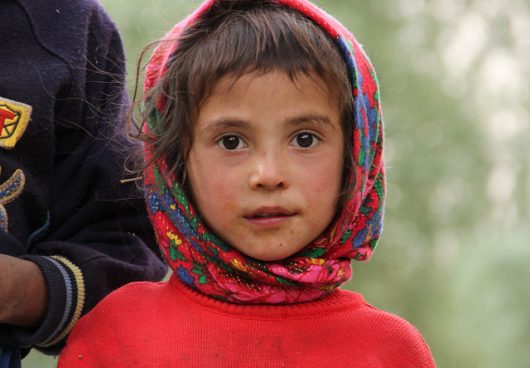

Tajikistan has a population of 8.3 million, with an average life expectancy of 68 years. In the past 15 years, the country’s health policies were targeting many issues, including the water quality in Tajikistan.

The country has plentiful water resources through its two main river systems — the Amu Darya and the Syr Darya. These rivers account for 90 percent of Central Asia’s river water and 75 percent of the water used in irrigated agriculture, which account as fresh water reserves. The hydro-graphic network of Tajikistan is comprised of more than 25 thousand rivers, which mostly originated from glaciers totaling 69,200 km in length.

Despite the abundant water resources in the country, the drinking water supply system in rural areas remains underdeveloped. As much as 57.6 percent of the population had access to safe drinking water in Tajikistan in 2011.

After the first visit of Léo Heller, a U.N. expert on the right to safe drinking water and sanitation in 2015, the World Health Organization (WHO) had launched a support program for Tajikistan. The program particularly focuses on water quality in Tajikistan’s rural areas, which includes nearly 72 percent of the country’s population.

Water Safety Plan, one of the main guidelines on managing drinking water quality and sanitation developed for Tajikistan is supported by the German Federal Ministry for the Environment, Nature Conservation and Nuclear Safety (BMU). The plan was adopted by the government to be utilized prior to 2020. This was “a critical moment for the realization of the human rights to water and sanitation in Tajikistan,” Heller said.

Meanwhile, water in Tajikistan is mainly used for irrigation, as the water traveling through pipes is not safe for consumption. The government of Tajikistan is attempting to prioritize its budget to help fundamental human rights and slow the spread of water-borne diseases through allocating its budget for sanitation and water supply. These measures are to ensure access to drinkable water in every part of the country.

– Yana Emets

Photo: Flickr

May 17, 2017
Share this entry
  • Share on Facebook
  • Share on X
  • Share on WhatsApp
  • Share on Pinterest
  • Share on LinkedIn
  • Share on Tumblr
  • Share on Vk
  • Share on Reddit
  • Share by Mail
https://borgenproject.org/wp-content/uploads/borgen-project-logo.svg 0 0 Borgen Project https://borgenproject.org/wp-content/uploads/borgen-project-logo.svg Borgen Project2017-05-17 01:30:562024-05-27 09:34:41The Current Water Quality in Tajikistan

Get Smarter

  • Global Poverty 101
  • Global Poverty… The Good News
  • Global Poverty & U.S. Jobs
  • Global Poverty and National Security
  • Innovative Solutions to Poverty
  • Global Poverty & Aid FAQ’s
Search Search

Take Action

  • Call Congress
  • Email Congress
  • Donate
  • 30 Ways to Help
  • Volunteer Ops
  • Internships
  • Courses & Certificates
  • The Podcast
Borgen Project

“The Borgen Project is an incredible nonprofit organization that is addressing poverty and hunger and working towards ending them.”

-The Huffington Post

Inside The Borgen Project

  • Contact
  • About
  • Financials
  • President
  • Board of Directors
  • Board of Advisors

International Links

  • UK Email Parliament
  • UK Donate
  • Canada Email Parliament

Get Smarter

  • Global Poverty 101
  • Global Poverty… The Good News
  • Global Poverty & U.S. Jobs
  • Global Poverty and National Security
  • Innovative Solutions to Poverty
  • Global Poverty & Aid FAQ’s

Ways to Help

  • Call Congress
  • Email Congress
  • Donate
  • 30 Ways to Help
  • Volunteer Ops
  • Internships
  • Courses & Certificates
  • The Podcast
Link to: What Are the Top Diseases in Bolivia? Link to: What Are the Top Diseases in Bolivia? What Are the Top Diseases in Bolivia? Link to: 10 Things You Need to Know About Refugees From Iraq Link to: 10 Things You Need to Know About Refugees From Iraq 10 Things You Need to Know About Refugees From Iraq
Scroll to top Scroll to top Scroll to top