• Link to X
  • Link to Facebook
  • Link to Instagram
  • Link to TikTok
  • Link to Youtube
  • About
    • About Us
      • President
      • Board of Directors
      • Board of Advisors
      • Financials
      • Our Methodology
      • Success Tracker
      • Contact
  • Act Now
    • 30 Ways to Help
      • Email Congress
      • Call Congress
      • Volunteer
      • Courses & Certificates
      • Be a Donor
    • Internships
      • In-Office Internships
      • Remote Internships
    • Legislation
      • Politics 101
  • The Blog
  • The Podcast
  • Magazine
  • Donate
  • Click to open the search input field Click to open the search input field Search
  • Menu Menu
Blog - Latest News
Global Poverty, Water

Speaking About the Problems of Water Quality in Denmark
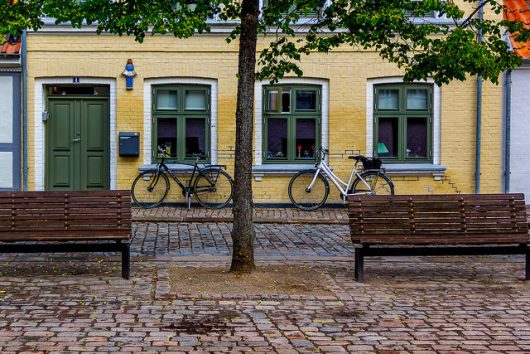

Denmark is the smallest of the Scandinavian countries and, as of 2015, holds a population of just under 5.7 million. Denmark’s the proud owner of some of the best drinking water in Europe and luckily hasn’t faced many challenges accessing clean water over the last few decades. The water quality in Denmark is quite high and matches the high price tag that consumers pay for their water.

Although the country has come a long way, Denmark hasn’t always had such clean drinking water. In the 1960s, polluted water, especially around the capital in Copenhagen, made up the majority the country’s aquatic substances.

Water prices have been historically high in Denmark. The high price of water deters unnecessary consumption, helps conserve water and led to a significant drop in water consumption over the last 20 years. In 1989, the water consumption rested at 170 liters per day on average, while in 2012 that number dropped to 114. This is mirrored and encouraged by the increase in the price of water from two euros to seven euros per cubic meter.

Denmark has a total land area of about 43,000 km. The drinking water purchased by citizens comes entirely from groundwater. The government believes that drinking water should only need minimal treatment to classify as great quality. Some of the treatments that the water goes through are filtration, pH testing and adjustments.

The majority of the water is already of high quality and often needs only a few adjustments. The groundwater in the deeper aquifers is also generally very favorable for the small amount of intervention needed.

The shallow aquifers closer to the surface are the ones that need the most purification and are the most polluted water in the country today. Recently, water suppliers have been forced to go deeper down to find cleaner water.

The water quality in Denmark is vastly superior to many other countries around the world. Consumers are getting what they are paying for with very safe and clean water.

– Brendin Axtman

Photo: Flickr

Photo: Flickr

July 4, 2017
Share this entry
  • Share on Facebook
  • Share on X
  • Share on WhatsApp
  • Share on Pinterest
  • Share on LinkedIn
  • Share on Tumblr
  • Share on Vk
  • Share on Reddit
  • Share by Mail
https://borgenproject.org/wp-content/uploads/borgen-project-logo.svg 0 0 Borgen Project https://borgenproject.org/wp-content/uploads/borgen-project-logo.svg Borgen Project2017-07-04 01:30:452024-05-28 00:02:28Speaking About the Problems of Water Quality in Denmark

Get Smarter

  • Global Poverty 101
  • Global Poverty… The Good News
  • Global Poverty & U.S. Jobs
  • Global Poverty and National Security
  • Innovative Solutions to Poverty
  • Global Poverty & Aid FAQ’s
Search Search

Take Action

  • Call Congress
  • Email Congress
  • Donate
  • 30 Ways to Help
  • Volunteer Ops
  • Internships
  • Courses & Certificates
  • The Podcast
Borgen Project

“The Borgen Project is an incredible nonprofit organization that is addressing poverty and hunger and working towards ending them.”

-The Huffington Post

Inside The Borgen Project

  • Contact
  • About
  • Financials
  • President
  • Board of Directors
  • Board of Advisors

International Links

  • UK Email Parliament
  • UK Donate
  • Canada Email Parliament

Get Smarter

  • Global Poverty 101
  • Global Poverty… The Good News
  • Global Poverty & U.S. Jobs
  • Global Poverty and National Security
  • Innovative Solutions to Poverty
  • Global Poverty & Aid FAQ’s

Ways to Help

  • Call Congress
  • Email Congress
  • Donate
  • 30 Ways to Help
  • Volunteer Ops
  • Internships
  • Courses & Certificates
  • The Podcast
Link to: How Namibia’s Fiscal Policies Reduce Nationwide Poverty Link to: How Namibia’s Fiscal Policies Reduce Nationwide Poverty How Namibia’s Fiscal Policies Reduce Nationwide Poverty Link to: Countries That Still Have Slavery Link to: Countries That Still Have Slavery Countries That Still Have Slavery
Scroll to top Scroll to top Scroll to top