Top 10 Facts About Girls’ Education in North Korea
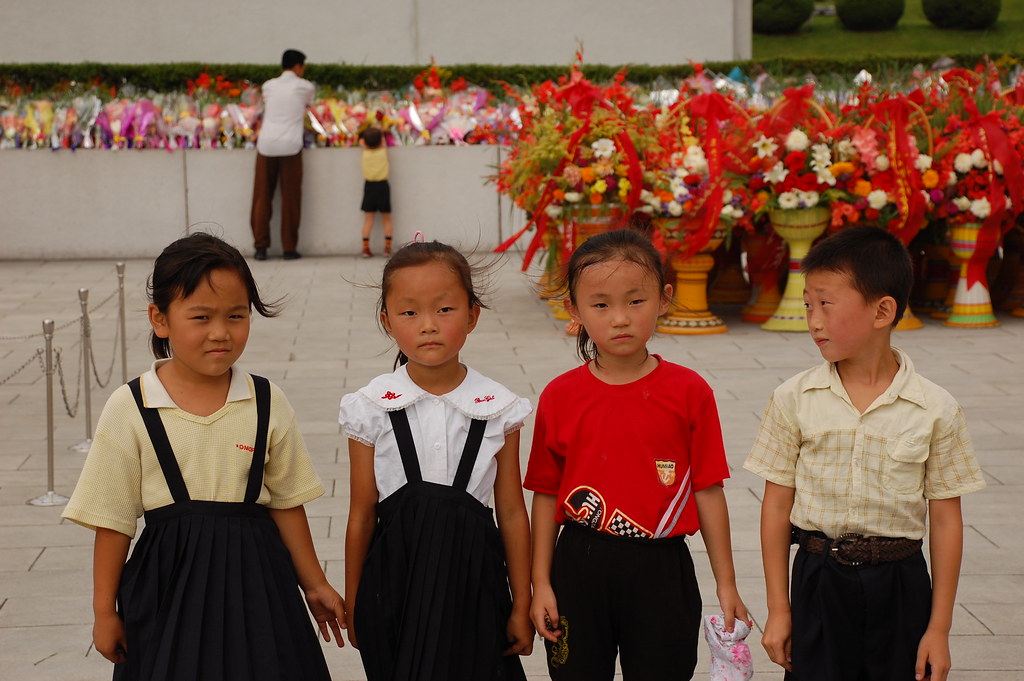
Article 43 of the constitution accentuates the importance of socialist pedagogy as a means of raising younger generations. These are generations who will contribute to society in the future. Conversely, the attitude towards girls’ education in North Korea is rather different from the perceived authoritarian nature of the regime.
The state of girls’ education in North Korea is a great insight into the country’s public education system. It also unveils North Korean society as a whole. Additionally, it sheds light on its government policies. Like any another child, all young girls in North Korean children have personal goals and ambitions.
10 Facts About Girls’ Education in North Korea
- North Korea also has one of the highest literacy rates in the world at 99 percent. This is particularly due to the fact that girls’ education in North Korea is mandatory as the state stresses the compulsory secondary education for both genders.
- The official North Korean newspaper, Pyongyang Times, encourages the participation of women and encourages education opportunities. A 1991 article showcased Kim Hwa Suk, a woman who completed compulsory education and worked as a farmer. Soon after, she attended university and chaired her cooperative’s management board. She eventually attained a position as a deputy to the Supreme People’s assembly.
- Apart from a core curriculum, most children receive their education from the Kim Il, Sung Socialist Alliance. Idolization education begins from the early stages of education for both boys and girls.
- The high school curriculum includes classes like “Kim Jong Un’s Revolutionary History”. The middle school curriculum teaches subjects such as “Kim Jung Un’s Revolutionary Acts.”
- The government has established over 11 schools for disabled children in the country for both girls and boys. This provides access to equal opportunities in life by providing a strong educational foundation.
- There seems to be a certain parity in girls’ education in North Korea. Both genders are to take ideology classes at the university level like “Juche Political Economy”, “History of the Revolution” and the “Philosophy of the Juche Ideology,” along with their declared majors.
- Girls’ education in North Korea has helped change gender roles over the years. Many women are now getting opportunities to major in fields like medicine, biology, literature and foreign languages
- However, ‘Confucian Patriarchy’, is unfortunately a part of society and is an impediment to girls’ education in North Korea. These tend to adversely impact women particularly during admissions into higher education institutions.
- Even though women are allowed to train for military service, sexual violence remains rampant among women who join the army. Furthermore, many women continue to be denied access to education according to Human Rights Watch and don’t receive the social credit or papers for household registration.
- Moreover, most women are expected to actively take part in the labor force and the government endorses this commitment equally between both men and women which is also attributed, in part, to the country’s dire labour shortages.
To conclude, contrary to popular opinion, societal attitudes toward women and girls continue to advance. Further progress for girls’ education in North Korea is of great historical and social significance. This is especially significant given the repressive nature of the government. It will remain an important foundation toward making further strides in the realm of gender equality and tackling other related issues.
-Shivani Ekkanath
Photo: Flickr
