• Link to X
  • Link to Facebook
  • Link to Instagram
  • Link to TikTok
  • Link to Youtube
  • About
    • About Us
      • President
      • Board of Directors
      • Board of Advisors
      • Financials
      • Our Methodology
      • Success Tracker
      • Contact
  • Act Now
    • 30 Ways to Help
      • Email Congress
      • Call Congress
      • Volunteer
      • Courses & Certificates
      • Be a Donor
    • Internships
      • In-Office Internships
      • Remote Internships
    • Legislation
      • Politics 101
  • The Blog
  • The Podcast
  • Magazine
  • Donate
  • Click to open the search input field Click to open the search input field Search
  • Menu Menu
Blog - Latest News
Developing Countries, Global Poverty, Human Rights, Women & Children, Women and Female Empowerment

The Facts on Breast Ironing
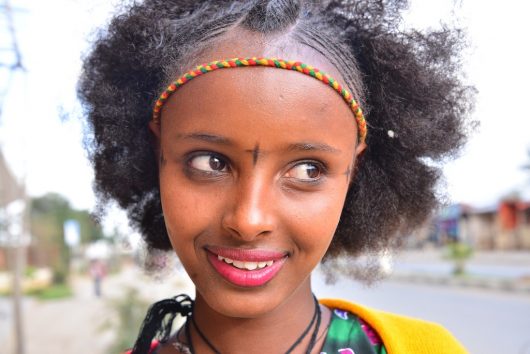
The Practice of Breast Ironing
The practice of breast ironing occurs when the breasts of young girls are pounded with heated objects such as spatulas, hammers and rocks. The aim of the tradition is to halt breast growth in order to slow puberty, and sometimes the practice is done in order to postpone girls’ first sexual relationships. The ritual is mainly carried out by female relatives of the victim. Approximately 3.8 million teenagers are affected by breast ironing worldwide, according to the U.N.

Breast ironing is very popular in the nation of Cameroon. Carole, a victim of the practice there, explains how her mother told her that it was necessary. She claimed it was to keep away men because “‘men mean pregnancy.'” The routine would consist of her mother pressing a hot rock onto each of her breasts several times. It has left Carole with the permanent disfigurement of her breasts, which she describes as “flabby.”

Physical defects are common consequences of this practice. Many maturing girls also face the possibility of breast cancer or difficulty breastfeeding. Mental trauma occurs as well, such as low-self esteem and feelings of betrayal or resentment.

Breast ironing affects about one in four girls in Cameroon, but it is by no means limited to this country in particular. The practice also occurs in the nations of Nigeria, Benin and Chad, according to Newsweek.

Recently, reports revealed that the practice was taking place in some African communities within the U.K. as well. The CAME Women and Girls Development Organisation, a charity campaigning on behalf of breast ironing victims, has claimed that over 1,000 girls in Britain have dealt with the practice.

Fortunately, a number of global charities have increased volunteer work within Cameroon. Sex education is now being stressed as a better means to ending the pregnancies of young girls. By spreading awareness and offering educational services, the practice of breast ironing is already on its way to being stopped.

– Gigi DeLorenzo

Photo: Flickr

June 19, 2017
Share this entry
  • Share on Facebook
  • Share on X
  • Share on WhatsApp
  • Share on Pinterest
  • Share on LinkedIn
  • Share on Tumblr
  • Share on Vk
  • Share on Reddit
  • Share by Mail
https://borgenproject.org/wp-content/uploads/borgen-project-logo.svg 0 0 Borgen Project https://borgenproject.org/wp-content/uploads/borgen-project-logo.svg Borgen Project2017-06-19 01:30:002024-12-13 17:58:05The Facts on Breast Ironing

Get Smarter

  • Global Poverty 101
  • Global Poverty… The Good News
  • Global Poverty & U.S. Jobs
  • Global Poverty and National Security
  • Innovative Solutions to Poverty
  • Global Poverty & Aid FAQ’s
Search Search

Take Action

  • Call Congress
  • Email Congress
  • Donate
  • 30 Ways to Help
  • Volunteer Ops
  • Internships
  • Courses & Certificates
  • The Podcast
Borgen Project

“The Borgen Project is an incredible nonprofit organization that is addressing poverty and hunger and working towards ending them.”

-The Huffington Post

Inside The Borgen Project

  • Contact
  • About
  • Financials
  • President
  • Board of Directors
  • Board of Advisors

International Links

  • UK Email Parliament
  • UK Donate
  • Canada Email Parliament

Get Smarter

  • Global Poverty 101
  • Global Poverty… The Good News
  • Global Poverty & U.S. Jobs
  • Global Poverty and National Security
  • Innovative Solutions to Poverty
  • Global Poverty & Aid FAQ’s

Ways to Help

  • Call Congress
  • Email Congress
  • Donate
  • 30 Ways to Help
  • Volunteer Ops
  • Internships
  • Courses & Certificates
  • The Podcast
Link to: Segregated Education in Libya, Post-Gaddafi Link to: Segregated Education in Libya, Post-Gaddafi Segregated Education in Libya, Post-Gaddafi Link to: Water Quality in Armenia Link to: Water Quality in Armenia Water Quality in Armenia
Scroll to top Scroll to top Scroll to top