• Link to X
  • Link to Facebook
  • Link to Instagram
  • Link to TikTok
  • Link to Youtube
  • About
    • About Us
      • President
      • Board of Directors
      • Board of Advisors
      • Financials
      • Our Methodology
      • Success Tracker
      • Contact
  • Act Now
    • 30 Ways to Help
      • Email Congress
      • Call Congress
      • Volunteer
      • Courses & Certificates
      • Be a Donor
    • Internships
      • In-Office Internships
      • Remote Internships
    • Legislation
      • Politics 101
  • The Blog
  • The Podcast
  • Magazine
  • Donate
  • Click to open the search input field Click to open the search input field Search
  • Menu Menu

Tag Archive for: Project Hope

Posts

Global Poverty

Project HOPE: Improving Maternal and Neonatal Health in Sierra Leone

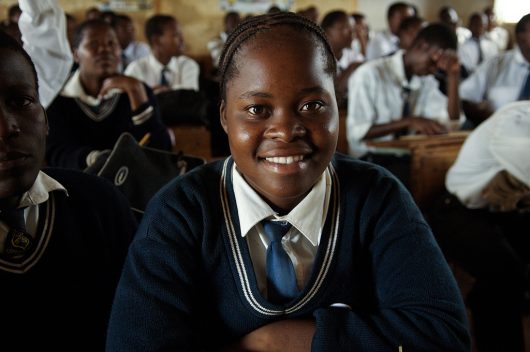
Maternal and Neonatal Health in ZimbabweProject HOPE stands for Health Opportunities for People Everywhere. It is an international health and humanitarian relief organization. The organization works to strengthen and improve health systems around the globe. Founded in 1958, Project HOPE responds to health crises and disasters but often stays in areas long after a disaster has hit to address other neglected health issues. Project HOPE entered Sierra Leone in 2014 in response to the Ebola outbreak. After sending an emergency response team and shipments of medical supplies to help contain the outbreak, permanent Project HOPE health workers remained in Sierra Leone. Now, their biggest health concern is to improve maternal and neonatal health in Sierra Leone.

Maternal and Neonatal Mortality Rates in Sierra Leone

Sierra Leone has the highest maternal mortality rate in the world with 1,360 mothers dying per every 100,000 live births. The main causes of maternal death include bleeding, pregnancy-induced hypertension, infection, unsafe abortions and anemia. An alarming 40 percent of Sierra Leone’s maternal deaths in 2016 were teenagers aged 15-19.

Sierra Leone also has one of the highest neonatal mortality rates with 33 deaths per 1,000 live births. Only 36 percent of newborns in rural areas and 47 percent of newborns in urban areas receive postnatal care within two days.

Sierra Leone’s lack of trained professionals and medical equipment are perpetuating high maternal and neonatal mortality rates. The country of 7 million only has around 165 doctors and very few neonatal specialists. Organizations like Project HOPE are working to improve maternal and neonatal health outcomes by providing renovation support for neonatal centers. Additionally, they are strengthening the skills and training of health care professionals and establishing neonatal programs. For example, programs such as Kangaroo Mother Care (KMC), which is for premature and low birth-weight newborns.

The Impact of Project HOPE on Maternal and Neonatal Health

Training local health workers is an integral part of Project HOPE’s efforts to improve maternal and neonatal health in Sierra Leone. Their programs include evidence-based training on maternal and neonatal intervention. For instance, training on emergency obstetric and neonatal care, resuscitation with a bag and mask and hygienic cord care.

Project HOPE collaborates with training institutions to provide neonatal nursing program development. They collaborate to teach advanced skills and provide training towards certificates, bachelor’s degrees and specialty nursing degrees. Overall, with more skilled health care professionals come improved healthcare for mothers and newborns in Sierra Leone.

Advanced Neonatal Care

Furthermore, to improve the care of preterm and underweight babies, Project HOPE has provided national and district training programs. These programs include universal modules such as Essential Care of Every Newborn, Essential Care of Small Babies and Helping Babies to Breathe.

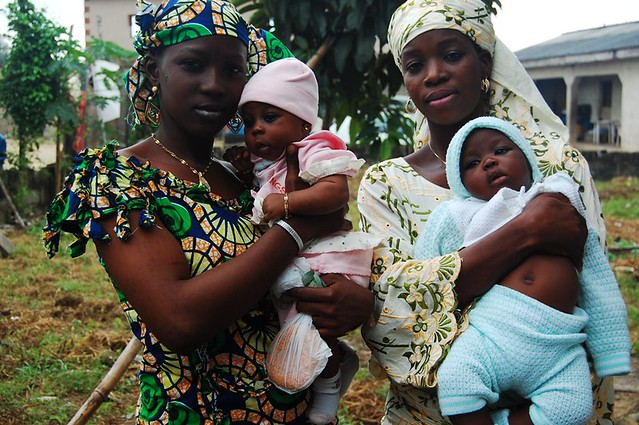
Moreover, Project HOPE has established the first two Kangaroo Mother Care (KMC) units for premature and low birth weight newborns. The KMC approach is to securely wrap the fragile, underweight newborns skin-to-skin on the mother’s chest. This provides warmth and promotes regular breathing and breastfeeding for babies who are struggling with both actions. These community-based units are very effective in areas with low resources. In regions without incubators, this method is life-saving for vulnerable children who are unable to keep in their body heat. Certainly, Project HOPE continues to promote the creation of more KMC units in Sierra Leone.

Life-Saving Progress

International support from organizations such as Project HOPE is helping provide life-saving training, services and equipment for mothers and children in Sierra Leone. Though much remains to be accomplished, progress is certainly being made on maternal and neonatal health in Sierra Leone.

– Camryn Lemke
Photo: Flickr
July 20, 2019
https://borgenproject.org/wp-content/uploads/borgen-project-logo.svg 0 0 Kim Thelwell https://borgenproject.org/wp-content/uploads/borgen-project-logo.svg Kim Thelwell2019-07-20 01:30:482024-05-29 23:09:42Project HOPE: Improving Maternal and Neonatal Health in Sierra Leone
Development, Global Poverty, Humanitarian Aid

Humanitarian Aid to Kyrgyz Republic Promotes Development

Humanitarian Aid to Kyrgyz Republic Promotes Development
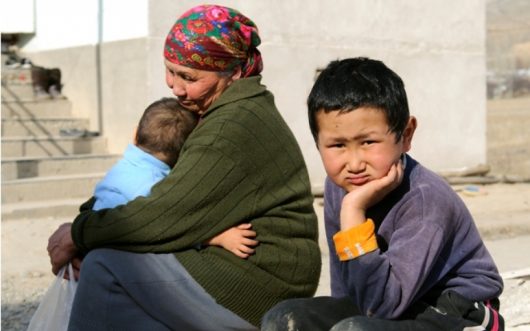
The Central Asian Republic of Kyrgyzstan, also known as Kyrgyz Republic, is a landlocked and a largely mountainous country with a population of about six million. Humanitarian aid to Kyrgyz Republic has helped the country’s economy recover from the 2009 financial crisis and the 2010 inter-ethnic clashes.

U.S. and Kyrgyz Republic

In 2010, the United States announced a $32 million assistance plan for humanitarian relief, reconstruction and community stabilization efforts in the violence-plagued regions of both Kyrgyz Republic and Uzbekistan.

Kyrgyz Republic is one of the five republics of Central Asia and is very prone to natural disasters such as landslides, floods, earthquakes, droughts and melting glaciers. These natural disasters disrupt the normal flow of life and cause substantial damage to developmental projects.

European Commission

The European Commission (EC) has assisted people in the aftermath of these natural disasters via various projects. These efforts include improving food security in the wake of the harsh winter climate and providing small-scale support after floods, avalanches and earthquakes.

The EC also manages a disaster risk reduction program called DIPECHO which has funded more than 110 projects at the cost of €47 million (about $58 million dollars). DIPECHO’s tenth action plan for Central Asia (2017-2018) has encouraged EC’s partners to replicate previous successful community-based disaster risk reduction models to foster more local and national self-sufficiency and development.

Project HOPE

In 2017, aid organization Project HOPE donated $243,000 to medical facilities and non-government organizations. This humanitarian aid to Kyrgyz Republic was used to provide free health services and medical supplies to over 35,000 people. Project HOPE has been active in the Kyrgyz Republic since 2006.

The U.S. State Department noted in 2010 that the U.S. humanitarian aid to the Kyrgyz Republic has improved the country’s economic growth, promoted democratic reform by strengthening the civil society and helped the government combat international threats. Basic reforms in education, agriculture, energy and other ongoing priorities have also been instituted.

USAID

The United States Agency for International Development (USAID) has helped the Kyrgyz Republic maintain a parliamentary democratic system even as the country oscillated between two bouts of authoritarianism. Democratic reforms are especially important as Kyrgyz Republic is the only freely elected parliamentary democracy in post-Soviet Central Asia.

USAID works with the regional USAID Mission to Central Asia to propel the New Silk Road initiative which is aimed to strengthen the economic and cultural connections of South and Central Asian people which, in turn, helps propel the stability and prosperity of the region.

Diversification and Humanitarian Aid to Kyrgyz Republic

The World Bank has said that the Kyrgyz Republic needs to diversify its economic activities by increased private sector development and occupational training, especially to the young. Humanitarian aid to Kyrgyz Republic can thus help the government improve its governance at both local and national levels and promote the country’s economic and social development.

– Mohammed Khalid

Photo: Google

March 14, 2018
https://borgenproject.org/wp-content/uploads/borgen-project-logo.svg 0 0 Borgen Project https://borgenproject.org/wp-content/uploads/borgen-project-logo.svg Borgen Project2018-03-14 01:30:492024-05-29 22:39:49Humanitarian Aid to Kyrgyz Republic Promotes Development
Global Poverty, Humanitarian Aid

The Success of Humanitarian Aid to Namibia

The Success of Humanitarian Aid to Namibia
The Republic of Namibia, a small Southwest African country, suffers heavily from natural disasters. These are disasters such as flash floods, droughts, epidemics and tropical cyclones. Furthermore, Namibia is crippled with a high percentage of HIV and TB. However, in recent years, the humanitarian aid to Namibia is finally making a noticeable impact. Programs such as Project HOPE, the USAID Office of U.S. Foreign Disaster and UNICEF have all provided a helping hand.

Project HOPE Humanitarian Aid in Namibia

Project HOPE’s humanitarian aid to Namibia started in 2002. Initially, its primary focus was on inputting healthcare services and providing health education. Since then, the organization has grown to spread awareness of HIV and tuberculosis (TB).

In 2013, HOPE launched a 5-year program called the Namibia Adherence and Retention project (NARP). The program’s goal was to establish stronger cohesion and retention to HIV care treatment, which includes preventing transmission between mother and child. Another goal is to improve the impact of HIV of those living with the condition.

By 2016, HIV was the leading cause of premature death in adults and the sixth leading cause for children. To combat the disease, Project HOPE created a Collaboration Program which strived to introduce TB/HIV collaborative activities into current community-based programs. Simultaneously, the program aimed to advance TB diagnostics.

The USAID Office of Foreign Disaster

The USAID Office of Foreign Disaster assists Namibia mostly with natural disasters. Namibia’s environmental stressors negatively affect food security in vulnerable homes, livestock and crop growth.

In 2017, the USAID Office of Foreign Disaster provided a substantial donation to northern regions of Africa. It offered $8.6 million to multi-sectors as well as $1 million to improve sanitary conditions, water needs and hygiene. Another $1.9 million was provided to protect food security.

USAID also provided about $27,000 to UNICEF to improve nutritional needs.

Other relief actors have focused on bettering agricultural and harvesting needs. As of a result of these various donations, regions like Namibia have seen an improvement in food security in vulnerable households.

UNICEF’s Contribution to Humanitarian Aid in Namibia

The United Nations Children’s Fund (UNICEF) made a considerable difference with the children of Namibia. As a result of droughts, poor sanitation and flooding, many children have severe acute malnutrition (SAM).

As a result, UNICEF supporters were able to help more than 4,000 children suffering from SAC and provide proper treatment. UNICEF was also able to train close to 150 health workers to adequately treat infants and young children with SAM.

Furthermore, malaria continues to spread in the northern reigns of Namibia; in 2017, the UNICEF discovered 53,000 new cases of Malaria.

The humanitarian aid to Namibia is substantial and providing necessary help in the aftermath of natural disasters such as food and shelter. Furthermore, humanitarian workers are helping the country manage and control its outbreaks of HIV and tuberculosis. As a result, the Republic of Namibia is seeing significant improvements throughout the country.

– Cassidy Dyce

Photo: Flickr

January 26, 2018
https://borgenproject.org/wp-content/uploads/borgen-project-logo.svg 0 0 Kim Thelwell https://borgenproject.org/wp-content/uploads/borgen-project-logo.svg Kim Thelwell2018-01-26 19:42:002024-05-29 22:38:58The Success of Humanitarian Aid to Namibia
Global Health, Global Poverty

Project Hope Preserves the Legacy of the U.S. Navy

In the world of global development, Project Hope honors the legacy of the U.S. Navy and its service during World War II. Impassioned and committed to serving others, Dr. William Walsh returned to the U.S. from the South Pacific. Across the region, countless children died too young from preventable diseases. He then envisioned a “floating medical center” to provide health education and advanced care. In 1958, it became a reality.

Dr. Walsh directly lobbied U.S. President Dwight D. Eisenhower, persuading him to donate a U.S. Navy ship. As a hospital ship, the USS Consolation developed to serve the most at-risk countries. For two years, these partnerships “refitted and equipped” the ship it became the SS Hope. With $150, Dr. Walsh and the Navy converted this war-time ship into a peace-time ship. Individuals and corporations partnered to improve the care offered to those in need.

The Navy recruited doctors, nurses, and technologists throughout the country. For every U.S. citizen on-board, he or she had a counterpart in the country served. This counterpart received the necessary training, sustaining U.S. efforts to reduce the burden of disease.

On September 22, 1960 the SS Hope began its initial journey from San Francisco to Indonesia. The ship provided training and direct treatment to the following countries: Vietnam, Ecuador, Peru, Nicaragua, Indonesia, Columbia, Brazil, Jamaica, Ceylon (Sri Lanka), Guinea, and Tunisia. Fourteen years and eleven voyages, and the its spirit endures today through the work of Project Hope.

The ship retired in 1974, but Project Hope continues to honor its partnership with the U.S. Navy. Medical volunteers from the Navy provide land-based support, learning from the testimonies of HOPE alumni.

Project Hope advances the health care in developing regions by offering “training, technical assistance, and expert mentoring.” To build the capacity of local healthcare systems, this program must partner with local governments and private corporations. This ensures sustainable improvement, as opposed to immediate relief. Currently, the program aligns with traditional “train the trainer model.”

In times of crisis, its mission to enact lasting change persists. Those serving the region care for those in immediate need but instruct locals throughout the process and restores health facilities.

In addition to promoting health training, this program rehabilitate health facilities. Donations allow Project Hope to improve the distribution of medication and vaccines. Every year, it ships commodities worth 200 million dollars. The U.S. State Department serves as one of the largest donors, and Project Hope ensures this funding arrives safely to the necessary site.

Charity Navigator rates it 67 out of 70 in transparency and accountability. 95.1 percent of its total expenses directly fund services in developing regions, with an estimated three percent contributing to fundraising and two percent to administrative costs. This low overhead cost indicates a commitment to the service.

The SS Hope voyaged the world and today, its destination remains in the hands of those it served. Rather than passively providing resources, it empowers local men and women to steer the program.

– Ellery Spahr

Sources: Project Hope, Charity Navigator
Photo: Wikimedia

April 11, 2014
https://borgenproject.org/wp-content/uploads/borgen-project-logo.svg 0 0 Borgen Project https://borgenproject.org/wp-content/uploads/borgen-project-logo.svg Borgen Project2014-04-11 04:00:172024-05-26 23:25:17Project Hope Preserves the Legacy of the U.S. Navy
Page 3 of 3123

Get Smarter

  • Global Poverty 101
  • Global Poverty… The Good News
  • Global Poverty & U.S. Jobs
  • Global Poverty and National Security
  • Innovative Solutions to Poverty
  • Global Poverty & Aid FAQ’s
Search Search

Take Action

  • Call Congress
  • Email Congress
  • Donate
  • 30 Ways to Help
  • Volunteer Ops
  • Internships
  • Courses & Certificates
  • The Podcast
Borgen Project

“The Borgen Project is an incredible nonprofit organization that is addressing poverty and hunger and working towards ending them.”

-The Huffington Post

Inside The Borgen Project

  • Contact
  • About
  • Financials
  • President
  • Board of Directors
  • Board of Advisors

International Links

  • UK Email Parliament
  • UK Donate
  • Canada Email Parliament

Get Smarter

  • Global Poverty 101
  • Global Poverty… The Good News
  • Global Poverty & U.S. Jobs
  • Global Poverty and National Security
  • Innovative Solutions to Poverty
  • Global Poverty & Aid FAQ’s

Ways to Help

  • Call Congress
  • Email Congress
  • Donate
  • 30 Ways to Help
  • Volunteer Ops
  • Internships
  • Courses & Certificates
  • The Podcast
Scroll to top Scroll to top Scroll to top