Posts

Disability and Poverty in the SeychellesRenowned for its pristine beaches and sparkling waters, the Seychelles attracts huge numbers of tourists each year. Comprising 115 islands, the archipelago is estimated to have a population of 135,000 as of 2026. Classified as a high-income country, the Seychelles has the highest GDP per capita in Africa. Yet, despite this economic status, disability and poverty in the Seychelles continue to present significant challenges.

Policies and Existing Legislation 

In 1994, the government passed the National Council for Disabled Persons Act, committing the Seychelles to the safeguarding of disabled persons. In this context, the Seychelles ratified the United Nation’s Convention on the Rights of People with Disabilities (CRPD) in 2009. Undoubtedly, a step in the right direction for disability rights, the government has not automatically assimilated the Convention into domestic law which limits its direct enforceability across the country.

The 2022 census classifies approximately 4.24% of the population as “persons with disability.” Although forming a minority, it is clear that disability in the Seychelles should remain a priority for policy and legislation.

Indeed, the Seychelles has prioritized its social protection spending more than many other African island states. In 2020, the government allocated just under 7% of GDP to social protection, which directly benefits citizens living with disabilities and those at risk of poverty.

The Reality of Poverty in the Seychelles 

Although it is true that the Seychelles has committed significant attention to the well-being of persons with disabilities, the reality of poverty in the Seychelles disproportionately affects disabled individuals and their lived experience. 

According to the World Bank Poverty and Equity Brief, as of October 2025, the Seychelles has almost entirely eliminated extreme poverty, defined as living on less than $2.15 per day. Nonetheless, inequality across the islands persists. Poverty in the Seychelles is expected to remain at approximately 7%,  measured against the $8.30 per day threshold. Those on the lowest incomes remain especially vulnerable, with persons with disabilities bearing the heaviest burden.

The Impact of Geography 

The same geographic characteristics that give the Seychelles its idyllic charm present further challenges for accessibility. The topography of the islands means that many essential services are located at the top of steep inclines or in valleys. As a result, accessing these services can be extremely difficult for people with disabilities, particularly those with physical impairments. These geographic barriers compound existing social and economic inequalities, deepening the link between disability and poverty in the Seychelles.

Progress and Future Developments

While acknowledging the ongoing challenges the Seychelles faces in terms of disability advocacy and protection, particularly in the context of economic inequality, the country has made notable progress in strengthening social protection measures. The government has taken proactive steps to improve disability awareness through education initiatives.

Meanwhile, the National Council for Disabled Persons (NCFD), established in 1994, continues to represent the interests of those with disabilities. The council aims to promote inclusion and fair access to opportunities, by coordinating services and organizations that aid employment and rehabilitation for those with disabilities. It also works with the Minister of Health and Social Development to improve legal and administrative frameworks.

Efforts to improve accessibility have also  increased following the signing of the CRPD, with infrastructure projects, such as the Baie Ste Anne Primary school, actively incorporating ramps and lifts in their designs. The Seychelles continues to prioritize social spending, placing disability and poverty at the center of its legislative and policy framework.

Looking Ahead

Every citizen, regardless of their economic position or abilities, deserves a world that can and does accommodate their needs. Continuing to address the intersection of disability and poverty in the Seychelles is vital to ensure that all individuals can participate fully in society. For the Seychelles, sustained commitment to inclusive social and economic policies is essential in advancing equality.

– Polly Laws

Polly is based in Cardiff, Wales and focuses on Good News and Global Health for The Borgen Project.

Photo: Flickr

Disability and Poverty in PalauPalau lies in the western Pacific Ocean and belongs to the Micronesia subregion of Oceania. The island enjoys one of the highest standards of living, yet it still relies heavily on U.S. foreign aid to maintain this status. Despite such aid, 24.9% of the population live in poverty, and disabled people face an even higher risk, just as in many other places.

There are many hardships that make life difficult for able-bodied people in Palau, which, while difficult, are manageable, but when extra factors that impact disabled people come into play, the barriers seem near impossible to overcome.

With a high life expectancy of 69.3 years and a population of 17,907, the disparity between the richest 20% and the poorest 20% is surprising, and substantial steps are needed to resolve this. This is especially important when the people most affected by this disparity are disabled people, who make up 3.4% of Palau’s population. In Palau, the poorest 20% of the population get 9% of the income, which is a massive contrast to the richest 20% who get 42% of the income.

The country seems aware of these differences, recently realizing that the lack of a clear definition of disability is making it harder to help those with disability live out of poverty. A clear definition helps with recognition of an issue and will overall make a positive influence on those with disability in poverty. Below are the top five things to know about disability and poverty in Palau and how it can improve over time.

1. Accessible Homes

The country has worked hard to improve the standard of living for disabled people, and the Committee on the Rights of Persons with Disabilities recently applauded Palau for its efforts to make housing accessible, not just for the disabled, but also for the elderly. In 2024, the government allocated $500,000 through the supplemental budget for the PHA to use on eight housing projects. The Committee noted great improvement in accessibility in this area. Since these actions are recent, there are no observable the outcomes of these projects, but the Committee’s positivity signals promising improvement.

2. Transport

Despite major accessible housing improvements, the Committee on the Rights of Persons with Disabilities felt that the country needed more in terms of accessible transport. If there isn’t an accessible way for someone with a disability to independently get around, gaining employment and living above the poverty line becomes much harder. This highlights the importance of disability and poverty being impactful on one another in communities, as independence is integral to keeping people out of poverty.

Though the state has some vehicles, they are only available via request, again highlighting work to be done. The Republic of Palau has recently put plans in place to build more roads and bridges to then increase the amount of public transport for all.

3. Health Care Expenditure

About 14.3% of Palau’s GDP goes to Healthcare Expenditure. This allows for disability and poverty to be recognized as it means that there is a focus on making disabled people’s health care accessible and easy, thus making independence more attainable. However, the lack of transport still limits health care, adding boundaries to disabled people in poverty, but doctors provide exceptional quality of care, when people can get there. This highlights the importance in the recognition of disability and poverty in Palau, as when one factor improves, such as transport, it can have a knock-on effect on many other industries, such as health care.

4. National Day

Palau joined the global community in recognizing the National Day for Persons with Disabilities. The day promotes the idea that every person deserves equal opportunities, dignity and inclusion. The population gets to reflect on how the country has strived for this equality in recent years. This reflection adds to the recognition of the correlation between disability and poverty, as people get to think about the lives of others they would not usually think about, and this reflection creates a good set up for future improvement in the workplace, transport, housing, etc. This national day occurs every December 3rd.

5. Persons With Disabilities Act

Lawmakers passed this act to help disabled people take an active role in society, whether through employment or other opportunities. This Act increases disability visibility, and with more than 2,800 people in Palau living with at least one disability, equality should be a given. Ensuring equal opportunity should help lift people out of poverty, since expanding access to income benefits everyone.

Takeaways

Continuous improvements in Palau are a pathway to a disabled person’s independence and visibility in Palau. With accessible homes and transport, disabled people will be able to have more agency in their own lives, suggesting a steady change to disparity on the island.

The battle against global poverty is a marathon, not a sprint, and recognition of issues within a country is a significant step forward to long-term change and the reduction of poverty. Realizing correlations such as the one between disability and poverty allows for change and improvements in the lives of thousands on the island, whether they be disabled themselves or the primary caregiver.

Overall, the five facts to know about disability and poverty in Palau highlight that while Palau still needs change and it is necessary, it is happening. While the disabled population of Palau have felt “invisible” in recent years, the latest government action shows positive visibility may be around the corner.

– Caitlin Cooper

Caitlin is based in Aberdeen, UK and focuses on Global Health and Politics for The Borgen Project.

Photo: Wikimedia Commons

Disability and Poverty in MaliMeeting the needs of all includes those with differing struggles, and caring for a country’s people includes those with disabilities. Mali is a large country in West Africa, with an economy that relies heavily on agriculture and physical labor. Many people face barriers due to disability, which hugely exacerbates poverty in Mali. Disability and poverty in Mali are inextricably linked, as many are affected by various conditions that are not necessarily present in other countries.

Mali has a high rate of malnutrition and an unstable government that has few social programs in place. Wasting, diseases and physical deformities from landmine explosions are some examples of disabilities that hugely affect people living in Mali. Ongoing efforts by humanitarian organizations to improve health, living conditions and employment opportunities for disabled individuals foster hope for positive change.

Facts About Disability and Poverty in Mali

Data shows a seven percentage point gap in poverty rates between disabled and non-disabled populations. This means that a person living in Mali is seven percentage points more likely to live in poverty if they are disabled than if they are able-bodied. Many people fall into this category, as disabled people are not only discriminated against but are also unable to reach vital resources that are needed to live a healthy life. Only 36.82% of disabled people are employed or have a paying job of any kind, and only 24.13% of disabled people live in adequate and safe housing. Only 29.9% of disabled people live in households with sanitation and in conditions that are hygienic, causing disease that can worsen disability and create unhealthy conditions for others around them.

UNICEF’s Efforts to Address Disability in Mali

However, measures have been taken, thanks to UNICEF, to decrease both physical trauma and medical disability in children in Mali. About 222,864 children ages six through 59 months with severe wasting and malnutrition were admitted for medical treatment, eliminating future disability for those already living in poverty. Meanwhile, 34,338 children received vaccinations against measles and other potentially disabling diseases this year alone, helping prevent the spread of diseases that could be passed along and cause outbreaks. UNICEF provided 50,432 children with landmine prevention tactics to protect them from harm caused by explosions due to the country’s unstable government and continuing effort to displace its people in the northern half of the country. 

The Humanity Inclusion Group

Since 2016, the Humanity Inclusion Group has launched projects focused on adult health and disability prevention. By enhancing reproductive health services, the project has reduced infant mortality and disability risks for mothers and infants. It has made reproductive health much more accessible in Timbuktu and has partnered with the region’s Ministry of Health. They have also helped reduce the number of new infections among people with disabilities by improving their access to HIV prevention. Prevention and treatment of HIV and AIDS is a huge issue in Mali, and giving more legal opportunities for the people there to seek help is a necessity to fully address disability poverty.

The Humanity Inclusion Group is also helping those impacted by disability poverty through training in sectors such as agriculture. Projects have aimed to improve the living conditions of vulnerable people in Mali. They have been including people with disabilities in the working population and workforce in the Bamako region. This is an important undertaking because the majority of Mali’s workforce and economy is based on agriculture and rural farming.

The Sissako and Bamako regions, especially, are rural, and this project aims to reach those areas and provide valuable learning and tools to help disabled people find employment and receive education about their rights in the workplace. They have also met the basic food and non-food needs of vulnerable households. This initiative is intended for homes classified as in a food crisis. Participants receive coupons for pre-identified shopkeepers, which they can use to purchase goods needed for healthy living in the Timbuktu region. 

Looking Ahead

Understanding Mali’s economy, agricultural roots, and political turmoil paints a picture that is unkind to individuals with disabilities. Much of the work already occurring is to build social structures around the people of Mali and support them in areas where they cannot support themselves. Controlling the spread of disease and physical harm among children is one of the best ways to decrease unnecessary disability in the future. For others, support and social work are the best options for effectively meeting their needs, whether those needs are for food, sanitation, housing or employment. Work still needs to occur, but disability and poverty in Mali are issues that are at the forefront of these organizations’ minds.

– Eddie Hofmann

Eddie is based in Seattle, Washington, USA and focuses on Good News and Global Health for The Borgen Project.

Photo: Unsplash

Disability and Poverty in The GambiaToday, thanks to recent technological advancements and the work of various humanitarian initiatives, 3D printing promises to improve the lives of millions of amputees across the world. This comes as cause for optimism, especially in developing countries such as The Gambia, where amputations are relatively common. The work of Gambian organizations such as Make3D, specialists in printed prosthetics, means that amputation does not have to signal a life of social ostracization and lesser opportunity.

Disability and poverty in The Gambia are perpetual issues. One of the smallest countries in Africa, The Gambia has one of the most vulnerable economies on the continent. Rain-fed agriculture employs around 70% of the population, meaning the livelihood of many lives and dies with the country’s climate. Poverty levels are high. In fact, according to the Gambia Poverty & Gender Assessment 2022, 53.4% of Gambians lived below the national poverty line in 2020. Amputees catch the brunt of this trend due to the labor-intensive nature of farming, which offers few opportunities to those with physical disabilities. 

Reasons for High Numbers of Amputations in The Gambia

Experts cite the country’s complex and divergent cultural makeup as one of the reasons for the high incidence of disability and poverty in The Gambia. Colonial and Gambian native histories converge in many ways. According to scientist Ryan Anderson, this coexistence of divergent cultural traditions “is exemplified in The Gambia’s health care system.” Many Gambians prefer to visit traditional healers when seeking treatment for an injury. In fact, many rural communities rely exclusively on the practice of these traditional healers, such is the lean presence of large hospitals in remote regions. These traditional practitioners, while popular, often do not have access to modern facilities or advised levels of sanitation. This results in infections and ultimately the need for amputations in patients.

Dr. Ammar Al Jafari, chief medical director of Edward Francis Small Teaching Hospital, a modern university facility in Banjul, stated that around 70% to 80% of amputation cases at his hospital stem from initial preference for traditional fracture treatments. These patients often seek his hospital’s treatment once infection has set in to an inadequately treated fracture. Speaking to Africa Press in 2024, Dr. Al Jafari said, “If the patient falls today or has an accident today and has a fracture in the bone, if they come on that very day, in one week we can do the operation, but after three months, we cannot do the operation and they will blame the hospital.” Poverty and disability in The Gambia is often perpetuated by the complex national interplay between tradition, regional circumstances and a lack of accessible, modern health care.

Amputations also occur in large numbers in The Gambia thanks to medical conditions such as Type 2 diabetes. According to STAND, an NGO specializing in providing support for Africa’s amputee community, as many as 40% of all amputations in sub-Saharan Africa result from the condition. Thus, disability and poverty in The Gambia stems in many cases, from the prevalence of known and treatable illnesses.

Challenges for People With Disabilities

Fatou Nije, president of LEGS (Ladies Empowered for Growth and Success), says, “Here in Gambia, if you are disabled, you face many challenges.” Indeed, many amputees find themselves cut adrift from typical societal institutions such as school and work due to a lack of accessibility and support on offer.

While it exists, assistive technology is not yet widely available, meaning many Gambian amputees are unable to live, work and most importantly, earn with as much independence as their able-bodied compatriots. Families can face destitution if a parent undergoes amputation and is subsequently unable to resume work. The Gambian Amputee Association is the only organization of its kind in the country. It supports around 100 amputees with rehabilitation and social facilities, although there are doubtless many more amputees in need of care and medical attention.

Fighting Against Disability and Poverty

Thankfully, amidst these issues there are certain groups dedicated to the fight against disability and poverty in The Gambia. Most of these efforts focus on improving treatment and opportunities for Gambian amputees. For example, the work of STAND and Make3D is rooted in the supply of prosthetic limbs to Gambian patients in need.

STAND specializes in the provision of refurbished and surplus prosthetics from Europe. These prosthetic limbs, which otherwise would go to waste, the organization rescues and supplies to the people who need them most. Since 2016, the organization has supplied almost 1,000 rescued prosthetics to The Gambia alone, as part of nearly 6,000 total supplied to African countries across the period.

Make3D, on the other hand, deals in the low-cost construction of new, 3D-printed prosthetics, using sustainable materials and small-scale manufacturing processes that allow their products to service the hearts of small communities nationwide. In 2021, the company held a design competition in conjunction with Nottingham Trent University in which the university invited artists to submit designs for new prosthetics utilizing sustainable and local materials. The winner’s design went to production for a small run of prosthetics designed for a select group of grateful, young Gambian beneficiaries.

Looking Ahead

While disability and poverty are prominent in The Gambia, initiatives like these are leading the way in providing a source of hope for the next generation of Gambian amputees. There may very well be a day when the loss of a limb in The Gambia does not condemn a patient to a life of destitution.

– Louis Sartori

Louis is based in London, UK and focuses on Technology and Solutions for The Borgen Project.

Photo: Wikimedia Commons

The Link Between Disability and Poverty in Palau The Pacific island nation of Palau is made up of more than 300 islands and coral reefs located in the Micronesia region. While often associated with tourism and natural beauty, Palau has faced growing socioeconomic challenges in recent years. The COVID-19 pandemic caused a sharp decline in international visitors, exposing the country’s heavy reliance on tourism, which contributes approximately 40% of its economy. Although Palau is classified as an upper-middle-income country, economic hardship persists for many households, particularly those caring for family members with disabilities. These pressures show how disability and poverty in Palau intersect within the country’s broader development challenges.

How Disability and Poverty Reinforce One Another

People with disabilities face a heightened risk of poverty globally and Palau is no exception. Disabilities can limit access to education and employment, reducing income and long-term economic stability. At the same time, poverty can increase the likelihood of disability due to limited access to health care, rehabilitation and support services. This creates a cycle in which disability and poverty reinforce one another. In Palau, where employment opportunities are limited and the cost of imported goods remains high, people with disabilities often struggle to achieve economic independence, reinforcing disability and poverty in Palau as an interconnected development issue. Households with disabled members often face higher opportunity costs, as family members may reduce paid work to provide informal care.

Limited Support and Unequal Access to Education

According to government and regional data, approximately 2% to 3% of Palau’s population lives with a disability, though advocates suggest the true figure may be higher due to underreporting. Individuals with disabilities are statistically less likely to complete higher levels of education and more likely to depend on informal family care. While Palau provides a disability assistance stipend, reports indicate that this support is insufficient to meet the country’s high cost of living. Rising inflation has further reduced the real value of this assistance, leaving many households with disabled family members economically vulnerable.

Villaney Remengesau

One person whose life reflects both the challenges and possibilities facing people with disabilities in Palau is Villaney Remengesau, a prominent disability rights advocate. Remengesau has lived with a physical disability since childhood and uses a wheelchair daily. Her experiences exposed widespread barriers in Palau’s education system, labor market and public infrastructure. She has described how inaccessible buildings, transportation systems and limited employment opportunities restricted her ability to achieve financial independence, demonstrating how exclusion can directly contribute to poverty in Palau.

Rather than accepting these limitations, Remengesau transformed her lived experience into advocacy. She helped revive Omekesang, a national organization advocating for the rights of persons with disabilities, and worked closely with government agencies to promote accessibility and equal participation. Her work highlights how structural and societal barriers, rather than disability itself, often push individuals into poverty by restricting access to education, jobs and public services.

Policy Progress and Remaining Gaps

In recent years, Palau has taken steps to address disability-related inequality. The government enacted the Rights of Persons with Disabilities Act, strengthening legal protections and promoting inclusion across sectors. Palau has also engaged with the United Nations Convention on the Rights of Persons with Disabilities, signaling a shift toward a rights-based approach. However, international reviews note that gaps remain, particularly in transportation access, employment opportunities and emergency preparedness for people with disabilities.

Why Disability Inclusion Matters for Global Poverty Reduction

Remengesau’s story demonstrates why addressing disability is essential to reducing poverty in Palau. While legal reforms mark important progress, advocates emphasize that lasting change requires sustained investment in accessible infrastructure, inclusive education and economic opportunity. For small island nations like Palau, breaking the cycle between disability and poverty is not only a matter of social justice but also a necessary step toward sustainable development. Addressing disability inclusion at the national level ultimately contributes to broader global efforts to reduce poverty and inequality.

– Daisy Winstone

Daisy is based in Cardiff, Wales and focuses on Politics for The Borgen Project.

Photo: Flickr
Disabled South Africans

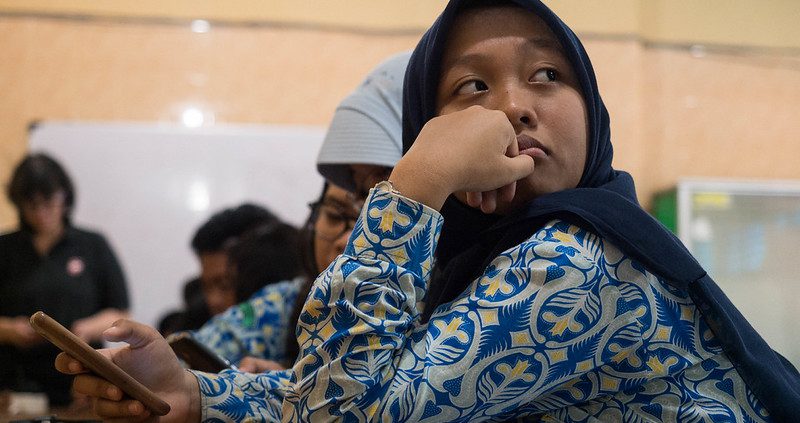
In 2022, approximately 3 to 3.5 million South Africans were living with a disability, representing around 7% of the country’s population. Disabled South Africans face significant social, economic and educational barriers, including limited access to schools, scarce employment opportunities, and widespread stigma. In some cases, individuals with physical or mental disabilities experience discrimination, neglect, or mistreatment, highlighting the urgent need for systemic reform and stronger protections.

Barriers to Education and Employment

In 2019, an estimated 600,000 children with disabilities were being excluded from education in South Africa. Although most public schools in South Africa are free, families of disabled children often have to pay a fee for the additional support at a mainstream school. Even after paying this, many parents have expressed concerns over the level of support their child is receiving.

While special schools exist in South Africa, they are often costly or situated in remote areas, making access difficult for many families. As a result, even children with minor disabilities, such as an untreated eyesight problem that could be corrected with adequate funding, may miss out on education. In adulthood, South Africans with disabilities continue to face passive discrimination.

In 2024, more than 90% of disabled South Africans were unemployed and even if they manage to find work, they will most likely experience a pay discrepancy or will only be employed part-time.

Targeted Violence Against People With Albinism

This widespread inequality particularly affects South Africans with albinism, a group in which around one in every 4,000 people are affected. This minority is at extreme risk of physical harm. Due to superstitious beliefs about healing abilities, there have been numerous cases of albino limbs being forcibly chopped off. They are then sold on the black market for around $15,000 each or $75,000 for the entire body.

There have been many cases of children with albinism being mutilated by family members for income.

Gender-Based Discrimination Against Disabled Women

Disabled women also struggle with layered discrimination and are often treated worse than disabled men. Women are far more likely to be forcibly sterilized, as parents are often concerned their daughter will be raped and the child will also be disabled and dependent on them. Moreover, African women are more susceptible to mental health problems (the most common disability in the world) due to the high number of sex offences that occur in the country.

An estimated 40% of South African women will be raped in their lifetimes and instead of receiving support, victims risk being imprisoned in an attempt to treat their hysteria.

Resolutions and the African Disability Alliance

There are organizations, such as the African Disability Alliance (ADA), that advocate for the rights of people with disabilities in Africa. The ADA aims to assist all individuals with disabilities across the continent. It recently advocated for the African Disability Protocol (ADP) that was adopted in 2018.

In 2024, the ADP became legally binding in at least 15 African Union member states, including South Africa. The ADP is a law that aims to provide disabled people with equal opportunities. This includes disabled children’s right to education, reasonable accommodation for all and acknowledges and seeks to reduce the inequalities between men and women.

It has helped numerous charities around Africa, including Retina South Africa. Retina South Africa is a nonprofit organization that conducts research into genetic mutations, raises public awareness of retinal issues and supports patients through education, referrals and interventions. Retina South Africa describes the ADP as “more than a document—it’s a call to action. It’s a way to demand the access and dignity we deserve. Whether you’re fighting for better eye care or an inclusive workplace, this protocol is your ally. Let’s use it to make South Africa a place where visual impairment doesn’t hold us back.”

Implementation Challenges and ADA’s Advocacy Work

However, there have been issues in implementing the protocol and supporting African countries that attempt to do so, an issue that the ADA addresses. The organization helped develop the Model Law for Disability, which provides a reference point for African countries to operationalize ADP’s aims.

Kudakwashe Dube, CEO of ADA, said to The Borgen Project: “[The Model Law] is structured along the lines of the U.N. Convention, except that it gives an African perspective on human rights and some of the things that we could not get into the U.N. Convention we were able to get into the protocol.”

The ADA also acknowledges inequalities within the disabled community. Its program, “Ratification through Women-led Advocacy” (ARWA), focused on empowering women to drive the ratification of the ADP. Participants traveled to African countries to advocate for the protocol and assist with implementing the documents, ensuring that the voices of women with disabilities are heard.

Often, disabled women can be left out of discussions involving disabled African’s rights. This is an issue that Dube said needed to be addressed: “Unless we involve [women] now, they are likely to be left out in future phases. That’s why we decided to make sure they are part of the process from the start.”

Future Directions and Inclusive Education Efforts

Looking ahead, the ADA plans to continue playing a major role in advancing the rights of people with disabilities. Although South Africa has now ratified the ADP, the ADA remains active in its broader advocacy efforts. The organization is also implementing another initiative, “Promoting Inclusive Education” (PIE), primarily in South Africa.

Through this program, the ADA advocates for inclusive education within mainstream schools and ensures that teachers are properly trained and equipped to support students with disabilities.

Concluding Comments

Disabled South Africans remain deeply entangled in stigma, superstition and systemic inequality, often leaving millions of people excluded, mistreated and silenced. Yet, amid these challenges, organizations like the ADA are creating a much-needed shift, transforming how disability is perceived and addressed across the continent. Its work demonstrates that meaningful change requires not only legal reform but also social transformation: educating communities, empowering women and ensuring that disability rights are treated as human rights.

While there is still a long way to go before full equality is achieved, the growing recognition of disabled South Africans’ dignity and potential marks a vital step forward. True progress will depend on sustained advocacy, inclusive education and the collective will of African societies to dismantle prejudice and replace it with understanding, respect and opportunity for all.

– Lysia Wright

Lysia is based in Derby, UK and focuses on Global Health for The Borgen Project.

Photo: Flickr

Charities Operating in TaiwanAccording to the Bertelsmann Stiftung Country Report (2022), 7.36% of the Taiwanese population is relatively impoverished. In other words, the poverty rate in Taiwan is relatively low. The low rate may be due to Taiwan’s strict definition of poverty. However, there is a cultural significance that expresses the value of well-being in humanity. For example, many members of Taiwanese society follow Confucianism, a set of philosophies that honors community and compassion for those in suffering and facing difficult times. Culture could explain why there are many organized and well-funded charities operating in Taiwan.  

Hondao Senior Citizen’s Welfare Foundation

The first of the charities operating in Taiwan is the Hondao Senior Citizen’s Welfare Foundation, which prioritizes the senior citizen community that is either living alone or experiencing the mental and physical challenges that come with aging. As of 2025, 20% of the Taiwanese population is age 65 or older, making Taiwan a “super-aged society.” Hondao is a key charity operating in Taiwan, prioritizing the growing elderly population dilemma by providing an accessible support network and services to the numerous aging individuals. Since Hondao’s development in 1995, it has developed 40 programs for older people. Every year, the organization impacts the lives of at least 10,000 senior citizens. In 2021, the organization provided disability assistance and daycare to 265,587 elders.

Homeless Taiwan Association

The Homeless Taiwan Association began in 2011 with a group of social workers from multiple eastern Asian countries. This charity operating in Taiwan strives to change the way poverty and homelessness are addressed. The Homeless Taiwan Association primarily fights for policies that will provide housing for people experiencing homelessness. Currently, the organization has 21 bed housing in four locations. Every year, the association is able to make a lasting impact on 30 to 50 individuals experiencing homelessness.  

The nonprofit understands that receiving public homeless housing is a challenging task, which is why the Homeless Taiwan Association runs the Hidden Taipei program to change the stigma surrounding the homeless population. Hidden Taipei offers guided tours by people who have experienced homelessness or are currently homeless. It’s a win-win for the tour guide and tourist. Guides earn 60% of the tour’s cost and change lives by sharing their life stories, while tourists listen, reflect and take in the cityscapes.

The Ark Association

The Ark Association’s mission is to bring love and care to every corner of Taiwan. Founder (and current Chairperson) Winny Wen began her journey in service work and volunteerism by dedicating her time to long-term care facilities. In 2014, the Ark Association originated. Today, the Ark Association truly touches lives in every corner of Taiwan by assisting multiple vulnerable groups. It mobilizes youth volunteers to help marginalized families, people without housing, older adults and rural areas. 

Specifically, the Ark Association is developing bathing centers that offer hygiene education for the homeless and delivering hot meals to individuals with unstable housing. Furthermore, the Ark Association is expanding outside of Taiwan by taking on school building projects in Nangquien, Qinghai and Cambodia.

Taipei Women’s Rescue Foundation

In 1987, Taipei Women’s Rescue Foundation (TWRF) originated. Its original purpose was to protect and support women who were victims of prostitution to Japanese soldiers during WWII. Today, the organization continues to help those victims through legal counseling and therapy options. Now, TWRF has broadened its support to domestic violence victims and to human trafficking victims. 

In 2005, 600,000 to 800,000 people in Taiwan were trafficking victims, and of that number, 50% were minors. From that point onward, TWRF began training volunteers to rescue underage sex trafficked victims. Continuing, TWRF also advocated for victims by contributing to lobbying. The TWRF has accomplished developing the “Children’s Welfare Act” and the “Youth’s Sexual Transaction Prevention Act” in order to protect these victims. Today, Taiwan’s trafficking in Persons Report reveals that the trafficking victims has significantly lowered to 279, thanks to organizations such as TWRF.

The Taiwan Love and Hope International Charity

The Taiwan Love and Hope International Charity is dedicated to giving care to children with disabilities or special needs. The nonprofit offers a variety of resources for children with disadvantages to be raised in a safe, encouraging environment. According to the Taiwan Health and Welfare Report of 2023, 51,043 individuals between the ages of 0 – 17 have disability certificates. 

The Taiwan Love and Hope International Charity has a childcare development center that teaches music classes, gym activities, parent-child bonding activities and parent education lessons. Currently, the charity operates two group homes, a childcare center with therapy options and an emergency shelter that offers 24-hour access.

Looking Ahead

Charities operating in Taiwan are enriching lives one person at a time. These examples of charities demonstrate how Taiwanese culture is rooted in compassion. 

– Mireya Aguilar

Mireya is based in Layton, UT, USA and focuses on Good News for The Borgen Project.

Photo: Pexels

poverty stigma in EcuadorUnlike other countries in the South American region, Ecuador has managed to gradually reduce poverty levels broadly despite the turbulent global conditions due to COVID-19 and the conflict in Ukraine. Since 2021, there has been a 2.5 percentage points decrease in poverty incidence which, whilst moderate, represents a positive trajectory considering the global context of universal inflation. Impressively, Ecuador has reduced both rural and urban poverty, whilst also experiencing a slight, albeit brief, decrease in multidimensional poverty.

However, these quantitative measures do not tell the whole story. Whilst economic factors play a fundamental role in both causing and rectifying poverty, social factors play a pivotal role in addressing poverty where certain communities feel neglected and underserved. Estimates show that 6% of the Ecuadorian population has disabilities, and pervasive cultural attitudes continue to undermine that community which deprives them of crucial support. However, crucial work from both local and international NGOs is helping to improve the social landscape for disabled people and unravelling the link between poverty and stigma in Ecuador.

Focus on Inclusive Education

Hearts of Gold Foundation raises thousands of dollars each year to fund projects supporting children with special educational needs through curated, inclusive education models. Crucially, these models involve integrating children with special educational needs alongside mainstream children, ensuring a holistic, blended experience that helps to shatter stigma.

The program has helped bring 95 children together in the last year to promote values of diversity and community involvement, which has provided increasing educational opportunities for young children with special needs, allowing them to gain more qualifications and access to alternative vocational training.

More broadly, Hearts of Gold has a key focus on counselling and support for the most vulnerable communities in Ecuador, which permeates through their other projects. It funds numerous mental health counselling projects for young people and mothers in poor communities with the intention to break the poverty stigma in Ecuador, which particularly dismisses those with cognitive and intellectual disabilities because of their more abstract nature.

The Battle Against Cultural Perceptions

Whilst Ecuador has made clear progress with their social welfare programs, disabled people experience disproportionate poverty due to limited access to health services and obstructive employment practices rooted in discrimination.

Registration difficulties perpetuate this cycle of poverty, as approximately half of the 6% of disabled people in Ecuador are formally registered, underscoring the difficulty of that community to become integrated within education and employment, according to UNPRPD. These stigmatized processes are entrenched within Ecuadorian society through a plethora of ways, intersecting with gender, ethnicity and geographical location.

Women and girls with disabilities find it difficult to access health services and gender-based violence support, trapping them in a cycle of poverty and oppression, UNPRPD reports. Moreover, indigenous people with with disability in Ecuardor face additional challenges rooted in formal registration difficulties and co-existing oppression, with the overwhelming cultural attitude in Ecuador correlating disability with incapacity.

Disability and Poverty Stigma in Ecuador

Causes for Change International has helped to overcome disability stigma in Ecuador through a community-based approach that specifically focuses on access to healthcare facilities. Ultimately, this local approach has benefited disabled people in poorer communities that are more likely to face multidimensional poverty, and the focus on developing local healthcare facilities for disabled women further helps to address these specific stigmatized processes.

Ecuador faces numerous challenges that seek to obstruct its progress on social development and poverty reduction. However, both international and local organizations have prioritized community initiatives which integrates children and women with disabilities, allowing them to access basic facilities that up until now, had not been granted. Continuing projects like these are vital for showcasing that disabled people should not be disregarded by cultural perceptions and challenging these cultivated attitudes will help to reduce poverty further.

– Oscar McClintock

Oscar is based in Cambridge, UK and focuses on Global Health for The Borgen Project.

Photo: Flickr

Disability and Poverty in MyanmarDisability and poverty remain two deeply intertwined challenges in Myanmar, where decades of conflict, economic instability and limited health care access have placed millions in vulnerable positions. With almost 6 million people having one or more disabilities of any type. Disability, whether physical or mental, often acts as both a cause and consequence of poverty, resulting in restricted education, employment, health care and opportunities for personal growth. However, across the nation, innovative programs, local organizations and international support are working together to improve the quality of life for those facing these barriers. Data recorded in 2023 suggests that around 49.7% of the country’s population is living in poverty, highlighting the urgent need for intervention to address the growing issues faced within communities.

Community-Based Rehabilitation Programs

One of the most effective strategies in addressing disability and poverty in Myanmar has been the development of community-based rehabilitation (CBR) programs. The concept, supported by the World Health Organization (WHO), is simple yet powerful, as rehabilitation has become more accessible, local and inclusive rather than centralized in hospitals or distant clinics. CBR brings assistance directly to people’s homes and communities. In Myanmar, this method is particularly significant because many rural areas lack adequate medical infrastructure. Trained local volunteers and rehabilitation workers provide physiotherapy, mobility aids and counseling to individuals with disabilities. In addition, disability awareness training has been introduced within schools. These interventions help people regain independence, re-enter education or work and break cycles of dependency that perpetuate poverty. Furthermore, they raise community awareness and challenge traditional stigmas surrounding disability, which strengthens the success of such initiatives which are fighting disability and poverty in Myanmar.

Successes

A major success story comes from Kayin State, where the local NGO Karuna Mission Social Solidarity established CBR networks that have supported more than 10,000 people through small business grants, home-based therapy and caregiver training. This model shows that sustainable progress is possible when communities themselves are the drivers of change.

Similar initiatives are now spreading across Shan and Mon States, where CBR teams combine physical rehabilitation with livelihood projects such as livestock farming and handicrafts. By linking therapy with income generation, people regain independence and can help support their families. Reports from the Myanmar Independent Living Initiative and WHO show that CBR works best when it blends medical care with community empowerment. Local volunteers, often family members, are trained to assist with therapy and raise awareness about disability rights. This grassroots approach helps reduce stigma and builds understanding within villages.

The success of these programs also depends on cooperation between NGOs, local authorities and international partners. Together, they are turning disability inclusion into a shared social goal and helping to shape a more accessible future for Myanmar.

Social Protection and Financial Empowerment

In Myanmar, social protection programs are increasingly focusing on individuals with disabilities to reduce poverty and promote inclusion. The government has introduced initiatives like the Allowance for People with Disabilities Program, providing monthly stipends to eligible individuals, aiming to alleviate financial burdens and encourage community participation

Additionally, organizations such as BRAC Myanmar have implemented the Financial and Social Inclusion Project, which offers vocational training, microloans and business development support to persons with disabilities. This holistic approach has led to improved financial literacy and increased community engagement among participants. These efforts are part of a broader strategy to create an inclusive social safety net in Myanmar, integrating marginalized groups into the economic mainstream and reducing poverty rates. Therefore, this is another part of the effort to reduce poverty and resulting disability in Myanmar. 

Looking Ahead

Myanmar’s ongoing fight against disability and poverty shows that progress is possible even in challenging circumstances. Community-based rehabilitation, social protection programs and financial empowerment initiatives are helping individuals regain independence, access education and participate in their communities. While barriers such as limited resources and lingering stigma remain, these programs demonstrate that targeted support can create meaningful change. Contributions to NGOs and local organizations play a vital role in sustaining these efforts, providing the funding, expertise and resources needed to reach more people and expand life-changing services. Supporting these initiatives not only improves individual lives but also strengthens entire communities, paving the way for a more inclusive and equitable future.

– Toby Bowery-Taylor

Toby is based in Staffordshire, UK and focuses on Global Health and Politics for The Borgen Project.

Photo: Pixabay

Disability and Poverty in EswatiniGeographically diverse yet almost entirely surrounded by South Africa, Eswatini is considered one of the smallest countries in Africa, spanning only 200 km north to south and 130 km east to west. Disability and poverty in Eswatini remain deeply interconnected, reinforcing cycles of inequality and restricting opportunities for growth. Far from being isolated conditions, they are overlapping challenges that shape much of the nation’s social reality.

About Disability and Poverty in Eswatini

With a population of 1.3 million, life expectancy reaches low at 58 years in comparison to the US where the average life expectancy is 78.6 years according to the National Library of Medicine. It is no coincidence that Eswatini’s average life expectancy is low. With some improvement, poverty rates still remain extremely high for the country with almost 60% of the population living below the poverty line and a Gini coefficient for inequality of 0.54 reflecting a weak economic environment, according to The Word Bank of Eswatini

The Gini coefficient for inequality is a statistical measure that quantifies inequality on a scale from 0 to 1 with 0 being perfect equality and 1 being the complete opposite, major inequality. Eswatini’s score of 0.54 indicates that there is a quite high rate of inequality for the country’s population. 

Although inequality is in regard to pay, gender and age, the issue of disability and poverty in Eswatini remains significant. Disability and poverty have close links in the country. High numbers of people with disabilities report having significant financial difficulties in accessing essential services such as health care.

Population Trends

According to the government of Estwatini, with the estimated population of 1.1 million people, the average growth rate increased by about 0.86% annually over the last 11 year period leading to 2021 (2010-2021).

Within that timeline, the 2017 Population and Housing Census revealed that approximately 13% of the population (more than 140,000) were individuals with disabilities that found it challenging to perform daily functions. Most common of these disabilities was related to either vision (32.6%) and mobility (26.5%), with females being significantly more affected than males across all disabilities.

Other than mobility and vision being the most common disability among citizens of Eswatini, other disabilities such albinism (0.7%) and epilepsy (0.6%) also occur. In rural areas, disability is more common with more than 80% of individuals residing in these areas facing mobility issues and vision difficulties.

Poverty’s Role in Disability and Inequality

According to a report by UNICEF, individuals with disabilities in the country are significantly more likely to live in poverty. With low opportunities and access to health services, jobs and education, many individuals in rural areas rely on cash assistance and support services to mitigate poverty’s impact.

Although poverty has been decreasing long term, Eswatini still faces high levels of inequality for disabled individuals. Approximately 52% of citizens with disabilities have no access to education and only 28% of them have employment.

Vision for the Future

The government of Eswatini has recognized the need to address the rising issue. Being put into action between 2024-28, the Eswatini National Disability Plan of Action aims to promote protection of rights of disabled individuals and “to ensure that national policies and development programmes mainstream disability rights in all stages of planning, implementation, monitoring, and reporting.”

Some goals of this new act include:

  • Increase enrollment of individuals with disabilities in schools by 100%.
  • Provide free and affordable healthcare to all people with disabilities in the country.
  • Increase national and international advocacy about these challenges.
  • Increase involvement in sports and activity by 30% for people with disabilities

While issues may still be prominent, there is hope of changes in the future with the government of Eswatini actively engaging in addressing disability and poverty in Eswatini.

– Zosia Paciorek

Zosia is based in St. Louis, MO, USA and focuses on Global Health for The Borgen Project.

Photo: Unsplash