Senegalese Female Farmers Fight Environmental Difficulties
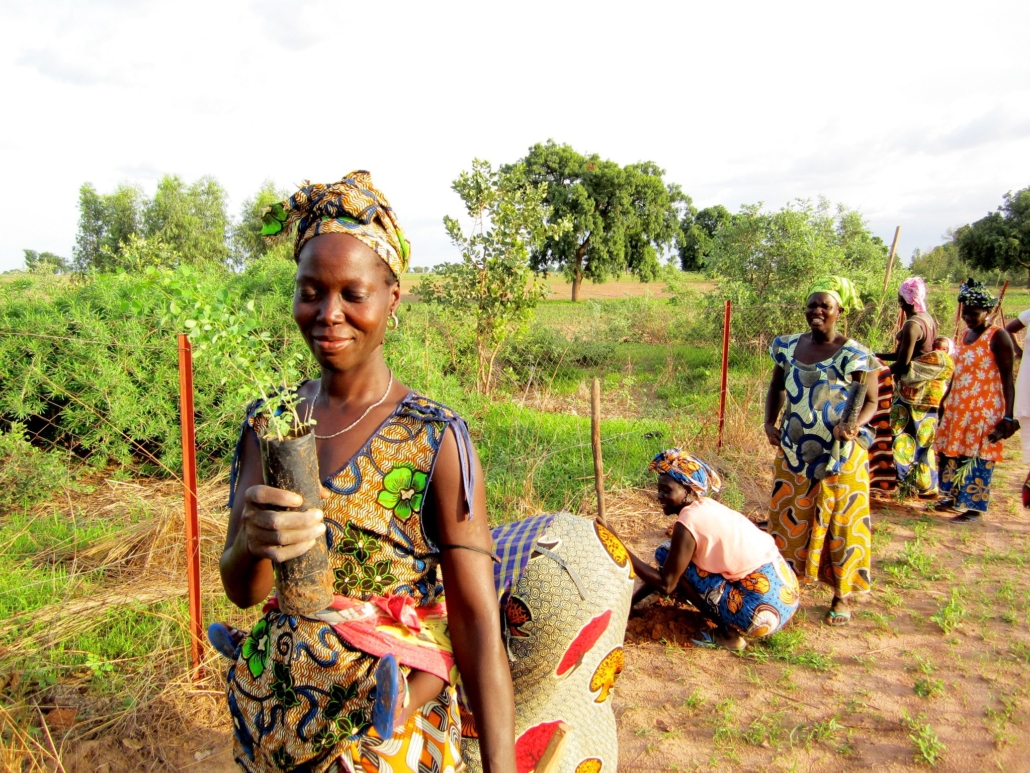
In a remote village in Senegal, female farmers are banding together to save their village from drought, famine and environmental difficulties. Local Senegalese farmers are struggling with food insecurity, and available land has dwindled. As a result, men are leaving the village to search for opportunities elsewhere. However, one of the biggest problems is the recent decrease in water supply due to rain shortages. Thanks to innovative efforts by these Senegalese female farmers, however, conditions are improving.
Food Insecurity and Environmental Changes in Senegal
Increasing changes to the environment are affecting farmland at an unprecedented rate, with Senegal being one of its main targets. Predictions determine that environmental factors will displace almost 1 billion people by 2050. Rural communities in Senegal and other parts of Africa feel these effects the most. In response to these challenges, Senegalese female farmers have made it their priority to create more sustainable lives. This has proved especially challenging given the little farmland and resources available to them.
While female Senegalese farmers make up a majority of the workforce, they have relatively little access to farmland and other resources. The dwindling supply of farmland does nothing to help this issue. Two and a half million people in Senegal might fall into food insecurity within the next year. Thus, there are a number of initiatives developing to help empower female farmers.
The Solutions
Some of these initiatives include providing women with access to farming equipment and machinery that allows them to tend to their crops more efficiently. Furthermore, educating women on nutrition and self-sufficient farming methods also helps them to become better contributors to their local economy. Many of these women share their knowledge with women in other villages, spreading the impact of their farming efforts. The wide-reaching impact of word of mouth combined with guidance from various nonprofits has helped struggling populations in Senegal by giving them the tools they need to improve their farming techniques.
Since most men in these villages leave for better opportunities, women are left behind to take care of children and provide for themselves. It places an almost unbearable burden on women to be left behind by men in a society in which it is nearly impossible to succeed without them. However, Senegalese women have still managed to come together in order to challenge pre-existing gender norms.
Remaining Barriers and Steps Forward
In spite of numerous obstacles, these women have managed to succeed in cultivating new farmland and revitalizing the local economy. There are still many barriers that prevent women from reaching their full potential. For instance, women produce 80% of the food in the country but have virtually no rights or political power. Nonetheless, recent developments seek to ensure the continued presence and support of women in the agriculture sector in Senegal. These include providing women with plots of land and enabling them to travel to other areas for business. After seeing the positive changes taking place in their communities, men have started to return to their wives. The success of these Senegalese female farmers illustrates how, with the right tools and guidance, women in developing countries can create better lives for themselves and their families.
– Xenia Gonikberg
Photo: Flickr
