Segregated Education in Libya, Post-Gaddafi
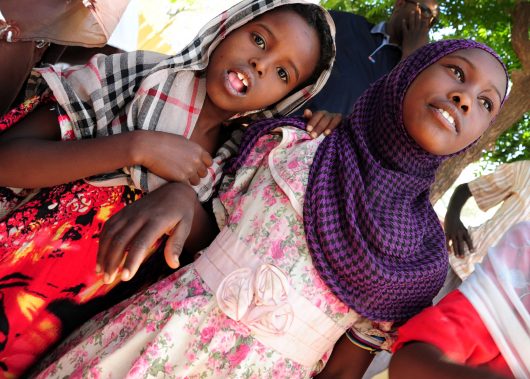
The entire culture of Libya has changed since the very public takedown of Moammar Gaddafi during a long battle in 2011. Since then, Libyans have lived through free elections, the collapse of their government and an ongoing civil war. The women of Libya, in particular, have been affected most harshly. Islamization imposed on a formerly modernized religious culture through news laws puts women’s access to education at risk, along with their general freedom in society. This is what you need to know about the current state of segregated education in Libya.
Education for Women Once Was Better
When Gaddafi led the Libyan government as a dictator, there was no segregated education in Libya. Instead, there was unlimited access for women to attend school at all levels. As a result, the number of well-educated women in Libya is higher than elsewhere in the region. An almost equal number of women (32 percent) as men (33 percent) hold university degrees, and almost 77 percent of female high school graduates intend to pursue higher degrees.
As a result of the country’s increased Islamization, women are encouraged to stay at home. Because of increasing violence against women, this is slowly becoming a reality.
Even Elementary Education Is Affected
Education until the ninth grade is compulsory for children in Libya. Before the civil war, roughly one million students attended school, but this year, with the civil war ongoing, around 297,000 children have been unable to attend school.
Schools are also shutting down at alarming rates, transforming into shelters for persons displaced during the war. The city most affected by this is Benghazi. Those schools that remain open lack electricity for long periods of time and their access to sanitation is also lacking.
New Laws Affect Women in Universities
Segregated education in Libya was made possible in 2013 when a school in Derma built a wall in the middle of a university campus to keep men and women apart.
In that same year, new laws made it harder for women achieve a normal schooling experience. A 2013 fatwa announced that women could now attend a university only if they attended schools that were segregated by gender.
Segregated education in Libya also requires that women dress in accordance with Islamic tradition. All women are forced to wear some form of headwear that covers their hair. In April 2014, Libya made headlines when a woman who attended a university did not wear her headscarf and was harassed and abused by a security guard on campus.
Ultimately, only the Libyan government can make it easier for women to attend its universities. But with newly segregated education in Libya, we can only hope that things take a turn for the better in the near future.
– Maria Rodriguez
Photo: Flickr
