• Link to X
  • Link to Facebook
  • Link to Instagram
  • Link to TikTok
  • Link to Youtube
  • About
    • About Us
      • President
      • Board of Directors
      • Board of Advisors
      • Financials
      • Our Methodology
      • Success Tracker
      • Contact
  • Act Now
    • 30 Ways to Help
      • Email Congress
      • Call Congress
      • Volunteer
      • Courses & Certificates
      • Be a Donor
    • Internships
      • In-Office Internships
      • Remote Internships
    • Legislation
      • Politics 101
  • The Blog
  • The Podcast
  • Magazine
  • Donate
  • Click to open the search input field Click to open the search input field Search
  • Menu Menu
Blog - Latest News
Global Poverty, Hunger

Growing Population Exacerbating Hunger in Niger
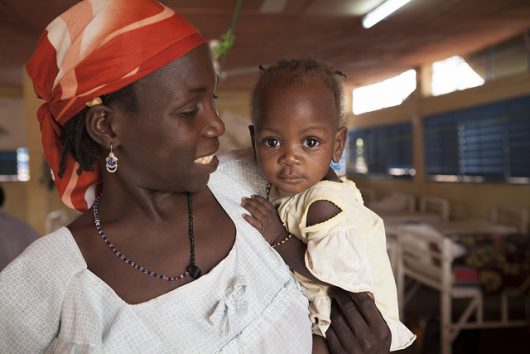

Niger is a landlocked country in the Sahel region of Africa and is 80 percent desert. Most of Niger’s livelihood is based on subsistence agriculture. Half the country is under age 15 and 60 percent of Nigeriens live below the poverty line. Food insecurity is widespread, affecting more than 1.5 million people in 2017.

The main causes of hunger in Niger are over reliance on rain-fed agriculture or herding for food. Late rainfalls lead to crop failure and dry up the grazing land. High food prices do not come down. Regional conflicts nearby and recurring food crises have led to an influx of thousands of refugees which has burdened poor communities. The population growth rate is 3.9 percent, which is one of the highest in the world. The European Commission predicted a shortfall of 410,000 metric tons in cereals. Niger ranked at 167 out of 169 countries in the United Nations Humanitarian Development Index in 2010

Hunger in Niger has led to chronic malnutrition affecting 42.2 percent of children under five. Overall, 10.3 percent of children are suffering from malnutrition. Poor diets lacking vitamins and minerals has caused 73 percent of children and 46 percent of women to be anemic. Hunger is Niger was exacerbated by the climate-related food and nutrition crisis of 2000. Inadequate nutrition has led to increased risk of illness and death and damage to development.

What the nation needs is long-term projects aimed at tackling malnutrition and hunger in Niger. The main causes including lack of social protection, over-reliance on rain-fed agriculture and the growing population need to be tackled. Access to healthcare, education, credit and safe water is crucial for long-lasting development and empowerment of communities. According to scientists, to fight hunger in Niger, mobilization of science and technology is needed to reduce and eliminate future risks.

– Aishwarya Bansal

Photo: Flickr

June 18, 2017
Share this entry
  • Share on Facebook
  • Share on X
  • Share on WhatsApp
  • Share on Pinterest
  • Share on LinkedIn
  • Share on Tumblr
  • Share on Vk
  • Share on Reddit
  • Share by Mail
https://borgenproject.org/wp-content/uploads/borgen-project-logo.svg 0 0 Borgen Project https://borgenproject.org/wp-content/uploads/borgen-project-logo.svg Borgen Project2017-06-18 07:30:432024-05-28 00:01:57Growing Population Exacerbating Hunger in Niger

Get Smarter

  • Global Poverty 101
  • Global Poverty… The Good News
  • Global Poverty & U.S. Jobs
  • Global Poverty and National Security
  • Innovative Solutions to Poverty
  • Global Poverty & Aid FAQ’s
Search Search

Take Action

  • Call Congress
  • Email Congress
  • Donate
  • 30 Ways to Help
  • Volunteer Ops
  • Internships
  • Courses & Certificates
  • The Podcast
Borgen Project

“The Borgen Project is an incredible nonprofit organization that is addressing poverty and hunger and working towards ending them.”

-The Huffington Post

Inside The Borgen Project

  • Contact
  • About
  • Financials
  • President
  • Board of Directors
  • Board of Advisors

International Links

  • UK Email Parliament
  • UK Donate
  • Canada Email Parliament

Get Smarter

  • Global Poverty 101
  • Global Poverty… The Good News
  • Global Poverty & U.S. Jobs
  • Global Poverty and National Security
  • Innovative Solutions to Poverty
  • Global Poverty & Aid FAQ’s

Ways to Help

  • Call Congress
  • Email Congress
  • Donate
  • 30 Ways to Help
  • Volunteer Ops
  • Internships
  • Courses & Certificates
  • The Podcast
Link to: Breaking Down the 2017 IFPMA Report: Life Expectancy Link to: Breaking Down the 2017 IFPMA Report: Life Expectancy Breaking Down the 2017 IFPMA Report: Life Expectancy Link to: Segregated Education in Libya, Post-Gaddafi Link to: Segregated Education in Libya, Post-Gaddafi Segregated Education in Libya, Post-Gaddafi
Scroll to top Scroll to top Scroll to top