Poverty Rate in Eritrea Forces Migrant Crisis
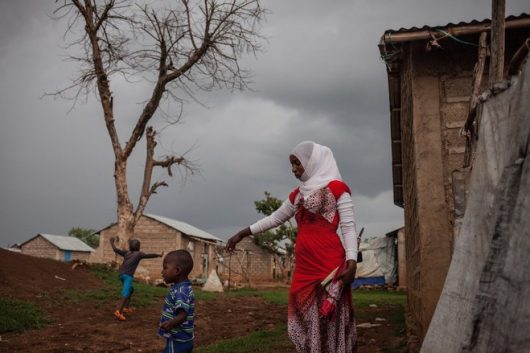 An Eritrean man named Binyan left behind his family and hiked 19 hours to the Ethiopian border. He would have to brave a dangerous journey that involved crossing the Mediterranean on overfilled boats and avoiding human traffickers. He did all of this just to get out of Eritrea. The poverty rate in Eritrea and harsh military conscriptions are forcing young people to leave the country.
Currently, Eritreans are the third-largest group of people that are coming across the Mediterranean to Europe. The U.N. estimates that nine percent of the country has evacuated in recent years. Eritreans, however, also account for the majority of the 3,000 people who have drowned in the Mediterranean on the journey. However, the situation looks even more worrying. Policy toward Eritrean refugees is shifting. The U.K. has cut the number Eritrean refugees’ applications being accepted from 77 percent to 29 percent.
There are not many figures on the poverty rate in Eritrea. The government has repeatedly denied the U.N. and independent human rights groups access to the country. However, by GDP per capita, Eritrea is the ninth-poorest country in the world. Joblessness and lack of opportunities are prevalent. Many Eritrean youths are fleeing the country precisely because they are unable to obtain work. The government halts most imports, has stopped the World Food Programme’s free distributions to roughly a million people and has refused a $100 million development loan from the World Bank.
Many factors contribute to the current rates of poverty in Eritrea. For example, the government’s harsh military conscription pays only two dollars per day, keeps young men out of work and can be extended indefinitely. Teenagers are inducted at the Sawa military base where they get four months of training and then take an exam that determines whether they are put into active service or allowed to go back to their education. The men are forced into awful conditions; they are not even given blankets and eat low-quality food. One former conscript spoke of being forced to lie in a 131-degree sun for hours.
However, there is some hope for the country. President Isaias Afwerki has been conducting a self-reliance program, with some good results. Education and healthcare are free, the HIV rate is down to less than one percent, measles and polio have been virtually eradicated and child mortality rates have decreased by two-thirds since 1995. According to the U.N., Eritrea scores higher on health than its neighbors Ethiopia and Kenya.
However, this is not enough. The country desperately needs U.N. examination and aid. If the country would open its borders to imports and aid, especially economic aid, the poverty rate in Eritrea would drop dramatically and the country would no longer see a large portion of the population fleeing its borders.
– Bruce Edwin Ayres Truax
