Human Trafficking in Sri Lanka: Protecting Vulnerable Women
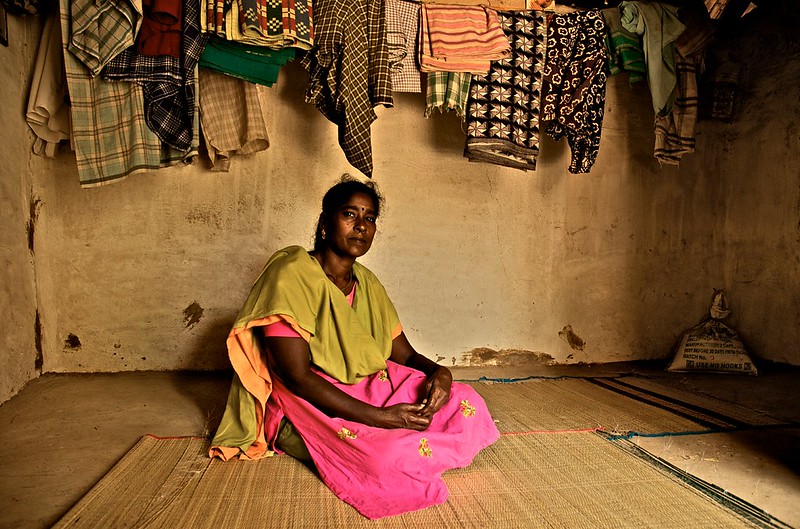 Human trafficking in Sri Lanka continues to affect economically vulnerable communities, particularly women seeking work abroad due to limited local employment opportunities and financial instability. While many Sri Lankans migrate willingly in search of employment opportunities, economic instability and weak labor protections can increase the risk of trafficking and labor exploitation during the migration process. For women, gender inequality and limited employment opportunities often lead to work in low-wage sectors where legal protections may be weaker.
Organizations in Sri Lanka are expanding prevention, rehabilitation and community education programs aimed at reducing trafficking risks and supporting long-term poverty reduction. Efforts led by groups such as the International Organization for Migration (IOM) and Women in Need (WIN) focus on safe migration education, victim support and economic empowerment programs that help vulnerable women and families reduce their exposure to exploitative migration pathways.
Economic Instability and Human Trafficking in Sri Lanka
Sri Lanka’s recent economic crisis increased financial pressure on low-income households and contributed to rising overseas migration. According to a report, more than 312,000 Sri Lankans left the country for overseas employment in 2024, the highest figure ever recorded, driven by ongoing economic hardship and demand for overseas work. Many Sri Lankan women seek employment abroad in domestic work and caregiving sectors to support their families financially.
This migration pattern is shaped by gender inequality, as women often have fewer local income opportunities and may rely on overseas domestic work to support household expenses. As a result, safe migration information and verified recruitment channels are especially important for families relying on overseas work as a source of income.
International organizations have warned that human trafficking in Sri Lanka may become more difficult to prevent when deceptive recruitment practices, high recruitment costs and exploitative labor conditions affect migrant workers during the migration process. According to IOM, migrant workers, including women in domestic and care work, may face withheld travel documents, debt-related coercion and restricted freedom of movement after arriving in destination countries.
In response, IOM supports safe migration awareness programs in Sri Lanka that help workers identify verified recruitment agencies and better understand labor rights before migrating abroad. IOM also works with local authorities to strengthen victim identification and rehabilitation services for trafficking survivors.
Prevention Through Awareness Campaigns
Community awareness programs have become an important part of efforts to reduce human trafficking in Sri Lanka. In June 2025, IOM and Sri Lanka’s National Anti-Human Trafficking Task Force (NAHTTF) launched a nationwide media campaign to raise awareness about trafficking risks, including forced labor, sexual exploitation and cyber scam-related exploitation. The campaign aimed to help communities identify trafficking risks and encourage the reporting of suspected cases.
The campaign focused on communities where limited job opportunities and unsafe recruitment channels may increase vulnerability to exploitation. By using television, radio and digital media, the initiative worked to provide workers and families with information about safe migration practices and available support services before accepting overseas employment opportunities. For low-income households, this type of information can help protect both worker safety and a potential source of family income.
UNICEF Sri Lanka has also supported community-based education and protection programs for economically vulnerable families affected by migration and financial instability. These initiatives aim to strengthen social support systems and improve awareness of exploitation risks and available support services.
WIN and Rehabilitation Efforts
Local organizations also continue expanding rehabilitation and empowerment services aimed at reducing human trafficking in Sri Lanka and supporting women affected by violence and exploitation. WIN, established in 1987, provides legal assistance, counseling and shelter services for women experiencing abuse and exploitation. According to a review published by the Norwegian Agency for Development Cooperation (Norad), WIN has played a significant role in supporting women affected by violence and promoting women’s rights in Sri Lanka.
WIN also supports vocational training and economic empowerment initiatives to improve long-term financial stability for vulnerable women. Employment training and financial support programs may help reduce trafficking risks by increasing access to stable income opportunities, reducing economic dependence and giving women safer alternatives to risky migration arrangements. Furthermore, it works to improve awareness of gender-based violence and women’s rights through community outreach and educational programs.
These initiatives aim to help women access support services and better understand the legal protections available to survivors of violence and exploitation.
Continued Efforts To Reduce Human Trafficking in Sri Lanka
Human trafficking in Sri Lanka remains closely connected to poverty, migration pressures and limited labor protections for vulnerable workers. However, organizations including IOM, UNICEF Sri Lanka and WIN continue to expand prevention and rehabilitation efforts focused on safe migration education, victim support and economic empowerment.
Despite ongoing challenges, investments in community education, vocational training and survivor support services continue to assist vulnerable communities across Sri Lanka. Continued cooperation between international organizations, local nonprofits and government agencies may help reduce trafficking risks while expanding safer income pathways for vulnerable women and families across Sri Lanka.
– Natalia Fleith Gelasko
Natalia is based in Berlin, Germany and focuses on Business and Politics for The Borgen Project.
Photo: Flickr
