How to Stop Polio for Good in the Developing World
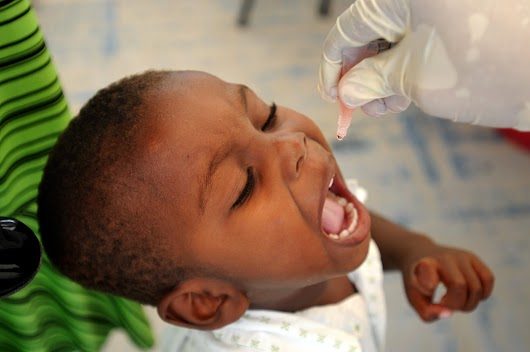
In the process of discerning how to stop polio permanently, health professionals must focus on the developing world.
Poliomylelitis, commonly known as polio, is a disease that spreads through contaminated water or food supplies. It can cause paralysis and in rare cases, even be lethal.
Most infected people (90 percent) have no visible symptoms of being infected with polio. However, some initial symptoms of the disease may include fever, fatigue, headache, and vomiting. These are quite similar to the symptoms of the common influenza virus.
However, as polio progresses, stiffness in the neck and pain in the limbs will occur.
The stiffness and pain then progresses into irreversible paralysis, usually in the legs of the infected person. So how does one stop an “invisible” disease? How to stop polio throughout the world?
The Polio Eradication and Strategic Endgame Plan 2013-2018 endeavors to build a polio-free world by 2018 through a four-step plan:
1. “Detect and interrupt all poliovirus transmission;
2. Strengthen immunization systems and withdraw oral polio vaccine;
3. Contain poliovirus and certify interruption of transmission;
4. Plan polio’s legacy.”
The first two steps are the most important when discerning how to stop polio. Detection of poliovirus is difficult, because there are two strains which have the ability to paralyze: wild poliovirus and circulating vaccine-derived poliovirus (cVDPV).
According to the WHO, polio has no known cure once a person is infected. However, there is an oral polio vaccine available.
An oral vaccine works by containing a weakened form of the virus (in this case poliomylelitis). This virus then enters the child’s bloodstream and activates an immune response.
The vaccine-virus then replicates in the child’s intestine for a limited period, building up crucial antibodies necessary for fighting off a future polio infection. The child then excretes this vaccine.
This excreted vaccine-virus will continue to survive and becomes a circulating vaccine-derived poliovirus (cVDPV). In developing countries with poor sanitation, cVDPV will infect people who haven’t received the vaccine yet.
Consequently, the oral vaccine can spread the disease just as often as it prevents it.
By contrast, the injectable poliovirus vaccine (IPV) does not have an active form of the poliovirus. Therefore, it cannot infect another individuals.
Switching from an oral poliovirus vaccine (OPV) to an injectable poliovirus vaccine (IPV) eliminates the potential of cVDPV occurring in a population.
The strain of poliovirus utilized in IPV shots is inactivated. When recipients excrete it, there is no chance of contracting polio from the excrement.
OPVs are often used in developing countries with large rural populations lacking in access to medical facilities. This is because oral polio vaccines do not require the sterile needles for injections.
The Polio Global Eradication Initiative seeks to make a smoother transition from the oral vaccine to an injected one by creating a multi-step process. Instead of immediately removing OPVs from circulation, they plan to first use a different OPV and supplement it with an IPV.
This transition must occur globally in order to be successful. A bivalent OPV will decrease the chance of cVDPV. Eventually, all countries will be able to switch to using IPV shots.
How to stop polio? Ensuring that all countries have access to proper medical care and sanitation services is a start. It is also important to continue to spread awareness of the importance of vaccinating children against polio.
– Bayley McComb
Photo: USAID
