Addressing Child Marriage in Argentina
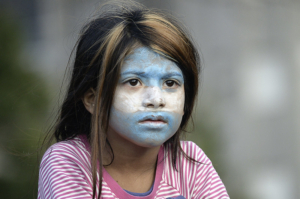 Child marriage is an example of the gender inequalities that girls and women face, which prominently exists in countries of extreme poverty. It is an issue that harms the lives of girls in Argentina as there can be an increased risk of adolescent pregnancies in addition to reduced access to education.
In Argentina, the gender pay gap is leading more girls and women to poverty. UN Women states that “Women and girls aged 15+ spend 23.4% of their time on unpaid care and domestic work, compared to 9.2% spent by men.” The power dynamics girls face regularly put them in a position where they do not have the resources to withstand poverty, therefore, leading them to child marriage in Argentina.
Leading Factors for Child Marriage
Girls Not Brides has stated that “16% of girls in Argentina marry or enter a union before age 18, and 2% marry before age 15.” The percentage of girls getting married as adolescents is proof of the scary reality that women and girls have to live through every day.
The law in Argentina works to prevent marriage before 18, however, parents and guardians have the right to enforce marriage at 16. This power dynamic is another social norm which influences gender inequalities to prevail. Other factors that result in child marriage include getting pregnant at a young age, which socially isolates young girls from their families and education. Girls also may feel compelled to stay in a union if it is their only support.
Improvements to Child Marriage in Argentina
Thankfully, there is a plan to eradicate child marriage in Argentina by 2030. Argentina is actively co-sponsoring legislation to prevent child marriage. It also aims to prevent violence, which enforces gender-based inequality and leads to issues such as child marriage. Significantly, the government will be prioritizing services to support those involved in child marriage.
People all over the world have been actively helping to stop child marriage in Latin America as well. This includes organizations such as Girls Not Brides. It has given a voice to girls and women who feel like they cannot speak freely.
In Argentina specifically, Girls Not Brides is improving the lives of young girls by utilizing The Foundation for Studies and Research on Women (FEIM). It researches and advocates against the issue of child marriage in Argentina, while training people to provide education on child marriage.
Meanwhile, SOS Children’s Villages has actively been working to stop adolescents from falling into the trap of entering marriage before 18. This organization creates a living environment for children to grow up in, providing them with education and support in their childhood and helping them move into the future independently. So far, “SOS Children’s Villages supports 1,270 adults and children, 1,610 attend their school and further training, 150 children grow up in their care and 840 are supported on their way to independence.” These factors all play a part in preventing child labor and marriage, and increasing quality of life.
Looking Ahead
While the injustice many young girls in Argentina face is immense, Argentina’s government and various organizations have actively worked toward protecting the rights of girls and improving the quality of life for girls in the country. Hopefully, with continued action, child marriage in Argentina will completely disappear.
– Freya Bryers
Freya is based in London, UK and focuses on Good News for The Borgen Project.
Photo: Flickr
