A Closer Look at HIV/AIDS in Kenya
 On July 14, 2021, in Nairobi, Kenya, the National AIDS Control Council (NACC) held its sixth Maisha HIV/AIDS conference, bringing together stakeholders to continue the battle against HIV/AIDS in Kenya and find impactful solutions. The NACC is the main “body responsible for coordinating the HIV response in Kenya.” The organization of the Maisha HIV/AIDS conference follows the objectives of NACC to mobilize resources, engage and collaborate with other organizations focusing on HIV/AIDS control. Since its establishment in 1999, NACC’s government-funded groundwork, analysis and implementation efforts have affirmed the right to health. With an average of 100,000 new HIV/AIDS cases in Kenya yearly, according to World Health Organization (WHO) data from 2014, NACC’s research, community-led initiatives and destigmatization efforts form a core part of the frontline response to the fight against HIV/AIDS.
HIV/AIDS in Kenya
According to Avert, in 2019, Kenya reported “1.5 million people living with HIV” and 21,000 deaths stemming from AIDS. While this mortality rate is high, “the death rate has declined steadily from 64,000 in 2010.” Young people account for a significant number of infections — in 2015, young people between the ages of 15 and 24 made up more than 50% “of all new HIV infections in Kenya.”
Since the rise of HIV/AIDS in the 1990s, many sub-Saharan countries still grapple to control the spread of the virus. However, today, Kenya stands as “one of sub-Saharan Africa’s HIV prevention success stories.” In 2019, yearly new HIV infections stood at “less than a third of what they were at the peak of the country’s epidemic in 1993.”
The efforts of the NACC and several local and international organizations are responsible for these successes. In 2013, the NACC began the Prevention Revolution Roadmap to End New HIV Infections by 2030, a strategy for combating HIV/AIDs in Kenya.
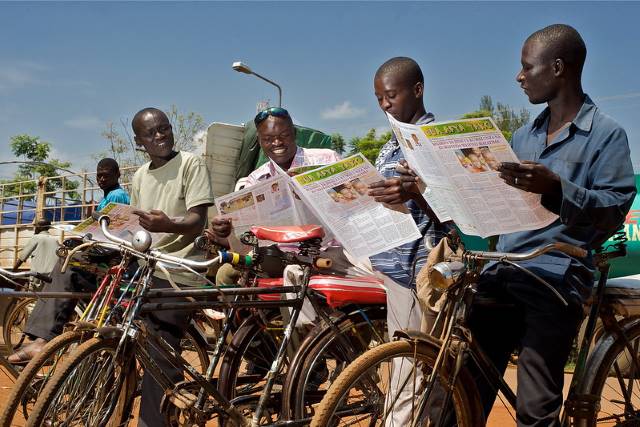
The Kenyan government distributes condoms each year as an HIV prevention method. In 2013, the government distributed “180 million free condoms.” Furthermore, the government mandates the inclusion of HIV education in school curriculums to ensure citizens are well-educated on the HIV epidemic and specific guidelines for prevention and treatment. Kenya also utilizes events and the media to raise awareness of HIV/AIDs, which has proven successful. One particular community mobilizer with Lodwar Vocational Training Centre (LVTC) in Kenya distributes 5,000 condoms per day to communities while disseminating information on the current HIV/AIDS epidemic in Kenya and testing processes.
The Maisha Reporting Tool
Kenya’s Government Ministries, Counties, Departments and Agencies (MDAs) use the NACC’s Maisha Reporting Tool to monitor HIV/AIDS in Kenya. This allows MDAs to become effective AIDS control units. Policy-makers inform their intervention using localized data pulled from the tool. The Maisha Reporting tool ultimately aims to encourage the active engagement of MDAs “in developing and implementing policies to tackle the prevention and management of HIV and AIDS in Kenya.”
MDAs’ participation in the certification system involves documenting and tracking their efforts to reduce new cases of HIV/AIDS in Kenya. These recorded undertakings on the part of MDAs include efforts for counseling and testing, distribution of condoms and baseline surveys to help control the spread of the disease.
MDAs strive to manage HIV/AIDS in Kenya, and with the help of the NACC and government funding, MDAs are shifting the narrative of implementation. Through targeted outreach, conferencing, programming and advocacy, Kenya is able to make strides in the battle against HIV/AIDS. The NACC’s Maisha Reporting Tool aims to equip all government agencies with a platform that facilitates understanding and encourages action in order to one day establish an HIV-free Kenya.
– Joy Maina
Photo: Flickr
