A Closer Look at HIV/AIDS in Somalia
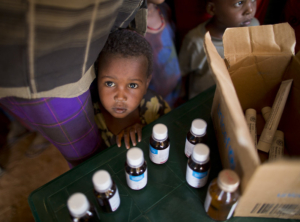 Somalia, a large country nestled in the Horn of Africa, is one of many developing countries affected by the AIDS epidemic, though not to the extent of other areas within sub-Saharan Africa. Though Somalia notes a relatively low prevalence rate of HIV/AIDS at 0.10% in 2022, organizations are working on further progress in the area of HIV/AIDS in Somalia.
HIV/AIDS in Somalia in Numbers
When the epidemic began in Somalia in 1990, an estimated 2,500 Somali people lived with HIV. This number reached a peak of 15,000 in 2005. However, since then, incidents of HIV/AIDS in Somalia have steadily reduced. In 2021, an estimated 7,700 people lived with HIV/AIDS in Somalia, according to data from UNAIDS. In terms of gender, HIV/AIDS impacts more women than men. In 2021, women accounted for 52% of people 15 and older living with the condition in Somalia. Young women are more likely than men to contract a new HIV infection as they are more likely to face gender-based violence and are more harshly impacted by poverty and inequality. However, Somalia notes an equal split in the number of AIDS-related deaths according to gender.
The Impact of Poverty and Stigma
Close to 70% of Somali people are living below the poverty line, according to 2022 statistics. The decades-long war and severe weather conditions have contributed to both poverty and food insecurity. Living in poverty can be a catalyst for contracting HIV. Similarly, contracting HIV can deepen already existing poverty.
Conditions of poverty can lead to risky behaviors such as participating in transactional sex for food or shelter. Poverty is also a risk factor for developing unhealthy behaviors such as substance abuse, which lowers the chance of taking precautionary measures to protect against HIV. Improper drug use, such as the reusing of contaminated needles, can also cause HIV.
Additionally, the health care system in Somalia is poor. As of 2020, the existing health care system within Somalia is largely privatized. This means that impoverished Somalis, especially those living in rural areas, do not have access to affordable health care. In fact, estimates indicate that less than 30% of Somali people have access to health care.
The stigma and shame surrounding HIV/AIDS serve as a barrier to testing, diagnosis and treatment. People living with HIV experience discrimination and alienation not just from society but also from health care workers. For this reason, people are reluctant to utilize HIV services and visit clinics/hospitals. Oftentimes, people living with HIV “…only [became] aware of their HIV-positive status” when their partner received a positive diagnosis or “when the individual fell ill and all other attempts at healing them did not work,” according to a research study by Abdulwahab M. Salad and others published online in 2022.
Solutions to Addressing HIV/AIDS in Somalia
Within Somalia, the World Health Organization (WHO) focuses on addressing the epidemic by ensuring greater access to ART drugs, HIV testing and counseling. The WHO states that “Somalia is holding its own in comparison with immediate neighbors and other countries in the region” and that by the end of December 2022, 4,100 patients across Somalia were receiving antiretroviral therapy with the help of the WHO.
The WHO works in Somalia alongside the Global Fund. The Global Fund provided an investment of $18.6 million for the period of 2021 to 2023 to strengthen the HIV response in Somalia. This investment aims to “support Somalia in its goals of accelerating progress toward 95-95-95 HIV testing and treatment targets, reducing new HIV cases, mortality and morbidity by 30% and significantly reducing HIV-related discrimination in health care settings,” the Global Fund website says.
Visible Progress
Indeed, progress is visible as the Somali HIV National Strategic Plan states “…projected rates of new HIV infections dropped significantly from year 2000 to 2010 with numbers plateauing from 2012 to date. The early decline of new infections could be attributed to the strong cultural drive as well as heightened prevention interventions.”
Due to Somalia’s progression in reducing the HIV/AIDS prevalence rate from more than 1% in 2013 to 0.10% in 2022, Somalia maintains its status as “a low-level HIV epidemic country” as classified in 2014. Overall, Somalia is making significant progress as AIDS-related deaths are steadily declining and ART coverage rates are increasing, UNAIDS data shows.
But, it is imperative to continue advocating in other areas, such as poverty and stigma reduction, education, safe sex and drug use harm reduction for these numbers to continue dropping and to fully eradicate HIV/AIDS within Somalia.
– Chloe Jenkins
Photo: Flickr
