10 Facts About Health in Libya
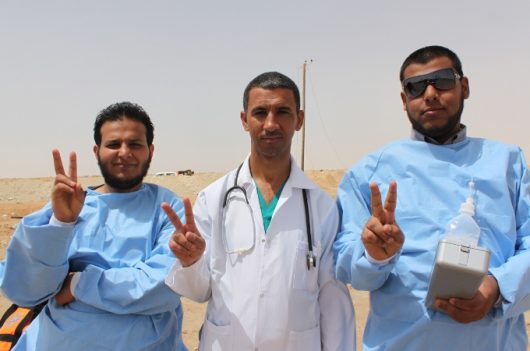 As a result of the 2011 civil war that culminated with the ousting of longtime Libyan dictator Muammar al-Qaddafi, multiple sectors of Libyan society needed to be rebuilt. While progress has been made since the end of the conflict, long-term reform in the health sector of Libya presents obstacles due to the continuing violence and a lack of resources. Following are 10 facts about health in Libya.
- Libya had a fairly strong healthcare structure prior to the civil war. The country had proficient water and sanitation systems and near-universal vaccination coverage.
- In 2010, the top two reported communicable diseases in Libya were influenza and diarrhea. Cardiovascular disease, a noncommunicable disease, was the number one cause of death in Libya that year.
- When the civil war began, health in Libya began to deteriorate. The primary health system collapsed in the eastern part of the country, and fewer hospitals had to accommodate an increased number of patients.
- The issues continued after the 2011 civil war ended. Libyan hospitals were previously staffed by foreigners who left Libya when the civil war began and never returned. Also, the factional state of the current Libyan government has made it increasingly difficult to implement a health policy across the whole country.
- Libyan hospitals are still overloaded with patients. This is exacerbated by the fact that 43 out of 98 hospitals in Libya are partially functional or not functional at all.
- This resulted in 1.3 million people needing health humanitarian aid in 2017. There was also a decrease in vaccination coverage and an increase in maternal mortality in Libya.
- Despite these setbacks, progress has been achieved. The World Health Organization (WHO) recently held National Immunization Days where 1.3 million Libyan children were vaccinated.
- HIV/AIDS prevention also suffered from the Libyan civil conflicts. At one point, the rollout of anti-retroviral (ARV) drugs ended.
- Currently, HIV/AIDS is considered to be a concentrated epidemic among high-risk groups in Libya, while its prevalence among the general population remains relatively low. In 2016, there were 6,330 registered HIV patients in Libya.
- Health in Libya also extends to mental health. After the civil war, there were only 12 psychiatrists in Libya and mental health services were provided at two hospitals. Due to the number of Libyans who survived war-like conditions, mental health training became required for various workers in the medical field.
Malika Saim, a Doctors Without Borders staff member currently working in Libya, said that Libya is “a country where the problems aren’t immediately obvious, but so much is needed.” With continued cooperation between Libyan officials and international aid organizations and ongoing peace talks, hopefully health in Libya will improve, providing care to those who need it most.
– Sean Newhouse
Photo: Google
