Child Soldiers in Libya: Reintegration Efforts
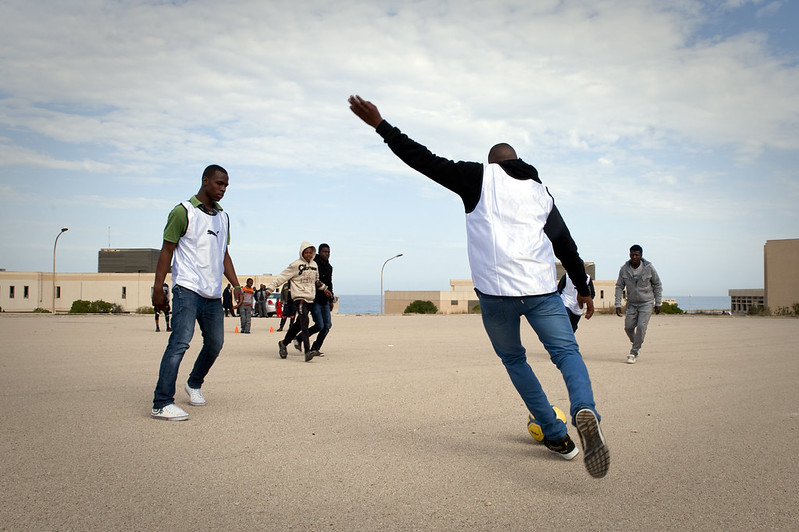 Armed conflict in Libya has had lasting effects on the country’s youth, including the recruitment of children by armed groups. Since the country’s political instability escalated following the 2011 revolution, various militias and factions have drawn young people into conflict roles. Efforts to address the issue of child soldiers in Libya increasingly focus not only on preventing recruitment but also on helping former child soldiers reintegrate into civilian life.
International organizations and local authorities are working to provide education, psychological support and employment pathways for children affected by conflict. These initiatives aim to improve long-term stability while reducing the likelihood that vulnerable youth will return to armed groups.
Child Recruitment
Children can become associated with armed groups in a variety of ways. Some join voluntarily due to economic hardship, while others are coerced or influenced by community pressures. In many cases, conflict disrupts education systems and employment opportunities, making armed groups appear to be one of the few available options for income or security.
Years of political instability have also weakened institutions responsible for protecting children. Humanitarian organizations report that refugee and migrant children in Libya face increased vulnerability to exploitation, violence and recruitment into armed activities
These conditions highlight why addressing the issue of child soldiers in Libya requires broader social and economic solutions, including education access and community-level support systems.
Reintegration Programs for Former Child Soldiers
A growing number of reintegration initiatives aim to help former child soldiers transition back into civilian life. Many of these programs follow a disarmament, demobilization and reintegration (DDR) framework. DDR programs focus on removing children from armed groups and supporting their return to education, family life and employment opportunities.
In the Libyan city of Zintan, cooperation between local authorities and international organizations helped release and reintegrate 125 children and adolescents formerly associated with armed forces. These programs included psychosocial counseling, community activities and educational support designed to help children rebuild social connections
Community involvement could play a key role in reintegration success. Training sessions for teachers, social workers and community leaders could help address stigma and encourage communities to accept returning children. According to child protection organizations, reintegration programs that include community-based support and mental health services significantly improve long-term outcomes for former child soldiers.
Strengthening Child Justice Systems
Alongside reintegration programs, Libya has taken steps to improve its child justice system. In 2022, Libyan authorities partnered with international organizations to launch initiatives focusing on creating a more child-friendly legal framework. The program focuses on rehabilitation, skill development and reintegration support for children who encounter the justice system).
Strengthening legal protections could help ensure that children previously involved in armed groups are treated as victims of conflict rather than criminals. Access to social services, counseling and education programs could reduce the long-term economic and psychological effects of conflict on young people.
Reintegration and Poverty Reduction
Poverty reduction could help reduce the issue of child soldiers in Libya and the world. Armed groups recruit children who often come from communities facing unemployment, limited education opportunities and economic instability. Without alternatives, returning to armed groups can appear to be the most viable option.
Reintegration programs attempt to break this cycle by providing vocational training, life skills education and job placement support. By helping young people access employment opportunities and return to school, these programs contribute to long-term economic stability for individuals and communities
Looking Ahead
Efforts to address child soldiers in Libya demonstrate the importance of combining humanitarian assistance, education programs and legal reforms. While challenges remain due to ongoing political instability, reintegration initiatives provide a pathway for children affected by conflict to rebuild their lives.
Expanding these programs may not only support individual recovery but also contribute to broader peacebuilding efforts. By investing in youth rehabilitation and opportunity, Libya and its international partners are working toward long-term stability and a future in which children are no longer drawn into armed conflict.
– Jason Hill
Jason is based in Fullerton, CA, USA and focuses on Good News for The Borgen Project.
Photo: Flickr
