Access to Clean Water in Chad and the Fight Against Poverty
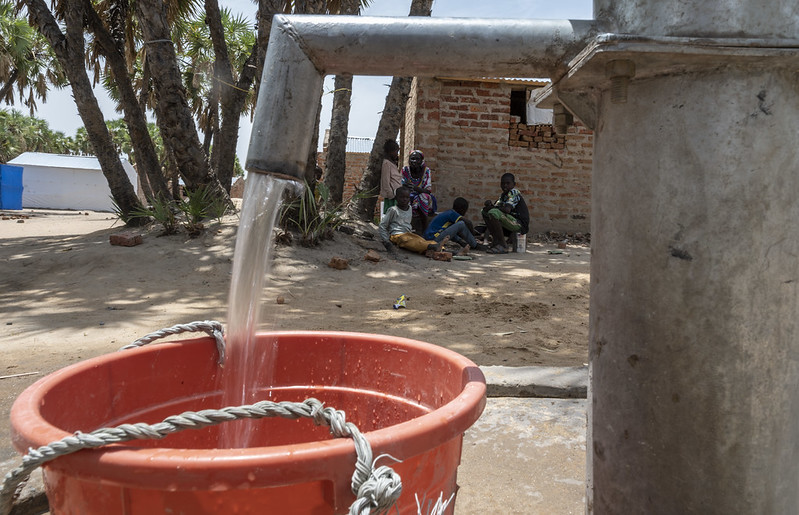 Access to clean water is a critical issue in Chad, a landlocked country in Central Africa. Millions of people in Chad struggle daily to obtain safe drinking water, which affects health, education and economic development. Understanding the challenges and potential solutions is essential for improving the lives of people in Chad.
The Water Crisis in Chad
Chad faces one of the most severe water scarcity situations in the world. Many rural areas lack reliable water sources, and residents often rely on contaminated rivers or ponds. According to UNICEF, less than half of Chad’s population has access to safe drinking water. This shortage leads to widespread waterborne diseases such as cholera, diarrhea and typhoid.
Factors Contributing to Water Scarcity
Several factors worsen the water crisis in Chad:
- Climate and droughts: Chad has a dry climate, with frequent droughts that reduce the availability of surface water.
- Poor infrastructure: Many regions lack wells, pumps and pipelines to deliver clean water.
- Population growth: Rapid population growth increases demand, putting more pressure on limited water resources.
- Conflict and displacement: Violence and political instability disrupt water systems and force people to flee to areas without safe water.
Health Impacts of Unsafe Water
Without access to clean water, children under five are especially vulnerable. Contaminated water contributes to high rates of malnutrition, stunting and preventable deaths. Women and girls often spend hours each day fetching water, which reduces time for education and work.
Solutions to Improve Access
Efforts to improve water access in Chad focus on both infrastructure and community programs:
- Boreholes and wells: Drilling deep wells provides communities with access to safe groundwater.
- Water filtration systems: Simple filtration devices can remove bacteria and pathogens from contaminated water.
- Education on hygiene: Teaching communities about handwashing, water storage and sanitation reduces waterborne diseases.
Looking Ahead
Improving access to clean water in Chad is essential for health, education and economic growth. While challenges such as the changing climate, population growth and poor infrastructure remain, targeted solutions such as wells, filtration systems and hygiene education can make a meaningful difference.
– Nishanth Pothapragada
Nishanth is based in London, Ontario, Canada and focuses on Technology and Global Health for The Borgen Project.
Photo: Flickr
