Bridging the Gender Wage Gap in the Maldives
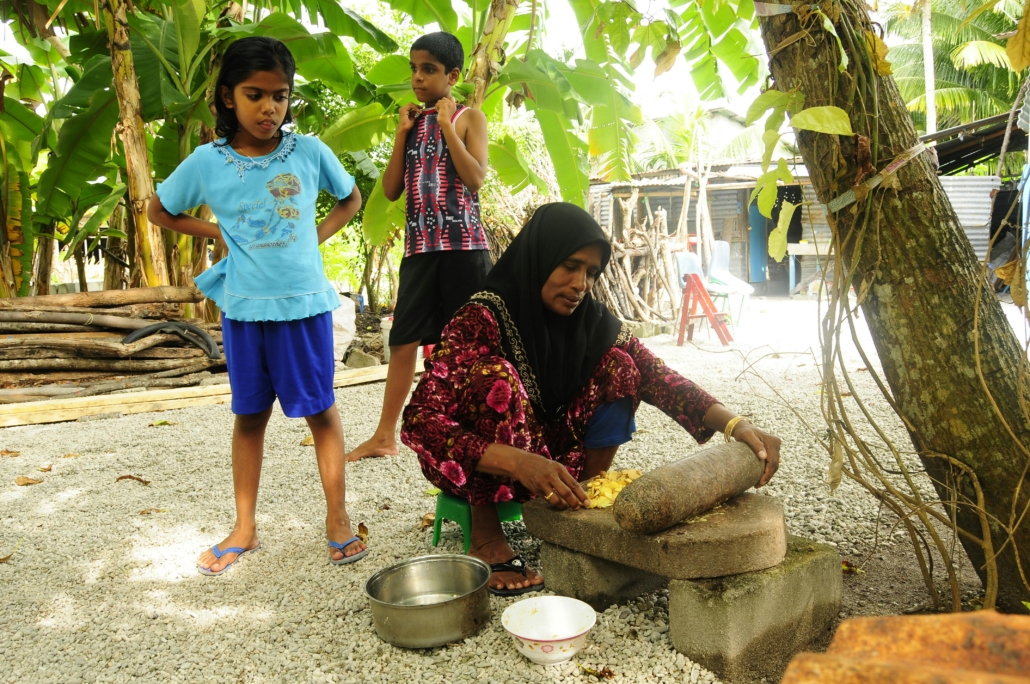 The Maldives, a nation known for its natural beauty and growing economy, has taken meaningful steps toward gender equality. However, wage disparities persist. Women in the Maldives earn approximately 20% less than men, highlighting a gender wage gap that reflects systemic inequality. While policies have improved legal protections, barriers to equal pay and economic opportunity remain widespread. Here is information about the gender wage gap in the Maldives.
Legal Frameworks in Place
The Maldives has implemented legal reforms to support gender equality. The Gender Equality Act (2016) prohibits gender-based discrimination and mandates equal pay for equal work. The Constitution of 2008 affirms equal rights for all citizens, regardless of gender. Additionally, the government introduced a 33% quota for women in local councils to promote female political participation.
Despite these advancements, enforcement remains uneven. Women continue to face limited access to high-level positions in both the public and private sectors. As of 2024, women hold just 5% of seats in the national parliament, highlighting gaps in political representation.
Occupational Segregation and Labor Disparities
According to UNDP, women comprise 45.6% of the labor force, while men account for 77.1%. The employment gap is most evident in high-paying sectors such as construction and tourism, where male workers dominate.
The Ministry of Tourism’s 2022 Employment Survey found that women make up only 11% of resort workers, with Maldivian women representing just 8%. This underrepresentation is compounded by “occupational segregation,” in which women are concentrated in lower-wage, lower-skill jobs, limiting earning potential and career advancement.
Education and Economic Opportunity
Women in the Maldives enjoy near-universal literacy, with a 98.1% female literacy rate as of 2019. However, disparities increase in higher education and employment. Only 37% of tertiary education graduates in 2021 were women, according to the Ministry of Higher Education, restricting access to technical and leadership roles.
The gap in employment outcomes is also tied to unpaid care responsibilities. A 2023 report by the Maldives Policy Think Tank revealed that women spend 19 hours per week on domestic work which is more than double the time spent by men. This time spent contributes to the “time poverty” and limiting participation of women in the formal workforce.
The UNDP’s Women in the Workforce Program
An active and impactful effort to address wage inequality is the “Women in the Workforce” program, launched in 2020 by UNDP Maldives in collaboration with the Ministry of Economic Development. The program provides vocational training, job placement services, soft skills workshops and childcare support, aiming to boost women’s employment in formal sectors.
In addition to this initiative, several other programs are helping to reduce the wage gap and promote women’s economic empowerment in the country. The National Gender Equality Action Plan (GEAP) 2022-2026, which the Ministry of Gender, Family and Social Services (MoGFSS) developed in partnership with UNDP Maldives, prioritizes “Economic Empowerment” as a key focus area. This plan aims to ensure equal participation and remove barriers to women’s economic activities.
At the same time, the Asian Development Bank (ADB) has funded the “Strengthening Gender Inclusive Initiatives (SGII) Project,” which partners with the Ministry of Finance on gender-responsive budgeting. This project also supports the Ministry of Economic Development in transitioning women from informal to formal employment, with initiatives such as affordable childcare subsidies. Complementing these efforts, the UNDP Maldives Gender Equality Strategy 2023-2026 outlines the organization’s commitment to fostering gender-equal, sustainable economies.
Looking Ahead
While the Maldives has made significant strides in legislation and program development to address the gender wage gap in the Maldives, sustained progress requires continued investment in implementation and accountability. The Asian Development Bank (ADB) notes that increasing female participation in the workforce can significantly boost the country’s GDP and reduce poverty. Ongoing efforts such as workforce training, business mentorship and inclusive policy design are helping to narrow the wage gap. Expanding access to affordable childcare and increasing women’s representation in high-growth industries remain critical areas for further development.
As these efforts scale and enforcement of equality laws strengthens, the Maldives moves closer to building a more inclusive economy, where every citizen, regardless of gender, has equal opportunity to succeed.
– Sriya Regulapati
Sriya is based in Vancouver, Canada and focuses on Business and Good News for The Borgen Project.
Photo: Pexels
