Ethical Fashion and Poverty Reduction
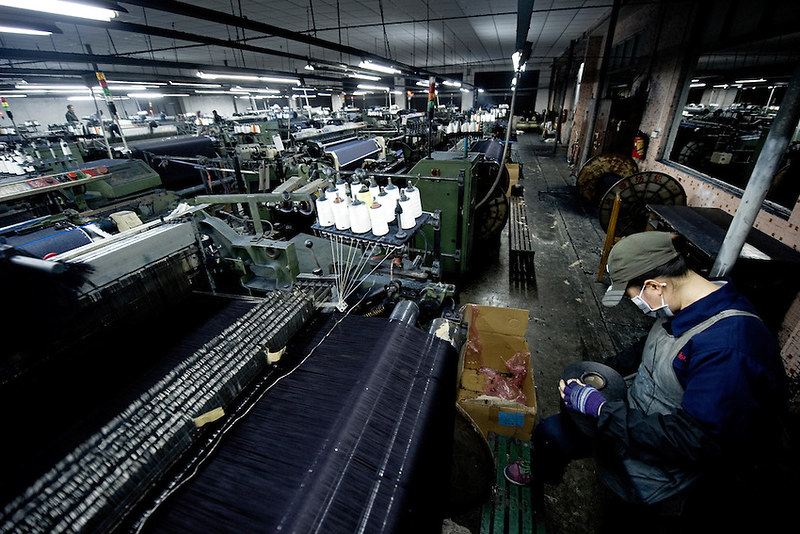 More than 60 million people work in the fashion industry worldwide, but millions of them live in low-income areas, where they frequently face hazardous working conditions and low wages. High-profile figures such as Emma Watson and Zendaya are increasingly spotted wearing sustainable and ethical fashion labels, drawing attention to these structural issues. Celebrity promotion of ethical brands can influence customer behavior, promote company transformation and support programs that assist garment workers in escaping poverty. Ethical fashion and poverty reduction have increasingly become part of global conversations about responsible consumption and labor rights.
Poverty and Unsafe Conditions in Garment Supply Chains
The wages of garment workers in key manufacturing countries like Bangladesh and Cambodia are insufficient to cover their basic living expenditures. Women make up the majority of workers, and because they typically lack bargaining power, they are vulnerable to exploitation.
The 2013 Rana Plaza collapse in Bangladesh killed 1,134 people and injured thousands more, highlighting the deadly consequences of unsafe workplaces and weak supply chain management. Despite this tragedy, fast fashion businesses continue to seek lower prices, resulting in low wages and risky working conditions.
The Clean Clothes Campaign documents these ongoing challenges, noting that many factories remain unsafe and underpaid even a decade after Rana Plaza.
Ethical Fashion as a Direct Poverty-Reduction Strategy
Manufacturing workers benefit from ethical certification programs that ensure fair pay, safe working conditions and a voice at work. Since its start in 2010, Fair Trade USA’s Factory Program has worked with more than 100 accredited manufacturers throughout the world, each meeting more than 100 social and environmental standards. This criterion provides fair wages, safer working conditions, economic opportunities, strong environmental policies and Community Development Funds that employees can utilize as they see fit.
Community Development Funds support local infrastructure, cultural activities, health clinics and scholarships. Fair Trade USA has distributed $100 million in these subsidies so far, directly improving livelihoods and protecting communities. Employees report greater community involvement, financial stability and opportunities for professional and personal growth. Brands like Boll & Branch, e.l.f., Eileen Fisher and Terra Thread demonstrate how ethical certification empowers employees while ensuring accountable, transparent supply chains.
Government and Multilateral Solutions
- The Bangladesh Accord. Following Rana Plaza, international unions and brands worked together to create the legally binding Bangladesh Accord on Fire and Building Safety. Tens of thousands of safety hazards were discovered during the Accord’s investigation of more than 1,600 factories and the vast majority were repaired. Its regulated framework reduced workplace dangers and demonstrated how legally enforceable contracts may effectively protect garment workers and advance ethical fashion and poverty reduction efforts worldwide.
- The Better Work Program. The Better Work initiative and the International Labour Organization operate in a number of clothing-producing nations. The effort combines advisory services, public reporting and factory assessments, affecting 2,250 factories and 3.7 million people. According to research, participating factories have lower levels of maltreatment, higher wages and enhanced production. Better Work is an example of how global efforts may directly benefit worker livelihoods and working conditions.
The Influence of Celebrity Advocacy on Consumer Behavior
Celebrities such as Emma Watson and Zendaya make sustainable fashion more appealing by highlighting ethical brands on social media and red carpets. According to McKinsey’s State of Fashion 2026 analysis, 46% of fashion executives expect conditions to worsen in 2026, up from 39% the previous year, suggesting that the industry is still undergoing considerable transition. Despite the challenging climate, 25% of CEOs believe that business conditions will improve, highlighting opportunities for organizations that adapt to changing consumer needs.
Demand for sustainable and ethical fashion remains strong, particularly among younger consumers, as brands respond to shifting trade dynamics and consumer behavior. Celebrity visibility encourages companies to adopt fair labor standards and normalize responsible purchasing decisions, reinforcing the connection between consumer influence and ethical fashion and poverty reduction.
Looking Ahead
Celebrity clothing alone cannot eliminate poverty among textile workers. When combined with legally enforceable agreements and NGO-led initiatives, ethical fashion can contribute to improved pay and safer working conditions. Companies can commit to paying living wages and sourcing products transparently, consumers can support responsible brands and policymakers can strengthen labor law enforcement. Together, these efforts may contribute to structural improvements in the global apparel sector.
– Madison Brown
Madison is based in Nottingham, UK and focuses on Celebs and Politics for The Borgen Project.
Photo: Flickr
