Updates on SDG 1 in South Sudan
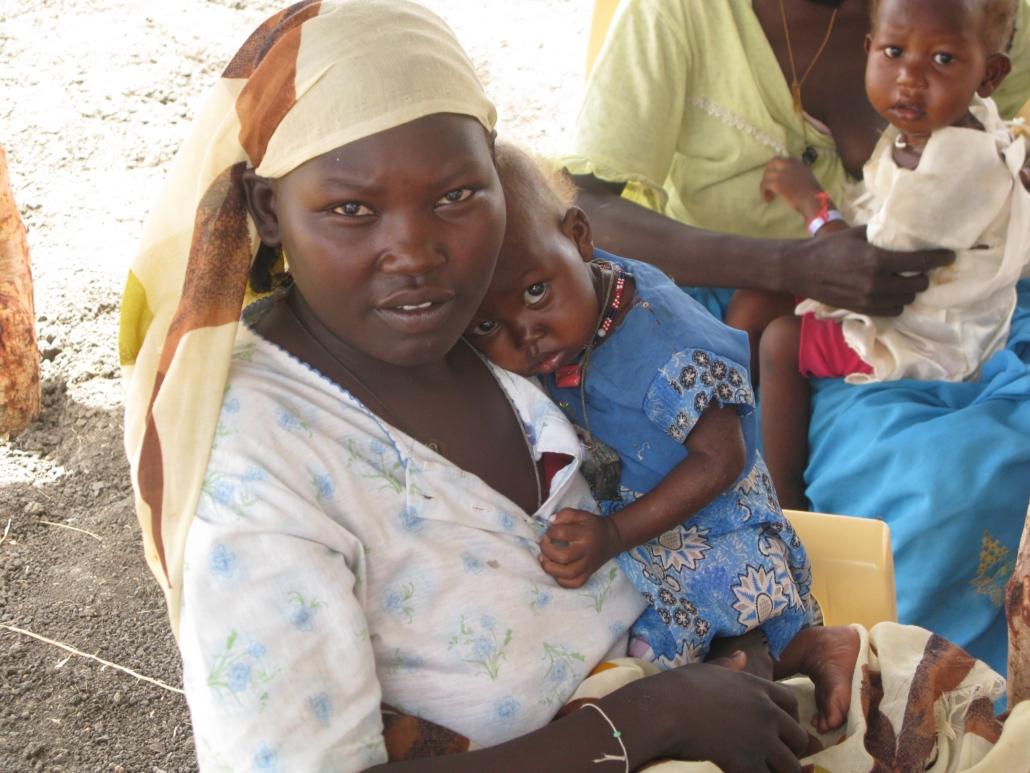 Many of the people in South Sudan are, literally, struggling to survive. A myriad of households stand to experience catastrophe by May 2026. Opposition between government and resistant forces are causing further displacement, limiting access to food and hindering humanitarian aid. The risk of famine continues to spread, especially with the re-emergence of cholera outbreaks. Imagine having a sick child and the only food and water available for her consumption is contaminated. This is real life for the South Sudanese. Many face physical, emotional, mental and spiritual devastation on a daily basis.
A 2022 South Sudan Household Budget Review discovered that only 24% of the South Sudanese live above the national poverty line. Poverty has a firmer grip on the children and women of South Sudan. About 40% of South Sudanese refugees are adults. The remaining 60% are under age 18. Females, juveniles and children make up the majority of those living in displacement camps. Here are updates on SDG 1 in South Sudan, which is the goal of no poverty.
Sustainable Development Goals (SDGs)
Located in northeastern Africa, South Sudan is the world’s newest country. Seceding from Sudan in January 2011, it was admitted as a new Member State by the United Nations General Assembly on July 14, 2011. It aligned its development with the United Nations 2030 Agenda for Sustainable Development Goals.
As an appeal to end poverty and ensure everyone on the globe enjoys peace and prosperity, the United Nations adopted 17 Sustainable Development Goals in 2015. All 17 goals are integrated, recognizing that improvements in one area will have a positive impact on the outcomes of others.
Updates on SDG 1 in South Sudan
UNICEF reports that conflict, flooding and access constraints have deepened severe hunger and undernourishment across large areas of South Sudan. Millions of children continue to face the possibility of starvation in 2026.
While very little progress has been made on SDG 1, institutional efforts have been ongoing. South Sudan’s Voluntary National Review (VNR), addressed the government’s intent to align national policies with the 2030 Agenda. Although the VNR mentioned intense challenges — including lack of quantitative progress on poverty reduction — it recognized the country’s commitments to bolster social protection and support the vulnerable.
Although the poverty statistics in South Sudan can feel deflating, efforts are in place to address this crisis. The United Nations Country Team and South Sudanese government collaborated on development cooperation programs to increase food security and improve livelihoods.
In addition, agricultural initiatives supported by the United Nations have expanded food production from 800,000 to more than 1.1 million metric tons in 2024. More than 3 million people benefited from support through agriculture, fisheries and livestock, enhancing both food security and resilience.
Non-Government Organizations Supporting SDG 1 in South Sudan
Action Against Hunger has been addressing poverty in South Sudan for over 40 years. The focal points of its programs are water, sanitation, hygiene and food security. It collaborated with local lawmakers and community organizations to raise the budget for Health and Nutrition categories. South Sudan’s first National Nutrition Policy was a big win in 2024.
The Sudanese American Physicians Association (SAPA) offers humanitarian aid in South Sudan. Since 2019, the mission of these American physicians of Sudanese-descent has been to provide health care, food security, sanitation, water and other life saving efforts to the vulnerable experiencing poverty. SAPA’s key achievements include availability to primary health care for 4 million people. Mobile clinics and hospital services have been arranged to serve the internally displaced, at no cost.
Oxfam has been supporting the impoverished people of South Sudan for more than 30 years. Its goals are to help women and provide them with safe spaces where they can receive medical attention. In addition, it collaborates with local officials to promote accountability inside the institutions and systems, set in place, to save lives. It has been successful in building resilience by ensuring children have access to education. Oxfam has helped people get into trades and rebuild their livelihoods. It has also backed communities by arranging infrastructure, including water treatment facilities.
Looking Ahead
These are just a few of the NGOs busy employing strategies to address poverty in the world’s youngest country. To some, it may seem that No Poverty is an elusive goal for South Sudan but with local and global support, advocacy and improved governance, achieving SDG 1 over the next decade is still within reach.
– Erin Sian Mongillo
Erin is based in North Haven, CT, USA and focuses on Good News for The Borgen Project.
Photo: Flickr
