• Link to X
  • Link to Facebook
  • Link to Instagram
  • Link to TikTok
  • Link to Youtube
  • About
    • About Us
      • President
      • Board of Directors
      • Board of Advisors
      • Financials
      • Our Methodology
      • Success Tracker
      • Contact
  • Act Now
    • 30 Ways to Help
      • Email Congress
      • Call Congress
      • Volunteer
      • Courses & Certificates
      • Be a Donor
    • Internships
      • In-Office Internships
      • Remote Internships
    • Legislation
      • Politics 101
  • The Blog
  • The Podcast
  • Magazine
  • Donate
  • Click to open the search input field Click to open the search input field Search
  • Menu Menu
Blog - Latest News
Global Poverty

Doctors Without Borders
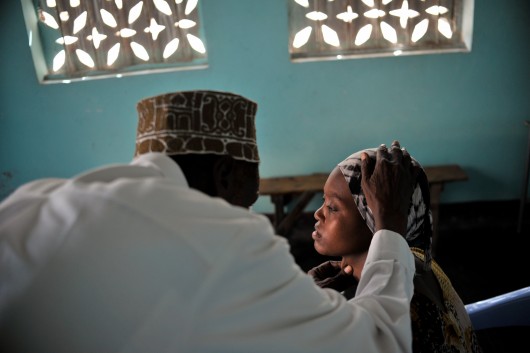
Doctors Without Borders

In discussing the origins of Doctors without Borders, Bernard Kouchner, its founder stated that “It’s simple really: go where the patients are. It seems obvious, but at the time it was a revolutionary concept because borders got in the way. It is no coincidence that we called it Medecins Sans Frontiers.”

Origins

Doctors Without Borders was conceived by a group of young doctors that decided to go and help victims of wars and major disasters during the period of upheavals in Paris in 1968.

In 1971, Raymond Borel and Philippe Bernier, journalists from the medical review Tonus, “issued an appeal to establish a band of doctors to help the suffering in the midst and the wake of major disasters.”

Doctors Without Borders was officially created on December 22, 1971 with about 300 volunteers including doctors, nurses and other staff including the 13 founders such as Dr. Jacques Beres, Phillipe Bernier, Raymond Berel and Dr.Jean Cabrol, among others.

The organization is predicated on the belief that all people have the right to medical care regardless of “gender, race, religion, creed or political affiliation and that the needs of these people outweigh respect for national boundaries.”

Shifting Focus

Since 1991, Doctors Without Borders has been working in Haiti and its teams have “tended to patients, assisted in births and provided access to medical care for hundreds of thousands of Haitians who otherwise would have gone without.”

In Syria, Doctors Without Borders was able to provide medical supplies to networks of doctors already in the country whilst trying to lay the groundwork to provide direct medical care to the victims of the war in that country.

In Nigeria the organization’s staff responded to outbreaks of measles and meningitis, especially in the northern region of the country, and often had to travel to remote areas to reach patients.

In Sierra Leone and Burundi, where death during childbirth has been a serious problem, Doctors Without Borders was able to create programs that set up “free of charge central referral facilities and emergency ambulance services to bring women from remote health centers to hospitals where they could deliver safely 24 hours a day, seven days a week.” These programs operated in Sierra Leone’s Bo District and Burundi‘s Kabezi District.

Thanks to Doctors Without Borders, many lives have been saved because they “reject the idea that poor people deserve third-rate medical care and strive to provide high quality health care to patients.” It is not surprising that they received a Nobel Peace Prize in 1999.

– Vanessa Awanyo

Photo: Flickr 

April 14, 2016
Share this entry
  • Share on Facebook
  • Share on X
  • Share on WhatsApp
  • Share on Pinterest
  • Share on LinkedIn
  • Share on Tumblr
  • Share on Vk
  • Share on Reddit
  • Share by Mail
https://borgenproject.org/wp-content/uploads/borgen-project-logo.svg 0 0 Borgen Project https://borgenproject.org/wp-content/uploads/borgen-project-logo.svg Borgen Project2016-04-14 01:30:142024-05-27 09:33:36Doctors Without Borders

Get Smarter

  • Global Poverty 101
  • Global Poverty… The Good News
  • Global Poverty & U.S. Jobs
  • Global Poverty and National Security
  • Innovative Solutions to Poverty
  • Global Poverty & Aid FAQ’s
Search Search

Take Action

  • Call Congress
  • Email Congress
  • Donate
  • 30 Ways to Help
  • Volunteer Ops
  • Internships
  • Courses & Certificates
  • The Podcast
Borgen Project

“The Borgen Project is an incredible nonprofit organization that is addressing poverty and hunger and working towards ending them.”

-The Huffington Post

Inside The Borgen Project

  • Contact
  • About
  • Financials
  • President
  • Board of Directors
  • Board of Advisors

International Links

  • UK Email Parliament
  • UK Donate
  • Canada Email Parliament

Get Smarter

  • Global Poverty 101
  • Global Poverty… The Good News
  • Global Poverty & U.S. Jobs
  • Global Poverty and National Security
  • Innovative Solutions to Poverty
  • Global Poverty & Aid FAQ’s

Ways to Help

  • Call Congress
  • Email Congress
  • Donate
  • 30 Ways to Help
  • Volunteer Ops
  • Internships
  • Courses & Certificates
  • The Podcast
Link to: New Climate Data to Bolster Rwandan Agriculture Link to: New Climate Data to Bolster Rwandan Agriculture New Climate Data to Bolster Rwandan Agriculture Link to: New “Clean Birthing Kit” Improves Women’s Health Link to: New “Clean Birthing Kit” Improves Women’s Health New “Clean Birthing Kit” Improves Women’s Health
Scroll to top Scroll to top Scroll to top