• Link to X
  • Link to Facebook
  • Link to Instagram
  • Link to TikTok
  • Link to Youtube
  • About
    • About Us
      • President
      • Board of Directors
      • Board of Advisors
      • Financials
      • Our Methodology
      • Success Tracker
      • Contact
  • Act Now
    • 30 Ways to Help
      • Email Congress
      • Call Congress
      • Volunteer
      • Courses & Certificates
      • Be a Donor
    • Internships
      • In-Office Internships
      • Remote Internships
    • Legislation
      • Politics 101
  • The Blog
  • The Podcast
  • Magazine
  • Donate
  • Click to open the search input field Click to open the search input field Search
  • Menu Menu

Archive for category: Global Poverty

Key articles and information on global poverty.

Global Poverty

How Olympic Athlete Naomi Osaka is Improving Gender Equality

How Olympic Athlete Naomi Osaka is Improving Gender Equality
Naomi Osaka is a half Japanese and half Haitian Olympic tennis player who represents Japan in competitions. Osaka has great role models who have supported her throughout her entire life. As such, Osaka understands the immense impact that positive role models can have on young adolescents, especially girls. When girls turn 14 years old, they are estimated to leave sports twice as often as boys their same age. Naomi Osaka is improving gender equality through her love of sports by positively impacting young people’s lives and creating a space for people to embrace their culture. Furthermore, Osaka’s foundation and others are working hard to build classrooms, tennis courts and more to help alleviate global poverty.

Naomi Osaka Play Academy

The Naomi Osaka Play Academy is an initiative founded last year that aims to change girls’ lives through play and sport. Osaka wanted to start the initiative in Tokyo knowing how impactful role models were to her at a young age. Additionally, Play Academy has provided grants and gender-inclusive training to three organizations that empower young girls. Its success expanded to Los Angeles where Osaka aims to ensure that Black, Asian and Latinx communities have more opportunities to engage in sports. The initiative has proven to be extremely successful. As such, Osaka began working within communities in Haiti, where her father is originally from.

Play Academy in Haiti

About 90% of Haitian adolescents report never having played a sport before. Fortunately, Play Academy has partnered with GOALS Haiti to reach this underrepresented demographic. Osaka believes in empowering young adolescents in Haiti to embrace diversity. The initiative has allowed for the construction of classrooms, tennis courts and it has sent many children abroad to expand and improve studies. Furthermore, Play Academy and GOALS Haiti aim to improve and advance youth leadership. Both organizations share the same goal of promoting gender equality through soccer and education while creating stronger and healthier communities in rural Haiti.

Naomi Osaka believes it is incredibly important to have women in leadership positions. Women including Michelle Obama and Kamala Harris are just a few leaders that have influenced Osaka in her life. She hopes athletes including herself and Serena Williams, who own National Women’s Soccer League (NWSL) teams, will inspire young girls all around the world.

Osaka is improving gender equality worldwide by promoting a passion for sports and giving children opportunities to enjoy participating in sports. Osaka is unique as a Japanese national while directly resonating with Haitian communities. Acknowledging the importance of having role models, Osaka hopes that her and others’ work will help alleviate poverty. She also hopes it helps girls create a more equitable future while nurturing and inspiring the world’s next athletes.

– Mio Vogt
Photo: Flickr

June 17, 2021
https://borgenproject.org/wp-content/uploads/borgen-project-logo.svg 0 0 Kim Thelwell https://borgenproject.org/wp-content/uploads/borgen-project-logo.svg Kim Thelwell2021-06-17 07:30:132024-05-30 22:23:37How Olympic Athlete Naomi Osaka is Improving Gender Equality
Global Poverty

Female Genital Mutilation in Cameroon

Female Genital Mutilation in Cameroon
In the Central African nation of Cameroon, many women go about their daily lives as one might expect to see in most other cities across the world. From Douala in the southern region to the capital city of Yaounde, all the way up north toward the smaller, old historical city of N’Gaoundéré, life is beautiful, diverse and unique. However, the practice of female genital mutilation remains a prevalent risk for far too many women. This affliction affects women of varying ages across different tribes, regions and nations of Africa. The performance of female genital mutilation is a crime in Cameroon. Despite this, the country has not completely eliminated the practice, although women in Cameroon live in safer environments than most of their continental neighbors.

Rates of FGM in Cameroon

Female genital mutilation has a long history across different parts of the world, including Africa, Asia and Australia. Groups across these regions generally practice its application for sociocultural, sexual, possessive or coercive purposes. Its function remains a cruel blight upon the estimated 200 million people it afflicts and disfigures globally. Today, FGM most commonly exists across various African nations. Girls between the ages of 5 and 9 years old routinely experience the practice.

Yet, Cameroon’s FGM numbers are markedly better than its neighbors. This is especially impressive for a nation with approximately 27 million people with a median age of just under 19 years old. One reason for Cameroon’s lower FGM numbers in comparison with other nearby nations is that it has made efforts to diminish FGM since the 1980s. However, FGM is still a prevalent issue in Cameroon that requires attention.

The Persistence of FGM

Cameroon established the National Action Plan to combat FGM in 2011 and founded the Department for the Promotion and Protection of the Family and Children’s Rights in 2012. Meanwhile, it also instigated the 2016 passage of the civil, “Penal Codes of the Republic of Cameroon.” However, neither mandate nor legislation exists to truly stop the practice of FGM. Non-governmental organizations, international pressure and awareness campaigns, as well as natural human development, have driven initiatives against FGM.

The practice remains accepted in specific cultures and regions. FGM is generally more popular in the southwest of Cameroon within tribes such as the Ejagham community or particular Muslim groups like the Fulbe, Haoussas and Arapshouas in the north. Surveys have shown that up to 20% of women in the most affected communities have experienced FGM, and 85% of FGM in Cameroon is Type I or Type II. This is improved from the country’s rates in the mid-1990s, which were closer to 40% of women. Meanwhile, surveys estimate that only about 1% of the national population now suffers the burden of this practice, which is similar to the estimated percentage roughly 20 years ago.

The Resurgence of FGM in Cameroon

While the fight against FGM continues, the COVID-19 crisis, civil conflicts, economic downturn and resource scarcity-related issues have hindered efforts to decrease FGM. In addition, cultural superstitions and dogma have proven to be rigid obstacles in the campaign to end FGM. Warning of these hurdles, 100 young women traveled to Yaounde in late January and early February 2021 to discuss the COVID-19 related resurgence of FGM. The people of the city and international human rights advocates were quick to listen to these women’s stories. Kousseri, a city to the north, is a barometer for this. It has recently witnessed an increased 8% of women who have suffered from some form of genital mutilation. As work and capital have been difficult to come by during the pandemic, some blame these economic conditions as severely as cultural ones for the national and regional increases in FGM.

Organizations Fighting to Eliminate FGM in Cameroon

While the United Nations and various humanitarian organizations are continuing to make an impact, there is still room for improvement. Long-time Cameroonian President Paul Biya and his government must continue to receive pressure to officially define, illegalize and constitutionally denounce FGM. Groups like the Orchid Project have been fighting the practice of FGM, while actively working to educate, donate and promote legislative innovations. Additionally, No Peace Without Justice  formed in 1993 to combat various international atrocities, including this type of violence against women.

The Orchid Project secured the first-ever governmental commitment to end FGM globally from the United Kingdom’s Department of International Development, while No Peace Without Justice founded the Ban Female Genital Mutilation Campaign. This campaign successfully pushed for the U.N. to adopt Resolution 67/146 on Dec. 20, 2012, to increase global efforts to end FGM. This work has been critical in uniting and catalyzing different nations and peoples toward action and empathy and has pushed the U.N. for ever-increasing global action against this violence.

Cameroon has made progress regarding female genital mutilation over previous years, yet much of it has stagnated in recent years. Despite the negative impact of COVID-19, the nation is continuing to fight for progress. In order for Cameroon to reach its full potential, all of its citizens will have to receive equal respect, appreciation, love and empathy. This is what ending female genital mutilation in Cameroon will achieve. Only then will Cameroon be able to function as it should domestically and within the international community.

– Trent R Nelson
Photo: Flickr

June 17, 2021
https://borgenproject.org/wp-content/uploads/borgen-project-logo.svg 0 0 Jennifer Philipp https://borgenproject.org/wp-content/uploads/borgen-project-logo.svg Jennifer Philipp2021-06-17 01:31:182024-05-30 22:23:36Female Genital Mutilation in Cameroon
Global Poverty

Self-Sufficient Energy Production in Odanthurai

Self-sufficient Energy Production in OdanthuraiOdanthurai, a small village in Tamil Nadu, India, is the first in its region to incorporate wind, solar and biogas energy into its community. India is running out of the resources normally used to receive electricity. Since imports are expensive, using solar energy will boost the economy in the long term. Using solar energy will also help many villages, such as Odanthurai, to gain access to clean electricity. Self-sufficient energy production in Odanthurai will help many villagers gain access to clean electricity and, as a result, alleviate poverty.

Why Odanthurai Converted to Self Sufficiency Energy

When farmer Kasiviswanathan Shanmugam was elected council president of Odanthurai, he became invested in the development of the community and village as a whole. Shanmugam fought for access to cleaner water, as well as better sanitation and roads. He then began realizing that implementing these additions, such as the installations of street lights, drinking water plants and filtering points, was increasing the village’s electricity bills. In an India Climate Dialogue interview, Shanmugam admitted that “the electricity bill was only INR 2,000 (USD $30) when I joined, and it increased to INR 150,000 (USD $2,220) in just two years.”

Shanmugam realized that change was necessary in order to sustain Odanthurai without causing extensive electricity bills. In the long run, clean energy would allow for a reduction in power bills. Electricity bills were making up 60% of the council’s expenses. This was a hindrance that prevented them from implementing any other developmental changes. Shanmugam began looking into alternative means of energy.

Implementing Clean Energy in Odanthurai

The first change Shanmugam made in Odanthurai was to replace the electricity-run water pump with a biomass gasifier. The resulting cost showed a reduction from the previous cost by almost 70%. This was a significant cutback from the state of the village’s electricity beforehand. Additionally, Shanmugam established two solar lights in Odanthurai. This was a step toward renewable energy that saved the village a total of 5000 INR.

The success of biogas and solar energy bolstered interest in exploring alternatives for electricity. Eventually, the council bought a windmill. The resulting energy that the windmill created was enough to sell to the state as well as pay off the local villages’ bank loans. Shanmugam’s statement on the self-sufficient energy production that he helped to effectuate was simply, “[The village councils] in India should take steps to address development on their own. If this can be done in Odanthurai, it can be done anywhere in India.”

Clean Energy’s Role in Poverty Reduction

While clean energy such as biogas, solar and wind energy is important for the environment, it also has a strong link to poverty reduction. The cost of installing electricity in the village was infringing on their budget for developmental changes. Using clean energy, which reduces power bills, can help alleviate poverty by allowing impoverished communities to focus on other necessary improvements such as hygiene and education.

According to a 2015 report by Synapse Energy, harnessing renewable energy allowed the state of California to save more than $15 million in the first six months. This can be similarly applied to other regions in the world, as the long-term costs are proven to significantly decline over time. As a result, villages can focus on areas that need further development without spending a majority of their budget on electricity bills.

Organizations Providing Assistance

While Shanmugam and the village council were able to implement self-sufficient energy production in Odanthurai, other activists and organizations are also taking action toward advocating for clean energy. Solar Electric Light Fund (SELF) is a non-governmental organization that provides solar energy to underprivileged regions around the world. SELF points out that 14% of the global population lacks energy access, which is a whopping 0.9 billion people. Since 1996, SELF has conducted its projects in about 25 countries around the world. Some of their notable projects include providing excess energy from solar vaccine refrigerators to power medical equipment. It also has been improving online learning in South America and powering telemedicine in the Amazon rainforest.

Self-sufficient energy production in Odanthurai acts as a powerful example to the rest of the world. Clean energy has the power to change the world and alleviate poverty. It is time for other communities and countries to look toward self-sufficient energy options and see how they can improve the lives of their people.

– Esha Kelkar
Photo: Unsplash

June 16, 2021
https://borgenproject.org/wp-content/uploads/borgen-project-logo.svg 0 0 Kim Thelwell https://borgenproject.org/wp-content/uploads/borgen-project-logo.svg Kim Thelwell2021-06-16 07:31:382021-06-13 09:18:00Self-Sufficient Energy Production in Odanthurai
Global Poverty

Organizations Ending Maternal Mortality in Developing Countries

Organizations Ending Maternal Mortality in Developing CountriesMaternal mortality refers to the death of a pregnant woman or any woman who has died within a year of giving birth due to a pregnancy-related issue. About 99% of these deaths happen in underdeveloped countries. In the United States, the maternal mortality rate is approximately 17 deaths per every 100,000 live births. In South Sudan, which is an active war zone, an estimated 400,000 people have died since 2013, that number reaches 1150 deaths for every 100,000 live births. Organizations ending maternal mortality are doing vital work to lower these numbers in developing countries. From providing medicine and clean settings for mothers to give birth to training midwives, these organizations are saving lives.

Medecins Sans Frontieres/Doctors Without Borders (MSF)

In 1971, 13 French doctors and journalists founded Medecins Sans Frontieres, commonly known around in English as Doctors Without Borders. Their goal in founding the organization was to be able to cross borders to get to patients in need of medical help. At the time, doctors often couldn’t reach victims of war and natural disasters. Developing governments were unstable and hesitant to allow government-sanctioned doctors from foreign countries into their lands.

At the Domiz refugee camp in Northern Iraq, MSF has set up a special clinic where mothers can receive medical care before, during and after giving birth. Where mothers once had no choice but to give birth on the dirt floors of their tents, they now have a clean environment with ample access to medicine and professional help. As of 2018, MSF provided assistance in more than 3,400 births and given more than 27,400 consultations from the clinic.

MSF responds to the “three delays.” These are potentially deadly delays in deciding to seek care, delays in reaching a healthcare facility and delays in receiving proper care at the facility. According to its website, MSF assisted in 1.1 million births from 2013-2017, including 107,000 cesarean sections. From 2008-2015, 56% of the C-sections MSF performed took place in active conflict settings. Wars and conflict make it even more difficult to get medicine and care for mothers who need it.

MSF helps locate services and connect them with patients. In areas where there are fewer resources, they send mobile clinics to provide care and move patients to hospitals if needed. The organization also provides treatment and care to pregnant mothers fighting infections such as malaria and cholera. Pregnancies affected by infectious diseases are more likely to end in stillborn babies, amid a host of other complications that can put both mother and child at risk.

The International Federation of Gynecology and Obstetrics (FIGO)

FIGO held its first meeting on July 26, 1954, where founding member Professor Hubert de Watteville presented the organization’s mission. Among other things, the mission statement lists “to further the attainment, by all appropriate means, of a higher level of physical and mental health of women, mothers and their children” as one of the organization’s goals. A significant part of this is treating complications that arise in pregnancy and the birthing process.

Postpartum hemorrhaging (PPH) is the leading cause of maternal mortality in most countries. FIGO’s Save the Mothers initiative works specifically to fight PPH. Even the most severe PPH can receive effective treatment. One option to treat PPH is a hormone called oxytocin. If a mother is still bleeding significantly after giving birth, doctors can use oxytocin to help the muscles contract. This helps the body stop the bleeding on its own. However, oxytocin needs to be kept cold, usually at 2 to 7 degrees Celsius depending on the manufacturer. This can make it even more difficult to get it to mothers in hot, humid climates.

FIGO has pushed for the use of a new, more heat-stable drug to treat PPH. It’s called carbetocin, and it doesn’t need to be kept in the cold. Doctors have also found that carbetocin is more effective than oxytocin in treating PPH. Carbetocin is just one of many tools at a doctor’s disposal as they treat dying mothers. FIGO is currently focusing its work on carbetocin in Kenya and India.

There is no denying that the number of mothers lost each year to preventable deaths is far too high. But there are organizations ending maternal mortality. With the work they do, the lives of countless mothers and children can be saved.

– Holly Dorman
Photo: Flickr

June 16, 2021
https://borgenproject.org/wp-content/uploads/borgen-project-logo.svg 0 0 Jennifer Philipp https://borgenproject.org/wp-content/uploads/borgen-project-logo.svg Jennifer Philipp2021-06-16 07:30:372024-05-30 22:23:37Organizations Ending Maternal Mortality in Developing Countries
Global Poverty

5 Organizations Helping India During COVID-19

5 Organizations Helping India During COVID-19
The COVID-19 crisis in India has increased tremendously over the past few months, with few signs of decline. With more than 21 million people infected, hospitals are being overrun and are forced to turn the infected away. In addition, mass supplies of oxygen are running short. However, some organizations are helping people through to the other end of this crisis. Here are five organizations helping India during COVID-19. These organizations provide food, oxygen, medical supplies and personal protection equipment (PPE) to those in need.

5 Organizations Helping India During COVID-19

  1. OxygenForIndia: A major shortage in oxygen causes doctors to be unable to treat and save patients affected by the virus. Healthcare facilities usually use 15% of India’s oxygen supply, with the rest being used industrially. Due to the second wave of the virus, health care facilities are now using 90% of the oxygen supply and it is quickly running out. Because of this low supply, many COVID-19 patients cannot be admitted to hospitals as there is no treatment available to them. OxygenForIndia is delivering lifesaving oxygen to those who need it. The organization focuses on people and communities that are less likely to be admitted into a hospital. It has an online-triage system that helps identify patients in low-income communities and hospitals that have the greatest clinical and economic need. The organization delivers oxygen cylinders and concentrators at zero cost.
  2. Hemkunt Foundation: The Hemkunt Foundation, based outside of New Delhi, is helping critical patients by distributing oxygen cylinders through its network of volunteers. Many hospitals are no longer able to accept patients. However, those infected by the virus still need treatment and, in most cases, oxygen. Many also live in rural areas, far away from any treatment options. The Hemkunt Foundation has set up two separate drives to accommodate patients in their time of need. It provides oxygen cylinders via drive-through and home delivery. The organization currently relies on crowd-funding and donations.
  3. American Physicians of Indian Origin: To ease hospitals and doctors overwhelmed with the number of COVID-19 patients, doctors worldwide have offered their services. American Physicians of Indian Origin (AAPI) has partnered with E-Global Doctors, to allow doctors overseas to utilize telehealth sessions to host COVID-19 consultations, free of cost. Low-income households, who would otherwise be unable to seek medical advice, are now able to access various specialists and help through telehealth consults. Additionally, overwhelmed hospitals now have some space to breathe.
  4. Recipe of Hope: When one person is infected with the virus, family members and households are also exposed. This leaves them without caretakers or family members to care for the unwell. Recipe of Hope is a group of nine people from Bangalore that have stepped up amidst the COVID-19 crisis. The group delivers home-cooked meals to COVID-19 patients completely free of cost. Started by Piyush Jain and Miti Desai, Recipe of Hope runs four home kitchens in various parts of the city to deliver daily lunches. The organization has been able to send out more than 500 meals in the first two weeks that it has been up and running. Delivery services like Dunzo help deliver the meals.
  5. The Association for India’s Development: This organization is a Maryland, U.S.-based charity that partners with nonprofits in India. Currently, the charity has its volunteers distributing PPE amongst families living below the poverty line in India’s 29 states. There are many families also facing food scarcity due to India’s continuous lockdown efforts. Furthermore, the pandemic has intensified the vulnerabilities of India’s food systems, including supply chains and the labor involved in them. In response, this organization has also focused on distributing groceries to families. It has worked with 30 partner organizations in 18 states to give groceries to communities left out of government rations.

Moving Forward

These five organizations helping India during COVID-19 are ensuring millions find relief during this ongoing crisis. Without continued support, COVID-19 cases in the country will likely continue to rise. Moving forward, it is imperative that more organizations step up and provide aid to those in need.

– Simran Pasricha
Photo: Flickr

June 16, 2021
https://borgenproject.org/wp-content/uploads/borgen-project-logo.svg 0 0 Lynsey Alexander https://borgenproject.org/wp-content/uploads/borgen-project-logo.svg Lynsey Alexander2021-06-16 01:30:252024-05-30 22:23:335 Organizations Helping India During COVID-19
Global Poverty

How a Memoir Shows Kenya’s Richness and Poverty

Kenya's Richness and Poverty
Ngũgĩ wa Thiong’o is a writer and academic from Kenya. His story shows the poverty and richness of the world in his childhood memoir “Dreams in a Time of War.” He begins the book about the escape that the act of reading provided him, how it metaphorically satiated his appetite when food was scarce. From his humble beginnings to his role as a human rights activist, scholar and writer, Thiong’o’s life charts a remarkable story that one must dissect to believe. Thiong’o’s story and work illuminate Kenya’s richness and poverty.

About Kenya

Colonizers named the country after Mount Kenya, Africa’s second-largest mountain. Colonized by Europe (like many African states), it is home to over 40 million people. Tanzania, Uganda, Somalia, Ethiopia and South Sudan border it and it boasts the third-largest economy in sub-Saharan Africa.

Although it has experienced poverty reduction over the past many years, around 38% of Kenya still lives in poverty, according to 2019 statistics. “The urban poverty rate remained statistically unchanged, and in fact, the absolute number of urban poor increased from 2.3 million to 3.8 million due to high population growth.” The Kenya of Thiong’o’s youth included war, political fodder and burgeoning national independence. The country first experienced WWII, and then the Mau Mau uprising, a war between the British and the Kenya Land and Freedom Army. The story of his education turned out to be emblematic of Kenya’s richness and poverty.

About Thiong’o

He was one of 24 children of his father and four wives. His childhood is an eye-opening blend of scarcity and wonder. Books and literature fed him but he lacked further knowledge. This, he found in his dreams and travels. In England, he studied at the University of Leeds and published his first two novels, “Weep Not, Child” and “The River Between.”

Soon after, Thiong’o had a transformative experience deconstructing the effects of colonization in his country. He began criticizing government interference in university settings and the English department’s lack of cultural relativism. His sustained denunciation of cultural and political matters in Kenya became the reason for his imprisonment under the Public Security Act. This was “for his involvement with a communal theater in his home village.”

Upon his release, he and his family went into exile. They spent the next two decades raising awareness of both indigenous African literature and the political situation in Africa. He went on to teach at Bayreuth, Yale, NYU and UC Irvine. He highlighted Kenya’s richness and poverty on a scholarly and literary level.

His Memoir

After more than 40 years of writing novels and plays, Thiong’o released what he termed a childhood memoir. “Dreams in a Time of War” chronicles both his youth and that of Kenya’s struggle for independence, legitimacy and homeostasis. In his book, he muses about his academic journey, which took him from Kamiriithu to London and the United States and back again.

It details his first train journey, first doting mentor and future dreams. Throughout the 250-page work, one comes to understand a mechanism of Kenya’s richness and poverty; there exists an intuitive work ethic melded with colonial history both of which fight against indigenous culture. Colonization left as a legacy, without proper dismantling of systems of oppression, leaves the hope for serious autonomy of people and culture difficult to maintain.

“Dreams” narrates the devastation of war and the tediousness of colonial bureaucracy. It follows a child on the outskirts of Nairobi enduring poverty. The child finds inspiration to travel to school, educate himself and dream of a life constructed from literature. The transformative effects of the stories he lived and read are similar to the story that his life tells, a circuitous and tireless hero’s journey that is as tragic in parts as it is magnificent in its whole.

Sharing His Story

The book represents a snapshot of a very difficult reality masked by childish wonder. If one wants to understand how a child might react to an environment of colonialism, Ngũgĩ wa Thiong’o’s memoir is the place to begin. The George Padmore Institute has archived The Committee for the Release of Political Prisoners in Kenya, of which Thiong’o was an active participant for many years and whose goal was to highlight injustices against citizens, including Thiong’o.

Kenya is a country firmly entrenched in the African economy, thus experiencing triumphs and struggles. Thiong’o’s memoir can teach the world about Kenya’s richness and poverty. It tells the story of a person living in extreme poverty who refuses to concede the human right to dream. It is in this paradox that the book proves transcendent.

– Spencer Daniels
Photo: Flickr

June 15, 2021
https://borgenproject.org/wp-content/uploads/borgen-project-logo.svg 0 0 Kim Thelwell https://borgenproject.org/wp-content/uploads/borgen-project-logo.svg Kim Thelwell2021-06-15 14:10:302021-07-28 12:54:13How a Memoir Shows Kenya’s Richness and Poverty
Global Poverty

Vietnam Rice Farming App To Protect Against Poverty

Vietnam rice farming appFarming is becoming more valuable to Vietnam’s development as a nation. Vietnam has a rapidly growing economy and is highly reliant on its agricultural sector. The value of Vietnam’s agriculture, fishing and forestry markets accounted for almost 15% of the country’s GDP in 2020. However, there are a few roadblocks standing in the way of Vietnamese agricultural success. A Vietnam rice farming app is helping farmers to overcome these obstacles.

Rice and Salt Water

Vietnam is one of the world’s biggest rice producers. These rice farmers depend on certain environmental conditions to take place in order to produce their influential yield. If natural variables are out of alignment, an entire season’s crop can go to waste. Without a successful crop, the livelihood of farmers is put at risk and they can easily slip into poverty. Thankfully, a Vietnam rice farming app was designed to keep rice farmers aware of precisely how their paddies are doing.

The smartphone app is helpful for farmers all across Vietnam, including in the Mekong Delta. The Mekong Delta is a vast expanse in the southern part of Vietnam where the majority of the country’s farming and fishing occurs. The pronounced wet and dry seasons affect the delta greatly since it’s a very low-lying area. During the wet season, there is plenty of fresh rainwater that fills the rivers. In the dry season, rivers are not filled with rainwater, so seawater laden with salt flows into them. A high saltwater content in rice fields can make the roots of the rice inefficient at absorbing water and can kill the plant. Regulating the salt content is a crucial aspect of being a rice paddy farmer. The Vietnam rice farming app aims to help local farmers monitor salt levels among its various other features to protect farms.

Impact of the App

Technology is offering a simple solution to the problem. The Vietnamese government, in conjunction with the International Fund for Agricultural Development (IFAD), launched a mobile app that provides farmers with information about the state of water in their rice paddies. This Vietnam rice farming app reports data collected by various sensors placed on farms across the Mekong Delta to each app user.

This Vietnam rice farming app gets information to the farmers quickly, which helps the farmers to make the necessary changes before it’s too late. Farmers can easily check the app for updates on the water quality in their rice paddies, such as the water’s salinity, pH, alkalinity and tidal water levels. This information helps farmers to prevent their crops from going to waste. For example, when the app reports salinity being too high, farmers know they must pump fresh water into the fields.

Before this mobile app, farmers were only getting one out of the usual three harvests annually. During a salinity wave, 300,000 hectares of rice fields were lost. But due to the implementation of the sensors and tracking abilities, the next salinity wave brought only 21,000 hectares of damage. This Vietnam rice farming app is protecting farmers from the costly reality of a ruined crop.

Of Poverty and Rice

The Vietnam rice farming app has a broad impact. About half of Vietnam’s 47 million labor force workers engage in agriculture and a poor harvest could prove detrimental to many Vietnamese people. Many in Vietnam don’t have savings and live a subsistence lifestyle, which can make any financial blow very serious. This is particularly true for the nearly 70% of the country lives in rural areas where poverty is especially concerning. The rate of rural poverty is around three times the urban poverty rate. By reducing the variables and uncertainty in the farming process with an app, Vietnamese farmers can feel empowered and less threatened about falling into extreme poverty. Utilizing this technology in agricultural practices can help save the rice paddies and protect against poverty in Vietnam.

– Lucy Gentry
Photo: Flickr

June 15, 2021
https://borgenproject.org/wp-content/uploads/borgen-project-logo.svg 0 0 Kim Thelwell https://borgenproject.org/wp-content/uploads/borgen-project-logo.svg Kim Thelwell2021-06-15 07:31:322021-06-12 16:55:48Vietnam Rice Farming App To Protect Against Poverty
Global Poverty, Malaria

Improving Healthcare in Cambodia

Healthcare in Cambodia
Healthcare in Cambodia has undergone numerous changes in the past century. Cambodia was possessed by France, which provided minimal and basic healthcare for Cambodian citizens. However, Cambodia received its independence from France in 1953. Soon after, the country became heavily involved in the Vietnam War until 1991 and then faced political turmoil. In 1997, the Cambodian People’s Party staged a coup and gained control of the government. This party still holds power in Cambodia and maintains political stability. These numerous government changes have impacted healthcare management and policies.

High Infant and Child Mortality

Cambodia has incredibly high rates of infant and child mortality in comparison to other countries. Mortality rates in Cambodia are among the highest worldwide, with 12% mortality for children under the age of one and 20% mortality for children aged one to five. Consequently, families are more inclined to have multiple children, as seen in other countries with high infant mortality. This decreases the overall quality of healthcare, among other issues. Between 40% and 50% of Cambodia’s population is below the age of 15. While these numbers are decreasing, they are still not at the level required to maximize the current healthcare system’s impact.

Lack of Access and Space

Another severe issue that affects Cambodian healthcare is disease and illness. Diseases arise from a lack of clean, running water as well as poor sanitation. Furthermore, much of Cambodia’s population lives in decentralized villages away from larger hospital systems and medical equipment. Lack of transportation and proximity hinder an individual’s ability to afford and access healthcare.

Moreover, the current healthcare system is not adequate to treat the numerous patients in Cambodia. Many hospitals turn away patients, citing a shortage of resources and beds. In fact, during the Stung Treng dengue fever outbreak, the Cambodian Red Cross had to assemble a makeshift hospital. The organization set up beds for patients, as the present hospitals and clinics simply could not accommodate more patients. This deficit is especially threatening in a country where access to clean water and sanitation services is not guaranteed.

Cambodia also has had many cases of malaria, as is typical of countries located in Southeast Asia. There is always a chance for spikes in malaria cases. Operating at full capacity on a normal basis makes it nearly impossible to handle spikes when they occur.

Improving Health

Emphasis on illness prevention, rather than just treatment, will help improve healthcare in Cambodia. The Cambodian government must identify resources that have been successful in improving healthcare systems and lowering mortality rates in other countries.

Additionally, the amount that the Cambodian government has been spending on healthcare has decreased from 7.2% in 2013 to 6.6% in 2019. Healthcare funding should increase, specifically in preventive medicine and care. Rather than viewing these funds as a permanent spending increase, the government should see that the investment into healthcare will eventually lead to lowered costs as overall health in Cambodia improves. The country has already made large strides over the past few decades. As more individuals gain better healthcare treatment necessary for a healthy lifestyle, the overall state of living in Cambodia will also improve.

Coordinating NGOs

An NGO that is making significant improvements in healthcare in Cambodia is the Health Action Coordinating Committee (HACC). This organization focuses on addressing healthcare issues primarily by coordinating NGO activity in Cambodia in order to create the best system of resources, information and services available.

HACC has worked on enhancing healthcare since 1995, after noticing the lack of NGO coordination in the healthcare field. Now, the nonprofit is able to connect with other organizations to focus on community empowerment, advocacy and networking to improve healthcare systems. So far, HACC Cambodia has brought together 78 nonprofit organizations and has succeeded in providing a platform for these organizations to unite and advocate for common goals through different training, symposiums and other conferences.

Healthcare in Cambodia has gone through many changes over the past few decades and it is moving in the right direction; however, there is still a long way to go. The country suffers from illnesses and diseases that result in high infant and child mortality, and the healthcare system is still not able to take care of an aging population. In order to address this, the government must make healthcare a priority and collaborate with NGOs, such as HACC, to provide better healthcare in Cambodia.

– Manasi Singh
Photo: Flickr

June 15, 2021
https://borgenproject.org/wp-content/uploads/borgen-project-logo.svg 0 0 Kim Thelwell https://borgenproject.org/wp-content/uploads/borgen-project-logo.svg Kim Thelwell2021-06-15 07:30:312024-05-30 22:23:31Improving Healthcare in Cambodia
Global Poverty

China’s Economic Status in 2021

China's Economic Status
China is part of Southeast Asia and the third-largest country in the world. In 2020, China’s economic status declined due to the COVID-19 pandemic as businesses shut down and a halt on exports resulted in a loss of $2.1 trillion. However, as of 2021, the country is gradually recovering from the impact of COVID-19.

Why China is Growing so Fast

The Central Economic Work Conference (CEWC) had initially estimated a 6% growth for China in 2021. However, in 2021 so far, China has jumped to an astonishing 9% GDP growth. This increase is due to COVID-19 vaccine distribution throughout the country, which has encouraged China’s president and government to reopen businesses. China’s leaders are also working to provide more goods and services, control carbon emissions and advertise the positives of reform. Retail sales have increased 34% due to the country lifting its restrictions.

Climate and Pollution Control

China took inspiration from California on how to reduce carbon emissions. California had a six-year plan to reduce carbon in the atmosphere. Ever since the U.S. withdrew from the Paris climate accord, China has taken the lead in guiding itself and the rest of the world in reducing climate change. In 2018, China’s Five Year Plan brought attention to the carbon market. Essentially, reducing carbon also reduces pollution and health conditions.

In China alone, pollution kills 1.6 million a year. Yet as of February 1, 2021, China’s carbon market policy officially emerged in an effort to reduce carbon in the country. Moving away from industrialization and providing a more significant focus on energy consumption could potentially provide future generations with a higher expectancy. Although it will take time to reduce carbon dioxide emissions due to China’s many coal-dependent companies, the country is already setting plans in motion to replace coal with solar power and windmills. The country hopes to achieve these goals by 2030.

Technology

Competition between the U.S. and China involving developing technologies has existed for decades. In highlighting potential on educational and technological advances, China has a chance of becoming one of the world’s most advanced countries. China has chosen to focus on basic research to lead to a higher percentage of research and development. Between 2021 and 2025, China hopes to create laboratories that focus on various categories such as biomedicine and energy efficiency.

Looking Ahead

By implementing these plans, China is on the road to recovery from the COVID-19 pandemic as vaccines make way for much-needed economic improvement. Moreover, funding for education, technology and businesses will keep China out of dept as it continues to rise as a world power. As trade opens back up, China will guide other countries in keeping their economies relatively successful, hopefully leading to a reduction in health issues and global poverty.

– Selena Soto
Photo: Flickr

June 15, 2021
https://borgenproject.org/wp-content/uploads/borgen-project-logo.svg 0 0 Kim Thelwell https://borgenproject.org/wp-content/uploads/borgen-project-logo.svg Kim Thelwell2021-06-15 01:31:562024-05-30 22:23:38China’s Economic Status in 2021
Global Poverty

Fighting Gender Inequality in Taiwan With Digital Media

Gender Inequality in TaiwanLocated in East Asia, Taiwan is a part of the Republic of China. The government has taken steps to improve gender inequality in Taiwan, but like other countries, it has made slow progress in increasing women’s participation in the labor force. From 1978 to 2015, the percentage of working women over the age of 15 increased from 38% to 51%. According to recent research, digital media has the power to fuel efforts to close the gap between men and women.

Gender Inequality in Taiwan

Historically, women in Taiwan were taught that they must obey their fathers, husbands and sons and depend on men. This traditional view incited women to form organizations that promoted gender equality. After World War II, the “Civil Code of the Republic of China” was applied to Taiwan. This code gave women the right to work, participate in politics and vote. Unfortunately, the gender pay gap remains an issue. In 2016, female workers in Taiwan made 14.6% less than their male co-workers.

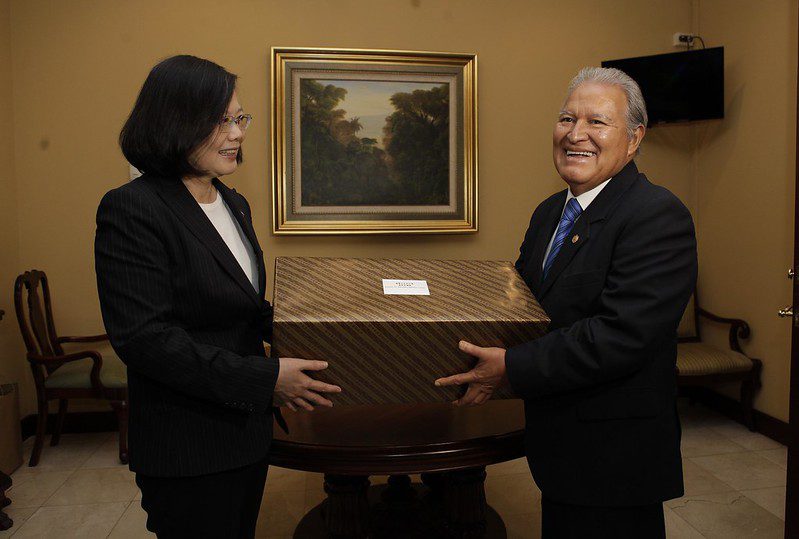
The country has made progress, however. Today, Taiwan’s government has taken pride in increasing gender equality with a female head of state, President Tsai Ing-wen. Additionally, in the 2016 election, women made up 38% of the lawmakers voted into government positions. Voting in a significant percentage of female lawmakers opens opportunities for the Taiwanese government to fight against gender-based violence and discrimination. Some other ways to decrease gender inequality in Taiwan include supporting working mothers, establishing equal worker rights and offering fair access to education, business training and loans.

How Media Empowers Women

“Digital Media: Empowerment and Equality” is a study on how digital platforms empower female users and reduce gender inequality in Taiwan. The research discovered that digital technology gives women the power to spread awareness, as well as market and network. While the platforms offer opportunities, women would benefit even more if they have access to education to help them be successful on social media. For example, the Taiwan Women Up program has helped middle-aged and older women learn information and communication technology to support their organizations and empower themselves.

Furthermore, social media has the power to increase female empowerment through political involvement. Hashtag activism gives women the ability to make a public issue a global issue and pressure lawmakers. Social media also offers a platform for gendered violence stories and holds communities in multiple countries accountable for gender equality. Unfortunately, women sometimes have barriers to using this powerful tool, including limited access to technology, language barriers and censorship.

Need For Digital Education

Accenture found that digital fluency helps countries grow closer to equality in the workplace. The Digital Fluency Model reveals that countries with better digital fluency rates among women have higher rates of gender equality in the workplace. Women with better digital fluency also have more employment opportunities and flexibility. They can work from home and use technology to access more job opportunities.

Achieving gender equality is a challenge around the world, but Taiwan’s efforts to close the gap between men and women push the country in the right direction while adapting to the digital world.

– Nyelah Mitchell
Photo: Flickr

June 15, 2021
https://borgenproject.org/wp-content/uploads/borgen-project-logo.svg 0 0 Kim Thelwell https://borgenproject.org/wp-content/uploads/borgen-project-logo.svg Kim Thelwell2021-06-15 01:30:552024-06-04 01:18:01Fighting Gender Inequality in Taiwan With Digital Media
Page 777 of 2181«‹775776777778779›»

Get Smarter

  • Global Poverty 101
  • Global Poverty… The Good News
  • Global Poverty & U.S. Jobs
  • Global Poverty and National Security
  • Innovative Solutions to Poverty
  • Global Poverty & Aid FAQ’s
Search Search

Take Action

  • Call Congress
  • Email Congress
  • Donate
  • 30 Ways to Help
  • Volunteer Ops
  • Internships
  • Courses & Certificates
  • The Podcast
Borgen Project

“The Borgen Project is an incredible nonprofit organization that is addressing poverty and hunger and working towards ending them.”

-The Huffington Post

Inside The Borgen Project

  • Contact
  • About
  • Financials
  • President
  • Board of Directors
  • Board of Advisors

International Links

  • UK Email Parliament
  • UK Donate
  • Canada Email Parliament

Get Smarter

  • Global Poverty 101
  • Global Poverty… The Good News
  • Global Poverty & U.S. Jobs
  • Global Poverty and National Security
  • Innovative Solutions to Poverty
  • Global Poverty & Aid FAQ’s

Ways to Help

  • Call Congress
  • Email Congress
  • Donate
  • 30 Ways to Help
  • Volunteer Ops
  • Internships
  • Courses & Certificates
  • The Podcast
Scroll to top Scroll to top Scroll to top