• Link to X
  • Link to Facebook
  • Link to Instagram
  • Link to TikTok
  • Link to Youtube
  • About
    • About Us
      • President
      • Board of Directors
      • Board of Advisors
      • Financials
      • Our Methodology
      • Success Tracker
      • Contact
  • Act Now
    • 30 Ways to Help
      • Email Congress
      • Call Congress
      • Volunteer
      • Courses & Certificates
      • Be a Donor
    • Internships
      • In-Office Internships
      • Remote Internships
    • Legislation
      • Politics 101
  • The Blog
  • The Podcast
  • Magazine
  • Donate
  • Click to open the search input field Click to open the search input field Search
  • Menu Menu

Archive for category: Global Poverty

Key articles and information on global poverty.

Global Poverty, Refugees

Pandemic Refugees in the United States

Pandemic Refugees in the United States
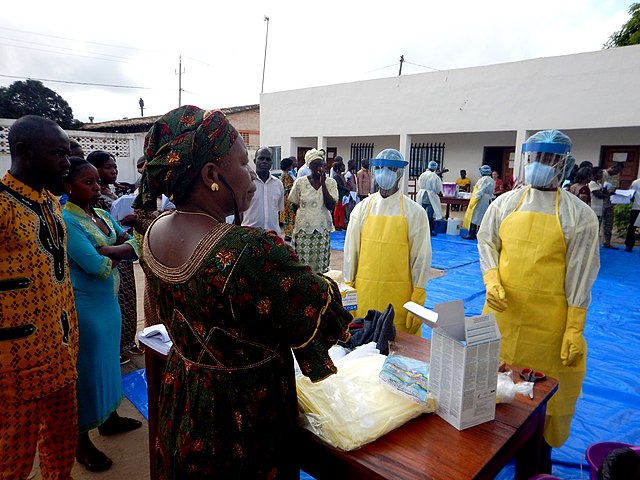
The COVID-19 pandemic has greatly affected refugees, causing a migration crisis and hindering equality among poor people. Millions of people have experienced displacement from their homes since the outbreak began. This massive displacement created a concentration of immigrants in urban areas seeking asylum. The term for these individuals is “pandemic refugees.” Pandemic refugees in the United States are individuals the virus severely affected who desire a place to seek asylum and better-quality health services. However, the virus spread rapidly across borders, making it harder for refugees to find places that are genuinely safe.

Actions from the IOM

The International Organization for Migration (IOM), which is the United Nations’ migration agency, has worked hard to provide shelter to those the COVID-19 pandemic displaced. The organization also partnered with the World Food Program (WFP) to fight for people currently facing food and sanitary crises. Poverty deprives people of access to health facilities, allowing them to potentially avoid the virus. Additionally, the lack of new jobs and the government imposing quarantines have led people to seek help from organizations or even become pandemic refugees forced to cross borders looking for a better living standard.

Reaching the United States

Devastated economies have caused millions of individuals to flee to the United States, potentially traveling long distances in their journeys. Dozens of people pile up on the border between Mexico and the United States. These refugees pack minimum necessities and hit the road, attempting to cross the border and start a new life as unauthorized U.S. citizens. The Biden administration has encountered a significant number of refugees seeking prosperity and asylum in the aftermath of the pandemic. The U.S. Border Patrol has stated that refugees try to cross the borders daily. These numbers are quickly growing to overwhelming amounts.

Opportunity and Despair

While pandemic refugees in the United States seek a better life, they also encounter difficulties when searching for jobs. Compared to documented citizens, opportunities for undocumented citizens are different. Governments frequently attempt to send them back to their home country. Because of this, vulnerable groups like refugees are paying the highest price during the COVID-19 pandemic. Complications from the pandemic have created despair for individuals who flee their land and families. The closure of borders and restrictions on movement limit individuals’ access to food, housing and overall security. There are few cases of success and opportunities for refugees who fled their home countries seeking better opportunities. Security is also a significant problem for refugees since they are vulnerable groups and can spread the virus.

US COVID-19 Response

The United States has responded to the pandemic with a relief package of $11 billion for a global response. The U.S. government has worked hard to stop extreme poverty levels during the pandemic, and increase vaccination numbers and sustainable development. The country has also implemented unemployment benefits to give extra money to qualified unemployed individuals. Nevertheless, the U.S. must extend more of these protections to pandemic refugees. If it does, pandemic refugees in the United States will obtain the assistance and security they deserve to protect themselves and their families.

– Ainara Ruano Cervantes
Photo: Flickr
July 20, 2021
https://borgenproject.org/wp-content/uploads/borgen-project-logo.svg 0 0 Jennifer Philipp https://borgenproject.org/wp-content/uploads/borgen-project-logo.svg Jennifer Philipp2021-07-20 13:47:422021-11-23 08:12:25Pandemic Refugees in the United States
Global Health, Global Poverty

Ways to Improve Global Health Systems


global health systemsThe COVID-19 pandemic has brought a variety of challenges to people in many global health systems worldwide. The pandemic has highlighted several barriers that have prevented people from trusting healthcare systems for years. Some solutions can potentially help global health systems make major improvements and increase the number of patients seeking guidance.

The Importance of Using Telehealth

One service that can be convenient for people who do not have access to transportation or cannot make appointments to see healthcare providers is telehealth. The number of patients using telehealth has increased throughout the COVID-19 pandemic. More people have been taking advantage of telehealth due to not being able to see doctors face-to-face. Using telehealth can expand a variety of services to patients around the world. With many patients wanting to continue accessing services through telehealth, improving its quality can help improve global health systems.

Teladoc and Microsoft to Develop Virtual Care Program

A new collaboration between Microsoft and Teladoc Health will focus on expanding virtual care. Their goal is to find ways to increase positive experiences and improve the circumstances of healthcare systems. With more healthcare providers using online services, one component of the collaboration includes working on methods that make it easier for employees to do their jobs efficiently. Certainly, this collaboration can help improve healthcare systems with the option of providing healthcare services virtually.

THRIVE to Help Improve Healthcare Systems

Franz Strategic Solutions recently created THRIVE, an initiative to provide healthcare to people who do not have access to different services. Further, many people would receive healthcare benefits from a variety of programs. One of the initiative’s main priorities is on improving healthcare systems. THRIVE plans to create solutions to issues within healthcare systems through components such as technology. Through its partnership with RDI Healthcare, THRIVE plans to focus on increasing positive outcomes for patients within healthcare systems.

How COVID-19 Has Impacted Healthcare Systems

The COVID-19 pandemic has highlighted various issues that potentially led to many people not trusting health care systems. One area that requires focus is the number of healthcare workers because many parts of the world struggle due to the lack of people working in healthcare systems. Having more healthcare workers can bring some benefits, such as increased patient care and lower health disparities. Increasing the amount of money for health-related purposes can help improve the quality of healthcare systems. Another thing that requires consideration is the healthcare system’s components. It is necessary to provide certain services such as outreach and child care.

Telehealth has been an important service within healthcare systems throughout the COVID-19 pandemic. Certainly, the collaboration between Teladoc Health and Microsoft is prioritizing virtual care options for healthcare systems. THRIVE is one initiative that can be beneficial to many healthcare systems. In conclusion, the number of healthcare workers and healthcare service options is essential to the quality of a healthcare system.

– Chloe Moody
Photo: Wikimedia Commons

July 20, 2021
https://borgenproject.org/wp-content/uploads/borgen-project-logo.svg 0 0 Yuki https://borgenproject.org/wp-content/uploads/borgen-project-logo.svg Yuki2021-07-20 12:30:042021-08-25 04:32:13Ways to Improve Global Health Systems
Global Poverty

Eradicating Poverty Using OpenTabs Browser Extension

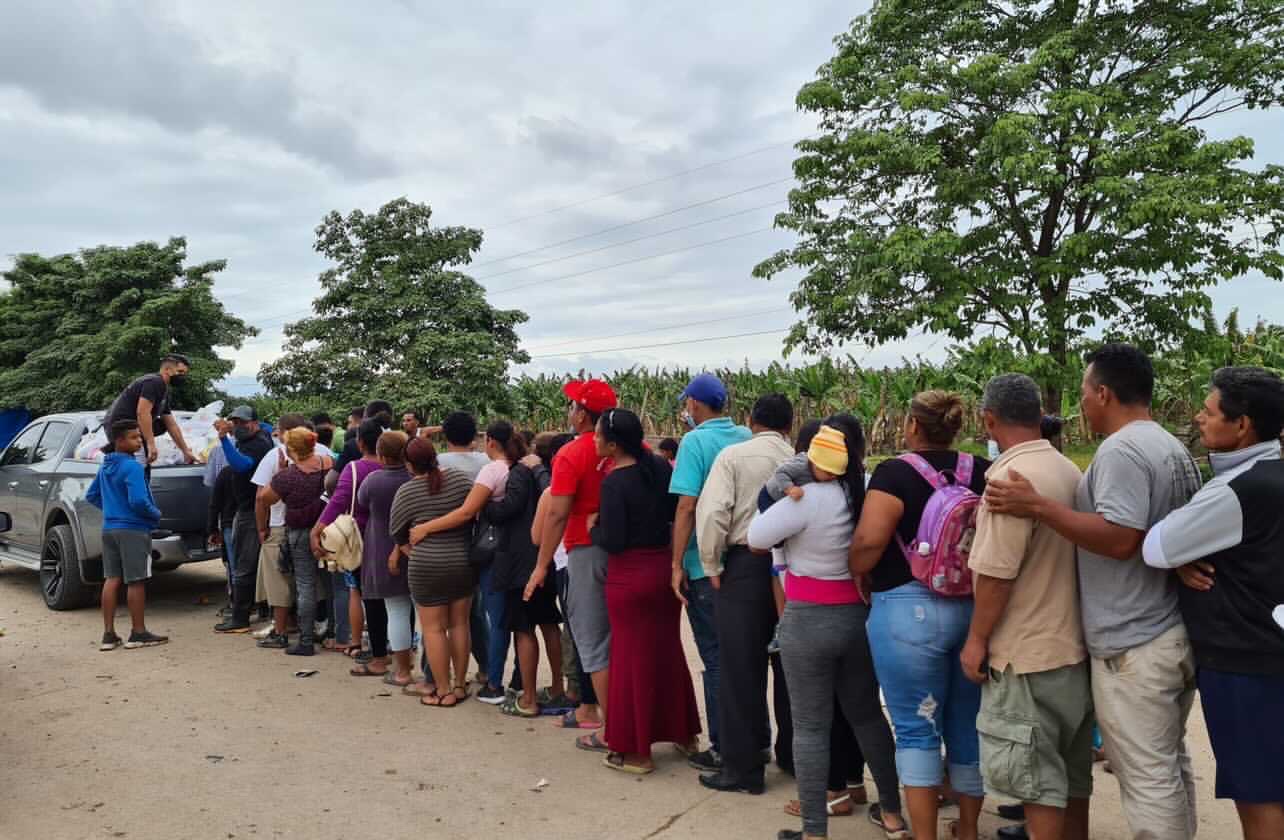
OpenTabs Browser ExtensionPeople are now able to help raise funds to provide loans to impoverished people all over the world through the OpenTabs browser extension. OpenTabs allows users to raise funds passively every time users open tabs in their browsers. Microfinancing proves to be an effective tool to reduce poverty, helping 139.9 million people in 2018 alone through loans and insurances. In particular, microfinance has a lot to offer low-income countries as 1.7 billion people worldwide remain unbanked, according to the World Bank’s Global Findex database.
Barriers to Financing

Every day, financial institutions reject the loan applications of thousands of low-income people looking to escape the poverty trap and start their own businesses as these populations are labeled high-risk and high-cost customers. Crowdfunding loans offered by international nonprofit organizations such as Kiva are often the only means low-income people can afford to help them launch their businesses. Inspired by the impact that microloans have in combating poverty and hoping to make lending easier, 20-year-old Umberto Greco and his colleague Matheus Paro created OpenTabs.

The Story Behind OpenTabs

Umberto Greco told The Borgen Project that on a mission to make crowdfunding loans “affordable and convenient” for lenders in 2019, Greco and Paro created a free web browser extension that allows users to raise funds to provide microloans to people all over the world. Established as a nonprofit organization, OpenTabs allows its users to “passively raise funds” simply by adding the OpenTabs extension to their browsers. By replacing users’ tabbing pages with paid advertising banners, OpenTabs was able to provide more than 107 microloans in more than 18 different countries since its founding in 2019.

How OpenTabs Works

The 2019 award-winning startup, OpenTabs, generates revenue to provide microloans by placing non-intrusive advertisements on the corner of each tab users open. OpenTabs can raise on average one-tenth of a penny for every tab that OpenTabs users open at no cost to users. OpenTabs can transfer all the funds raised through advertisements and turn the advertisements into microloans by using universal nonprofit microfinancing platforms such as Kiva.

After a borrower pays the loan back, usually between 8 and 18 months later, the same funds go towards providing loans to new people. In addition to providing opportunities for underprivileged people by simply opening tabs on a browser, people who add the extension also help save trees. By partnering with Rainforest Trust, a nonprofit environmental organization, OpenTabs will help users protect one tree for every 10 tabs users open. Since its partnership with Rainforest Trust, OpenTabs browser extension has allowed users to save 453,265 trees.

OpenTabs browser extension aids people with busy schedules in helping to provide thousands of impoverished people with the opportunity to start their own businesses. Providing people with the opportunity to start their own businesses and provide for their families allows impoverished people to obtain a steady income. The income helps by improving their living standards and contributing to the local economy and national productivity. Yet, what truly makes the extension effective is its ability to grant financing at no cost for users. Users who would like to join the fight against poverty while lacking the funds to do it can now participate in fundraising by allowing companies to do the funding in exchange for non-intrusive advertising.

– Carolina Cadena
Photo: Flickr

July 20, 2021
https://borgenproject.org/wp-content/uploads/borgen-project-logo.svg 0 0 Kim Thelwell https://borgenproject.org/wp-content/uploads/borgen-project-logo.svg Kim Thelwell2021-07-20 10:56:552024-05-30 22:25:10Eradicating Poverty Using OpenTabs Browser Extension
COVID-19, Global Poverty

Humanity and Hope: The Impact of COVID-19 on Poverty in Honduras

COVID-19 on Poverty in Honduras
Families in Honduras found strength within community ties and organizations like Humanity and Hope, despite the impact of COVID-19 on poverty in Honduras. There have been 249,118 COVID-19 infections in Honduras since the start of the pandemic. In May 2021, Honduras reported the highest peak with an estimated 1,000 infections a day, according to the Reuters COVID-19 tracker.

Prior to the pandemic, 40% of the total population in Honduras did not have employment. COVID-19 affected 250,000 families into food security due to job loss, according to the World Food Programme (WFP).

Supporting the Community

Despite the impacts of COVID-19 on poverty in Honduras, family communities within Honduras assisted others by handing them food and toiletries during the hardest times of the pandemic. Organizations like Humanity and Hope also stepped up, serving the communities of La Coroza, La Cuchilla and Remolino to help them become sustainable on their own.

Humanity and Hope, a nonprofit organization located in El Progreso, Honduras, initiated team and volunteer trips after a year of lockdown. Caleb Mejia, director of trips and Honduran volunteers, said people from different parts of the world take these trips and encounter the hardships of communities.

“Humanity and Hope does not want people to come down to Honduras and dig a hole or paint a school, and that’s it,” said Mejia in an interview with The Borgen Project.  “You can see something through television or through your phone, but it will never, ever be the same if you actually experience it.”

Humanity and Hope

Humanity and Hope operates on six different pillars: infrastructure, economy, community, health, education and leadership. According to Mejia, volunteer trips occur once a month with a focus on a pillar.

In July 2020, H&H’s annual health trip served nearly 1,010 people in a week. The annual health trip consisted of a team of 18 staff members, volunteers and assistance from the Honduran Red Cross and dentists.

“Along that week, we ended up doing triage, pharmacy, doctor consultations and hosted experience trips,” said Mejia.

When Hurricane Eta stepped in amidst a pandemic, Honduran communities suffered complete destruction. Despite the devastation and impacts of COVID-19 on poverty in Honduras, communities of Honduran family members, even those outside the U.S., came together to help others.

“I had the means and the people who were willing to help,” said Ashley Carrasco in an interview with The Borgen Project, a resident of California. “I helped because Honduras is my home, the love of my life.”

Ashley Carrasco and Franklin Castillo

In November 2020, Carrasco and her family fundraised an estimate of $4,000 for the communities of San Pedro Sula and Santa Barbara. Carrasco used the means of social media to fundraise on the Venmo app to provide to families affected by the pandemic and hurricane.

Carrasco and her family, located in the United States, shared their fundraiser with every possible follower. She transferred the collected funds to her cousin, Franklin Castillo, located in San Pedro Sula, Honduras, to purchase grains, diapers, baby formula, mattresses and toilet paper to distribute to the community.

“I witnessed many people losing their homes due to the hurricane and floods,” said Castillo in an interview with The Borgen Project. “The government’s response was slow like always. I have seen communities do more for each other than the government.”

Castillo raised a total of $9,000 with the help of family members in the U.S. He distributed the toiletries and food supplies estimated to last each family at least two weeks to nearly 300 families within communities that were impacted by COVID-19 and the hurricane.

Castillo continues to give a portion of his business earnings to the community. He said the pandemic is still affecting people as Honduras initiated vaccinations to the elderly, a small percentage of the population. According to Our World in Data, research university of Oxford, only 0.6% of the population has received two doses of the vaccine.

“I saw a positive change in the community,” said Castillo. “People who did not have much were trying to help others. My family and I were able to help, all thanks to God.”

– Diana Vasquez
Photo: Franklin Castillo

July 20, 2021
https://borgenproject.org/wp-content/uploads/borgen-project-logo.svg 0 0 Jennifer Philipp https://borgenproject.org/wp-content/uploads/borgen-project-logo.svg Jennifer Philipp2021-07-20 10:15:292024-05-30 22:23:56Humanity and Hope: The Impact of COVID-19 on Poverty in Honduras
Global Poverty, Water Crisis

10 Facts About Water Quality in Bangladesh

Water Quality in BangladeshBangladesh, a South Asian country bordered by India, is one of the most impoverished and most densely populated countries in the world. Bangladesh currently has a population of 161 million in an area slightly smaller than the U.S. state of Iowa. Bangladesh’s economy relies heavily on agriculture as 63.2% of the country’s population works in industry and agriculture. Even with an unemployment rate of less than 4%, the poverty rate is 21.8%. The dense population, small area, reliance on agriculture and poverty rate cumulatively create a crucial need for clean water. Humanitarian organizations aim to improve the water quality in Bangladesh.

10 Facts About Water Quality in Bangladesh

  1. Water quality in Bangladesh has been a long-term struggle. Since the country’s independence in 1971, international aid agencies have helped Bangladesh with its water crisis. At the time, a quarter of a million Bangladeshi children were dying each year from bacteria-contaminated surface water. Bacteria and pathogens, such as E. coli, cholera and typhoid, were causing severe health problems for both children and adults.
  2. Bangladesh relies on groundwater. Because of contaminated surface waters in the region, 90% of the population relies on groundwater. Groundwater is the water that lies below the earth’s surface between soil pore spaces and fractures of rock formations. This water source is accessible through tube wells in the region.
  3. UNICEF and the World Bank attempted to improve access to water in Bangladesh. To combat the poor-quality surface drinking water and provide more water for agriculture, these organizations funded the installation of about four million tube wells between 1960 and 1970. The tube wells created access to groundwater throughout the entire country. Unfortunately, this led to mass poisoning due to contaminated groundwater.
  4. The largest mass poisoning in history occurred in Bangladesh. In the 1990s, arsenic was detected in the well water. The wells dug in the 1960s and 1970s were not tested for metal impurities, impacting an estimated 30-35 million people in Bangladesh. Ailments from exposure to arsenic include gastrointestinal diseases, physical deformities, cancer, nerve and circulatory system damage and death. About 1.12 million of the four million wells in Bangladesh are still contaminated with arsenic.
  5. Poor water quality significantly impacts public health. Arsenic poisoning is now the cause of death for one out of five people in Bangladesh. An estimated 75 million people were exposed to arsenic-laden water. The poisoning can cause up to 270,000 future cancer-related deaths. E. coli is also still present in 80% of private piped water taps and 41% of all improved water sources. Sickness from poor water quality is a major issue and 60% of Bangladeshi citizens do not have access to modern health services.
  6. Poor water quality impacts agriculture. Bangladesh relies heavily on agriculture with 70% of its land dedicated to the cultivation of rice, jute, wheat, tea, pulses, oilseeds, vegetables and fruits. The contaminated tube wells provide a majority of the water used for irrigation. As a result, high levels of arsenic are absorbed by many crop plants, specifically rice and root vegetables. This can be deadly to those who consume the produce.
  7. Contaminated wells are still in use. After the testing of tube wells in 1997, the government painted the contaminated wells red and the safe wells green to reduce exposure. However, officials used poor testing kits to examine the wells, leading to incorrectly marked wells. Unfortunately, many green-marked wells hold contaminated water that the public still uses. Additionally, the wells that were marked red were never properly closed off and can still be used today.
  8. Poverty plays a role in access to clean water. Both the wealthy and the impoverished in Bangladesh struggle greatly with poor water quality. However, the population living below the poverty line struggles three times more from water-related diseases and illnesses. Roughly two million people in poverty still lack access to improved water sources. Bangladesh is also one of the most impoverished nations in the world, with a per capita income of around $370. This greatly affects the government’s ability to combat the water crisis.
  9. Poor water quality limits the country’s potential. The economy, public health and education all rely on access to clean and usable water. Poor water quality has led to stunting in more than one-third of Bangladeshi children. These developmental impacts limit education and result in an increase in poverty. The mortality rate of those who have come in contact with contaminated water sources will continue to devastate the economy. Over the next 20 years, this could lead to a loss of about $12.5 billion for the Bangladesh economy.
  10. The water quality in Bangladesh can improve. There are many ways to combat the water crisis in Bangladesh. Creating mechanisms to enhance rainwater capture would provide a better-quality source of usable water. Along with rainwater capture, water purification methods and the construction of a water treatment plant would eliminate contaminants from surface and groundwater. Funded projects by groups like Charity: Water, Lifewater and WaterAid are working to improve sanitation and water quality in Bangladesh.

The Road Ahead

Bangladesh has shown steady and vast improvements in many areas. Life expectancy has grown dramatically in the past few years and now averages 72 years. Bangladesh’s per capita income has also increased and is growing faster than Pakistan’s. Furthermore, Bangladesh shows an upward trend in per capita GDP with an increase of 6% per year. However, water quality still poses a critical issue in Bangladesh. With commitment from the government and humanitarian organizations to resolve the water crisis, Bangladesh will continue to grow and prosper.

– Kate A. Trott
Photo: UNICEF

July 20, 2021
https://borgenproject.org/wp-content/uploads/borgen-project-logo.svg 0 0 Kim Thelwell https://borgenproject.org/wp-content/uploads/borgen-project-logo.svg Kim Thelwell2021-07-20 07:30:492021-07-20 00:39:5010 Facts About Water Quality in Bangladesh
COVID-19, Global Poverty

Managing Poverty and COVID-19 in Cambodia

COVID-19 in Cambodia
The IDPoor card is a critical resource in the United Nations’ new COVID-19 Cash Transfer Programme. This program aims to support socioeconomically disadvantaged citizens who COVID-19 in Cambodia has impacted. The IDPoor card, which the country implemented in October 2020, is a form of payment to impoverished families and individuals that helps them access essential resources like food, housing, healthcare treatment, education and more.

IDPoor Card in Action

The Cash Transfer Programme provides Cambodians with financial resources for housing security and healthcare access. The Cambodian government registers individuals in need of economic assistance and indicates how much aid they can receive. With financial support from the U.N. and UNICEF, the Cambodian government has significantly improved the daily lives of impoverished Cambodians.

Yom Malai is a Cambodian woman who received the IDPoor card and described her experience in a U.N. News Article: “We collect the money from a money transfer service,” she says. “During the COVID-19 pandemic, it has been a great help for my family. In addition, if we ever need to go to the hospital, we get medical treatment, care and medicine free of charge.”

Malai also explained the review process necessary to receive a card. It includes interviewing applicants and recording details about each household. By doing this, the government gains a holistic picture of each family’s financial resources and needs. Malai’s experience demonstrates the necessity of the IDPoor card in reducing global poverty, particularly in regions that are suffering economically due to COVID-19.

Poverty on the Rise

Even before COVID-19, Cambodians faced a disproportionately high amount of poverty. The U.N. calculated the hypothetical rise of poverty in this region in 2019, predicting that the impoverished population would increase to 17.6%, more than two times the impoverished count in 2019. Moreover, COVID-19 exacerbated many Cambodians’ financial disadvantages as the country’s economy limited jobs and healthcare needs increased. Specifically, the unemployment rate in Cambodia in 2020 was 3.2%, much higher than the 2019 rate of 0.7%.

The Cash Transfer Programme provides financial assistance to citizens registered with an IDPoor card. Each monthly payment depends on a household’s specific situation and needs. The already existing Cash Transfer Programme received further funding and spread to include as many impoverished Cambodians as possible. This act is a ray of hope amid the impact of COVID-19 in Cambodia.

For individuals who qualify, the card also acts as a form of medical insurance. It allows registered Cambodians to receive healthcare treatments or consultations without being charged. This healthcare coverage is extremely helpful to families as medical bills and incurred costs are large components of poverty.

In a UNICEF article, a young woman named Leont Yong Phin conveyed how her IDPoor card has helped her. “I’m still paying back a loan from when I got bad typhoid,” she says. “This money means I can repay and afford food. We’ve never had help like this before, it’s so reassuring.”

Encouraging Equity

In addition to providing necessary economic support and medical access, the IDPoor card program is essential for encouraging equity in Cambodia and reducing the disadvantages that come with certain socioeconomic conditions. By reviewing applicants’ economic history and family situation, the government can adequately provide the support necessary to address all citizens’ needs. In this way, the Cash Transfer Programme helps Cambodians with daily expenses and works to end inequity across the country.

Although the impact of COVID-19 in Cambodia has been significant, the IDPoor card and Cash Transfer Programme are greatly improving life for many Cambodians. With more support from international organizations like the United Nations, nonprofit organizations and even individuals, the program can provide even more resources to impoverished Cambodians.

– Kristen Quinonez
Photo: Flickr

July 20, 2021
https://borgenproject.org/wp-content/uploads/borgen-project-logo.svg 0 0 Jennifer Philipp https://borgenproject.org/wp-content/uploads/borgen-project-logo.svg Jennifer Philipp2021-07-20 06:46:302024-06-07 05:08:14Managing Poverty and COVID-19 in Cambodia
Global Poverty, Humanitarian Aid

A Focus on Solidarity Work in Colombia

Solidarity Work in ColombiaGuerrilla warfare has been particularly devastating to Indigenous and Afro-Colombian communities in Colombia. These groups number more than 1.5 million people and comprise 3.4% of the country’s total population. Of the 7.5 million internally displaced people in Colombia, there are 192,638 Indigenous people and 794,703 Afro-Colombian people. Organized crime groups and paramilitary organizations target both displaced populations. Dr. Jessica Srikantia suggests that some humanitarian aid is inadvertently escalating the problem because of its approach and suggests alternative methods for effective solidarity work in Colombia.

Harmful Instead of Helpful

The Borgen Project interviewed Dr. Jessica Srikantia, an associate professor at George Mason University who spent years participating in solidarity work in Colombia with Indigenous and Afro-Colombian communities. She witnessed firsthand the consequences of structural violence on vulnerable communities.

To combat the humanitarian crisis in Colombia, global aid organizations have primarily funded the Colombian government to support nutrition and economic development. Although these organizations may have good intentions, according to Dr. Srikantia, they may contribute to ongoing human rights violations. In a process she labels “self-interested aid,” these humanitarian organizations may be doing more harm than good.

A common form of damaging humanitarian intervention is the introduction of genetically modified organisms (GMOs) into local agriculture. The use of pesticides and GMO crops threatens the biodiversity of countries like Colombia, home to more than 30 species of maize. Grassroots organizations are trying to eliminate the use of GMO crops. As an alternative, grassroots groups advocate for providing local farmers with access to seeds and funding to preserve and expand the existing crops.

“Decolonizing” Aid

To conduct her solidarity work in Colombia, Dr. Srikantia had to “decolonize” her mind by learning to understand what communities need rather than implementing western “developed” methods. She stresses the distinction between on-the-ground grassroots organizations and organizations that work from a distance through existing power structures.

The first type of organization works with communities to be self-sufficient and maintain their identity. The other type tries to assimilate communities into the global economy, which can be detrimental to local culture and identity. Real solidarity happens when an organization builds a relationship with a community, she says.

Dr. Srikantia’s solidarity work in Colombia took the form of an urgent action response plan. This included organizing people, calling Congress, raising awareness and actively working on the ground. She referred to what she was doing as “putting out fires.” She also lobbied for policy reform to prevent damage to vulnerable communities.

Reclaiming What is Sacred

Dr. Srikantia believes the key to ending human rights violations can be found when “we reclaim what is sacred.” In Colombia, she witnessed communities that lived with respect for the interconnectedness of all living things. The current global development paradigm focuses on privatizing to create wealth. A better method, however, is to help communities by allowing them to keep their cultural identities and current way of existing.

Dr. Srikantia suggests that instead of trying to integrate groups into the global economy, humanitarian organizations should teach them to be self-sufficient and help them be content with what they have. Instead of teaching insecurity, which will only harm vulnerable communities, people need to learn to reclaim what is sacred: living with respect for the interconnectedness of life.

– Gerardo Valladares
Photo: Flickr

July 20, 2021
https://borgenproject.org/wp-content/uploads/borgen-project-logo.svg 0 0 Kim Thelwell https://borgenproject.org/wp-content/uploads/borgen-project-logo.svg Kim Thelwell2021-07-20 01:30:502021-07-19 23:35:13A Focus on Solidarity Work in Colombia
Children, Global Poverty

Combating Child Malnutrition in Nepal

Childhood Malnutrition in NepalChild malnutrition in Nepal, a relatively small nation in Asia, has been a persistent issue. The lack of food throughout the country has significantly contributed to illness and death. During the COVID-19 pandemic, the situation has worsened. Though there have been multiple failed government attempts to reconcile the food supply, Nepal is slowly finding its way back to proper nutrition for children with the help of organizations such as UNICEF.

Child Malnutrition in Nepal

According to the United Nations World Food Programme, Nepal ranks as the 148th most impoverished country in the world out of 189 countries. It continues to struggle with low general well-being because of civil unrest, a difficult geographical landscape and poor infrastructure. A combination of these factors has also impacted food availability. Food that is available often lacks the nutrients necessary for children to maintain proper health and growth. As a result of malnutrition, children battle stunted physical and mental growth, severe weight loss and compromised immune systems.

In addition to poor nutrition, many children are also exposed to contaminated water, which can lead to chronic diseases. According to the Nepali Times, a recent Johns Hopkins University survey showed that severe malnutrition impacting children younger than 5 could cause 4,000 childhood deaths a year due to insufficient food from lack of income caused by the pandemic. A quarter of Nepal’s population already lives under the poverty line. The pandemic has pushed more families closer to impoverishment.

The Solution

Due to multiple failed government efforts to help assist families, it is clear that part of the issue lies in the poorly structured national, provincial and local governments. Though the government has made efforts to tackle malnutrition in Nepal, including the Multi-Sectoral Nutrition Plan that led to major strides against child malnutrition in the past, the issue persists.

To combat child malnutrition in Nepal, UNICEF has partnered with the government of Nepal in order to treat malnourished children with nutrition response and recovery actions. It has also taken the initiative to educate and provide resources for pregnant and breastfeeding mothers. Nutrition education aims to raise awareness of the importance of ensuring infants receive essential nutrients.

Furthermore, UNICEF is helping the government of Nepal to strengthen its response to prevent more malnutrition in the country. Nutritional assistance is also provided in the form of micronutrient powder for children and iron folate supplements for pregnant and breastfeeding mothers.

The Road Ahead

Though child malnutrition in Nepal has worsened during the COVID-19 pandemic, there is still hope. With help from UNICEF and other humanitarian organizations, Nepal has a chance to address this persistent issue. Moving forward, it is essential that the government and humanitarian organizations continue to prioritize child malnutrition in Nepal.

– Allie Degner
Photo: Flickr

July 20, 2021
https://borgenproject.org/wp-content/uploads/borgen-project-logo.svg 0 0 Yuki https://borgenproject.org/wp-content/uploads/borgen-project-logo.svg Yuki2021-07-20 01:30:152021-07-19 23:20:05Combating Child Malnutrition in Nepal
Child Marriage, Global Poverty, Women and Children

The Fight Against Child Marriage in Iraq

child marriage in iraq
Child marriage consists of a formal or an informal union between two participants where at least one participant is younger than 18, according to UNICEF. Forced child marriage mostly occurs in countries where poverty is prevalent such as India, Africa and the Middle East, including Iraq.

Child Marriage Statistics in Iraq

According to The World, a public radio program, Iraq’s gross domestic product (GDP) decreased by $38 million from 2013 to 2017 due to decreasing oil prices and economic collapse in its struggle against ISIS. Many associated the decrease in GDP with an increase in the percentage of child marriages, which rose to 24% in 2016, surpassing the percentage of child marriages in 1997 by 9%. The trends in these percentages indicate that there is a correlation between the percentage of child marriage in Iraq and the country’s economic state.

According to the International Federation of Gynecology and Obstetrics (FIGO), the percentage of women aged 20-24 who married before the age of 18 was 27% in 2018, indicating that the current female population of those married before the age of 18 in Iraq consists of 5.6 million out of 20.7 million women. FIGO also reports that child marriage is more common among impoverished families who reside in rural areas, rather than among wealthy families who live in urban areas. The percentage of child marriages in rural versus urban areas differs by 1%, signifying that approximately 207,000 more young girls enter into early marriage in rural areas than urban areas.

Iraq’s Personal Status Law

Iraq’s Personal Status Law forbids child marriage and increases women’s marriage and custody rights. Despite the sound solidarity of this law, article 8 of Iraq’s Personal Status Law allows for a judge to authorize an underage marriage if the judge concludes that the action is urgently necessary or if the father of the bride gives his approval of the marriage.

Child marriage supporters in Iraq continuously push for proposed amendments to the Personal Status Law to abolish legal difficulties when forcing children into marriage. The parliament in Iraq has rejected these proposals, including an amendment that would allow for families to have their own laws in religious communities, thereby authorizing the families to offer their 8-year-old daughters for marriage.

Article 8 of the Personal Status Law allows a loophole for judges to authorize underage marriages with or without permission from a father, even though the article is noncompliant with the Convention on the Elimination of All Forms of Discrimination Against Women (CEDAW), which works to gain equality for women and eliminate patriarchal norms that discriminate against women.

Risks Associated with Child Marriage

Young girls who enter child marriage are not only susceptible to physical health risks including rape, early pregnancy and early delivery, but they are also vulnerable to psychological risks, including experiencing social shielding from their families and domestic violence. Due to substandard responses by officials, violence and rape continue to present themselves as consistent issues in child marriages.

Although Iraq has criminalized rape, the government can drop charges as long as the victim and perpetrator get married. Since Iraq has not criminalized rape between spouses, the government receives few reports of domestic violence issues and families of the two spouses usually discuss resolutions.

Reasons for Child Marriage in Iraq

Oftentimes, families force young female family members into marriage for financial benefit or to settle feuds and make amends with another family. Additionally, the monetary benefits that follow a marriage may reduce an economic burden or provide more income to a family living in poverty. In communities where schools are available for women, families may marry off their daughters earlier to avoid payments for schooling. On the contrary, some parents believe that marrying their daughters early will protect them and ensure that their futures are stable.

Organizations Fighting Child Marriage

In 2016, the United Nations announced an initiative called the Global Programme to End Child Marriage, which has assisted 7.9 million girls from 2016 to 2019. The program increases education and healthcare access for young girls, educates families about the risks of child marriage and supports governments in developing strategies to end child marriage.

Additionally, Girls Not Brides is a program that has committed itself to put an end to child marriage. Girls Not Brides ensures that girls in more than 100 different countries, including countries in the Middle East, are able to achieve their life goals. Girls Not Brides consists of approximately 1,500 member organizations that raise awareness about child marriage, hold governments accountable to create national strategies to end child marriage and share solutions with communities and families. UNICEF reports that the combined efforts of organizations that combat child marriage, including Girls Not Brides, have prevented 25 million arranged child marriages.

The Road Ahead

Child marriage in Iraq is a controversial, ongoing practice despite Iraq’s Personal Status Law that emerged to prevent the occurrence of underage marriage. Young girls in Iraq who enter into marriage provide monetary gain for their families, especially those living in poverty, but experience physical and psychological damage that lasts a lifetime. Organizations such as the United Nations and Girls Not Brides continue to aid victims of child marriage in Iraq by providing healthcare, education and support. Hopefully, with the continued efforts of various NGOs, incidents of child marriage in Iraq will significantly reduce.

– Lauren Spiers
Photo: Flickr

July 19, 2021
https://borgenproject.org/wp-content/uploads/borgen-project-logo.svg 0 0 Jennifer Philipp https://borgenproject.org/wp-content/uploads/borgen-project-logo.svg Jennifer Philipp2021-07-19 09:41:072024-05-29 23:17:37The Fight Against Child Marriage in Iraq
Global Poverty

Investing in Renewable Energy in Africa

Investing in Renewable Energy in AfricaIn sub-Saharan Africa, more than 600 million people do not have access to electricity in their homes. This figure equates to about half the population of the continent. In addition, the sub-Saharan African population makes up around three-quarters of the global population living without electricity. Reliable energy access is one of the most effective methods to bring people out of poverty. This is due to its status as a prerequisite for countless utilities and as a gateway to the online world. For these reasons, many companies and organizations are investing in renewable energy in Africa, especially renewable forms of energy such as solar and wind power.

How COVID-19 Impacts Electricity Access

The COVID-19 pandemic has negatively impacted energy access in Africa. For several years prior to the pandemic, the number of people with access to electricity was steadily increasing, but in 2020, progress was lost as 13 million more people had no access to electricity in Africa. As many countries struggle to recover from the impacts of COVID-19, investing in renewable energy in Africa is more critical than ever.

Fortunately, the world has not given up on investing in renewable energy in Africa during the pandemic. In 2020, direct foreign investment in Africa fell by around 16% overall, according to the United Nations Conference on Trade and Development. This percentage of reduction was even higher in specific regions such as North Africa. However, “international project finance deals” in the renewable energy sector rose by 28% from a little more than $9 billion in 2019 to $11 billion in 2020.

Developing Efficient Energy Systems in Africa

One notable organization investing in renewable energy in Africa is the World Bank Group (WBG), which has invested around $2.3 billion in the West Africa Power Pool (WAPP) over the course of roughly 10 years. The project aims to provide “universal access to electricity” in 15 specific West African countries by 2030. Some of its methods include installing power grids and developing battery-energy storage technologies that will maximize energy efficiency and renewability.

As recently as June 10, 2021, the WBG provided $465 million to start the Regional Electricity Access and Battery-Energy Storage Technologies Project. This project will refine policies surrounding these technologies while also greatly expanding them. It will also help the rural and impoverished Sahel region between the Sahara Desert and the southern savannah.

Shoprite’s Solar Power Initiative

Domestic companies are also investing in renewable energy in Africa. South African retail chain, Shoprite, aims to promote solar power by installing miniature grids across South Africa to provide widespread access to electricity. The company aims for 25% of South African electricity to come from renewable sources in the foreseeable future. This is certainly feasible given that many countries generate much more solar power than South Africa despite being less sunny. Due to the sustainability and affordability of solar power as a renewable energy source, investing in solar power will likely save significant amounts of money in the long run.

Development of renewable energy in Africa is growing and it may help African nations recover from the COVID-19 pandemic. Moreover, the sustainability of renewable energy may eventually bestow greater economic security to Africa.

– Sawyer Lachance
Photo: Flickr

July 19, 2021
https://borgenproject.org/wp-content/uploads/borgen-project-logo.svg 0 0 Yuki https://borgenproject.org/wp-content/uploads/borgen-project-logo.svg Yuki2021-07-19 07:30:482021-07-16 07:33:32Investing in Renewable Energy in Africa
Page 757 of 2181«‹755756757758759›»

Get Smarter

  • Global Poverty 101
  • Global Poverty… The Good News
  • Global Poverty & U.S. Jobs
  • Global Poverty and National Security
  • Innovative Solutions to Poverty
  • Global Poverty & Aid FAQ’s
Search Search

Take Action

  • Call Congress
  • Email Congress
  • Donate
  • 30 Ways to Help
  • Volunteer Ops
  • Internships
  • Courses & Certificates
  • The Podcast
Borgen Project

“The Borgen Project is an incredible nonprofit organization that is addressing poverty and hunger and working towards ending them.”

-The Huffington Post

Inside The Borgen Project

  • Contact
  • About
  • Financials
  • President
  • Board of Directors
  • Board of Advisors

International Links

  • UK Email Parliament
  • UK Donate
  • Canada Email Parliament

Get Smarter

  • Global Poverty 101
  • Global Poverty… The Good News
  • Global Poverty & U.S. Jobs
  • Global Poverty and National Security
  • Innovative Solutions to Poverty
  • Global Poverty & Aid FAQ’s

Ways to Help

  • Call Congress
  • Email Congress
  • Donate
  • 30 Ways to Help
  • Volunteer Ops
  • Internships
  • Courses & Certificates
  • The Podcast
Scroll to top Scroll to top Scroll to top