• Link to X
  • Link to Facebook
  • Link to Instagram
  • Link to TikTok
  • Link to Youtube
  • About
    • About Us
      • President
      • Board of Directors
      • Board of Advisors
      • Financials
      • Our Methodology
      • Success Tracker
      • Contact
  • Act Now
    • 30 Ways to Help
      • Email Congress
      • Call Congress
      • Volunteer
      • Courses & Certificates
      • Be a Donor
    • Internships
      • In-Office Internships
      • Remote Internships
    • Legislation
      • Politics 101
  • The Blog
  • The Podcast
  • Magazine
  • Donate
  • Click to open the search input field Click to open the search input field Search
  • Menu Menu

Archive for category: Global Poverty

Key articles and information on global poverty.

Developing Countries, Economy, Education, Gender Equality, Global Poverty

World Bicycle Relief: Switching Gears on Rural Development

World Bicycle Relief
In 2018, sub-Saharan Africa accounted for two-thirds of the global population living in extreme poverty. Although the poverty rate across the region decreased by 1.6% from 2015 to 2018, the benefits of improved infrastructure, education and health care have not reached those living in rural areas without safe and easy transport systems to access essential services and opportunities. World Bicycle Relief works to lessen this disadvantage by providing bicycles to members of rural communities in sub-Saharan Africa. Founded in 2005 by F.K. Day and Leah Missbach Day, the organization empowers millions to pull themselves out of poverty.

Gender Equality

World Bicycle Relief places priority on women and girls, with the organization striving for females to account for 70% of bicycle beneficiaries. Girls in sub-Saharan Africa often find that traditional gender expectations for them to take long walks for water and firewood daily, journeys that are sometimes unsafe and increase the risk of assault and harassment, stunt their personal agency. Riding bicycles not only cuts down on time taken for domestic chores but also allows girls to travel to school safely and quickly.

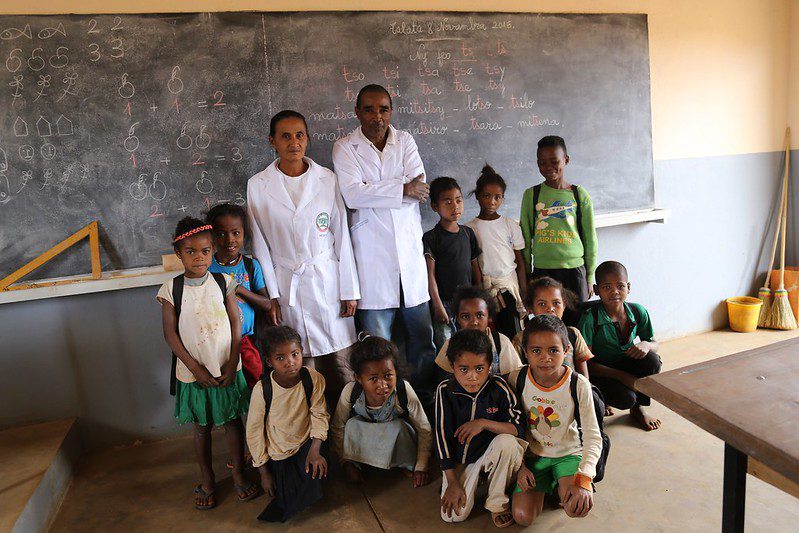
Over the last 10 years, World Bicycle Relief has worked in partnership with the Ministry of Education in Zambia to provide almost 37,000 rural girls with bicycles. A controlled trial found that the bicycles reduced the likelihood of girls dropping out of school by 19%, decreased school absenteeism rates by 28% and reduced school commute times by 33%. Furthermore, experiences of sexual harassment while journeying to school decreased by 22%.

In Kenya, health care workers using World Bicycle Relief-provided bicycles served “88% more patients,” highlighting the importance of effective transport in health and well-being in rural communities.

In a USAID-funded project from 2006-2009, World Bicycle Relief partnered with RAPIDS (Reaching HIV/AIDS Affected People with Integrated Development and Support) to tackle the AIDS crisis in Zambia. The organization gave more than 18,000 bicycles to RAPIDS caregivers, allowing RAPIDS to reach more people and deliver higher quality care due to more frequent visits. Since World Bicycle Relief’s participation in RAPIDS, caregiver retention has risen to 66%, a marked increase from earlier stages.

Rural Economic Development

To ensure that users utilize the bicycles to their best potential, World Bicycle Relief gives each community the responsibility to design and adapt its own bicycle program. The organization’s “field team also helps local leaders establish a Bicycle Supervisory Committee,” which selects each individual bicycle recipient based on factors such as commute time and potential for improved service with a bicycle. Each bicycle recipient “enters into a time-bound term agreement” with the Committee and officially owns the bike upon attainment of specific requirements, such as completing their education, helping to further community development or supplying health or financial services.

In October 2021, USAID announced an allocation of funding of $3.5 million to the Bicycles for Growth Initiative, helping J.E Austin Associates and World Bicycle Relief expand mobility in rural sub-Saharan Africa by facilitating transport through bicycles.

The initiative will support research on “access to bicycles in Ghana, Malawi, Rwanda, Uganda and Zambia,” giving more people the chance to access education, health care services and opportunities for income generation.

– Imogen Scott
Photo: Flickr

September 14, 2022
https://borgenproject.org/wp-content/uploads/borgen-project-logo.svg 0 0 Naida Jahic https://borgenproject.org/wp-content/uploads/borgen-project-logo.svg Naida Jahic2022-09-14 07:30:292024-05-30 22:30:08World Bicycle Relief: Switching Gears on Rural Development
Global Poverty

Battery Swapping Policy: Recharging India’s Economy

Battery Swapping
With a population of more than 1 billion, it is no surprise that India is home to the world’s largest two- and three-wheeler market. Such vehicles traditionally have internal combustion engines that use gasoline to run. However, being the third highest greenhouse gas emitter in the world (contributing about 7% of total emissions), India is desperately trying to reduce its carbon footprint. The sustainable alternative is using electric vehicles (EVs) i.e, cars that have electric motors and are powered by electricity. Not only do EVs have “zero tailpipe emission” so they are beneficial for the environment, but they also have lower maintenance costs. In an incentive to push more people to purchase EVs, NITI Aayog, the Indian government’s think tank, released a draft policy in April 2022 that strongly encourages battery swapping for electric two- and three-wheelers.

Battery Swapping and Its Advantages

Two- and three-wheel vehicles like electric scooters, mopeds or rickshaws most commonly use battery swapping. Logically, it is easier to swap smaller batteries, unlike those batteries for large four-wheelers.

Usually, EVs contain fixed lithium-ion batteries that charge by taking electricity from the grid. This process is both time-consuming and tedious. If India wants more people to purchase EVs and make the momentum towards electrification faster, then the concept of battery swapping or “exchanging discharged batteries for charged ones” is much more preferable.

Detachable batteries “de-link” the vehicle and the battery, meaning that the battery can charge anytime without the vehicle. This eliminates the need to find a charging station. It also lowers range anxiety for drivers. Importantly, battery swapping also reduces the upfront costs of EVs because the batteries are being leased and not owned. This is a significant advantage because high upfront costs have been one of the main reasons that consumers have hesitated to purchase EVs.

The Policy’s Key Features

India’s main issue in making the adoption of EVs mainstream is the lack of proper charging infrastructure. The policy aims to change this by forming a battery swapping and charging network. Through that network swapping and charging will occur at stores, malls, parking spaces, petrol stations, etc.

An important feature of the policy includes interoperability between EVs, batteries and EV supply equipment. That allows different battery models to be compatible with different vehicle models. That, in turn, will increase efficiency. Also, maintaining safety protocols should assure people that their EVs will not burst into flames and increase demand. Finally encouraging private sectors to enter the EV market to fuel competition should also increase both the battery-swapping and EV industries.

The draft policy states that the priority for developing battery swapping will go to cities with a population of more than 4 million. Cities with a population of more than 500,000 get the second priority.

The reason why EVs are so expensive is because of the high cost of lithium-ion batteries. That is why the draft calls for a reduction of the 18% tax on batteries so that it is on par with the five percent tax on EV supply equipment. This will make EVs a more viable option for users.

Economic Benefits

A November 2020 Council on Energy, Environment and Water report underlines the economic benefits of deploying more EVs into the market. Since electricity is cheaper than gasoline, the long-run cost of owning an EV becomes lower for consumers. These savings on fuel (estimated at $14 billion by 2030) become additional disposable income. Consumers then spend that on different goods and services. In addition, more demand leads to more production. Consequently, this generates higher employment across various sectors of the economy. Another way EVs generate employment is through greater investment in the charging infrastructure. More investment means more output from industries and hence a greater demand for labor.

Industry Frontrunners

Many companies already make two- and three-wheelers with swappable batteries. The startup Bounce Infinity is a notable example. It recently launched an e-scooter with a swappable battery. The company is also installing over 2000 battery swapping stations across six cities in the country. Sun Mobility and Amazon India will partner so that swapping stations will be installed at Amazon warehouses in Maharashtra, India.

Looking Ahead

The Indian government aims to have electricity power 70% of all commercial vehicles and 80% of all two and three-wheelers by 2030. As the majority of India’s population uses either of these two modes of transportation, EV usage will prove to be a cheap and environmentally green option. As Bloomberg News suggests, “If policymakers can drive investment and capital towards the startups pushing through swapping, the rising awareness and utilization will ensure consumers are prepped for more electric vehicles in the future and hooked to the longer-term cost efficiencies.”

– Anushka Raychaudhuri
Photo: Wikipedia Commons

September 14, 2022
https://borgenproject.org/wp-content/uploads/borgen-project-logo.svg 0 0 Naida Jahic https://borgenproject.org/wp-content/uploads/borgen-project-logo.svg Naida Jahic2022-09-14 07:30:232022-09-13 11:25:07Battery Swapping Policy: Recharging India’s Economy
Global Poverty

The Effects of Japan’s Minimum Wage Increase

reed-willard-practice-edit-the-effects-of-japans-minimum-wage-increase
In early August 2022, Japan’s Ministry of Health, Labor and Welfare announced an increase of the country’s minimum wage by 3.3%. In addition to fighting the effects of rising inflation, Japan’s minimum wage increase expands Prime Minister Fumio Kishida’s “new capitalism” agenda to tackle issues of income inequality.

Push Factors for the Minimum Wage Increase

Japan’s minimum wage rate of ¥930 ($7.07) per hour was low for significant economic power. Australia boasts the highest rate at $14.88 per hour, but Japan also falls behind the United Kingdom (£9.50), France (€10.60) and Germany (€9.80). The Japanese minimum wage now stands at ¥961 ($7.30) per hour and surpasses the United States federal minimum wage of $7.25 (though some states have a higher minimum wage through state laws).

Despite Japan’s low unemployment rate, Japanese workers have barely seen any increases in minimum wages since 2000. This is due to the country’s chronically low inflation rate, which pushed companies to cut labor costs rather than risk driving away consumers by increasing prices.

However, the disruption of global supply chains caused by the Ukraine War has increased import costs. This has, in turn, compelled businesses to raise the price of goods. Real wages adjusted for inflation fell by 1.8% in 2022 compared to the previous year which means the increased inflation is hurting Japanese spending power.

Japan’s minimum wage increase is part of prime minister Kishida’s “new capitalism” agenda to reduce income inequality. The reform aims to relieve the burden of increased living costs on the lower class, while also sheltering the country from losing its post-pandemic economic recovery. Kishida plans to eventually raise the median average minimum wage to ¥1000 ($7.51).

Lifetime Employment System

The delay in Japan’s minimum wage increase also stems from the country’s employment structure. Termed the “lifetime employment system,” it underwent development during the economic growth of the 1950s and 60s. Within the system, companies stress job security rather than increased short-term productivity by following three pillars:

  1. Companies implicitly promise to care for employees until retirement.
  2. Seniority dictates wages.
  3. Labor unions are usually based within the company and negotiate with management to decide wages.

Under the lifetime employment system, Japan’s minimum wage increase was gradual. However, in the early 2000s, Japanese companies struggled to overcome competition from emerging-market economies such as China. Since then, firms have shifted to using more part-time workers by reducing the number of workers in the lifetime employment structure. Though part-time workers’ wages rise faster than regular workers, they still receive significantly less pay.

Moreover, in 2021, only 16.9% of Japanese workers belonged to a labor union, meaning that many workers rely on government reforms to see a pay increase. In Japan, the national minimum wage rate is only a reference point. The Labor Ministry’s subcommittee splits prefectures into four groups and sets guidelines for each. The prefectural governments then set the rate depending on their needs. Therefore, each prefecture’s rate may be lower or higher than the national rate.

The Rising Japanese Lower Class

The Japanese middle class continues to diminish as more and more workers switch to part-time work and fall into the lower class, increasing their exposure to poverty. In 2020, 15.7% of Japanese people lived in poverty, which the OECD defines as having an income that is less than half of the entire population’s median.

Married Japanese women often rely on low-paying part-time jobs or temporary work, meaning they depend financially on their partner. This reliance makes women more likely to stay in a marriage with domestic abuse. If women leave the marriage, they are more susceptible to poverty. Older women, single mothers and young women who end up in the sex industry are especially likely to live in poverty or become homeless.

Along with the traditional gender roles leading married women to work less than their partner, Japan has a tax advantage for married couples when one member earns less than ¥1.03 million ($7,729.64) a year. Hence, many women may limit their working hours to avoid entering the next tax bracket.

A First Step

The 2022 rise in inflation left Japan’s lower classes especially vulnerable to living in poverty. Japan’s minimum wage increase may be the first step in helping shelter the population from a cost-of-living crisis. However, Fumio Kishida’s “new capitalism” may also have to address tax policies as well as the increasing shift to part-time work to fully tackle poverty reduction in Japan.

– Elena Sofia Massacesi
Photo: Flickr

September 14, 2022
https://borgenproject.org/wp-content/uploads/borgen-project-logo.svg 0 0 Naida Jahic https://borgenproject.org/wp-content/uploads/borgen-project-logo.svg Naida Jahic2022-09-14 07:30:122022-09-13 10:56:41The Effects of Japan’s Minimum Wage Increase
Children, Developing Countries, Development, Global Poverty

The Future of India’s Development

Future of India’s DevelopmentCelebrating India’s 75th anniversary of independence from British governance, Prime Minister Modi announced on August 15, 2022, that the country would be working toward becoming a developed nation within the next 25 years. In addition, he promised to lift millions of Indians out of poverty while cracking down on “corruption and nepotism” within the government. With more than 1.4 billion people in India, accomplishing these tasks is a monumental challenge, but one that Modi believes is achievable for the future of India’s development.

Striving for Development

Although there is no single metric that defines a country as developed, ways of assessing development include factors ranging from income per capita to electricity usage. Generally, developed countries will have lower rates of unemployment, higher levels of literacy and industrialization, a diverse economy and high gross national income (GNI). With a GNI of $2,170 in 2021, India holds the status of “lower middle income” according to the World Bank. However, that figure once stood at $440 in 2000, showing a clear upward progression of moving toward the GNI of more developed nations.

India also has a broad network of poverty relief and social welfare programs. One example is the Public Distribution System (PDS), which costs close to 1% of India’s GDP and distributes grain to low-income families, according to the World Bank in 2011. Introduced in 2005, the Mahatma Gandhi National Rural Employment Guarantee Scheme ( MGNREG) aims to provide up to 100 days of paid work per year for impoverished adults in rural areas. Lastly, through the Rashtriya Swasthya Bima Yojana (RSBY) program, India’s impoverished receive health insurance coverage. By 2011, RSBY served more than 70 million Indians, a huge success given the country has very few insurance programs for its labor force.

Program Shortcomings

Unfortunately, India’s development suffers from logistical issues and mismanagement. According to National Sample Survey data from 2004-2005, grain distributed under the PDS reached less than half of the intended recipients. The cause of this problem is “leakage and diversion of grains,” leading experts to suggest cash transfers that directly give families an equivalent value.

Other programs like the MGNREG also struggle with providing benefits, with fewer than 100 days of work being available, particularly in rural areas. Prime Minister Modi addressed these issues during the August 15 celebrations, promising to curb inefficiencies within the government and fight against corruption.

A Vision for India

Modi’s vision for India’s future development also includes achieving “excellence in science and technology” while attaining “food and energy security.” India’s minister of power, R.K. Singh, said on August 5, 2022, that India is ahead of many developed countries in progress toward achieving clean energy.

Furthermore, India’s strong relationship between itself and the United States is touted as a catalyst for growth, with U.S. President Joe Biden stating that the two countries would work together to bring “prosperity and security for our people.”

Transforming India into a developed nation is a massive undertaking, one which will require an incredible mobilization of human and economic resources. With 21.9% of the population living under the national poverty line in 2011, according to the latest available data from the World Bank, substantially reducing this statistic would be a major humanitarian victory. The country’s future 100th anniversary holds massive potential and the opportunity to showcase India’s development.

– Samuel Bowles
Photo: WikiCommons

September 14, 2022
https://borgenproject.org/wp-content/uploads/borgen-project-logo.svg 0 0 Naida Jahic https://borgenproject.org/wp-content/uploads/borgen-project-logo.svg Naida Jahic2022-09-14 07:30:092022-09-13 11:32:55The Future of India’s Development
Global Poverty

Wildfires in Greece

wildfires-in-greeceIn July 2022, Greece experienced a heatwave that led to several wildfires in the nation. The impacts of wildfires in Greece go beyond the destruction of the environment — these wildfires impact livelihoods, destroy homes and push people further into poverty. According to the World Bank, in 2019, 17.7% of Greece’s population lived under the national poverty line.

Increasing Incidents of Wildfires in Greece

Beginning on July 23, 2022, Greece endured a heatwave predicted to span at least 10 days with temperatures expected to hit about 107 degrees Fahrenheit in some areas. The same day, Greece endured four wildfires, which led to emergency evacuations of hundreds of citizens. The wildfires led to the destruction of homes, businesses and hotels. Several other wildfires preceded these wildfires in multiple areas of the country.

Greece saw 30 wildfires in the first quarter of the year, a massive uptick from the nation’s average of four in the same number of months. These wildfires led to the damage of almost 2,500 acres of land compared to Greece’s average of about 92 acres. Many people have also faced hospitalizations as a result of the fires.

Impact on Poverty

The wildfires in Greece have affected the entire population in one way or another and the poorer population face disproportionate impacts. Impoverished people do not have sufficient resources to easily rebuild their lives after losing their homes and possessions to wildfires.

Wildfires in Greece also impact the livelihoods of people, which further increases the risk of poverty. For example, in 2021, the Greek area of Evia experienced wildfires that destroyed the pine trees that people relied on for their livelihoods.

Giorgos Anagnostou provides a first-hand account of this to NPR. He is a pine resin producer and lives in a village where the majority of people survive by collecting pine resin, which they later sell for use “in everything from paint to pharmaceuticals.” In the aftermath of the wildfires, pine resin producer Thanasis Agiasofitis told NPR that he and others “will likely have to move to find work.” A 70-year-old farmer, Kostas Christodoulou, lost 400 sheep in wildfires last year. He survived by hiding in a small cave.

World Impact

To address the wildfires occurring in 2021, in the first week of August 2021, Greece along with several other Mediterranean countries requested help from the European Union (EU) to assist with the rampant forest fires. The European Union deployed nine airplanes, almost 1,000 firefighters and 200 vehicles to provide assistance to Greece.

In 2022, the EU set up a response “designed to lead to a permanent Europe-wide cooperation program,” according to Bloomberg. The aim is to scale-up efforts to address wildfire seasons in Europe overall. On July 2, 2022, the EU sent more than 200 firefighters from six European countries to Greece to assist with controlling the fires.

Looking Ahead

Aside from the impacts on the well-being of Greek citizens, wildfires in Greece are causing the country and the country’s people severe economic losses. Through the support of the EU, firefighters from across Europe are stepping in to assist Greek firefighters on the frontlines to prevent further losses.

– Alex Peterson
Photo: Wikimedia Commons

September 14, 2022
https://borgenproject.org/wp-content/uploads/borgen-project-logo.svg 0 0 Naida Jahic https://borgenproject.org/wp-content/uploads/borgen-project-logo.svg Naida Jahic2022-09-14 01:30:392022-09-13 02:03:12Wildfires in Greece
Global Poverty

Adolescent Health Care in Nigeria

naida-adolescent-health-care-in-nigeria
Adolescent health care in Nigeria is a fundamental struggle that the country faces on the path toward a more equitable society. In 2017, the U.N. reported that wealth inequality in Nigeria is extreme, as the five wealthiest people have a combined wealth of $29.9 billion while 60% of Nigerians live on less than $1.25 a day. Nigeria is in a precarious position, as the country has great wealth, yet inequality remains high. The health care sector is one area where inequality is evident.

The Divide

A serious challenge that those seeking to expand adolescent health care in Nigeria have encountered is the divide between youth in schools and those who are not. The World Health Organization (WHO) contends that adolescence is characterized by a significant psychological and physical transition.

Sex education is an integral part of adolescent health care. Sex education can include education in the areas of sexuality, marriage, childbearing and sexually transmitted infections (STIs). However, adolescents who are in school tend to have a different, more formal access to this type of education largely because adolescent health care mainly funnels through in-school programs.

Moreover, adolescents in school are generally more affluent and from either urban or suburban areas. As a result, adolescent health care in Nigeria tends to focus on these segments of the population.

Individuals “out-of-school” are young people who are not in the education system. Education is a major socioeconomic determinant, so because out-of-school adolescents are not in the education system, they tend to be of a lower socioeconomic class or have limitations in the professions they can choose.

Organizations and Support

In September 2021, the World Health Organization (WHO) announced that it is continuing to pledge support to adolescent health care in Nigeria by recognizing that adolescence is an important time in life and development. The WHO program focuses on guidelines and a recommendations-based approach where the program will advise the government on the issue.

Among other organizations working in Nigeria, USAID has decided that improved health care for adolescents “out of school” is a priority, according to The Guardian. USAID launched a five-year (2020-2025) program entitled “YPE4AH” or the “Shine Well Well” Program. Like the WHO program, it seeks to research and outline guidelines and benchmarks for adolescent health in Nigeria. It will work in tandem with the Nigerian government and various other programs such as the Youth Empowerment and Development Initiative and the Women Friendly Initiative to tackle the problem, The Guardian reported.

The program seeks to identify specific benchmarks and important driving factors which determine health care. Additionally, many of these programs strive to reduce the stigma around sex education, which not only includes information about STIs but also topics like vaccines, maternal care and mental health.

Those committed to adolescent health care in Nigeria recognize that a multitude of international organizations have not only recognized the problem but committed support. While those familiar with the issue understand that wealth inequality remains a key barrier to health care equality, they may have the reassurance that the government, NGOs and Nigerian organizations are working in tandem to combat the issue. The first step, which is seeking to identify the problem and quantify it, has already occurred, so hopefully, change will follow.

– Lara Drinan
Photo: Flickr

September 14, 2022
https://borgenproject.org/wp-content/uploads/borgen-project-logo.svg 0 0 Jennifer Philipp https://borgenproject.org/wp-content/uploads/borgen-project-logo.svg Jennifer Philipp2022-09-14 01:30:392022-09-13 09:10:25Adolescent Health Care in Nigeria
Global Poverty

The Impact of COVID-19 on Poverty in Fiji

the-impact-of-covid-19-on-poverty-in-fiji
Before the pandemic, more than 120,000 Fijians relied on a steady income from their jobs as waitresses, hostesses, hotel concierges and tour guides. Although 24.1% of residents were living below the poverty line in 2019, the country may have had some economic stability due to its booming tourism industry. However, everything changed in 2020 when hotels closed their doors and restaurants were no longer bustling with noise, leading to many people not having employment. As a result, the impact of COVID-19 on poverty in Fiji has been significant.

The Impact of COVID-19 on Poverty in Fiji

The impact of COVID-19 on poverty in Fiji expands well beyond public health. The closing of the country’s borders resulted in absolutely no travel for almost two years, a practice that contributes nearly 40% to Fiji’s gross domestic product (GDP). At one point, Fiji had more tourists coming into the country than people living in it; the financial crisis that shut down the borders caused in the travel sector alone was lethal.

The pandemic did not only introduce new problems into the country but served as a stimulant for the already challenging social and economic issues that Fiji was facing before 2020. Many households that were already struggling to afford food and clothing ended up with nothing. People who had never known poverty had to adapt to a new way of living; around 95% of the 200 families that a parish assessed in 2021 reported that their economic struggles were COVID-19 related.

As a country in which communal living is prevalent, the impact of COVID-19 on poverty in Fiji also extended to people who had to wear masks and lost the ability to move freely around their own living spaces. Squatter settlements that already had significant populations with people living below the poverty line before the pandemic became breeding grounds for the virus, unfairly striking those who were suffering long before 2020.

Solutions

In February 2021, the World Bank approved a credit of $50 million to help mend the impact of COVID-19 on poverty in Fiji and to aid in repairs from the tropical cyclones that have hit the country in the past two years. The money benefited the thousands of Fijians who needed immediate economic relief and continues to serve as a defense for any future catastrophes. On December 1, 2021, Fiji opened its borders and began to allow visitors back into the country. Many resorts are now up and running, and around 50% of the 120,000 people employed in the tourism business have returned to work. As of April 2022, Fiji is welcoming around 1,200 tourists every day, a number that should increase at the end of the year.

While things are beginning to look up for the people of Fiji, the road to recovery after taking as massive of an economic hit as it did in 2020 is still long and winding. Considering the number of Fijians in poverty, the social, economic and health-related effects of COVID-19 are far from over. As brave and resilient as Fijians have proven to be, they still need help in reclaiming and bettering their quality of life. 

– Ava Lombardi
Photo: Flickr

September 14, 2022
https://borgenproject.org/wp-content/uploads/borgen-project-logo.svg 0 0 Jennifer Philipp https://borgenproject.org/wp-content/uploads/borgen-project-logo.svg Jennifer Philipp2022-09-14 01:30:302024-05-30 22:26:06The Impact of COVID-19 on Poverty in Fiji
Global Poverty

How Dominica has Recovered From Hurricane Maria

Dominica Has Recovered
On September 18, 2017, Hurricane Maria, a category five storm, destroyed Dominica. Recovery from this hurricane carried an estimated cost of $1.37 billion. However, rather than simply rebuilding as before, the government of Dominica saw the island’s increasing poverty and vulnerability to natural disasters as a serious problem that required attention. As a result, Dominica has recovered through a combination of efforts aimed at reconstruction, health and education.

Roosevelt Skerrit, the Prime Minister of Dominica wrote in the country’s 2018 development report that not only would it achieve the U.N.’s Sustainable Development Goals (SDGs) but it would also be the first fully climate resilient country. Looking at this development report, titled “National Resilience Development Strategy,” it is clear that the country is doing this by putting the people first. The country has made great strides in creating social safety nets for civilians and reducing poverty. Four years after the release of this report, this article will analyze how Dominica has recovered from Hurricane Maria by putting people first.

Reconstruction

Hurricane Maria affected the housing sector the most, suffering an estimated $368 million in damages. In the aftermath, the Dominica government laid out a three-pronged plan for reconstruction. First, constructing new disaster-resistant homes. Second, rebuilding schools, hospitals, homes and clinics in a disaster and climate-resilient manner. Three, resettling communities to improve the quality of life and minimize the risk of disasters

As of 2021, the government of Dominica seems to be following through with this plan, having built and distributed more than 5,000 disaster and climate-resilient homes to families across the island. Much of the funding for reconstruction initiatives has come from Dominica’s innovative Citizenship by Investment (CBI) program. This CBI program allows high-net-worth individuals to gain citizenship by investing in government funds or economic diversification programs.

These funds have not only been critical in constructing the 5,000 homes mentioned above, but also in the construction of multiple hospitals and health centers as well as a geothermal plant, according to PR Newswire.

Health

In the aftermath of Hurricane Maria, several health risks severely increased. These include gastroenteritis due to poor food and water sanitation, acute respiratory conditions and vector-borne illnesses such as dengue fever and Zika virus. Additionally, damaged infrastructure can lead to poor nutrition and the government expected an increase in mental health-related illnesses and substance abuse.

In the NRDS 2030, the government announced its strategic plan of action as follows

  • “Service delivery
  • Health workforce
  • Health Information System
  • Access to essential medicine
  • Financing
  • Leadership/Governance
  • Community Participation”

Long term, the country has improved its health care infrastructure. As previously mentioned, the construction of multiple hospitals and health centers has led to greater access to health care across the island. This trend should only continue as more health centers and hospitals are on schedule to undergo construction.

The COVID-19 pandemic put this new robust health care system to the test. Dominica handled the virus relatively well, registering as one of the least affected countries in the world while vaccinating nearly half of its population already.

Education

Hurricane Maria severely disrupted education. It destroyed many schools, and in the immediate aftermath, education was not at the forefront of people’s minds. However, the government of Dominica had made great strides in improving education in the country before Hurricane Maria and remained committed to education in the aftermath. The government identified education by the government as a “priority area in human development and capacity building.”

Investing in education outcomes is a perfect example of how Dominica has recovered from Hurricane Maria by putting people first. In the NRDS 2030, the government outlined its education plan, pledging to improve the quality, efficiency and effectiveness of the education system at all levels. Additional attention will go to tertiary schooling and vocational training to build what the government describes as a “critical mass” of well-educated and trained citizens that can help the development efforts of the country in several fields.

Dominica has certainly fulfilled this pledge. The country increased primary school enrollment from 1,418 in 2017 to 10,290 in 2019. Secondary school enrollment had a similar insurgence, increasing from 842 in 2017 to 6,566 in 2019.

In May 2022, the country commissioned three new primary schools, while also providing an update on the renovations to the country’s oldest school, a project that should reach completion in 2024. All of these schools are fully climate resilient and capable of providing a modern learning experience to students.

How Dominica Has Recovered

Less than five years ago, a natural disaster destroyed 90% of Dominica’s infrastructure, according to Globe Newswire. Today, the citizens of the country are in a better place than ever. The country is more resilient to the natural disasters that have plagued it for decades, health outcomes have improved and more people are in school than ever before. Dominica has recovered by putting its citizens first. Government leaders were able to leverage the country’s natural beauty, and the desire of foreign nationals to move there, into funding for projects to support the island’s civilians. Dominica’s recovery from Hurricane Maria is a textbook example of putting people first.

– Benjamin Brown
Photo: Flickr

September 14, 2022
https://borgenproject.org/wp-content/uploads/borgen-project-logo.svg 0 0 Jennifer Philipp https://borgenproject.org/wp-content/uploads/borgen-project-logo.svg Jennifer Philipp2022-09-14 01:30:232022-09-13 09:43:03How Dominica has Recovered From Hurricane Maria
Global Poverty

Visa’s Social Impact Around The World

Visa's Social Impact
In late 2017, Visa established the Visa Foundation as the philanthropic arm of the financial institution to maximize its social impact. It aims to uplift small and micro enterprises with financial services and tools. As these kinds of businesses contribute between 50% and 60% of global employment, it is important that they thrive so that they are better able to support the communities around them. Visa first began by committing $20 million towards women-owned businesses whom it identified as greatly under-served or having no access to financial services to assist them. Since then, the Visa Foundation has undertaken other numerous social impact projects around the world. Here is some information about Visa’s social impact around the world.

Visa’s Black Scholars & Jobs Programme

Visa in partnership with the Thurgood Marshall College Fund provides black & African American high school graduates with up to a $20,000 yearly scholarship to any U.S. accredited college institution. This applies to those getting a business or technology degree. Additionally, Visa employees mentor them, and upon graduating with their degree and completing hiring requirements, they receive a guaranteed job at Visa. During the COVID-19 pandemic, the Thurgood Marshall College Fund was able to keep 1,153 students in school.

Village Capital

Village Capital is a venture capitalist firm that aims to support startups in their early stages and has worked on numerous projects with the Visa Foundation. In 2022, Visa and Village Capital launched the Greentech Europe Program initiative gender diverse small-to-medium businesses offering sustainable socioeconomic and environmental services. In terms of social impact, the program offers 30 startups with training in Village Capital’s accelerator program, and 50 other startups receive online investment training and a $300,000 grant that startups in the accelerator program receive. Visa has previously partnered with the firm to support its Women’s Entrepreneurship Acceleration Initiative to meet the financing needs of under-served Latin American entrepreneurs in the agriculture industry.

TechnoServe

TechnoServe is a nonprofit organization that aims to find business solutions to poverty. During the COVID-19 pandemic, the organization partnered with the United States African Development Foundation, Partners in Food Solutions and Visa to support agribusiness in Africa. The Visa Foundation provided grants to eight food processing companies in Ethiopia, Kenya, Tanzania and Zambia while the other organizations provided technical support with the USAID initiative Feed the Future.

These efforts led to 1,500 farmers (45% of whom were women) staying afloat, the maintenance of 300 jobs, the creation of 100 additional jobs and the increase in food production from 2,370 to 4,180 metric tonnes. This minimized the social impact of the pandemic on poverty and food insecurity in their respective communities.

Previously, TechnoServe in partnership with Visa led an initiative in Khargone & Bharwani, districts in the Madhya Pradesh state of India to empower female leadership in agribusiness. Its social impact lay in improving the livelihood of women in their communities to uplift rural households. About 4,500 women farmers took part in the program in late 2017.

Hand in Hand

Hand In Hand International is a nonprofit organization based in the United Kingdom that fights poverty by creating employment. In 2020, Hand in Hand partnered with the Visa Foundation to empower women in the slums of Kenya to start their own businesses by providing financing and financial education. A three-year project, its social impact lies in uplifting 10,200 women out of poverty. Of those who take part the 1,600 of the most promising from this initiative and previous Hand in Hand projects will have the opportunity to scale up their businesses through an accelerator program. The Visa Foundation put forward $2.4 million to make this possible.

Visa’s Social Impact Through She’s Next

She’s Next is a Visa Foundation initiative that launched in the U.S. in 2019 to empower female entrepreneurship and recently expanded its efforts to the African continent. The initiative recognizes that the COVID-19 pandemic hit women-owned small businesses significantly. Seven out of 10 of them suffered losses in revenue, young businesses struggled with payment management and the lack of technological infrastructure became a greater issue.

Findings from a survey of people in Nigeria, South Africa and Kenya determined that 80% of women-owned businesses have benefited positively from She’s Next. Creating digital business solutions for female entrepreneurs is now the agenda. To do this, She’s Next partnered with She Leads Africa in 2021, reaching a community of 700,000 women with the educational tools, networking opportunities and financial support they need to go digital.

Looking Ahead

Many still greatly underestimate the impact of social corporate responsibility. Visa is not the first corporation to partner with nonprofit organizations to make a difference and neither should it be the last. Small-to-medium businesses take up 90% of existing businesses worldwide and by giving Visa has gained ground in one of the biggest financial markets in the world. Visa’s social impact is evidence that kindness is great for business.

– Kena Irungu
Photo: Wikipedia Commons

September 14, 2022
https://borgenproject.org/wp-content/uploads/borgen-project-logo.svg 0 0 Naida Jahic https://borgenproject.org/wp-content/uploads/borgen-project-logo.svg Naida Jahic2022-09-14 01:30:082024-05-30 22:30:07Visa’s Social Impact Around The World
Global Poverty

Step-by-Step Program Addresses Mental Health in Lebanon

Step-by-Step ProgramIn the battle against poverty, health care stands as an important factor in improving the lives of individuals. One aspect of health that people often overlook due to the precedence of immediate needs, lack of resources or social stigma is mental health. With the onset of the COVID-19 pandemic, which forced society to increasingly interact virtually, and unstable situations in countries where long-term access to trained professionals may not be an option, communities welcome a virtual service that offers mental health support. The program called Step-by-Step is making a difference to mental health in Lebanon.

Step-by-Step Program

In recent years, the World Health Organization (WHO) has prioritized mental health services. It extended its Mental Health Action Plan (2013-2020) to the year 2030  in hopes to increase coverage and services related to mental health.

The WHO created Step-by-Step in 2015 with numerous partners such as the Ministry of Public Health Lebanon and Fondation d’Harcourt. The program serves Lebanon, particularly Syrian refugees.

The goal of the program is to address disparities in treatments in low and middle-income countries. A virtual option for seeking mental health support offers a private self-guided space without societal judgment and potentially reaches larger groups in areas with internet connection but no professional treatment facilities.

A program called the WHO’s Problem Management Plus preceded the current version of Step-by-Step. This initial system targeted a range of mental health issues and provided treatment using a facilitator. The current Step-by-Step program utilized the feedback from the Problem Management Plus program. Step-by-Step now mainly targets depression and focuses on simple, adaptive “behavioral activation” as a means of treatment.

Mental Health in Lebanon

The Step-by-Step program began in Lebanon where there remains a high disparity in accessing and receiving mental health treatment. The disparity is due to a lack of resources, a high influx of refugees and social stigma. Lebanon is a Middle Eastern country located along the coast near the Mediterranean Sea. It borders Syria and Israel, and therefore, sees a large influx of Syrian refugees. The WHO hopes to address problems with mental health in Lebanon through the new digital model that is customized for the various groups in Lebanon.

The WHO and partners completed two randomized control trials with the Lebanese population and Syrian refugees, respectively, and found successful outcomes for addressing mental health issues. After the completion of the trial, the WHO partners continued to provide the service to the larger population of Lebanon in order to gather more data before implementing the program elsewhere.

Current Challenges

In the past, Lebanon experienced political and economic hardships and the onset of the COVID-19 pandemic worsened the situation. The Beirut explosion in August 2020 also exacerbated issues related to health and mental health in Lebanon. Currently, due to the combined effect of these problems, there is a shortage of medicines to treat mental health disorders. Due to the lack of supply, medication grew increasingly expensive in recent years. As 74% of Lebanon faces poverty, according to U.N. data from September 2021, the limits to access to treatments for physical and mental health in Lebanon are progressively more worrying.

Similarly, due to the proximity to Syria, the refugee crisis significantly impacts Lebanon, bringing in many refugees that also need access to mental health services in Lebanon. Internal events within Syria resulted in 13.4 million Syrians facing displacement, and inevitably, the traumas associated with the violence of the country. Prior research studies indicate higher risks for mental disorders among refugees, especially women and children. Estimates from the beginning of the Syrian crisis indicate that more than 2 million people in Syria struggled with depression and anxiety.

Step-by-Step for Syrian Refugees

The WHO and partners completed the Syrian randomized control trial in the initial research of Step-by-Step in December 2020, with positive results that mirrored the trials of the Lebanese civilians. Out of the 569 Syrian adult participants in the trial, women accounted for 58.3% of these participants, a notable factor considering the prior knowledge of the effects of mental health on women and children.

Participants accessed the program using mobile devices or web browsers. The Step-by-Step program consists of “[five] illustrated story sessions with audio recordings of the text to support accessibility” and recommendations of various practices to adopt in response to mental health struggles. Individuals who utilized the program noted “improvements in symptoms of anxiety, post-traumatic stress, well-being and personal problems, with all improvements maintained at 3-month follow-up,” says the WHO.

Given the ongoing hardships that Syrians experience and the medication shortage in Lebanon, Step-by-Step has the potential to advance mental health in Lebanon. The WHO and its partners continue to implement the program within Lebanon with the hope of eventually expanding the program to other countries that cater to specific populations. Upon successful expansion, the program will begin to address the mental health treatment gap in low and middle-income countries.

– Kaylee Messick
Photo: Flickr

September 13, 2022
https://borgenproject.org/wp-content/uploads/borgen-project-logo.svg 0 0 Naida Jahic https://borgenproject.org/wp-content/uploads/borgen-project-logo.svg Naida Jahic2022-09-13 07:30:482022-09-12 11:13:03Step-by-Step Program Addresses Mental Health in Lebanon
Page 584 of 2162«‹582583584585586›»

Get Smarter

  • Global Poverty 101
  • Global Poverty… The Good News
  • Global Poverty & U.S. Jobs
  • Global Poverty and National Security
  • Innovative Solutions to Poverty
  • Global Poverty & Aid FAQ’s
Search Search

Take Action

  • Call Congress
  • Email Congress
  • Donate
  • 30 Ways to Help
  • Volunteer Ops
  • Internships
  • Courses & Certificates
  • The Podcast
Borgen Project

“The Borgen Project is an incredible nonprofit organization that is addressing poverty and hunger and working towards ending them.”

-The Huffington Post

Inside The Borgen Project

  • Contact
  • About
  • Financials
  • President
  • Board of Directors
  • Board of Advisors

International Links

  • UK Email Parliament
  • UK Donate
  • Canada Email Parliament

Get Smarter

  • Global Poverty 101
  • Global Poverty… The Good News
  • Global Poverty & U.S. Jobs
  • Global Poverty and National Security
  • Innovative Solutions to Poverty
  • Global Poverty & Aid FAQ’s

Ways to Help

  • Call Congress
  • Email Congress
  • Donate
  • 30 Ways to Help
  • Volunteer Ops
  • Internships
  • Courses & Certificates
  • The Podcast
Scroll to top Scroll to top Scroll to top