• Link to X
  • Link to Facebook
  • Link to Instagram
  • Link to TikTok
  • Link to Youtube
  • About
    • About Us
      • President
      • Board of Directors
      • Board of Advisors
      • Financials
      • Our Methodology
      • Success Tracker
      • Contact
  • Act Now
    • 30 Ways to Help
      • Email Congress
      • Call Congress
      • Volunteer
      • Courses & Certificates
      • Be a Donor
    • Internships
      • In-Office Internships
      • Remote Internships
    • Legislation
      • Politics 101
  • The Blog
  • The Podcast
  • Magazine
  • Donate
  • Click to open the search input field Click to open the search input field Search
  • Menu Menu

Archive for category: Global Poverty

Key articles and information on global poverty.

Disease, Global Poverty

How Malawi Eliminated Trachoma

Malawi Eliminated Trachoma
According to the World Health Organization (WHO), Malawi is among 15 countries that recently eliminated trachoma. Presently, trachoma is one of the 20 most dangerous neglected tropical diseases identified by WHO. The eradication of trachoma has been a 12-year process by the Malawi government and non-governmental organizations. Here are all the facts about how Malawi eliminated trachoma and the lessons from their success in global health.

The History of Trachoma and Malawi

During the last 20 years, people at risk of blindness from trachoma decreased from 1.5 billion to 125 million. However, trachoma remains a severe health problem for more than 35 countries throughout the poorest regions of Central and South America, Asia and Africa. Specifically, trachoma disease is most prevalent in Africa, representing 84% of the worldwide concentration.

In Malawi, trachoma became endemic during the 1980s. But the government ignored the disease until 2008 when WHO and Sightsavers implemented surveys in the country. Afterward, the government of Malawi noted that 7.6 million people could contract trachoma in 2015.

The Path to the Eradication of Trachoma in Malawi

In 1996, WHO created the Global Elimination of Trachoma by 2020. The plan defined the elimination of trachoma as less than 2% in adults ages 15 or older and only one case per 1,000 people. According to WHO, the project targeted children ages 1 to 9  years old to obtain less than 5% infection. Specifically, Malawi was among the key 25 African countries in the project for the elimination of trachoma.

The effects of trachoma were especially life-threatening for millions of children in Malawi and caused financial instability for their families. However, between 2013 and 2015, the Malawi Ministry of Health mapped and targeted 25 districts most at risk of developing trachoma. The Malawi Ministry of Health used the Global Trachoma Mapping Project guidelines to establish the most endemic districts, which totaled about 9 million people. There were six districts, as the Malawi Ministry of Health reported, but none had surgery services. Lastly, in the Mchinji district, the disease prevalence was 21.3% for children ages 1 to 9 years old.

The Solution

In 2022, the Malawi Ministry of Health eliminated trachoma through SAFE, a strategy that WHO recommended. Furthermore, the Sightsavers organization and the Queen Elizabeth Diamond Jubilee Trust partly organized and funded the strategy. The SAFE strategy includes surgery to stop eyelashes from scrapping the eye, antibiotics, facial cleanliness and environmental improvements, according to Uniting to Combat NTDs.

As a result, trained local surgeons treated more than 6,000 cases of trachoma and volunteers distributed more than 22 million drug treatments that Pfizer donated. They supported more than 250 schools to improve hygiene and sanitation in their community. Lastly, Malawi is one of the first countries to adopt the Kigali Declaration on neglected tropical diseases, strengthening their political commitment to eradicate the disease.

A Victory for the People

The eradication of trachoma represents a victory for the people and government of Malawi. However, many lives did not survive in time along the path to find the solution. Still, the complete elimination of the disease represents the effectiveness of collaboration among international efforts.

The Malawi Ministry of Health, WHO, nonprofit organizations and the willingness to adopt the SAFE strategy demonstrate the value of continual support for these international organizations by high-income countries and individuals.

– Andres Valencia
Photo: Flickr

January 13, 2023
https://borgenproject.org/wp-content/uploads/borgen-project-logo.svg 0 0 Naida Jahic https://borgenproject.org/wp-content/uploads/borgen-project-logo.svg Naida Jahic2023-01-13 01:30:362024-05-30 22:30:40How Malawi Eliminated Trachoma
Global Poverty

Tanzania’s Investment in Secondary Schools to Fight HIV

Tanzania’s Investment in Secondary Schools
HIV prevalence in Tanzania accounted for 4.8% among people aged 15-49 in 2019. HIV/AIDS’s consequences in a developing country can be devastating, leading to more deaths, slowed economic growth and further misery. HIV and poverty share a critical connection, both acting as the cause and the outcome of one another. The virus poses a more lethal and dangerous threat to the economically vulnerable part of the population that might not always have access to food, medicines and proper health care services. Tanzania has invested in an initiative called Education Plus to eliminate HIV in the country. Tanzania’s investment in secondary schools should fight HIV by ensuring education for girls and young women.

HIV and Education

Sub-Saharan Africa is considered the epicenter of the disease, with 69% of the HIV-positive world’s population living in the region. Another critical characteristic of the epidemic is its relationship with education, where less educated groups tend to be more vulnerable to contracting the disease.

Tanzania’s investment in secondary schools to fight HIV is a plan that will further develop through the country’s commitment to Education Plus. The initiative is the result of the combined efforts of UNAIDS, UNESCO, UNICEF, U.N. Women and others to fight and prevent HIV through the empowerment of adolescent girls and women in sub-Saharan African countries. Their strategy aims to achieve gender equality with secondary education as a central focus. Tanzania became the 13th African country to join Education Plus.

The Background

In Tanzania, over the last 12 years, the number of HIV infections dropped by almost half and the number of deaths decreased from 52,000 to 27,000 in 2019. Nevertheless, in 2019 the country has seen the number of HIV-positive individuals amount to 1.7 million. Evidence shows a considerable vulnerability in women to develop the infection.

Younger groups between the age of 15 and 24 represent one of the most prominent groups of new infections, making up 30% of the newly infected population, UNAIDS reported. According to UNICEF, the disease does not exist equally across the country, with a prevalence mainly in the southern areas.

The mainly affected population are people injecting drugs, men who entertain sexual relationships with other men, female sex workers, transgender individuals and prisoners. Studies show that crucial contributors to virus transmission are younger age, lack of education, alcohol use and the number of sexual partners.

Socio-economic Backgrounds

Tanzania’s poverty rate was 26.4% in 2018 and HIV is a disease that tends largely affects those coming from lower socio-economic backgrounds.

According to a report from the National Education Profile in 2018, 61% of females aged 14-19 in Tanzania were out of school compared to 51% of males from the same age group. According to UNAIDS, sub-Saharan Africa has the highest rate of child marriage and teenage pregnancy. Such aspects are definitive in keeping young women out of education and about 27% of girls aged between 15 and 19 in Tanzania are either pregnant or already have a child. As of 2019, adolescents and young women constituted 24% of new cases worldwide in sub-Saharan Africa.

Before joining the UNAIDS initiative, Tanzania was already making progress in tackling the issue with the revision of the HIV and AIDS Act, which now permits self-made HIV testing and has lowered the age of consent to take the test.

Education Plus

Research shows that secondary education has a significant role in the reduction of the risk of HIV/AIDS infection. Access to education leads young women to pay more attention to matters of sexual and reproductive health and it allows them to become economically independent later in life and ensure higher incomes for the future. It also decreases the risk of them becoming child brides and teenage mothers.

The initiative Education Plus began with the focus of helping achieve gender equality, ensuring free and good secondary education for all women by 2025 in sub-Saharan African countries. The plan consists of encouraging decision-makers to raise and expand investments and efforts on instructions and teachings for girls and young women. Such measures aim to prevent HIV and offer major social and economic benefits, including to those who already have contracted the virus, UNAIDS reported on its website.

Not only does the initiative give young women the opportunity to complete secondary education, but it also offers “universal access to comprehensive sexuality education, fulfillment of sexual and reproductive health and rights, freedom from gender-based and sexual violence, school-to-work transition and economic security and empowerment,” according to UNAIDS website.

The project relies on the help of influential U.N. leaders and partners and their role as advocates for the education of young girls to encourage further action and investment in the cause. Education Plus is the ideal approach to facilitate Tanzania’s investment in secondary schools to fight HIV.

The country’s high secondary school dropout rate is a risk factor in the development and spread of an epidemic that needs significant attention and intervention.

The Relationship Between Poverty and HIV

The socioeconomic status of people infected with HIV has a significant role in their living conditions. Many of the situations associated with the risk of contracting the virus are the consequences of coming from a disadvantaged background, such as a lack of access to decent food, housing, safety and the need to exchange sex for basic necessities.

HIV also has a negative impact on the socioeconomic state of a population. Poor health conditions can impact an individual’s ability to work and function independently, and according to research, the unemployment rate of those living with HIV/AIDS goes from 45% to 65%, according to the American Psychological Association (APA).

Looking Ahead

Despite the country still being a lower-middle income economy, Tanzania’s financial status is growing and has been so for the last decade. One of the key battles to win in order to ensure the economic reprise of Tanzania is through a strategy that allows for its population to have good health and work at their full potential.

Tanzania’s investment in secondary schools to fight HIV is not only an investment to fight and defeat a fatal disease responsible for 32,000 deaths in 2020, but also to build a country characterized where gender equality and strong economic performance are a reality.

– Caterina Rossi
Photo: Flickr

January 12, 2023
https://borgenproject.org/wp-content/uploads/borgen-project-logo.svg 0 0 Jennifer Philipp https://borgenproject.org/wp-content/uploads/borgen-project-logo.svg Jennifer Philipp2023-01-12 07:30:462024-05-30 22:30:40Tanzania’s Investment in Secondary Schools to Fight HIV
Global Poverty

Cervical Cancer In Nigeria

Cervical Cancer In Nigeria
Cervical cancer in Nigeria is a major public health issue, as the country has 56.2 million women who are at risk of having the disease. Cervical cancer ranks second on the list of most common cancers in women ranging between the ages of 15 and 44, in Nigeria.

Human Papillomavirus (HPV)

Human papillomavirus (HPV), which is a virus that commonly transmits through sex, causes cervical cancer. It can transmit from mother to child. Cervical cancer is treatable when one detects it early and manages it clinically. According to WHO, HPV 16 and 18 are responsible for 70% of cases of cervical cancer.

In a 2021 report, the HPV Information Center stated that there were 12,000 new cases in 2020, while almost 8,000 women die annually from cervical cancer in Nigeria. This type of cancer affects the cervix. The cervix connects the uterus to the vagina in a woman and is located between the uterus and the vagina. The cervix functions in various processes such as menstruation, fertility, pregnancy, childbirth and also the protection of reproductive organs.

Treating Cervical Cancer in Nigeria

The poor health service system makes accessibility to the treatment of cervical cancer in Nigeria difficult. Being a low and middle-income country, Nigeria’s health system lacks cervical cancer services. Cervical cancer is preventable and treatable, but without the necessary vaccines and other health services, prevention and treatment are difficult.

Although HPV vaccines are effective, they cost a lot and are quite unaffordable. A dose of  HPV vaccine costs no less than 13,000 Naira ($29.18), three doses are necessary and the doses are only available in private health facilities. The scarcity of vaccines also stresses the ones who can afford them.

In November 2022, the World Health Organization (WHO) launched a cervical cancer screening and treatment project in Anambra state, Awka. The project aims at the treatment and prevention of cervical cancer in women of productive age across the state.

Some of the medical equipment and supplies that WHO donated include “four examination couches, 20 anglepoise lamps, 50 Cusco’s speculum, 15 instrument trolleys with wheels, 50 disposable aprons, 50 kidney dishes, 20 mackintoshes standard size, 100 packets of swab sticks, 10 punch biopsy forceps, 150 liters of 90% ethanol solution, etc.”

WHO has decided to train 100 health workers on the processes involving cervical cancer screening services and also provide ongoing technical support to ensure the project achieves its goal.

Planned Parenthood Federation of Nigeria (PPFN)

Planned Parenthood Federation of Nigeria (PPFN), collaborates with local government authorities and primary health care systems, in a bid to eliminate cost barriers, it also “conducts mobile outreach clinics offering a wide range of sexual reproductive health services, including cancer services, to vulnerable communities in hard-to-reach, poor and marginalized areas” free of cost.

The intervention of WHO and PPFN in various states of the country brings more awareness about cervical cancer. Making screening more available will make early detection and prevention possible.

– Oluwagbohunmi Bajela
Photo: Flickr

January 12, 2023
https://borgenproject.org/wp-content/uploads/borgen-project-logo.svg 0 0 Naida Jahic https://borgenproject.org/wp-content/uploads/borgen-project-logo.svg Naida Jahic2023-01-12 07:30:052023-01-10 06:26:03Cervical Cancer In Nigeria
Child Poverty, Global Poverty

5 Facts About Child Poverty in Equatorial Guinea

Child Poverty in Equatorial GuineaEquatorial Guinea is the third richest country in Africa with a per capita income of $8,462.30. Despite this figure, poverty in Equatorial Guinea is among the highest in the world. More than 70% of Equatorial Guinea’s population lives in poverty. With a majority of the population being less than 18 years old, child poverty in Equatorial Guinea is also among the highest in the world.

5 Facts About Child Poverty in Equatorial Guinea

  1. Prevalence of diseases and immunization – In Equatorial Guinea, relatively high income levels do not translate into lower levels of poverty. According to World Bank data from 2021, only 53% of children aged 12-23 months received vaccines against DPT (Diphtheria, Pertussis and Tetanus). Similarly, data from 2015 shows that only one in four newborns received a vaccine against polio and measles, while only one in three received a vaccine against tuberculosis. These numbers are among the lowest levels of child immunization in the world.
  2. Poverty and education – According to data from 2012, nearly 40% of Equatorial Guinea’s children aged 6 to 12 years did not attend school. Of note, in 2015, the gross enrollment rate of children in primary school was only 63% which is the second lowest in the world, ahead of Somalia. This is a worrying statistic as poverty levels have a direct effect on education levels which also affects the growth and development of children.
  3. Focus on economic growth and corruption – Extreme child poverty in Equatorial Guinea and its simultaneously high-income levels can be explained by the country’s sole focus on economic growth. For every $100 that the government spends, 80% of it is spent on infrastructure and only 2-3% is spent on health care and education. This is one of the reasons why Equatorial Guinea’s health care and educational parameters are often among the lowest in the world. The Human Rights Watch report also attributed this to some of the senior government officials accumulating a vast amount of wealth during the period of the oil boom.
  4. Social welfare measures – While the above figures paint a grim picture of the current state in Equatorial Guinea, there is still hope for the future. The government’s current social security system in the country reaches only a small portion of the population, with a limited number of social programs to assist the poor with health care and education. This means that if social welfare measures such as social insurance and health waivers fill this gap, there is a potential to drastically improve some of Equatorial Guinea’s social metrics. By ensuring a plan to redistribute its income, there is potential for rapidly improving not only child poverty but also the poverty levels of the entire population in the country.
  5. Support from nonprofits – The SOS Children’s Villages is a nonprofit established in 1949 that has its presence in multiple countries across the world, including in Equatorial Guinea. The organization actively supports children at risk of losing the care of their families and provides them with education and medical assistance. By addressing some of the key issues and with the help of organizations such as the SOS Children’s Village, there is no reason that Equatorial Guinea cannot be on a rapid road to progress.

Room for Improvement

Equatorial Guinea’s high-income levels also tell us that there is a potential to not only address its poverty issues but also other important problems such as education and health care. High levels of income inequality and limited penetration of social welfare have limited the progress of the country. However, as the report by the Overseas Development Institute suggests, by addressing these issues quickly, Equatorial Guinea could soon be on a rapid road to progress.

While this is what the government could do to improve the socioeconomic situation of its citizens, the work of nonprofits organizations such as the SOS Children’s Villages will go a long way to helping children in Equatorial Guinea.

– Ritvik Madhukar Annapragada
Photo: Flickr

January 12, 2023
https://borgenproject.org/wp-content/uploads/borgen-project-logo.svg 0 0 Kim Thelwell https://borgenproject.org/wp-content/uploads/borgen-project-logo.svg Kim Thelwell2023-01-12 01:30:272023-01-12 08:38:325 Facts About Child Poverty in Equatorial Guinea
Global Poverty, Homelessness

A Restaurant for Homeless People in Istanbul

Homeless People in Istanbul
“Hanging a bread” is a long-standing Turkish tradition during the Islamic holy month of Ramadan when Muslims fast from sunrise until sunset. Before breaking the fast, people form queues in front of bakeries for a hot piece of “pide” bread. At the time of payment, they pay for an additional piece for those in need. The bakers secretly distribute these donations so that nobody knows who donates and receives them. This sharing tradition has expanded, as exemplified by a former homeless person, Ayşe Tükrükçü, who founded “Hayata Sarıl Lokantası” (Embrace Life Restaurant), a restaurant for homeless people in Istanbul.

Poverty and Homelessness in Turkey

According to the World Bank, in 2019, Turkey recorded a poverty rate of 10.2%. However, with the impact of COVID-19, this percentage increased to 12.2% in 2020. Additionally, despite being lower than other European countries, Turkey has a homeless population of roughly 70,000. At that point, the role of charities fighting against extreme poverty comes to the forefront.

The Story Behind the Restaurant

Having been a victim of domestic and sexual abuse and lived in the streets for months, Ayşe Tükrükçü did not want anyone to face the same conditions she experienced. After receiving support from “Şefkat-Der” (an organization supporting homeless people in Turkey), she wanted to help this disadvantaged group embrace life again. Tükrükçü went on to establish “Hayata Sarıl Derneği” (Embrace Life Association) in February 2017. Nine months later, the association started “Hayat Sarıl Lokantası” to serve as a restaurant for homeless people in Istanbul.

How Does the Restaurant Work?

The restaurant operates as a regular restaurant during lunchtime and accepts meal donations that pay for an additional meal. In the evening, it turns into a soup kitchen and distributes donations to the homeless people in the area. This initiative has drawn the general public’s attention, and volunteers, such as famous Turkish chefs, have also served in the restaurant several times.

Along with serving food to the homeless, the association also provides legal, psychological, training and basic medical support to them so they can build new lives. The association does not have any income-generating operations yet, and thus, these services are reliant on individual and corporate contributions. Thanks to media coverage and drumbeat, big firms such as Grundig – a home appliances brand – help keep Hayata Sarıl Derneği alive through sponsorships. However, in an interview, Ayşe Tükrükçü mentioned that regardless of the amount of the donation, they value all personal contributions as much as sponsorships because the donors join a community dedicated to doing good and bonding with those in need.

The Success of the Initiative

The success of Hayata Sarıl Lokantası is hidden in numbers. According to its website, between November 2, 2017, and February 14, 2020, the restaurant served 57,268 plates of free meals, hosted more than 500 volunteers in the soup kitchen, and saved 6,100 kg of food from being wasted.

A restaurant for homeless people in Istanbul reflects the outcome of an individual’s efforts to decrease poverty and its effects. The restaurant not only works to address an important social issue but has also brought the community together to implement long-term solutions that will positively impact thousands of people.

– Murathan Arslancan
Photo: Flickr

January 11, 2023
https://borgenproject.org/wp-content/uploads/borgen-project-logo.svg 0 0 Naida Jahic https://borgenproject.org/wp-content/uploads/borgen-project-logo.svg Naida Jahic2023-01-11 07:30:592024-05-30 22:30:41A Restaurant for Homeless People in Istanbul
Global Poverty

Visa’s Investment in Africa’s Digital Economy

Africa's Digital Economy
As the world’s digital economy expands at an exponential rate, it continues to be a vital component in raising the world’s impoverished nations and people out of poverty. By the end of the decade, 70% of new value in the global economy will transpire from digitally-enabled businesses. There is a great opportunity for impoverished and developing countries to boost their own economies and raise their people out of poverty by having access to these emergent digital markets.

However, Africa has been lagging behind in its digital economic growth. That is why Visa, a large multinational financial services corporation based in the United States, has pledged to invest $1 billion in Africa’s digital economy by 2027, helping create opportunities for more Africans to engage in the digital market, as well as have access to safe, reliable financial services and technologies. 

Identifying the Problem

The growth of Africa’s digital economy has been stunted and uneven. As of 2015, almost 500 million adults in Africa or nearly 40% of Africa’s total population lack access to formal financial services including banking services and access to digital purchase platforms. Compounding this issue is the fact that things like digital payment methods are not readily available. More than 40 million merchants (i.e, stores, vendors, etc.) in Africa do not accept digital payments and less than 50% of the entire adult population have made or received digital payments of any sort as of December 2022. 

Digital economic inequality is not only present when comparing Africa to developed nations, but also within its own borders as well. For example, in Central Africa, only 11% of adults have a bank account, compared to 51% in the far more developed region of South Africa. This stark divide is especially present in access to financial technologies. For example, while there are 50 ATMs per 100,000 individuals in South Africa, there are only 11 per 100,000 individuals in North Africa and less than five per 100,000 individuals in all other African sub-regions.

Visa’s Pledge

This lack of access to financial resources and technologies, especially in the global digital market, is a large issue facing the impoverished populations of Africa. It is not insurmountable, however. Visa believes that Africa can overcome its issues, which is why the company has pledged to invest $1 billion in Africa by 2027 to accelerate the growth of the continent’s digital economy. Visa, one of the largest financial companies in the world, has established a plan to upscale the company’s African operations on all fronts, including the deployment of new technologies and providing opportunities to educate locals in digital economics.

Over the next five years, Visa will establish local operations for the first time in several impoverished African countries, including the Democratic Republic of Congo (DRC), Ethiopia and Sudan. Part of this growth involves the implementation of new technologies that make it easier for both consumers and merchants to make digital payments, like Tap to Phone, a technology that allows people to make purchases with a simple tap on one’s smartphone. Such innovative solutions will not only encourage more consumers and vendors to make digital payments but will also make it easier and safer for them to do so.

Visa has also pledged to invest in education and empowerment for those especially struggling to enter the digital economy. For example, the company has teamed up with She’s Next, a global advocacy program for women-owned small businesses, which brings funding, mentoring and networking opportunities to female entrepreneurs across sub-Saharan Africa. Visa’s plan to increase financial literacy also focuses on crossing language barriers; for example, it is working on the first-ever Arabic version of its financial education program, Practical Money Skills.

Visa’s Pledge to Develop Africa’s Digital Economy

There is still a long way to go to connect Africa’s impoverished people with the world’s digital economy. However, thanks to the work of Visa and other organizations, and to increasing awareness of their need, there will be great progress in accelerating Africa’s entrance into the global digital economy.

– Elijah Beglyakov
Photo: Flickr

January 11, 2023
https://borgenproject.org/wp-content/uploads/borgen-project-logo.svg 0 0 Jennifer Philipp https://borgenproject.org/wp-content/uploads/borgen-project-logo.svg Jennifer Philipp2023-01-11 07:30:362024-05-30 22:30:08Visa’s Investment in Africa’s Digital Economy
Global Poverty

HIV/AIDS in Uganda: Addressing the Gender Gap in Treatment

HIV/AIDS in Uganda
Uganda is among the largest countries in Africa and is home to around 46 million people. Many have recognized Uganda for its significant efforts to mitigate HIV/AIDS among its population in the last couple of years. Nonetheless, HIV/AIDS in Uganda continues to present disproportionate ramifications among women. This is why government partnerships with several foreign agencies are key to facilitating effective treatments for HIV-infected women of all ages and addressing the gender gap in treatment.

History of HIV/AIDS in Uganda

The HIV virus ranks among the most dangerous health diseases in many Sub-Saharan African countries. In Uganda specifically, the disease has been following an exponential upward trend since the start of the 1980s. Among female adults (>15 years), HIV-recorded cases ranged from 1.7% for those between the ages of 15 and 19 to 13.6% for those 50-54 years of age. HIV also underpins gender inequality, as 12.4% of females between the ages of 30 and 34 had HIV while only 4.8% of males in that same age group had HIV. In Kampala in 1985, estimates indicated that 11% of pregnant women had HIV, which likely only increased up to the early 90s since by 1992, 18% of Uganda’s overall population had HIV.

Progression of HIV/AIDS in Uganda and Women

Over the past few decades, Uganda has significantly progressed in the fight against HIV/AIDS. Through the introduction of behavioral and educational policies, Uganda’s government reduced the prevalence of the HIV burden to 7%. Uganda’s government launched various campaigns devoted to advocacy efforts encouraging citizens to undergo testing, as well as donated condoms among different rural regions of the country. From 2011 to 2016, the country witnessed an overall 18% decline in the prevalence of HIV-recorded cases for ages 15-49. This indicates effective development in the health sector, which is especially necessary to alleviate the number of cases.

According to UNAIDS statistics, HIV continues to affect almost 570 Ugandan girls and women aged 15-24 per week. One can attribute the increased vulnerability of young girls to HIV to their reproductive systems which have not yet matured, which increases their susceptibility to contracting the virus during sexual intercourse. Data shows that in Uganda, two-thirds of all new infections of HIV occur in young girls, but only about 30% of them receive any HIV testing services.

Working Towards Equality

The U.S. President’s Emergency Plan for AIDS Relief (PEPFAR) program and the CDC partnered to eliminate mother-to-child transmission of HIV in Uganda. Since March 2022, the CDC supplied HIV treatment for more than 700,00 people residing in Uganda, including around 19,875 pregnant and breastfeeding women. Based on Uganda’s Ministry of Health records, there has been a considerable decline in mother-to-child transmission of HIV in 2000 from 20% to 2.8% in 2021. Considering this, it seems that Uganda is making progress in addressing the gender gap in treatment.

The AIDS Support Organization (TASO) is a non-governmental institution, which has significantly reduced the number of HIV cases in the country since its inception in 2006 by Uganda’s government. The NGO works to support infected patients through its community drug distribution point (CDDP) by providing physical and psychological aid. The CCDP reduced travel time for Antiretroviral therapy (ART) and the wait times from typical pharmacies from two to three hours to 30-45 minutes. An estimated 65% of the patients enrolled in the CDDP program are women, with the program targeting 200 female sex workers.

The battle against HIV/AIDS in Uganda has been persistent for several years. With the various external and internal forces working to reduce existing inequalities in HIV treatments in Uganda, Women may be better able to access adequate treatment. Collaborations such as those between the government of Uganda and governmental agencies from the U.S. demonstrate the importance of U.S. aid and a mutual goal in addressing the gender gap in treatment and helping the most vulnerable populations across the world.

– Andres Valencia
Photo: Unsplash

January 11, 2023
https://borgenproject.org/wp-content/uploads/borgen-project-logo.svg 0 0 Kim Thelwell https://borgenproject.org/wp-content/uploads/borgen-project-logo.svg Kim Thelwell2023-01-11 01:30:492023-01-09 05:17:21HIV/AIDS in Uganda: Addressing the Gender Gap in Treatment
COVID-19, Global Poverty, Sustainable Development Goals

COVID-19’s Impact On The Sustainable Development Goals

 COVID-19’s Impact on the Sustainable Development Goals
The Sustainable Development Goals (SDGs) are 17 goals that the United Nations Department of Social Affairs created in 2015 to set up a path for countries to follow to end poverty, improve health and education, create economic growth and reduce inequality by 2030. Disruption of these goals occurred with the emergence of COVID-19 in 2019. COVID-19’s impact on the Sustainable Development Goals (SDGs) means that the following goals are in need of even more assistance. The U.N. Department of Economic and Social Affairs is working with countries to accomplish the following 17 goals:

  1. “End poverty in all forms.”
  2. End hunger and food insecurity, improve nutrition and promote sustainable agriculture.
  3. Ensure health and well-being for all ages.
  4. Ensure quality, inclusive and equitable education for all with lifelong learning opportunities.
  5. “Achieve gender equality and empower all women.”
  6. Ensure sustainability and availability of clean water and sanitation.
  7. Ensure access to reliable, affordable and sustainable clean energy.
  8. Promote sustainable economic growth with productive, decent employment for all.
  9. Build resilient infrastructure with an emphasis on industry and innovation.
  10. Reduce inequalities among countries.
  11. Make sustainable, inclusive cities and communities.
  12. Ensure responsible, sustainable consumption and production.
  13. “Take urgent action to combat climate change and its impacts.”
  14. Sustainably conserve the oceans, seas and marine resources.
  15. Protect, restore and promote sustainable use of life on land, combat deforestation and halt biodiversity loss.
  16. Promote peaceful, inclusive societies for sustainable development and provide justice for all using effective, accountable and inclusive institutions.
  17. Strengthen the means for implementing and revitalizing the Global Partnership for Sustainable Development.

The 2030 Agenda

The 2030 Agenda for Sustainable Development is a plan of action that seeks to create a strong, peaceful planet with a main focus on eradicating poverty. Many consider it the “greatest global challenge and indispensable requirement for sustainable development.” This 2030 agenda demonstrates the targets set out to accomplish in 15 years that involve economic, environmental and social empowerment. The 17 SDGs are associated with 169 associated targets that world leaders pledged to work on. These goals and targets came into effect on January 1, 2016, to guide countries in achieving the SDGs by 2030. However, COVID-19’s impact poses serious concerns for reaching the SDG goals established in the 2030 Agenda for Sustainable Development.

The Impact of COVID-19 on the Sustainable Development Goals

The SDG Summit in September 2022 revisited the 2030 agenda to review the status of the 17 SDGs. The Summit noted that COVID-19’s impact on the SDGs has been huge as each goal experienced setbacks. The pandemic erased more than four years of progress against poverty (SDG 1) and one out of 10 people suffers from hunger as food security increases worldwide (SDG 2). Additionally, COVID-19 infected more than 500 million people worldwide and led to 15 million deaths (SDG 3). It also disrupted health services in 92% of countries and stopped progress toward universal health coverage (SDG 3). Global life expectancy and immunization coverage have also decreased (SDG 3). Meanwhile, the global learning crisis increased as 147 million children missed in-person school (SDG 4) and women accounted for 45% of global employment losses in 2020 due to the pandemic (SDG 5).

As of 2019, more than 733 million people lived in countries with high levels of water stress (SDG 6). Additionally, new waves of COVID-19 impacted the global economic recovery and global unemployment will remain above the pre-pandemic level until 2023 if not longer (SDG 8). The passenger airline industry experienced a loss of half its customers after 2019 (SDG 9). The pandemic caused the first rise in income inequality between countries in a generation (SDG 10). The pandemic led to 90% of the world’s fishers who have employment in small-scale fisheries in need of accelerated support (SDG 14). Meanwhile, the COVID-19 recovery spending has hugely neglected biodiversity (SDG 15). Developing countries face obstacles during the pandemic recovery because of the rising debt burdens (SDG 17).

COVID-19 and Poverty

According to the U.S. Global Leadership Coalition’s assessment of the world before COVID-19 in comparison to the world two years into the global pandemic, COVID-19 has pushed the target to meet the SDGs back to nearly two decades. The time to accomplish the SDG goals has changed from 2030 to 2092. Before COVID-19, one out of 45 people worldwide needed humanitarian assistance but now one in every 28 people worldwide is in need of humanitarian assistance. In regard to poverty, the pandemic increased the number of people living in poverty from 650 million worldwide to 700 million.

Moving Forward

In response to the COVID-19 pandemic, the U.S. Congress allocated $18 billion to emergency COVID-19 international response funds. This money goes to support humanitarian and global health needs around the world. In addition, USAID and the U.S. State Department committed more than $1.6 billion to emergency assistance in more than 120 countries that are considered the most at-risk facing the pandemic. The money protects health care facilities, supports laboratory work, disease-surveillance and addresses the secondary impacts of the pandemic like increased hunger and poverty. The United Nations created a $10.3 billion campaign to support testing and laboratory needs in 60 of the world’s vulnerable nations.

The World Bank has also provided $160 billion to support 100 developing countries as they respond to the pandemic’s social, economic and health impacts. Other entities aiding countries experiencing crises due to COVID-19’s impact on the SDGs are private philanthropy and foundations like the COVID-19 Solidarity Fund, which has raised more than $246 million for COVID-19 preparation and response efforts. In July 2022, The High-Level Political Forum on Sustainable Development pushed for a new, accelerated plan in order to progress toward the SDGs after COVID-19. With the help of U.S. aid programs, global and multilateral institutions, private philanthropy and foundations, aid is available and increasing with the hope that the world will achieve the 17 SDGs despite COVID-19’s impact on the Sustainable Development Goals.

– Arden Schraff
Photo: Wikipedia Commons

January 11, 2023
https://borgenproject.org/wp-content/uploads/borgen-project-logo.svg 0 0 Naida Jahic https://borgenproject.org/wp-content/uploads/borgen-project-logo.svg Naida Jahic2023-01-11 01:30:162023-01-11 05:53:52COVID-19’s Impact On The Sustainable Development Goals
Global Poverty

The Borgen Project Podcast Episode 4: Top 5 Reasons the U.S. Should Address Global Poverty

In the latest episode of The Borgen Project Podcast, we explore the many benefits of investing in foreign assistance. Improving the human condition and addressing extreme poverty is surprisingly easy to do. We know that hunger was cut in half globally over the past 20 years, and we know that more kids are in school today than in any other time period in history.

At The Borgen Project, we fight for the world’s poor and work to write preventable wrongs. But it’s crucial for Americans to know that improving life for those struggling to survive is incredibly important to improving life in the United States as well. These five have many reasons why foreign policy should be focused on improving living conditions.


Listen to the latest podcast episode from The Borgen Project below.


Top 5 Reasons the U.S. Should Address Global Poverty

  1. National security: Since 9/11, nearly every Secretary of Defense has wanted to see the U.S. do more to address extreme poverty. The 2002 National Security Strategy of the Bush administration said it best — a world where some live in comfort and plenty while half the human race lives on less than $2 a day is neither just nor stable. The administration noted that poverty doesn’t make poor people into terrorists and murderers. But poverty does make weak states vulnerable to terrorist networks and drug cartels. The 9/11 Commission report also pointed out that when people lose hope when societies break down when countries fragment the breeding grounds for terrorism or created backward economic policies and repressive political regimes slip into societies that are without hope, general and future Secretary of Defense James “Mad Dog” Mattis famously proclaimed, “if the State Department funding gets cut, then I need to buy more weapons.” Military leaders have always recognized that it’s cheaper to improve the human condition than it is to try to solve messes with expensive weapons and war.
  2. Jobs, jobs, jobs: We all do better when we all do better. With 95% of the world’s population living outside of the United States, it goes without saying that our own economy improves when other countries transition from impoverished to middle class. Foreign Policy Magazine described the world’s poor as the largest untapped market on Earth. Helping people transition from barely surviving to becoming consumers of U.S. goods and products is in the economic interest of the United States. From toothpaste to tractors, U.S. companies and farmers are currently bringing billions of dollars into the U.S. economy by selling their products to people overseas. Nearly all of the United States’ top trading partners are countries that once received foreign assistance from the U.S.
  3. Immigration: Since the beginning of time, it’s been human nature for people to go where they have the best chance for survival. As long as there are people barely surviving, there will be people attempting to make a better life for themselves in the United States and other stable nations. The way our laws are currently written, it’s nearly impossible for a poor person from a developing country to get legal entry into the United States. Addressing the abject poverty and brutality that forces people to flee their homeland is crucial for addressing illegal immigration.
  4. The environment and overpopulation: While wealthy countries consume far more of the world’s resources than poor countries, poverty and its impact on the environment remains detrimental. In impoverished nations, overpopulation, deforestation and rampant pollution are all symptoms of basic human needs not being met.
  5. American values: It goes without saying that it is morally wrong to allow 22,000 children to die every day when we have the ability to prevent it. Few values are as core to the soul of Americans than the belief that the United States should be the world’s leader when it comes to improving conditions for the struggling masses. This ideology crosses party lines, from CEOs to military leaders to environmentalists, a diverse range of people has joined efforts to push Congress to address global poverty. Their motives vary, but they all understand that extreme poverty is a root cause of many other issues.

Helpful Links

  • Global poverty & U.S. jobs
  • Global poverty & national security
  • Email Congress to downsize global poverty
  • Apply to a Borgen Project internship program
  • Donate to end global poverty

Photo: Flickr

January 10, 2023
https://borgenproject.org/wp-content/uploads/borgen-project-logo.svg 0 0 Kim Thelwell https://borgenproject.org/wp-content/uploads/borgen-project-logo.svg Kim Thelwell2023-01-10 08:29:222023-01-10 11:12:54The Borgen Project Podcast Episode 4: Top 5 Reasons the U.S. Should Address Global Poverty
Global Poverty

How Hosting a Sporting Event Can Help Reduce Poverty

Sporting Event
The final game of the FIFA World Cup 2022 in Qatar took place on December 18, 2022, but it is still a trending topic. A nation that hosts a major sporting event not only gets to host the tournament but also can garner economic benefits. In general, such a great event requires long-term investments, which can contribute to reducing poverty in the host country. This article will explain how hosting a sporting event can help reduce poverty.

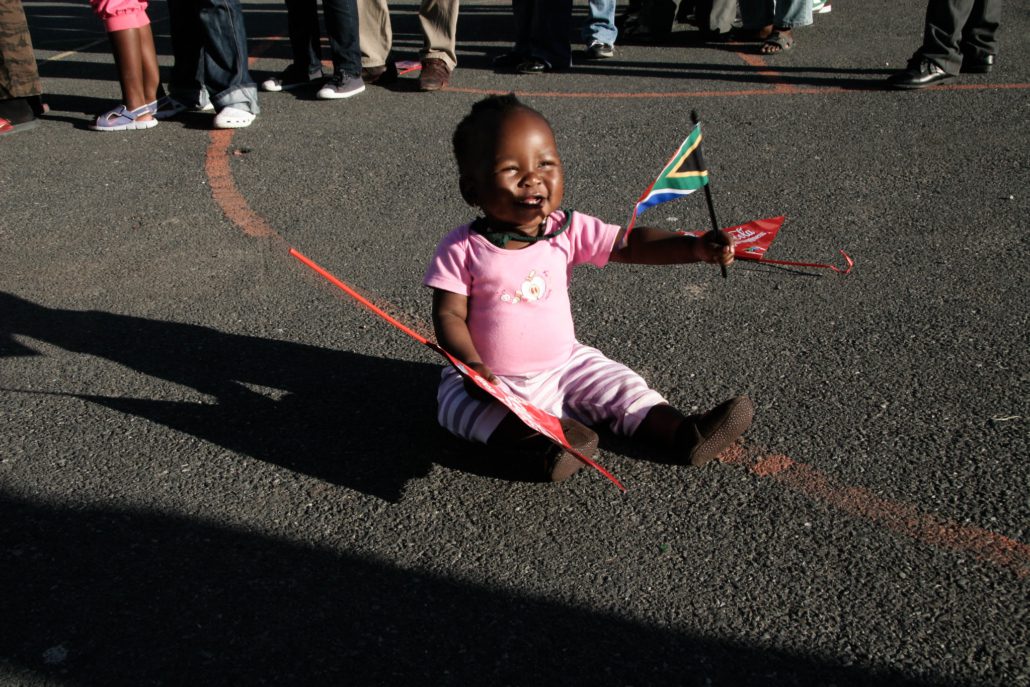
The FIFA World Cup 2010 in South Africa is a great example of how hosting a sporting event can help reduce poverty. The South African Government released the “2010 FIFA World Cup Country Report” to highlight ways that hosting the FIFA World Cup helped it reduce poverty. Here are the three ways that hosting a major sporting event downsized poverty in South Africa.

How Hosting a Sporting Event Can Help Reduce Poverty

  1. Long-term investments: International sports institutions announce the host country many years in advance as there is a need for long-term investment in many sectors, from construction to hospitality. According to the country report, South Africa spent more than $3 billion on building and renovating stadiums, restoring and developing transportation links and developing new technologies. This was the least amount spent on hosting a FIFA World Cup in the last two decades. Hosting the FIFA World Cup 2010 resulted in economic growth in South Africa in the following years. According to the Statistics Department of South Africa, the country recorded a 4.8% growth in GDP in the second quarter of 2011 compared to a 3.1% growth in GDP in the same period of 2010, which was a result of new investments in the country.
  2. Job creation: In conformity with the observations of the economist Dr. A Saville, investing in infrastructure to prepare for the tournament created 66,000 new jobs paying $1,126 a month each. Additionally, job creation contributed more than $225 million to low-income households. In addition to the construction sector, tourism was also one of the key sectors that benefited from the event significantly. In 2009, around 9.5 million tourists visited South Africa, whereas, in 2010, South Africa hosted the FIFA World Cup; this number exceeded 11 million. Since then, the country has received more and more tourists, except for during the COVID-19 pandemic era. More than 15 million visitors arrived in South Africa in 2016, which is the highest record of arrivals in the country’s tourism sector so far.
  3. Raising the country’s prestige: Hosting the FIFA World Cup encouraged the South African government to reduce crime. As a result, the government spent more than $140 million to secure safety and security in the country. Therefore, the country became attractive both for foreign investors and tourists.

Looking Forward

Hosting FIFA World Cup 2010 was a milestone in South Africa’s recent history. Thanks to direct and indirect investments in South Africa within the tournament framework, the country created new jobs in various sectors, contributing to reducing poverty in the country. South Africa is one example of how hosting a sports organization can help reduce poverty.

Seeing the rise of African teams in the latest tournament, FIFA and other international sports associations should consider giving developing countries a chance to host a worldwide tournament.

– Murathan Arslancan
Photo: Flickr

January 10, 2023
https://borgenproject.org/wp-content/uploads/borgen-project-logo.svg 0 0 Jennifer Philipp https://borgenproject.org/wp-content/uploads/borgen-project-logo.svg Jennifer Philipp2023-01-10 07:30:362023-01-10 08:15:21How Hosting a Sporting Event Can Help Reduce Poverty
Page 557 of 2180«‹555556557558559›»

Get Smarter

  • Global Poverty 101
  • Global Poverty… The Good News
  • Global Poverty & U.S. Jobs
  • Global Poverty and National Security
  • Innovative Solutions to Poverty
  • Global Poverty & Aid FAQ’s
Search Search

Take Action

  • Call Congress
  • Email Congress
  • Donate
  • 30 Ways to Help
  • Volunteer Ops
  • Internships
  • Courses & Certificates
  • The Podcast
Borgen Project

“The Borgen Project is an incredible nonprofit organization that is addressing poverty and hunger and working towards ending them.”

-The Huffington Post

Inside The Borgen Project

  • Contact
  • About
  • Financials
  • President
  • Board of Directors
  • Board of Advisors

International Links

  • UK Email Parliament
  • UK Donate
  • Canada Email Parliament

Get Smarter

  • Global Poverty 101
  • Global Poverty… The Good News
  • Global Poverty & U.S. Jobs
  • Global Poverty and National Security
  • Innovative Solutions to Poverty
  • Global Poverty & Aid FAQ’s

Ways to Help

  • Call Congress
  • Email Congress
  • Donate
  • 30 Ways to Help
  • Volunteer Ops
  • Internships
  • Courses & Certificates
  • The Podcast
Scroll to top Scroll to top Scroll to top