• Link to X
  • Link to Facebook
  • Link to Instagram
  • Link to TikTok
  • Link to Youtube
  • About
    • About Us
      • President
      • Board of Directors
      • Board of Advisors
      • Financials
      • Our Methodology
      • Success Tracker
      • Contact
  • Act Now
    • 30 Ways to Help
      • Email Congress
      • Call Congress
      • Volunteer
      • Courses & Certificates
      • Be a Donor
    • Internships
      • In-Office Internships
      • Remote Internships
    • Legislation
      • Politics 101
  • The Blog
  • The Podcast
  • Magazine
  • Donate
  • Click to open the search input field Click to open the search input field Search
  • Menu Menu

Archive for category: Global Poverty

Key articles and information on global poverty.

Global Poverty

Understanding Nationwide Disability and Poverty in Ukraine

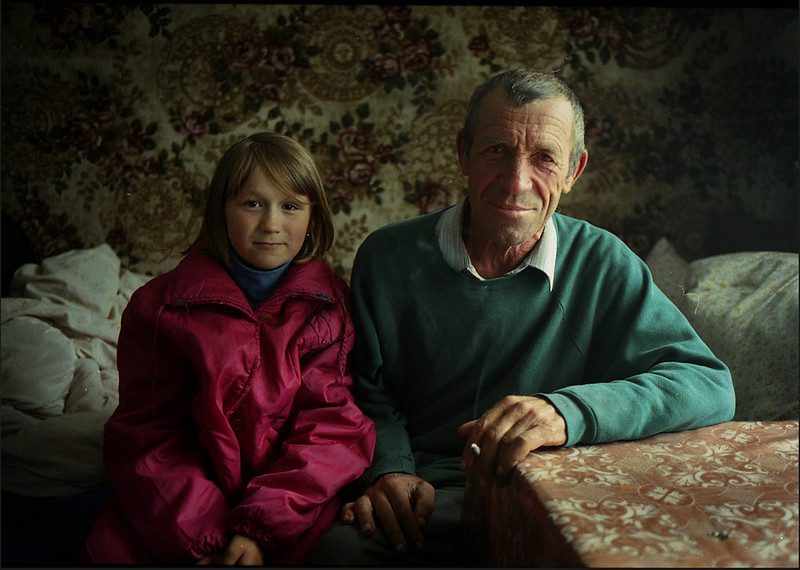
Disability and Poverty in UkraineThe situation of disability and poverty in Ukraine has reached unprecedented levels due to the ongoing conflict with Russia. As native Ukrainians flee the war-torn areas in search of safety and peace, individuals with disabilities are often left behind, unable to defend themselves. A recent study conducted by UNHCR revealed that among the nearly 18,000 fleeing Ukrainians, 22% reported having family members with unmet specific needs, further exacerbating the challenges faced by displaced individuals with disabilities. In April 2022, UNHCR reported that approximately “2.7 million people with disabilities” were at risk due to the ongoing conflict in Ukraine.

According to CNN, Russian forces have targeted more than 700 health care facilities, averaging one attack for every 10 facilities. These attacks have not only caused fatalities and injuries but have also displaced many individuals who are unable to access the necessary care and support to meet their needs.

War and Poverty in Ukraine

Prior to the onset of the Russia-Ukraine war in February 2022, Ukraine had been experiencing a consistent decline in poverty rates, stabilizing at 37.8% in 2019. However, the arrival of COVID-19 in 2020 caused a significant increase, soaring to 43.6% and erasing years of progress.

With the war persisting in Ukraine for nearly 16 months, the World Bank has projected a further alarming rise in the national poverty line, reaching close to 60% by the end of 2022. This means that more than 7 million individuals living below the poverty line in Ukraine are unable to afford essential resources for survival due to a severe lack of income.

Djerela

Since the start of the war in Ukraine, several initiatives have emerged to assist refugees, combat local poverty and aid individuals with disabilities across the country.

One such organization making a difference is Djerela, a Ukrainian-built and operated force of sanctuary. Established in 1996, Djerela has been dedicated to providing support exclusively for individuals with intellectual disabilities.

Djerela serves as a safe haven and a peaceful oasis. Throughout the week, it organizes dances and other activities in the evenings, offering a space for family members to embrace their loved ones. To ensure maximum tranquility and safety, Djerela’s locations have been relocated to secluded areas while remaining steadfast in their mission.

Regional and International Support

The European Disability Forum (EDF) and the National Assembly of Persons with Disabilities in Ukraine, along with 120 public organizations, have joined forces to provide support for individuals with disabilities. The focus is currently on locating and housing people with disabilities, which are crucial conversations taking place.

Throughout Ukraine, regional affiliations and local efforts are unfolding, with participation and ongoing support from neighboring nations.

Since 1988, Inclusion Europe has been advocating for the rights of intellectually disabled individuals. The organization has played a vital role in fostering education and creating equal opportunities for people with intellectual disabilities of all ages. Representing individuals with disabilities from 38 European countries, Inclusion Europe reported that 60% of those with intellectual disabilities in Ukraine live with family members.

In 2022, Inclusion Europe received more than €630,000 in donations to support people with disabilities. The donations are currently in use to improve access to medicines and other necessities for individuals with disabilities.

Donation summaries released by Inclusion Europe focus on “helping people with intellectual disabilities and their families.” The organization has utilized these donations for individual cash contributions, benefiting 470 Ukrainians with disabilities, providing care for eight individuals with disabilities for 10 days, and supporting maintenance projects in the surrounding areas.

Looking Ahead

Amid the challenging circumstances faced by individuals with disabilities in Ukraine, there are glimmers of hope and ongoing efforts to provide support and assistance. Organizations like Djerela and Inclusion Europe are working tirelessly to create safe spaces, offer essential resources and advocate for the rights and well-being of individuals with disabilities. Regional and international support networks are joining forces to address the unique challenges affecting the vulnerable population, emphasizing the importance of inclusivity and providing a ray of hope for a brighter future for individuals with disabilities in Ukraine.

– Chandler Doerr
Photo: Flickr
July 16, 2023
https://borgenproject.org/wp-content/uploads/borgen-project-logo.svg 0 0 Jennifer Philipp https://borgenproject.org/wp-content/uploads/borgen-project-logo.svg Jennifer Philipp2023-07-16 01:30:232023-07-14 02:53:13Understanding Nationwide Disability and Poverty in Ukraine
Foreign Aid, Global Poverty, Technology

The Use of Biometric Technology in the Fight Against Aid Fraud

Biometric Technology
Delivering foreign assistance presents formidable challenges, particularly in regions affected by conflict, where corruption, fraud and theft undermine the integrity of aid programs. Shockingly, an estimated 5% to 15% of foreign aid is lost due to fraudulent activities and diversions. To address these issues, biometric technology has emerged as a crucial tool in the fight against aid fraud.

Aid Theft and Fraud

Last month, Ethiopian officials and fighters stole food aid, leading the U.S. and UN to suspend aid to Ethiopia, a nation recovering from a two-year war. Although the food aid aims to benefit needy families, the relevant authorities discovered massive volumes of aid in commercial mills or markets. In March 2023, authorities found enough stolen food aid to feed 134,000 people for a month in a single town.

Additionally, individuals and groups sometimes use fake identities to steal aid from those truly in need of assistance. In 2018, Ugandan officials created false identities to unlawfully obtain millions of dollars in aid meant for refugees.

In other regions, terrorists have attempted to radicalize individuals and bolster recruitment efforts by diverting foreign assistance. From 2015 to 2019, the USAID Inspector General documented more than 350 allegations of fraud, armed group interference, and other issues involving aid in Syria and Iraq alone.

A Biometric Solution

Amid the challenges in providing aid, a technological solution has emerged: biometric technology. This technology automates the recognition of a person’s identity using unique physical characteristics. Aid officials document aid recipients’ biometric data, such as fingerprints or iris scans and use this data to verify beneficiaries’ identities during aid collection. As a result, biometric technology effectively reduces aid fraud and diversion.

Proponents assert that biometric technology simplifies registration processes because many individuals in need of assistance lack formal identification documents. Moreover, they consider users’ biometric data more reliable than paper documentation, which can be manipulated or copied, as it is unique to each individual’s body.

This technology ensures that assistance reaches its intended recipients, preventing unauthorized users or those using false identities from stealing aid. As a result, organizations can utilize biometric systems to enhance the effectiveness of foreign assistance programs worldwide and to increase accountability.

Implementation

Biometric solutions have undergone implementation in areas desperately in need of humanitarian aid, such as Jordan and Uganda, and have delivered encouraging results in these regions.

In 2012, UNHCR Jordan piloted the first cash assistance program using iris scans to confirm the identities of Syrian refugees in Jordan and facilitate cash transfers. By 2014, the iris scan cash assistance program achieved a 20% reduction in the number of families living below the 50 JOD/month ($71) poverty threshold. Moreover, the program proved to be highly cost-effective, with $95 of each $100 donated directly benefiting refugees.

A similar program in Jordan later integrated the same iris scan technology, allowing more than 100,000 Syrian refugees to purchase groceries using aid from the World Food Programme (WFP).

In Uganda, which is home to the largest refugee population in Africa, approximately 1.1 million asylum-seekers have undergone biometric registration, representing 75% of the population who sought asylum there before the program’s initiation. The introduction of biometric verification technology has facilitated the implementation of biometric checks at food distribution and collection sites, thereby enhancing credibility and ensuring that aid reaches those genuinely in need.

Criticism

Despite success stories, critics have raised concerns about the usage of biometric technology in foreign assistance programs. Their focus lies on issues such as privacy, data protection, false positives and the potential exclusion of certain groups from assistance programs.

The criticism has resulted in delays and prevented the implementation of biometric technology in specific regions. For example, the Houthi rebel group in Yemen opposes the use of biometrics in assistance programs, as they argue that it could undermine sovereignty and lead to the dangerous control of information. Due to this opposition, the Houthis have resisted the adoption of biometric technology in a region where more than 24 million people require humanitarian assistance.

Looking Forward

Until now, aid officials have utilized biometric recognition software to register 4.4 million refugees in 48 countries worldwide and the utilization of this technology continues to expand. As technology advances rapidly, biometrics should offer an even greater potential for a positive humanitarian impact globally.

– Abigail Hill
Photo: Flickr

July 15, 2023
https://borgenproject.org/wp-content/uploads/borgen-project-logo.svg 0 0 Kim Thelwell https://borgenproject.org/wp-content/uploads/borgen-project-logo.svg Kim Thelwell2023-07-15 16:39:012023-08-17 08:45:44The Use of Biometric Technology in the Fight Against Aid Fraud
Global Poverty

Poverty Alleviation in Vietnam with 3 Doi Moi Methods

Poverty Alleviation in VietnamBy 2004, the Socialist Republic of Viet Nam, commonly known as Vietnam, accomplished its Millenium Development Goal (MDG) of halving extreme poverty rates a decade before the United Nations Deadline. In 1993, 58.1% of households in Vietnam lived under the international poverty line. By 2004, that number had dropped to 19.5%. This was done by refining social indexes such as health care, education enrollment and amenity access.

Since then, the percentage of Vietnamese people living in poverty has decreased. As of 2020, only 4.8% of the nation lives in poverty.

Doi Moi Method for Poverty Alleviation in Vietnam

This fiscal achievement is difficult for a country that suffered decades of war. After an economic collapse in the late 1900s, Vietnam faced 700% inflation and an economy that survived off of foreign aid from the Soviet Union.

The nation began its successful poverty alleviation with the Doi Moi reforms, loosely translated to “rejuvenation,” in 1986. The Doi Moi method utilized three effective strategies for policy alleviation, most of which centered around stimulating economic growth through open-door trade.

Agricultural Reformation

The restoration plan was initially focused on aiding the agriculture industry, which 70% of Vietnamese worked in at the time. Doi Moi abolished collective farming and provided smaller farmers with land through 20-year leases. The government also removed price control, allowing for more profitable sales for industrial producers and farmers. Furthermore, subsidizing the irrigation system created more plantable areas, significantly aiding agricultural production.

Simultaneously lowering the barriers to international trade and revamping agriculture helped the inflow of goods, money and tourists flourish. Within two decades, Vietnam soon resurfaced as one of the largest rice exporters in the world, trading 3 to 4 million tons of rice annually.

Establishment of Private Businesses

To mitigate inflation, Vietnam encouraged the founding of private businesses by scaling back on government monopolies and devaluing the currency. In addition, they provided service industries for individuals and families. From 1989 to 2016, the country reduced its state-owned corporations from over 12,000 to less than 600.

National Targeted Programs

Finally, the Vietnamese government invested in national target programs. The Education for All plan focused on putting education first by investing in teachers, curriculum and the overall quality of the schools. The program built basic infrastructure like electricity, school and healthcare facilities while extending forestry and the agriculture industry.

Other programs, such as the National Targeted Program for Poverty Reduction (NTPPR) work to aid those who live in rural areas. The NTPPR is consistently re-evaluated. As of 2022, the NTPPR will focus on women to generate better gender-based equality and lessen violence against women.

While there are still challenges to overcome in poverty alleviation in Vietnam, such as the widening wealth gap and poverty disparities between ethnic groups, the Doi Moi policy has proved to be successful in various ways in combating extreme poverty and served a crucial role in its successful poverty alleviation story that has been recognized by many.

– James Bao
Photo: Flickr

July 15, 2023
https://borgenproject.org/wp-content/uploads/borgen-project-logo.svg 0 0 Kim Thelwell https://borgenproject.org/wp-content/uploads/borgen-project-logo.svg Kim Thelwell2023-07-15 07:30:562024-05-30 22:32:10Poverty Alleviation in Vietnam with 3 Doi Moi Methods
Global Poverty

Peace Through Music International: The Power of Music

Peace Through Music
Peace Through Music International, formerly known as the Shropshire Music Foundation, shares the power of music with refugees who have experienced displacement and trauma. “Since 1999, the organization has brought its programs to 20,000 children and taught 95,000 classes.” By providing a safe space and a sense of belonging, its programs help vulnerable individuals address past struggles and find solace in music. Music can be a unique outlet to help refugees and internally displaced persons address their past struggles during war or poverty. Music is a form of expression and gives meaning to the lives of refugees who lost their homes and community.

Local youth play a crucial role in leading community-building programs. Through these programs, individuals learn problem-solving, communication and job preparation skills. Peace Through Music teaches its volunteers how to create and achieve goals as a community, preparing them to be leaders for children and equipping them with valuable workplace skills.

Peace Through Music International includes crime prevention and drug/alcohol abuse prevention in its curriculum. Children are at risk of human trafficking and forced participation in extremist groups as well. Refugees had to flee an unsafe environment and experienced a lot of negativity. One goal of its programs is to “create opportunities for communication, cooperation and understanding among ethnic, religious and divided communities.” Despite these communities experiencing division, its programs create unity using the power of music to build empathy.

Peace Through Music Kosovo

Kosovo was formerly a part of Yugoslavia as a province of Serbia. Throughout Kosovo’s fight for independence from Serbia in 1998-1999, the country experienced violence and ethnic cleansing. Serbia does not recognize Kosovo’s independence to this day. The history of ethnic differences between Albanians and Serbs continues to challenge the country’s unity.

In Kosovo, Peace Through Music International offers classes in schools, shelters, remote villages and ethnic minority communities. For two decades, its programs brought people together peacefully with the power of music in a post-conflict community. Children have participated in local festivals and concerts as a result of its programs.

Scientific research supports the success of Peace Through Music International’s programs. A study that the American Psychological Association’s Traumatology Journal conducted examined that children who participated in music programs for longer periods were less likely to exhibit symptoms of psychological distress related to the conflict in Kosovo. The study found that children who experienced the music programs for longer periods were less likely to have symptoms of psychological or emotional distress.

Peace Through Music’s programs provides a safe space for children to heal from trauma and learn how to connect with the local community as well. An important aspect of Peace Through Music Kosovo is training local volunteers. The volunteers develop time management, leadership, peace training and English language skills.

Peace Through Music Uganda

Uganda experienced a devastating civil war between 1986 to 2009 that led to large-scale displacement and kidnapping of children to become child soldiers. The country continued to face human rights atrocities, instability and development limitations.

In Uganda, children in displaced communities, former child soldiers and teachers in training can take classes with the organization. For 12 years, Peace Through Music taught children in schools and refugee camps. Thousands of people live in internally displaced camps in Uganda. Its programs, which include singing, pennywhistle and drum classes, help these individuals connect with one another and find common ground after experiencing loss and violence.

Many child soldiers and children who lost their home struggle to connect with the local community. The power of music empowers these individuals to find common ground.

Teachers in training at St. Bakhita Teachers College work with the organization to develop skills for teaching music. Peace Through Music also focuses on its volunteer programs to ensure music can continue to make a difference in these children’s lives.

Conclusion

Peace Through Music’s programs in Kosovo and Uganda are using the power of music to build understanding and peace to repair communities devastated by war. Its programs demonstrate the transformative power of music in repairing and bringing understanding to communities devastated by war. By encouraging communication and empathy, these programs empower children who grew up in divisive environments to find common ground and share kindness with others.

– Ellie Bruce
Photo: Flickr

July 15, 2023
https://borgenproject.org/wp-content/uploads/borgen-project-logo.svg 0 0 Jennifer Philipp https://borgenproject.org/wp-content/uploads/borgen-project-logo.svg Jennifer Philipp2023-07-15 07:30:292023-07-11 12:31:09Peace Through Music International: The Power of Music
Global Poverty

Child Poverty in Trinidad and Tobago

child poverty in Trinidad and TobagoThe rate of child poverty in Trinidad and Tobago constitutes a staggering 50% of those living in poverty on the islands. This can negatively impact a variety of facets in a child’s life including their access to a quality education.

As children account for more than 200,000 of the country’s population, UNDP, UNICEF and the Ministry of Social Development and Family Services (MSDFS) conducted research in 2017 to gauge the youth’s perception of and experience with poverty in order to better understand issues of poverty affecting children in Trinidad and Tobago.

Across varying regions of Trinidad and Tobago including Sangre Grande, Arima and Tunapuna, the study assessed children’s experiences through a multidimensional perspective of poverty — referring to aspects of living in poverty that extend beyond basic income such as the absence of familial support, poor health and a lack of educational access.

Multidimensional Poverty Index (MPI)

With a multidimensional approach to measuring poverty, UNDP reported on Trinidad and Tobago’s 2022 Multidimensional Poverty Index (MPI). The index is measured on a yearly basis according to a country’s deprivations across three dimensions: “health, education and standard of living.” The country’s MPI value amounted to 0.002, with deprivations in the standard of living, health and education contributing 20.5%, 45.5% and 34% respectively to this dimension in total.

In regard to deprivations in education, following the pandemic school dropouts increased with an estimated 151 primary school students and 2,663 secondary school students dropping out of government schools in Trinidad between the beginning of 2020 and the end of 2022. Some reasons for these dropout rates were attributed to loss of jobs, subsequent financial distress and the need for older children to aid their parents in caring for their younger siblings.

National Child Policy

Nevertheless, the Ministry of Social Development has made efforts to address the difficulties faced in education as a product of child poverty in Trinidad and Tobago.

In accordance with the 2020-2030 National Child Policy of Trinidad and Tobago which outlines the country’s commitment to ensuring positive outcomes for the nation’s children, the government has continuously set out to alleviate the financial inequities that can act as a barrier to children’s engagement in educational institutions.

To attenuate the financial burden of obtaining school meals for those facing experiencing child poverty in Trinidad and Tobago, the National Schools Dietary Services focuses on providing free breakfasts and lunches throughout primary and secondary schools. Between 2013 and 2014, children in need received 64,422 breakfasts and 96,448 lunches.

Moreover, in support of the program’s services to impoverished communities, the Draft Estimates of Expenditure for 2023 indicates that the National Schools Dietary Services has received a more significant budget allocation for the 2023 fiscal year – an additional $181.8 million in comparison with its 2022 budget of $88.9 million. This increased financial allocation enables the program to continue its standard operation of improving the nutritional status of children in order to enhance their learning ability through the daily provision of catering services to students across 800 schools in Trinidad and Tobago.

Children also are able to partake in a textbook rental and loan program, which has delivered more than 203,000 books and learning materials to students. Moreover, free school health program services including vision exams, hearing tests and psychosocial support are free to children up to 14 years old, according to the National Child Policy Green Paper.

Early Child Care Education (ECCE)

Similarly, through recognizing the foundational importance of Early Child Care Education (ECCE) the Government of Trinidad and Tobago has also invested in providing free ECCE centers. These centers promote the holistic transition of young children — ranging from the ages of 3 to 4 — into the education system, according to the National Child Policy Green Paper.

The accessibility of these ECCE centers sets out to bridge the gap in experience and resources experienced by children living in poverty through a curriculum that emphasizes skill building and development in the “physical, cognitive, linguistic and socioeconomic areas.”

According to the National Child Policy Green Paper. there are 151 fully operational Government and Government Assisted ECCE centers throughout Trinidad and Tobago.

Making Plans to Prioritize Children

Efforts from the government to combat child poverty in Trinidad and Tobago have also taken the shape of plans to prioritize children through a commitment to a National Implementation Plan with varying strategies to improve the welfare of children in need. These strategies range from ensuring the provision of quality physical and mental health services for children, increasing the accessibility of education and learning opportunities and an aim to create spaces safe for children’s recreation — each allotted a total budget of more than $3 million for its enactment, according to the National Child Policy Green Paper.

The initiatives adopted by the government to alleviate the educational barriers faced by children in poverty indicate a step toward achieving the first of the U.N.’s Sustainable Development Goals to eradicate poverty. As estimates indicate the cost of halving child poverty by 2030 can cost 0.3% of GDP. Continuously investing in advancing children’s education could contribute to improving Trinidad and Tobago’s social and economic development.

– Katrina Girod
Photo: Flickr

July 15, 2023
https://borgenproject.org/wp-content/uploads/borgen-project-logo.svg 0 0 Kim Thelwell https://borgenproject.org/wp-content/uploads/borgen-project-logo.svg Kim Thelwell2023-07-15 07:30:002023-07-11 16:16:44Child Poverty in Trinidad and Tobago
Global Poverty, Technology

Colab Uses Technology to Empower Communities in Brazil

Empower Communities in BrazilBrazil, a land of contrasts, boasts natural beauty and cultural richness alongside daunting challenges like poverty and inequality. According to the World Bank, in 2021, 12.5 million people in Brazil lived under the international poverty line. And, in 2021, Brazil had a Gini index score of 52.9%, making it one of the most unequal countries in the world in terms of income inequality. With headquarters in Brazil, Colab is a civic engagement platform that allows government bodies and citizens to engage with each other in order to empower communities in Brazil while addressing pressing issues.

Birth of Colab

Hailing from São Paulo, entrepreneurs Paulo Pandolfi and Gustavo Maia conceived Colab in 2013. The co-founders strongly believe in technology’s potential to drive positive societal change. This vision led to the creation of an app or online platform in 2018 that facilitates connections among Brazilian communities, allowing them to report concerns and access local resources.

This online platform aims to empower citizens across Brazil’s 5,570 cities to share insights about their city’s current status. The goal is to enable local authorities and decision-makers to develop responsive public policies amid urbanization challenges. Despite well-developed urban infrastructure, major Brazilian cities grapple with issues such as traffic congestion, waste management and inadequate public services in certain areas. By tapping into the perspectives of city residents, the platform seeks to foster efficient and integrated approaches to tackle the intricate demands of urbanization. Utilizing technology, particularly the Colab app, becomes pivotal in addressing these issues and helping to empower communities in Brazil.

Reporting Empowers Communities in Brazil

The Colab app empowers users to report urban issues like potholes and broken streetlights. Colab helps to connect users with government bodies and community organizations for prompt solutions. Beyond this, its social network fosters collaboration on urban development and civic engagement initiatives. Users can track the status and progress of their reported issues, ensuring that authorities address their concerns in a timely fashion. This feature cultivates accountability on the part of local authorities.

Widespread Impact

More than 500,000 users spanning 150,000 municipalities in Brazil now use the Colab platform. Colab stands as an effective platform for the resolution of various issues impacting communities while nurturing citizen engagement, accountability and effective governance.

Colab’s success is marked by impressive achievements:

  • Colab resolved as many as 450,000 claims.
  • More than 4,500 public managers use the Colab platform.
  • Colab helped to carry out at least 300 public consultations.
  • Around 700,000 participants in public consultations.

Bridging the Citizen-Government Divide

Colab’s unique characteristic lies in bridging the divide between citizens and government, nurturing transparency and responsiveness. Through a platform for voicing concerns and monitoring progress, it fosters trust and accountability between residents and public officials.

Colab stands as a notable example of how technology can empower communities, propel social change and elevate community standards. Through mobile apps, social networks and data analytics, the app establishes avenues for civic engagement, accountability and economic prospects.

Nevertheless, Colab’s success underscores the imperative for more investment and support for technology startups committed to social transformation. Addressing challenges like funding, regulations and developing-country infrastructure necessitates collaborative efforts among governments, investors and civil society.

Tackling these challenges mandates an enabling environment for tech startups, encompassing policies that foster innovation, incentives for investors and partnerships for resource and expertise sharing. Colab’s achievements hinge on society’s recognition and valuation of its contributions to societal change. By endorsing such initiatives, nations can lay the foundation for an inclusive, prosperous future, fostering equitable and sustainable development.

–  Eva O’Donovan
Photo: Flickr

July 15, 2023
https://borgenproject.org/wp-content/uploads/borgen-project-logo.svg 0 0 Kim Thelwell https://borgenproject.org/wp-content/uploads/borgen-project-logo.svg Kim Thelwell2023-07-15 07:19:102023-09-05 06:26:30Colab Uses Technology to Empower Communities in Brazil
Global Poverty

Addressing Leprosy in Nepal

Leprosy in NepalLeprosy, also known as Hansen’s Disease, is caused by bacteria called Mycobacterium Leprae which is related to the bacteria that causes tuberculosis. The disease is mildly infectious and is most prevalent in places with higher levels of poverty. Due to issues like overcrowding and malnutrition that many people living in poverty face, people’s immune systems can be compromised, making them less able to fight the bacteria.

Leprosy is curable and, if treated early, it will not cause any long-term health issues. According to The Leprosy Mission, around 200,000 people worldwide are diagnosed with leprosy each year.

Although the overall prevalence of leprosy in Nepal fell below one case in 10,000 of its entire population in 2009, there are still areas in Southern Nepal where its prevalence is much higher due to its proximity to Northern India. Nepal was still among the top ten countries affected by leprosy in 2021.

How Leprosy Affects People

If left untreated, leprosy can cause nerve damage, leading to a loss of sensation in the hands, feet and face. Due to this loss of sensation, people with untreated leprosy are less likely to notice pain from injuries such as burns and cuts, which can then lead to infections. Nerve damage to the face can also cause difficulty with blinking and can lead to eye damage and even blindness.

Due to myths and superstitions, there is a great amount of fear and stigma surrounding leprosy in many cultures. Those suffering from the disease are often isolated from their families and communities, and many lose their jobs and even their homes because of this.

Heal Nepal

Although leprosy is curable, especially when treated early, it can be very difficult to diagnose. The Leprosy Mission works with medical researchers to discover new treatments for leprosy and develops campaigns in countries affected by leprosy to help educate people about the disease. They also work with governments worldwide to ensure medical staff are educated, reducing misdiagnosis and preventing leprosy from developing.

The Leprosy Mission aims for zero transmission of leprosy worldwide and is working to improve education on how to end the transmission of leprosy in Nepal through its Heal Nepal program. Heal Nepal works with local communities and health services in 11 different districts of Nepal to educate local communities about leprosy, raising awareness of its symptoms and treatment. They also train health workers on leprosy diagnostics and encourage the early treatment of leprosy, and emphasize that it is not infectious when treated.

These efforts have significantly reduced waiting times for referrals and have allowed for a more efficient provision of leprosy treatment to patients, which has decreased the number of serious health complications in people with leprosy in Nepal. The program also provides patients suffering from more advanced cases with reconstructive surgery when necessary.

How Heal Nepal Is Supporting People with Leprosy in Nepal

Heal Nepal has recruited numerous female volunteers and trained them to identify leprosy, and due to their efforts, more than 170 new leprosy patients have been identified and given treatment. This has lowered the levels of the disease and prevented many people from developing lifelong disabilities that can occur as a result of untreated leprosy.

Along with readily available and highly effective treatments such as multi-drug therapy (the World Health Organization’s recommended treatment for leprosy), there have been many medical breakthroughs within the past decade that are helping people with disabilities caused by leprosy. “Clawed hands” or foot-drops caused by leprosy-related nerve damage can now be restored with surgery and physiotherapy, and reconstructive surgery can also restore eyelid muscles, allowing people to blink again. People with nerve-damaged hands and feet are also encouraged to check daily for any cuts or burns and to soak their hands and feet regularly to make them softer, which helps prevent further injuries which could cause disability. Protective shoes and mobility aids have also been made available to those who need them, improving their quality of life and allowing them to be more independent.

Not only do Heal Nepal and The Leprosy Mission help those with leprosy on a physical level, but these programs also help with the social aspects of having leprosy and work to end the stigma and fear surrounding leprosy by educating people in communities where leprosy is common. They also offer counseling and support groups to help people with leprosy feel less alone and help them cope with the negative social aspects of having the disease.

Overall, The Leprosy Mission’s Heal Nepal campaign has helped reduce transmission of leprosy by identifying and diagnosing the disease early on. This has allowed people with the disease to be treated and cured and allowed many people to return to a normal standard of life. For those with more advanced cases, their quality of life has also been improved with more advanced medical and social care.

– Molly Wallace
Photo: Flickr

July 15, 2023
https://borgenproject.org/wp-content/uploads/borgen-project-logo.svg 0 0 Lynsey Alexander https://borgenproject.org/wp-content/uploads/borgen-project-logo.svg Lynsey Alexander2023-07-15 01:30:262023-07-11 10:59:43Addressing Leprosy in Nepal
Global Poverty

Change Please is Combating Homelessness Through Coffee

Combating Homelessness Through Coffee
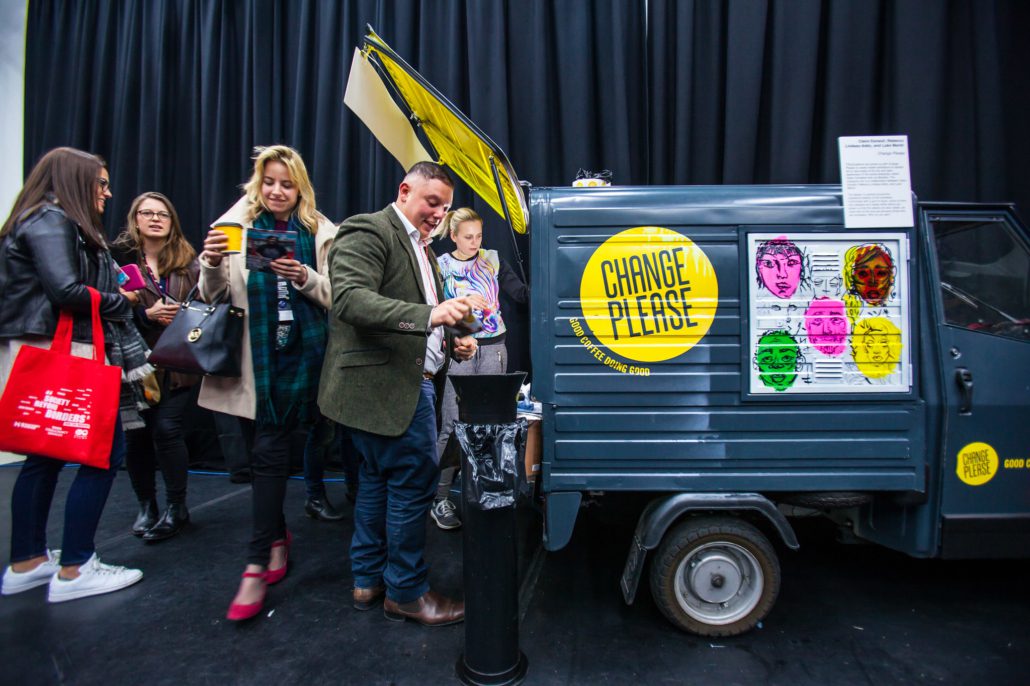
Homelessness is prevalent in London. According to the homeless organization Streets of London, more than 8,000 people live on the streets. The homeless organization’s website discusses reasons for the loss of housing including abuse, addiction, mental health struggles and relationship issues. People without homes are vulnerable to violence, theft, harassment and even death. Crisis U.K., an organization dedicated to helping homeless individuals, states on its website, “People sleeping on the street are almost 17 times more likely to have been victims of violence.” In response to this issue, Change Please, a foundation that fights homelessness through coffee, offers disadvantaged people an opportunity to escape poverty.

Data from the Department for Work and Pensions reveal that 25% of London’s population lives below the poverty line. The pandemic has worsened poverty levels, leaving many families unable to meet their basic needs. Change Please helps struggling individuals in London fulfill their basic needs, including access to shelter.

About Change Please

Change Please is a foundation committed to providing housing, job training and additional resources for homeless populations. It originated in London and has expanded to various locations throughout the city. Its website states 100% of its profits go toward combating homelessness. Change Please’s founder, Cemal Ezel, expressed in the foundation’s annual report that every cup the organization brews and every bean it sells helps change the lives of homeless individuals for the better.

Ezel began the foundation in 2015 after seeing the value of providing job opportunities for people experiencing homelessness. Full-time jobs provide income, a purpose and a chance to start fresh.

Change Please is combating homelessness through coffee in several countries like the United States (U.S.), Australia and France. The foundation’s website states all of its profits go toward helping more than 85% of its trainees secure employment. Through its training programs, 500 individuals are employed as baristas. Change Please gives individuals a fresh start in the coffee business or elsewhere.

The Impact of the Change Please Foundation

Change Please’s training center equips individuals with coffee business knowledge, including customer service, coffee-making techniques and latte art. Retail training offers work experience at the foundation’s coffee franchise locations. Upon graduation, Change Please assists trainees in transitioning to future employment.

Additional Support

The foundation’s Driving for Change program provides additional support, including therapy assessments, employment support, financial literacy training and access to essential services like haircuts, dental care, showers and medical consultations. This initiative, sponsored by Colgate, Mastercard and HSBC U.K., began in 2021 and has already served 650 individuals traveling on buses across London boroughs.

Success Stories

Change Please has empowered individuals to change their lives. One woman who previously lived in a women’s refuge now works in hospitality through the foundation’s support. She expressed her gratitude in the annual report, stating that Change Please has been there for her throughout her journey, providing crucial support during difficult times.

Change Please is making a difference in the fight against homelessness through coffee, one cup at a time, by offering hope and opportunities to individuals striving to rebuild their lives.

– Ellie Bruce
Photo: Flickr

July 15, 2023
https://borgenproject.org/wp-content/uploads/borgen-project-logo.svg 0 0 Kim Thelwell https://borgenproject.org/wp-content/uploads/borgen-project-logo.svg Kim Thelwell2023-07-15 01:30:242023-07-11 04:29:07Change Please is Combating Homelessness Through Coffee
Child Poverty, Global Poverty

Child Poverty in Libya: Causes, Effects and Solutions

Child Poverty in LibyaAs of 2023, approximately one-third of the Libyan population is living below the poverty line, indicating a significant issue of child poverty within the country. Consequently, Libya has an assigned score of 6.97/10 on the Realization of Children’s Rights Index (RCRI). This rating categorizes the situation of children’s rights in Libya as “difficult.”

Causes

The issue of conflict has played a significant role in exacerbating child poverty in Libya. For instance, the Libyan Revolt of 2011 had a detrimental impact on health care standards, depriving parents and children of essential medical care. As a result, they experienced a reduced ability to work, and this pushed families further into poverty. The uprising also resulted in the loss or injury of many parents, further hindering their capacity to fulfill their work responsibilities effectively. The revolt caused the deaths of at least 1,142 civilians and injured over 1,000, leaving behind orphaned children and intensifying child poverty in Libya.

Another contributing factor to child poverty was the disruption of education during the war. Despite the availability of free schooling, more than 61,000 students were unable to complete their academic term in 2011. Moreover, the destruction of 15 school buildings by bombings exacerbated the educational deficit.

Effects

The most damaging effect of child poverty is on the health and well-being of affected children. According to a U.N. report, only 14% of children aged between 6 and 23 months receive the minimum diet as of 2019. The same report reveals that 321,200 children are in need of primary and secondary health services in Libya.

The widespread malnutrition of Libyan children is incredibly damaging to the child’s growth, well-being and development. According to United Nations International Children’s Emergency Fund (UNICEF), the negative effects of malnutrition in the first 1000 days of a child’s life include reduced brain development, a weakened immune system and visual impairment.

Another impact of living in a post-conflict and impoverished society comes from the desire to obtain funds regardless of the method. In Libya, many children living in poverty collect and sell weapons and ammunition left over from wartime to earn money for their families. Other kids pick up weapons or shrapnel out of sheer curiosity, relishing in new, shiny, foreign objects. Naturally, this is very dangerous. Unfortunately, some children have injured themselves or unfortunately lost their lives as a result.

Solutions

Concrete measures exist to alleviate child poverty rates in Libya. Since 2018, the World Food Programme (WFP) has been actively addressing malnutrition in Libya. Through monthly provisions of food and support, the WFP assists around 90,000 vulnerable individuals. Additionally, it offers financial contributions to bolster the country’s social programs. Collaborating with the U.N. and the Government of Libya, the WFP strives to implement effective solutions to reduce child poverty rates in the post-conflict era.

There has been notable progress in reducing infant mortality rates, but further advancements require attention to youth development.

Education stands as the key to breaking the cycle of child poverty in Libya. Education not only alleviates poverty at an individual level but also at a societal level. According to the World Bank, education enhances employment opportunities, fostering economic growth and innovation.

By ensuring improved access to education, this long-term solution aims to break the cycle of child poverty in Libya. In enhancing job prospects for children facing poverty, education plays a crucial role in their empowerment.

The Multi-Year Resilience Programme

There is ongoing progress with respect to addressing the challenging goal of tackling child poverty in Libya. One notable organization working towards this is ‘Education Cannot Wait‘, founded in 2016 by international humanitarian aid and development actors. Its mission is to create a safe learning environment for children affected by crisis. Education Cannot Wait has launched initiatives in crisis-affected countries, including Afghanistan, Brazil, Iraq and Libya.

The Multi-Year Resilience Programme (MYRP), initiated in 2022 with an investment of $11.1 million, is part of these efforts. The MYRP focuses on improving education access by implementing various strategies. The poorest children receive cash transfers, and this helps to alleviate financial constraints on education. Investments go into training teachers to ensure the delivery of high-quality and inclusive education.

As of June 2023, the MYRP has yielded positive results in Libya. There are currently 723 teachers, and 28,000 children have benefited from additional support in schools, including improved sanitation and access to clean water. Furthermore, 2,975 children have received crucial free meals provided by the schools.

While these efforts show promise, the problem of child poverty in Libya requires further attention. There is a need for more commitment and vigilance from all involved parties working to drive change.

– Tom Eccles
Photo: Unsplash

July 14, 2023
https://borgenproject.org/wp-content/uploads/borgen-project-logo.svg 0 0 Jennifer Philipp https://borgenproject.org/wp-content/uploads/borgen-project-logo.svg Jennifer Philipp2023-07-14 07:30:442023-07-11 04:03:12Child Poverty in Libya: Causes, Effects and Solutions
Global Poverty

Revolution: What Desserto Offers Sustainable Fashion  

Desserto Offers Sustainable Fashion
In a world, increasingly conscious of the environmental impact of the fashion industry, Mexican entrepreneurs introduced a groundbreaking solution that combines sustainability, innovation and style. Meet Desserto, a remarkable material made from organic cactus plants, specifically the nopal cactus. With its exceptional properties and minimal ecological footprint, Desserto offers sustainable fashion products to customers, paving the way for a greener and more sustainable future.

The Eco-Friendly Alternative

Desserto’s production process is a game-changing innovation in the fashion world. Unlike traditional leather, which comes from animal hides and has a significant environmental impact, Desserto provides a cruelty-free and sustainable alternative. By using the nopal cactus, a plant known for its resilience in arid conditions, this innovative material requires minimal water and land to grow. This aspect alone distinguishes it as an eco-friendly choice, substantially reducing water consumption and land usage compared to traditional leather production.

Sustainability and Biodegradability

One of the key advantages Desserto offers sustainable fashion is its biodegradability. Unlike synthetic materials that contribute to the accumulation of waste in landfills, cactus leather naturally decomposes without releasing harmful toxins into the environment. Desserto is an excellent choice for those seeking to minimize their ecological footprint. By embracing Desserto, fashion brands and consumers can actively participate in the shift toward a circular economy, where these fashion products are designed with their end-of-life impact in mind.

A Toxic-Free Future

In addition to being biodegradable, Desserto is entirely free from toxic chemicals commonly used in the tanning process of traditional leather production. The manufacturing of Desserto avoids the use of toxic substances like chromium and formaldehyde, ensuring a safer and healthier alternative for both the environment and the people involved in the production process. By opting for cactus leather, fashion brands play a vital role in reducing hazardous waste and safeguarding human health.

Positive Impacts on the Environment and Communities

The benefits of Desserto go beyond its sustainable production. The nopal cactus helps mitigate changing weather patterns through its exceptional carbon absorption capacity. By choosing Desserto, fashion brands reduce greenhouse gas emissions and preserve natural resources.

Moreover, Desserto promotes fair trade practices, has the potential of providing thousands of employment opportunities for local communities and preserves traditional knowledge. This sustainable initiative empowers local farmers and supports economic diversification, contributing to the overall well-being and development of the Mexican economy.

A Shift Toward a Greener Fashion Industry

The emergence of Desserto represents a significant milestone toward a greener and more sustainable fashion industry. Fashion brands embracing Desserto as a viable alternative to traditional leather are making a conscious decision to prioritize ethical and eco-friendly practices. This transition is crucial in reducing the fashion industry’s environmental impact and fostering a more responsible approach to fashion production.

Conclusion

Desserto, a creation of Mexican entrepreneurs, is a true game-changer in the fashion industry. Its organic composition, minimal water and land requirements, biodegradability and absence of toxic chemicals make it a sustainable and cruelty-free alternative to traditional leather. By choosing Desserto, fashion brands reduce water consumption and carbon emissions and promote fair-trade practices. Moreover, Desserto empowers local communities, preserves Mexican farmland and fosters economic diversification. It symbolizes a shift toward a greener fashion industry, where ethical and eco-friendly practices become the standard. With what Desserto offers sustainable fashion, the future of the fashion industry looks exceptionally promising.

– Eva Cairns O’Donovan
Photo: Flickr

July 14, 2023
https://borgenproject.org/wp-content/uploads/borgen-project-logo.svg 0 0 Naida Jahic https://borgenproject.org/wp-content/uploads/borgen-project-logo.svg Naida Jahic2023-07-14 07:30:352024-12-13 18:02:55Revolution: What Desserto Offers Sustainable Fashion  
Page 486 of 2180«‹484485486487488›»

Get Smarter

  • Global Poverty 101
  • Global Poverty… The Good News
  • Global Poverty & U.S. Jobs
  • Global Poverty and National Security
  • Innovative Solutions to Poverty
  • Global Poverty & Aid FAQ’s
Search Search

Take Action

  • Call Congress
  • Email Congress
  • Donate
  • 30 Ways to Help
  • Volunteer Ops
  • Internships
  • Courses & Certificates
  • The Podcast
Borgen Project

“The Borgen Project is an incredible nonprofit organization that is addressing poverty and hunger and working towards ending them.”

-The Huffington Post

Inside The Borgen Project

  • Contact
  • About
  • Financials
  • President
  • Board of Directors
  • Board of Advisors

International Links

  • UK Email Parliament
  • UK Donate
  • Canada Email Parliament

Get Smarter

  • Global Poverty 101
  • Global Poverty… The Good News
  • Global Poverty & U.S. Jobs
  • Global Poverty and National Security
  • Innovative Solutions to Poverty
  • Global Poverty & Aid FAQ’s

Ways to Help

  • Call Congress
  • Email Congress
  • Donate
  • 30 Ways to Help
  • Volunteer Ops
  • Internships
  • Courses & Certificates
  • The Podcast
Scroll to top Scroll to top Scroll to top