
According to the World Health Organization (WHO), as of 2017, the incidence of mental illnesses increased by 13% worldwide. With the COVID-19 pandemic, beginning in 2020, anxiety and depression increased by 25%. Much of the burden of mental illness is still concentrated in low-income, developing countries. Here is some information about some of the issues impacting mental disorder diagnosis for low-income populations and what can be done to provide equal care.
Mental Health in Developing Countries
There is a strong association between poverty and mental illness. Lower SES is associated with a higher risk of mental disorder diagnosis. Poverty can lead to poor physical health, which is often comorbid with mental disorders. These health issues give rise to higher spending on treatment which feeds back into the cycle of poverty. Dynamics like these are especially pronounced in developing countries where factors such as war and natural disasters exacerbate negative outcomes. The WHO reports that one in five people affected by conflict will develop conditions like anxiety, depression and post-traumatic stress disorder.
Receiving a Diagnosis
Developing countries face a variety of barriers to mental health diagnosis. Many people are unable to receive a diagnosis due to unavailable or unaffordable health care. Countries like Afghanistan and Ghana only have 0.296 and 0.065 psychologists per 100,000 people, respectively. When people are able to find a practitioner, they may not be able to afford their services. A 2019 report by the World Bank said that populations in developing countries spent $500 billion out of pocket on health care.
While rates of mental illness in developing countries are already high, the lack of access to health care raises the question of whether these statistics are accurate or if some are falling through the cracks without being diagnosed.
Misdiagnosis
When people in these areas are able to be diagnosed, they may not receive the most accurate diagnosis. A study conducted in six low- and middle-income countries in Africa and South Asia reported poor training for mental health professionals and inadequate knowledge of mental health issues. Without a proper understanding of the complexity of mental health, providers can make mistakes with serious consequences. There is evidence that racial and ethnic minorities, who are disproportionately affected by poverty, are also more likely to receive an incorrect mental disorder diagnosis. Some of this may be due to bias and discrimination.
Another factor impacting diagnosis is culture. Diagnostic manuals tend to be written from a Western perspective that does not always translate to other cultures. For example, patients may vary in the types of symptoms they present with. Asian patients are more likely to report physical symptoms than emotional ones. Cultural background may also prevent people from seeking out treatment. Physicians must keep these cultural differences in mind to ensure that an accurate mental disorder diagnosis is made.
Stigma Surrounding Diagnosis
The stigma surrounding mental disorders is prevalent cross-culturally. In some countries, mental health is rarely discussed openly and is treated as a taboo subject. In Ghana, for instance, those suffering from mental illnesses are isolated. They may decide not to seek treatment or express their feelings due to shame. Those already diagnosed often face harmful stereotypes and social ostracization.
Stigma stems from various factors, but insufficient mental health literacy is one of the greatest contributors. This includes both academic research on mental health and widespread knowledge among the general public. Developing countries tend to fall behind in mental health research. Improving educational efforts to increase mental health awareness is shown to be effective in reducing public stigma.
A Brighter Future
Though there are many issues surrounding mental disorder diagnosis, there are steps that can be taken to improve the situation. Huesofthemind Wellbeing Foundation (HOTM) is one nonprofit that is spreading awareness about mental health. Founded in India, HOTM is a member of the United Nations SDSN Youth. The organization breaks down mental health stigma by providing workshops and running campaigns to spread awareness. Topics range from educational stress and burnout to dance therapy. The organization features lists on its website of mental health professionals available to provide online therapy. For those who cannot afford professional help, HOTM offers free resources to learn about mental disorders and share personal stories to connect with others. Free, online resources are a valuable tool, both for people who are newly diagnosed and others who are farther along in their mental health journey.
Mental health is an integral part of overall well-being. For many, a mental disorder diagnosis can be the first step toward improving their health. Improving access to quality mental health care and education ensures a brighter future for all.
– Yesenia Aguilera
Photo: Flickr


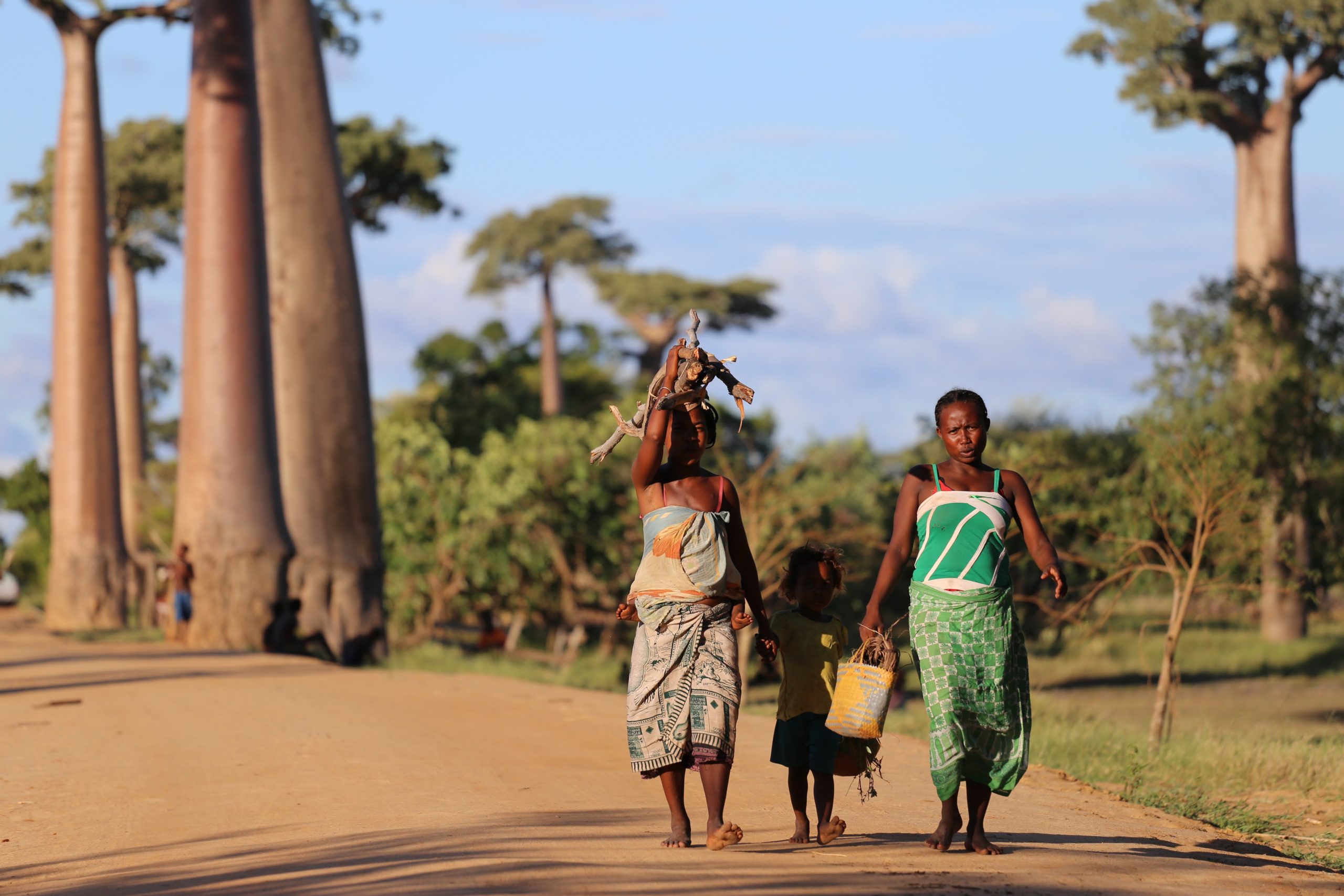 With the extreme poverty rate (<$1.90 per day) climbing to 78% in 2021,


 In 2021, the U.N. ruled that the Islamic State of Iraq and al-Sham (ISIS), a U.S.-designated terrorist organization, had
