
Sanctions are weapons, and like any other wartime invention, they have changed over time to become more powerful and more precise. The U.S. example of this evolution of force, as in so many other cases (nuclear weapons, military aircraft), is particularly instructive. Sanctions expert for the Economist Group Agathe Demarais, in a 2023 interview for NPR, notes that a mere 13% of U.S. sanctions since 1970 worked as intended, and although they have grown more sophisticated — from the imprecise and unsuccessful 1960 trade embargo against Cuba to the 2003 financial sanctioning of banks collaborating with North Korea, and finally to the individual targeting of several Russian businessmen listed as the 100-richest Russians in 2018 — they still tend to inflict a shotgun pattern of harm, affecting the innocent as well as the guilty of the sanctioned countries.
Unintended Effects
Even when sanctions accomplish their foreign-policy goals, they can still crush the populations in those sanctioned countries. The 2012 U.S. financial sanctions against Iran helped secure a more moderate political regime and reign in the country’s nuclear program. Consumer prices also rose by 30% and living standards fell dramatically, crippling Iran’s COVID-19 response and inflating the pandemic’s death toll in the country into the hundreds of thousands. A combination of financial and oil sanctions against Venezuela in 2017 contributed to a 1 million percent rise in inflation in a country already plagued by shortages of food, medicine and sometimes even the basic materials Venezuelans needed to bury their dead relatives.
Franciso Rodriguez of the Josef School for International Studies, writing for the Financial Times in May 2023, cites studies showing sanctions inflicting Great Depression levels of economic harm on countries and slashing 1.4 years off the life expectancy of their female citizens. Like a tactical nuclear weapon, sanctions can become technically more precise in hitting their target, but the fallout that follows is still diffuse, destructive and often fatal.
Gaps in the Wall
Thankfully, international efforts by both governments and humanitarian organizations to relieve the strain sanctions often imposed upon already desperate populations came to fruition on December 9, 2022, when The United Nations Security Council (UNSC) adopted SCR 2664. The resolution, introduced by the U.S. and Ireland, allows “funds and assets necessary for humanitarian assistance and activities to meet basic human needs” to cut through existing or future U.N. financial sanctions. Efforts to provide disaster relief, medical supplies, education and even general “peacebuilding” and development could now be granted licenses by the U.S. Office of Foreign Assets Control. This gradual thawing trend in the imposition of sanctions precedes SCR 2664 when in December 2021 the UNSC adopted measures allowing humanitarian aid to cut through its financial sanctions on Afghanistan.
Brick by Brick: The Way Forward
There is still much work to be done. Outside of actual criminality, NGOs and foreign aid organizations must still operate within the confines that sanctions set in sanctioned countries. Until public pressure convinced President Biden to grant limited exceptions, attempts to help the victims of the deadly February earthquakes in Syria and Turkey were stymied by American sanctions against those nations, with donation sites like GoFundMe cooperating by actively scouring mention of the disaster from their websites.
As for progressive measures like SCR2664, Emanuela-Chiara Gillard, writing for Chatham House Institute in 2022, was careful to point out that there are exceptions to the exceptions because they apply only to financial sanctions. Provisions like food and equipment for removing landmines must still pass through an arduous process of authorization before they can reach many countries. Starving nations like North Korea, already encircled by a variety of trade restrictions, are especially cut off.
It is incumbent upon all humanitarian organizations, and the ordinary people who support their work, to continue to lobby for humanitarian avenues that cut through sanctions. It appears there is a need for organizations to educate themselves on the current state of these exceptions, especially in countries that may superficially seem beyond the reach of humanitarian assistance. For instance, Russia’s war with Ukraine has not completely isolated it from Western assistance, as illustrated in a 2023 OFAC fact sheet which lists in detail every U.S. and U.K. humanitarian license and exception for aid and export to and from Russia.
– John Merino
Photo: Flickr
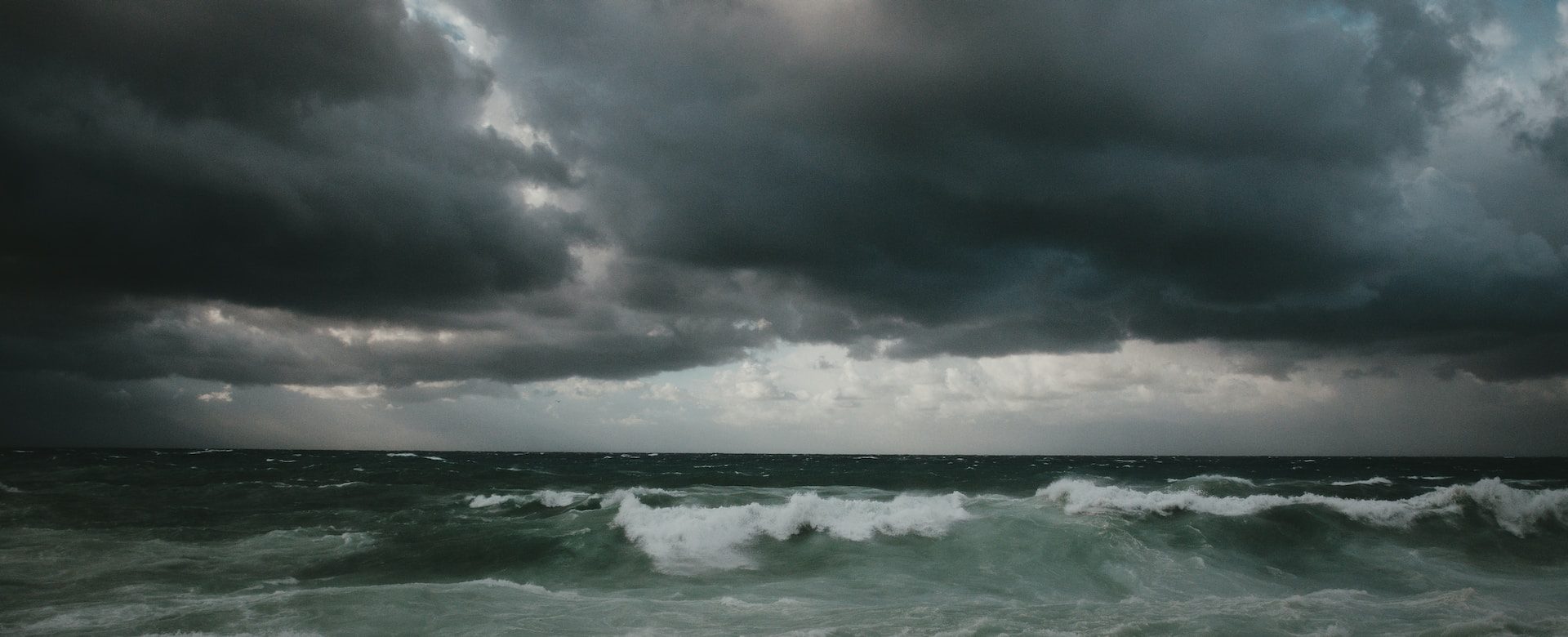 In September 2023, the Libya Floods inflicted a devastating event upon Derna. Derna is an eastern Libyan port city housing approximately 100,000 residents. Storm Daniel, categorized as a “medicane,” or a tropical cyclone, nourished by the warm Mediterranean waters, wreaked havoc and triggered extensive flooding. The impact of this storm has been catastrophic for the people of Libya.
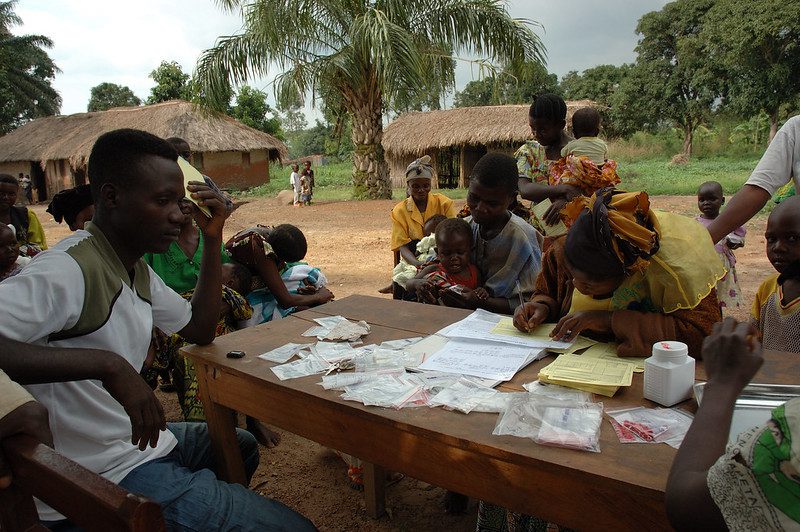 The Democratic Republic of the Congo (DRC) is one of Africa’s largest countries. With an especially high poverty rate, approximately 60 million people live on less than $2.15 a day. Vaccination struggles worsen living conditions by driving up child mortality. However, the government has been steadfast in improving the quality and quantity of vaccinations in the DRC and has doubled down on vaccine programs to improve the country.
  Nicaragua ranks among the countries in Latin America with low-income levels. Its population of 6.5 million faces challenges,
  Noncommunicable diseases (NCDs) are the world’s number one cause of death and disability and among the leading causes of death in the Philippines. However, the wealth gap between the rich and the poor and a lack of education about preventative behaviors has made it challenging for much of the population to combat the rising danger of NCDs. Action must be taken to address the sheer death toll caused by these diseases in the Philippines.
 Paraguay is located in South America, bordered by Argentina to the southwest and Brazil to the east. Despite a generally content atmosphere, Paraguay faces significant
  Caribbean countries have always
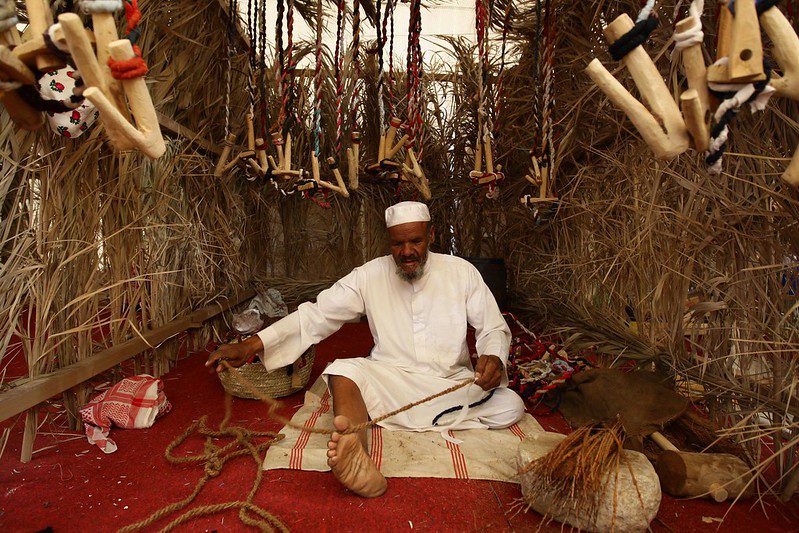 A recent report by Human Rights Watch (HRW) declared that