• Link to X
  • Link to Facebook
  • Link to Instagram
  • Link to TikTok
  • Link to Youtube
  • About
    • About Us
      • President
      • Board of Directors
      • Board of Advisors
      • Financials
      • Our Methodology
      • Success Tracker
      • Contact
  • Act Now
    • 30 Ways to Help
      • Email Congress
      • Call Congress
      • Volunteer
      • Courses & Certificates
      • Be a Donor
    • Internships
      • In-Office Internships
      • Remote Internships
    • Legislation
      • Politics 101
  • The Blog
  • The Podcast
  • Magazine
  • Donate
  • Click to open the search input field Click to open the search input field Search
  • Menu Menu

Archive for category: Global Poverty

Key articles and information on global poverty.

Child Poverty, Global Poverty

Child Poverty in Gabon

Child Poverty in Gabon 
The Gabonese Republic, a nation in central Africa bordering the Republic of the Congo to the east and south, Cameroon and Equatorial Guinea to the north and the Atlantic Ocean to the west, originated in 1960 following independence from France. Following the successful decolonization movement, a constitutional and political order with a dominant presidency and close ties to France was established. Unfortunately, child poverty in Gabon is an issue that requires significant attention but some are making a difference.

The Situation

President El Hadj Omar Bongo Ondimba of the Gabonese Democratic Party, the new republic’s second head of state, abolished all other political parties. Using revenue from substantial natural reserves from forestry, oil and other extraction-based industries, Gabon invested in social services, such as comprehensive education, while encouraging the rural population to seek better-paying jobs based in urban centers. 

Substantial aid from other nations such as France and multinational institutions, such as the United Nations, have provided additional benefits. Following political turmoil and economic stagnation through the 1980s, President Bongo reintroduced multiparty democracy and deregulated the private sector economy, encouraging business investment. 

Gabon has since developed a reputation for stability and relative security in comparison with its central African neighbors. Additionally, Gabon is distinguished from its regional peers by its population, which is about 90% urban, and possesses one of the highest per capita incomes in central Africa. This wealth and high economic growth following independence has also permitted the country of $2.3 million to invest in economic development and establish social services, such as comprehensive education and other social services. 

As a result, Gabon experiences comparatively lower rates of poverty, illiteracy and food insecurity than most of its central and sub-Saharan peers. However, domestic government aid has been criticized globally for being inefficient, with economic incentives and development programs often benefiting those already secure and receiving upper and middle incomes more than concentrated demographics in need of direct help, such as impoverished children. Here is information about child poverty in Gabon and the efforts to eliminate it.

Poverty Among Vulnerable Groups

Despite these advantages and policies, Gabon continues to suffer from high concentrations of poverty and insecurity amongst vulnerable parts of the population, such as the elderly, those in rural areas and children. Children, who account for a substantial proportion of Gabon’s population, also face disadvantages due to mixed social services and basic infrastructure and uneven educational and early job opportunities, especially in rural areas. While the total national poverty rate is 38.5%, more than 40% of children face deprivation in health and sanitation, with nearly 50% facing such shortfalls in rural areas. Similarly, though unemployment amongst the broad population is 20%, youth unemployment remains elevated at 38%.

Learning Poverty in Gabon

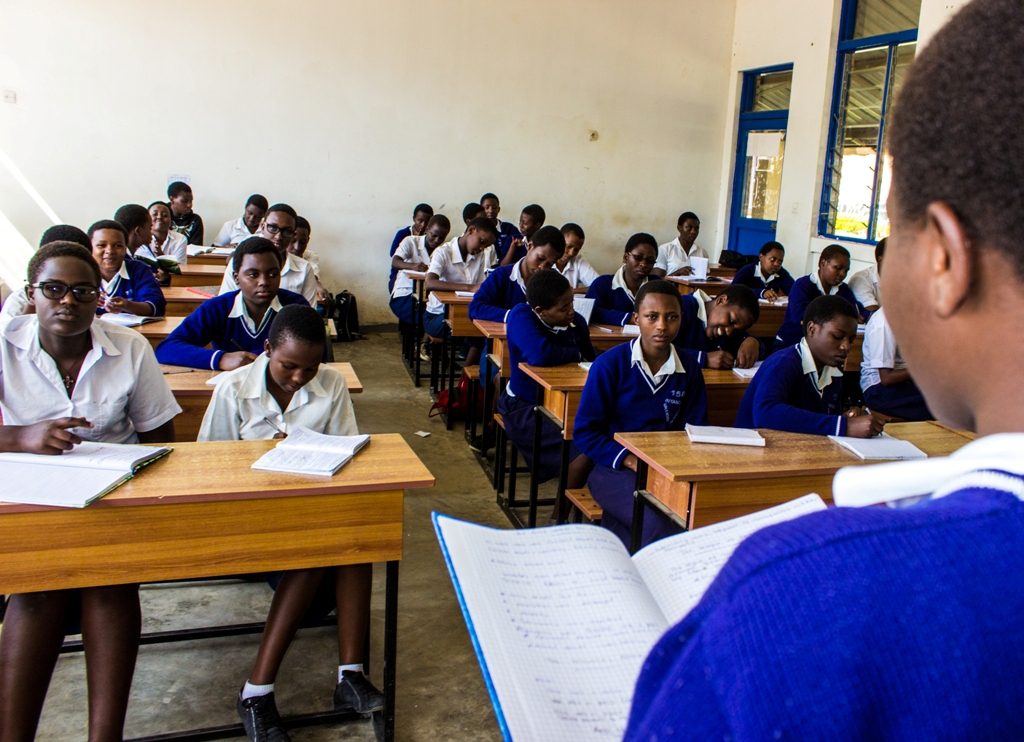
Issues more relevant to younger children are also prevalent, such as in education, which reflects the nuanced situation for children in Gabon. Primary and secondary education is mandatory from the ages 6 to 16, and Gabon has invested more resources than average for sub-Saharan Africa on a per-student basis.

Additionally, learning poverty, defined as an inability to comprehend grade-level text by the age of 10 years, is 49.9% below average for regional peers. Despite these longstanding advantages in basic educational services, with only 9% of children not enrolled in school, persistent challenges exist in attempts to improve both the quality of services and reduce the substantial quantity of children not getting an adequate array of curricular services. 

Proficiency remains an ongoing challenge, with substantial minorities evaluated by international observers as below proficient; 31% do not achieve the Minimum Proficiency Standard, a national test sponsored by the United Nations Institute for Statistics to measure academic skills among school children. 

Overcrowding and a shortage of experienced teachers are especially prevalent in rural areas and “poor” educational quality compounds them.

Food Security and Water Access

Food security and access to water, examples of the essential services Gabon has been able to provide to its residents, also face issues related to quality which may hamper further progress. The imposition of a national water price, though effective in guaranteeing affordability for most households, remains prohibitive for those in poverty, especially families in rural areas. 

Further, rural families often lack direct access to water and depend upon neighbors, who often demand premiums over the government price, negating the impact. This structural obstacle towards greater water access also challenges efforts to improve access to superior so-called hygienic facilities, with 47% of households without running water septic systems and latrines. As a result, 40% of children lack basic hygienic provisions, with those in rural areas getting fewer resources on average. 

Historical improvements and more recent stagnation have also defined progress in addressing food insecurity among children in Gabon. According to the Global Hunger Index, Gabon has experienced gradual declines in chronic undernourishment of children, with the proportion of stunted children declining to under 20%. However, undernourishment remains a growing issue, with the UNICEF statistics showing that 35% of children in Gabon are nutritionally deprived, a reflection of ongoing problems in concentrating aid and resources towards those already disadvantaged, especially families, in rural areas. 

In sum, the Gabonese Republic has, through the encouragement of international aid and continuous social investments, successfully outperformed most other central African peers in countering poverty, including child poverty in Gabon. These investments, such as in widespread education and in key industries, have proved constructive in reducing poverty and countering social ills. However, the most vulnerable demographics, such as the poorest and children, have not reaped the full benefits of these programs and investments, acting as an example of the benefits of incentivizing aid while highlighting the intractability of complex issues such as child poverty in developing nations.

– Cormac Sullivan
Photo: Wikipedia Commons

October 2, 2023
https://borgenproject.org/wp-content/uploads/borgen-project-logo.svg 0 0 Yuki https://borgenproject.org/wp-content/uploads/borgen-project-logo.svg Yuki2023-10-02 07:30:132023-09-28 06:58:00Child Poverty in Gabon
Global Poverty

Peter Njeri Wins Award for His Engineering Projects in Kenya

Peter Njeri
Visionary engineer and company co-founder Peter Njeri has won the 2023 Waislitz Global Citizen Grand Award for his work on a method that reduces indoor pollution by turning plastic waste into clean energy. Today, more than 10,050 Kenyan families use his equipment to reduce deaths due to indoor pollution.

Indoor Pollution in Kenya 

According to data from the World Health Organization (WHO), about 3.2 million people die from indoor pollution every year. Women and children are affected the most since they carry the burden of household chores. In conservative estimates, about 23,000 of the 3.2 million deaths are low-income women living in Kenya. Health complications from indoor pollution are caused by the unsafe burning of biomass fuels such as charcoal, kerosene, firewood and dung. The use of indoor fires has been linked to many respiratory diseases. It has been reported in villages from western Kenya that 92% of women and 95.4% of children had coughs of varying intensities during the year 2022. 

Energy poverty is a major factor responsible for these deaths. In northeastern Kenya, 88% of households are classified as acute energy poor. Today, one-third of the global population remains without access to clean cooking energy. 

Peter Njeri, now an engineer and CEO of Mega Gas Alternative Energy, grew up in Soweto, where he observed the effects of energy poverty and indoor pollution first-hand. Many Kenyan mothers, like Njeri’s, have many children to feed. They are therefore exposed to harmful fumes from indoor fires for more than five hours every day. Njeri always noticed that his mother would choke and cough because of the indoor fire. This was a common occurrence in other households and communities as well. Njeri saw many women get sick and die; one of the cooks at his school passed away without a warning. People blamed the cause of death on her proximity to a hot stove, but Njeri knows the truth now. 

Njeri’s Solution

Plastic waste is an overabundant material in Kenya. It litters the streets, playgrounds and countryside. Nairobi generates more than 480 tons of plastic every day, and EU Countries are additionally dumping 37 million items of “junk plastic clothing” on Kenyan land every year. Many people are at risk of coming into contact with plastic that contains biohazardous materials that can cause serious burns. Kenya’s natural ecosystems are destroyed as the plastic waste creeps into lakes and rivers. Both people and animals that live on those lands are threatened by flash floods, as the plastic waste clogs the drains. 

Njeri’s education at the Royal Academy of Engineering provided him with the tools to turn plastic waste into clean gas with no pollutants or emissions, tackling both the indoor pollution and plastic waste problems in Kenya. The plastic is converted to gas by a thermal cracking process. Njeri’s clean gas has a high calorific value, burning for a long period of time. It is therefore a much cheaper alternative to biomass fuels. 

Additionally, Njeri co-founded Mega Gas Alternative Energy, a clean-tech company on a mission to provide clean and affordable cooking energy for low-income families. The company hires Kenyan women, the group that has been affected the most by indoor pollution, to collect plastic waste and resell the clean gas product back to the community. The 6 kg gas canisters that the company sells back to the communities are only $4 per canister. For an even more reduced price, families can pay only $0.2/hr for access to a fully-kitted community kitchen. The company works closely with chiefs and village elders every two weeks to generate informed solutions. This protects the environment as well as the people. The company’s closeness with Kenyan communities has led to its success. 

The Impact 

Because of Njeri’s solutions, 250 tons of plastic waste are recycled each month, there are two community kitchens available for on-demand use, 100 Kenyan women have been employed in stable jobs and 12,164.76 tons of CO2 emissions have been prevented. 

For his innovative work and impact, Peter Njeri has won the 2023 Waislitz Global Citizen Award Grand Prize. These awards have been taking place for nine years now, awarding citizens for their empowering missions to end extreme poverty. The winners of these awards will receive cash prizes and networking support that help them accelerate the scale of their impact. The Waislitz Global Citizen Award will allow Njeri and his company to serve an additional 5,400 families each month. 

Currently, more than 10,050 families are using Njeri’s technology for cooking. His impactful work has not gone unnoticed in the world. His prize will provide him with the means to take his work even further, inspiring others to use their own skills to end global poverty. 

– Sophia Holub
Photo: Flickr

October 2, 2023
https://borgenproject.org/wp-content/uploads/borgen-project-logo.svg 0 0 Yuki https://borgenproject.org/wp-content/uploads/borgen-project-logo.svg Yuki2023-10-02 01:30:562023-09-28 04:17:45Peter Njeri Wins Award for His Engineering Projects in Kenya
Education, Global Poverty

How Venus Williams Is Promoting Educational Rights

Williams is Promoting Educational RightsVenus Ebony Starr Williams, like her sister Serena Williams, is a professional tennis player. Growing up in a poverty-stricken community, Williams struggled to achieve success. As a former No.1 tennis player, Williams has won several grand slams, including two at the U.S. Open and five at Wimbledon. As the first Black woman tennis player to become No. 1 in the modern era, Williams has left a legacy for women globally. Not only has she paved the way for women’s tennis, but Williams is also promoting educational rights for women globally.

Humanitarian Work

According to UNESCO, around 244 million children in Africa between the ages of 6 and 18 are out of school. The Human Rights Watch estimates that more than 49 million women in Sub-Saharan Africa are out of primary and secondary schooling, undermining their opportunities and limiting their rights. Early marriages are a factor in the lack of women’s education in Africa. In Sub-Saharan Africa, 40% of girls below the age of 18 are married, preventing them from receiving a proper education.

In response, Williams is promoting educational rights for women by partnering with CARE, an international humanitarian organization fighting global poverty. The aim of the partnership is to raise awareness and encourage girls’ education in developing regions by supporting programs in Kenya and Malawi. According to UNESCO, 74% of the Malawi population lives in poverty, and education for girls often ends in primary school. Williams is promoting educational rights by contributing $25,000 to assist CARE in launching a vocational training program based in Malawi. The vocational training program has been able to reach out to 50 women in Malawi.

Educational Support in Latin America

According to the Pew Research Center, 33% of Latinos ages 18 to 24 are enrolled in school, compared to an average of 42%. The lack of education that Latinos receive is evident in the socio-economic challenges that they face. Latino families are 1.5 times more likely to live below the poverty line compared to white families.

Alongside supporting the education of African girls, Williams is promoting educational rights for Latinas. She has constantly supported the Eva Longoria Foundation, an organization that helps “Latinas build better futures for themselves and their families through education and entrepreneurship.”

The Eva Longoria Foundation

The Eva Longoria Foundation works by launching programs that are culturally relevant in order to enhance the learning and productivity of Latinas. According to the Eva Longoria Foundation, 17% of U.S. women are Latina, yet only 2% of them are in the STEM (science, technology, engineering and math) workforce. The Eva Longoria Foundation launched the STEM Program, which encourages young Latinas’ love for math and science at a young age through projects like coding and robotics. Through Williams’ support of the organization, the Eva Longoria Foundation has been successful in teaching STEM skills to more than 2,000 young Latina women.

– Yana Gupta 
Photo: Flickr

October 2, 2023
https://borgenproject.org/wp-content/uploads/borgen-project-logo.svg 0 0 Yuki https://borgenproject.org/wp-content/uploads/borgen-project-logo.svg Yuki2023-10-02 01:30:522023-10-07 15:36:34How Venus Williams Is Promoting Educational Rights
Global Poverty

How USAID Programs Aid Smallholder Peruvian Coffee Farmers

Peruvian Coffee Farmers
Located in South America, Peru has a GDP of $242 million as of 2022, according to the World Bank. With more than 200,000 acres of land dedicated to coffee farming, Peru is currently known as the “world’s largest leading exporter of organic coffee,” the U.S. Department of Agriculture says. The United Nations Development Programme (UNDP) notes that Peru exports coffee to more than 50 countries, with coffee making up one-fourth of its “national agriculture income.” Although Peru has boasted high success with this commodity, smallholder coffee farmers continue to struggle as their financial stability is dependent on coffee’s “delicate sustainability.” With challenges of market fluctuations, labor costs, disease, deforestation and changing weather patterns for Peruvian coffee farmers, support is imperative to ensure sustainability and stability.

The Work of USAID

The United States Agency for International Development (USAID) has instituted various programs to promote positive growth in coffee production in Peru. These programs will help coffee cooperatives to increase income, yields and access markets. The following programs by USAID aid smallholder Peruvian coffee farmers by providing funds, technical assistance, training and agricultural aid to increase sustainability and productivity.

Farmer-to-Farmer

The John Ogonowski and Doug Bereuter Farmer-to-Farmer Program recognizes the need to provide technical assistance to coffee farmers around the world. Since its authorization in 1985, this program has extended aid to more than 12,000 organizations and reached more than 100 million people in various countries.

From 2019 to 2023, Farmer-to-Farmer has aimed to provide services to 36 countries, including Peru. These services provide smallholder Peruvian coffee farmers with aid from U.S. volunteers, who have professional experience in farming, marketing and agriculture. These volunteers provide technology and business expertise, training small and medium enterprises on marketing, production, agricultural growth and problem-solving.

As the USAID website states, this program focuses on “promoting sustainable improvements in food security” so Peruvian coffee farmers experience positive economic growth and acquire knowledge to support their businesses. USAID anticipates that this $6.25 million USAID-funded program will train more than 40,000 people over five years.

Coffee Alliance for Excellence (CAFE)

With more than $13 million in funding from USAID, the Coffee Alliance for Excellence (CAFE) aims to multiply the incomes of smallholder Peruvian coffee farmers by increasing productivity and coffee bean quality. The program has also garnered more than $1.7 million in funding from USAID partners.

Coffee Alliance for Excellence (CAFE) is a USAID program that began in 2017 and is projected to run until late 2024. This USAID program partners with popular companies such as Peet’s Coffee and Starbucks Coffee. As a USAID publication states, this program is integral as it deters impoverished smallholder Peruvian coffee farmers from resorting to cultivating narcotics to secure an income.

CAFE aims to increase productivity through the training of farmers on efficient farming techniques, such as “low emission production practices.” CAFE also connects farmers with financial and marketing services to boost the success of their businesses. USAID reports that CAFE has brought about a “201% increase in household income of more than 8,380 families in the Amazon.” Furthermore, CAFE helped Peruvian coffee farmers to sell more than 45,000 metric tons of coffee, totaling more than $100 million, among other outcomes.

Specialty Coffee Community

Implemented in September 2021, this five-year program aims to boost farmer income in Peru by focusing on coffee bean quality during production. This involves “reducing/eliminating inefficiencies” and increasing market access for coffee farmers. Since the COVID-19 pandemic negatively affected jobs and productivity, this program recognizes the need to boost smallholder Peruvian coffee farmers in their trades.

With $5.7 million in program funding, USAID partnered with the Central Café & Cacao del Perú (Central), which connects 10 other Peruvian organizations and more than 2,500 coffee farmers to the cause. This program will involve the training of coffee farmers and various marketing and promotion exercises. By 2026, this program expects to triple the income of more than 3,000 Peruvian coffee farms, bringing coffee sales into a profitable margin.

Geni Fundes Buleje, director of this project, believes that Peru will “position itself as a producer of high-quality coffees in the world” through the work of this project, which aims to create “sustainable, efficient production, consistent quality and market access.”

Looking to the Future

While the COVID-19 pandemic negatively affected the production of coffee and its sustainability, programs by USAID have contributed funding, training and technical and agricultural assistance to smallholder Peruvian coffee farmers.

While coffee-growing regions face deforestation risks, environmental issues and market inconsistencies, these programs continue to boost Peruvian livelihoods by providing access to much-needed services. With the assistance of U.S. experts and private companies, the coffee market can continue to grow and lift coffee farmers and their families out of poverty.

– Kristina Gaffney
Photo: Flickr

October 2, 2023
https://borgenproject.org/wp-content/uploads/borgen-project-logo.svg 0 0 Yuki https://borgenproject.org/wp-content/uploads/borgen-project-logo.svg Yuki2023-10-02 01:30:362023-09-28 04:45:03How USAID Programs Aid Smallholder Peruvian Coffee Farmers
Global Poverty

The Digital Age and Internet Poverty: Lithuania and South Korea

Internet PovertyWhen considering poverty, housing insecurities and resource issues such as lack of food or clean water emerge. However, with the transition into the digital age, a new type of poverty has arisen – internet poverty. Access to the internet has become paramount for social mobility across the world. This article explores how Lithuania and South Korea achieved fast, comprehensive and affordable internet coverage and the lessons internet-lacking countries could take from them.

What Is Internet Poverty?

Similar to other forms of poverty, internet poverty has specific parameters. The World Data Lab defines these parameters as each person having access to 1GB of data per month, with a download speed of at least 10 mbps. This internet expense should constitute up to 10% of an individual’s expenditure. 

Using these parameters, more than 1 billion people live in internet poverty. This figure represents 13% of the global population. Almost half of these people live in Africa, and more than 400 million live in Asia. By percentage, Chad is the most afflicted, with 83.6% of its population stricken by internet poverty. India houses the most number of affected individuals – more than 230 million. 

Internet connection is necessary, given how interconnected the world has become, especially since the COVID-19 pandemic and the subsequent increase in working from home. Firstly, the internet is crucial for social mobility. It allows people to search for jobs, access certain industries and overcome particular obstacles, whether regarding geography or physical disabilities. Secondly, the internet increases people’s knowledge through the literal means of education and access to the news and resources from around the world. Constant network access also improves safety. For example, features allowing people to share their location with friends have been crucial in improving safety for women. Considering the advantages of having internet access, it is no longer a luxury but a necessity. Without it, huge inequalities across the world persist. 

Lithuania and South Korea

Lithuania and South Korea are renowned for their internet coverage, with 90% and 96% of households having access to high-speed internet. Their internet speeds are fast, coverage wide and connections affordable. In this way, they subvert all three parameters of internet poverty. Despite being on different sides of the world, they share similar routes to internet supremacy. 

First, both countries aggressively invested in internet infrastructure. South Korea’s Information Infrastructure program (KII) began in the mid-90s. The program gave millions of dollars worth of government loans to urban and industrial areas and service providers to install copper and fiber optic networks across the country. In 2005, the government expanded this program to provide rural areas with coverage. Lithuania invested similarly, with a particular focus on telecommunications starting in the 2000s. This focus has helped it to stand out as one of the most digitally connected countries, which is especially impressive given that it only gained its independence from the Soviet Union in 1990.

Secondly, both countries worked hard to make their populations tech-savvy. Lithuania’s Internet for All initiative and South Korea’s Internet Dream Village taught their citizens how to use the internet and provided free public spaces for the same cause. The latter program focused mainly on rural residents. Ensuring people are technologically literate is crucial to ensuring everyone benefits from network upgrades and unlocking all the advantages of the internet. For example, South Korea has become a massive hub of online gaming, an industry that made over $16 billion in the country alone in 2022. 

Finally, both countries allowed the internet to flourish in a deregulated market. While aggressive investment was top-down, neither country provided extensive regulation to the internet market. As a result, numerous Internet Service Providers (ISPs) sprouted up with these investments, given that this market has a low barrier to entry. This change did two things. First, it pushed prices down, making connections affordable in both countries. Second, it encouraged innovation. For example, larger ISPs in South Korea switched to faster fiber-optic cables to fend off the competition they were receiving from smaller ISPs.

South Korea and Lithuania share similar paths to becoming internet leaders, and they provide examples of success stories that developing countries could take lessons from.

Looking Ahead

In conclusion, the emergence of internet poverty as a global issue highlights the importance of affordable and widespread internet access in today’s interconnected world. With more than 1 billion people affected by internet poverty, it’s clear that digital inclusion is crucial for social mobility, education and overall well-being. Countries like Lithuania and South Korea serve as success stories, demonstrating the effectiveness of aggressive investment in internet infrastructure, tech literacy programs and fostering a competitive, deregulated market. These lessons can provide valuable guidance for other nations seeking to bridge the digital divide and ensure that the benefits of the internet are accessible to all.

– Ryan Ratnam
Photo: Unsplash

October 2, 2023
https://borgenproject.org/wp-content/uploads/borgen-project-logo.svg 0 0 Yuki https://borgenproject.org/wp-content/uploads/borgen-project-logo.svg Yuki2023-10-02 01:30:242024-05-30 22:32:23The Digital Age and Internet Poverty: Lithuania and South Korea
Charity, Global Poverty

5 Charities Operating in Syria

Charities Operating in Syria
Since 2011, Syria has been engulfed in a civil war which to date has claimed more than 230,000 civilians. The destruction of Syria’s economy and society means that today, 90% of its population lives in poverty. Here are five charities operating in Syria currently working to change this.

5 Charities Operating in Syria

  1.  Syrian Arab Red Crescent: Founded in 1942 and admitted into the International Committee of the Red Cross (ICRC) in 1946, the organization supports the victims of conflict in Syria. In 2022 alone, in collaboration with the ICRC, the organization helped repair vital infrastructure that war destroyed. This included giving 16.5 million people improved access to clean water, and 447,000 better reach to health care services.
  2. Islamic Relief Worldwide: The faith-based organization, Islamic Relief Worldwide, is one of the largest operating in Syria today. Its program includes distributing food aid, supporting social services and assisting refugees who have moved beyond Syria. Since 2012, more than 3 million people have received food packages through Islamic Relief’s Ramadan and Qurbani distributions.
  3. Save the Children: War has left 2.5 million school-aged children out of school, and a further 1.6 million at risk of dropping out. Save the Children are providing temporary learning pathways, to ensure Syrian children receive the quality education needed for them to ultimately re-enter formal education opportunities. It also works with community members to enhance knowledge about child protection and strengthen community-based systems.
  4. Christian Aid: Another faith-based charity, Christian Aid has been operating in the country since 2015. It played a key role in the COVID-19 pandemic, helping to distribute more than 8,000 hygiene kits to camps in the northwest of the country. Alongside this, it has worked with the European Union on a project: “Creating Alternative Futures: educating Syrian adolescents.” This has involved setting up four community centers as safe spaces for young people through education, psychological support and community involvement.
  5. International Rescue Committee (IRC): More than half of all Syrians are displaced from their homes, making Syria the world’s largest displacement crisis. With teams in both Syria and the neighboring countries of Iraq, Jordan and Lebanon, the International Rescue Committee has been able to reach close to 1.2 million people. Its work has included training health workers to manage cholera and COVID-19 outbreaks, as well as creating safe spaces for women and girls who have been victims of trauma and violence.

Looking Ahead

 While the Syrian civil war has had a destructive effect on its population, these charities operating in Syria have been working hard to improve the lives of ordinary Syrians. With current UN estimates suggesting that 13.1 million Syrians are in need of assistance, its work will continue to be vital moving forward. 

– Jack Arrowsmith
Photo: Flickr

October 1, 2023
https://borgenproject.org/wp-content/uploads/borgen-project-logo.svg 0 0 Jennifer Philipp https://borgenproject.org/wp-content/uploads/borgen-project-logo.svg Jennifer Philipp2023-10-01 07:30:242023-09-27 07:47:295 Charities Operating in Syria
Economy, Global Poverty

Turks and Caicos’ Economy: Affecting the Majority

Turks and Caicos' Economy
The Turks and Caicos’ economy is seemingly the jewel of the Caribbean. The islands counted 405,000 tourists in 2021, which is quite low for overall numbers. However, compared to their population the islands ranked 2nd in the world for the number of tourists per resident — a staggering 8.9. With such a profitable industry driving the territory, the outlook for the residents should appear incredibly promising. This is not the case.

About 22% of the population is living under the $1.90 per day global poverty line. Around 60% of households aren’t able to consistently pay for essential items such as food and bills. Unemployment is at just under 10%, with the rural population influencing a large amount of the rate. Here is why it is one of the most sought-after destinations suffering so much from inequality.

An Over-Reliance on Tourism

The success of the tourism industry almost entirely drives Turks and Caicos’ economy. While, for the majority of the territory’s existence, this has been profitable, the COVID-19 pandemic highlighted how structurally dependent the Islands are. 

In 2018, Turks and Caicos gained $787 million from visitors on vacation. Despite having a population of only 45,000, this number was 2% of the revenue for the entirety of the Caribbean. It also made up nearly 70% of Turks and Caicos’ GDP for the year. 

The COVID-19 pandemic completely halted the progress Turks and Caicos made to become one of the most desirable tourist spots in the world. Around 2 million tourists dropped to only 370,000 in just one year. This global event exposed the glaring holes in the economy of the Islands. 

Only $7.8 million worth of exports were transferred in 2021. The main categories for exports are mollusks, crustaceans, polyacetals and processed tobacco — none of which even generated $1 million alone. Imports totaled $286 million; petroleum, vehicles and meat are some of the biggest and most expensive imports. 

Turks and Caicos’ Economy is incredibly fragile and over-reliant on one specific industry and with the incredibly high risk of natural disasters in the region, an over-reliance on a sector that requires perfect weather and facilities is a precarious situation to be in. 

The People Affected

The citizens of the Turks and Caicos Islands, also known as Belongers, have experienced a population boom over the last two decades, partly due to increased migration from neighboring Haiti. Of these migrants, around 50% live in poverty or at high risk of lowering below the line. 

Many of these Haitians live on Providenciales Island, the third largest of the archipelago. The overpopulation of that island has caused a lack of work opportunities and poor living conditions including housing infrastructure and access to health care. 

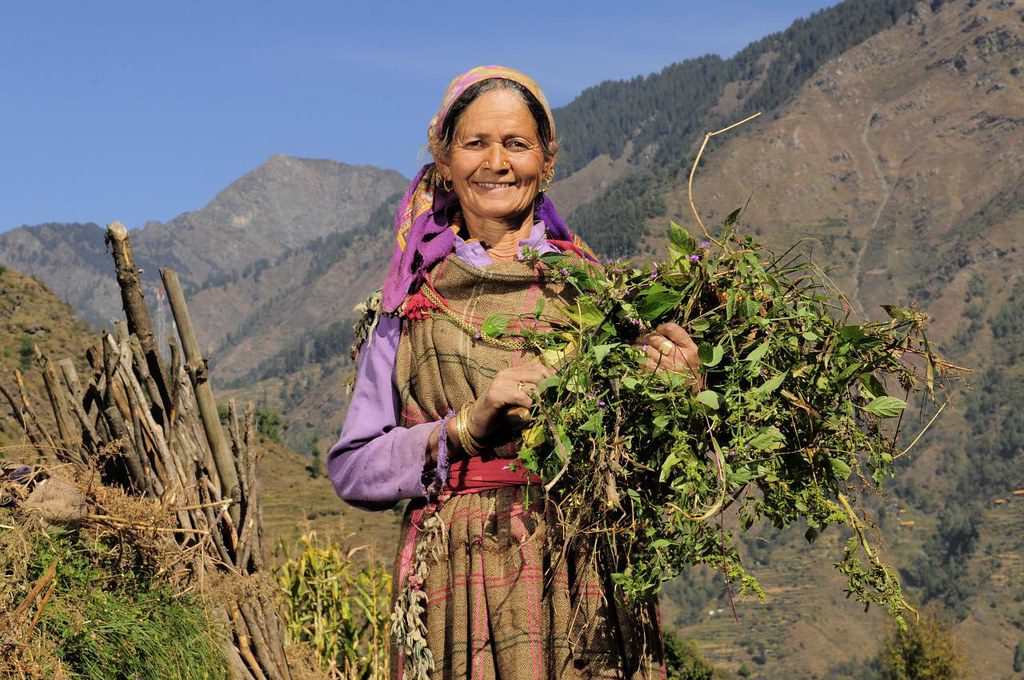
An occupation that usually generates a large percentage of jobs is farming. However, due to the lack of arable land across all of the islands, less than 100 people work in agriculture — only 15 of whom are full-time workers. Due to the low income generated by all of the exported goods, there are not any jobs there either to allow financially vulnerable people to train for. 

As mentioned previously, natural hazards are a serious issue on the islands, and not only for monetary reasons. More than 20% of the population was affected by the hurricane season in 2008, exactly not what people suffering from poverty need. 

Children are one of the most affected groups on the islands, with both Belongers and migrants facing similar issues. Children from all age groups often drop out of school to try and support their families with short-term work to supply some extra money to afford necessities, leading to a lack of basic education and employable skills. 

Solutions

The main attempt to aid the thousands of people living in poverty is the development of new sectors across the islands. Turks and Caicos’ economy may lack diversity now, but there is an opportunity for technology to flourish on the islands. The government has created plans to improve technological infrastructure to draw in business in addition to already appealing low tax rates. 

One main goal is to install a second fiber-optic cable across the territory to increase the capacity of the network and give remote workers a reliable connectivity service to not only invite business but to essentially create luxury resorts that a worker never has to leave, generating even more growth to the tourism industry. 

These plans are in the National Physical Development Plan (NPDP), published in 2020. Other plans from this document include using hydroponic technology to increase farming capacity across North Caicos and utilizing the Blue Economy to produce more effective fishing practices, create even more desirable leisure activities and invest in biotechnology from seaweed. 

Turks and Caicos’ economy is a relatively small and unstable one. However, the population of the territory allows for minor changes to make large impacts. Further development into new, exciting industries will generate foreign investment, with the poorest on the islands only succeeding with greater opportunities and improved living conditions. 

If everything goes as planned and tourism stays a constant driver of GDP, the most vulnerable living on the beautiful archipelago will have the greatest prospect of hope out of almost any island in the world.

– Oliver Rayner
Photo: Flickr

October 1, 2023
https://borgenproject.org/wp-content/uploads/borgen-project-logo.svg 0 0 Yuki https://borgenproject.org/wp-content/uploads/borgen-project-logo.svg Yuki2023-10-01 07:30:092023-09-27 08:10:45Turks and Caicos’ Economy: Affecting the Majority
COVID-19, Global Poverty, Hunger

Hunger in Latin America and the Caribbean Drops To Pre-Pandemic Levels

Hunger in Latin America
The current rate of hunger in Latin America and the Caribbean (LAC) is at 6.5%. This is a significant decrease of 2.4 million people compared to the previous year. The last time hunger levels fell this low was pre-COVID-19. Comparatively, the rate of hunger in these regions is lower than the rates in Africa, Asia and Oceania. 

In addition to lowered hunger levels, undernourishment is slightly down, at 6.5% — lower than 2021’s rate of 7%, but still only level with that of 2020. Lastly, moderate and severe food insecurity also dropped in 2021. Severe food insecurity dropped from 13.9% to 12.6%, while moderate food insecurity dropped from 26.4% to 24.9%.

Progress Despite Hard Times

It is clear that hunger in Latin America has dropped, along with undernourishment and food insecurity, though several factors have slowed progress:

  • COVID-19
  • Ukraine/Russia War
  • Extreme Weather

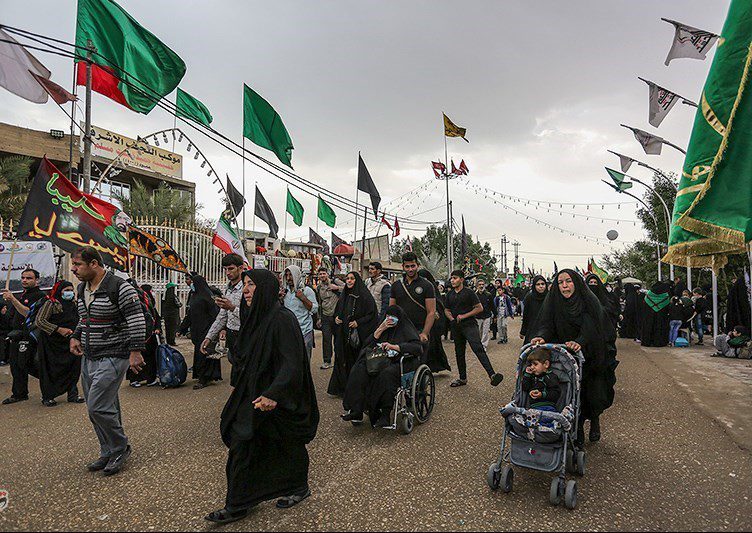
The COVID-19 pandemic particularly hit those with low income, as they did not have adequate resources to protect themselves. The urban areas of LAC are where the pandemic impacted the most vulnerable people.

In LAC, there were reportedly 65.4 million confirmed COVID-19 cases and 1.65 million deaths by March 2022. While LAC holds 8% of the world population, the region represents about 15% of COVID-19 cases and 28% of worldwide reported deaths.

Details About the LAC’s Challenges

In 2019, the GDP growth in Latin America and the Caribbean was at 0.7%, it then dropped to -6.5% in 2020 (during the pandemic) before rising to 6.7% in 2021. GDP growth is essential to financing important infrastructure and helping the region and its people to recover from the pandemic. 

The Russian invasion of Ukraine has had a catastrophic effect on the world, including an increase in the prices of fertilizers By September 2022, the price of fertilizer was triple what the rate was in early 2020. Low-income farmers across LAC had to reduce their plantings to avoid paying extremely high production costs. Once again, low-income farmers in LAC had their total income affected by global prices. 

Finally, extreme weather has destroyed countless infrastructures across Latin America and the Caribbean. In 2022, 78 meteorological, hydrological and climate-related hazards occurred in the LAC region; 86% of these were both storm and flood-related. 

Estimates have indicated that there were reports of $9 billion worth of damages to the Emergency Events Database (EM-DAT), primarily due to droughts (40%) and storms (32%). The actual figures for the impacts of extreme events are likely worse due to a lack of reporting.

Looking Ahead

Hunger in Latin America and the Caribbean has seen a decrease despite many obstructions on the road to improvement. The combination of the pandemic, extreme weather and war has meant that production has not been as high as it could have been. Therefore, these challenges have affected hunger levels, malnutrition, food insecurity and the economy significantly. Despite all this, LAC has still been able to decrease levels of hunger, undernourishment and food insecurity. As the world recovers from the COVID-19 pandemic, perhaps, poverty, hunger, malnutrition and food insecurity will continue to decrease for the people of LAC.

– Lewis Butcher
Photo: Pexels

October 1, 2023
https://borgenproject.org/wp-content/uploads/borgen-project-logo.svg 0 0 Lynsey Alexander https://borgenproject.org/wp-content/uploads/borgen-project-logo.svg Lynsey Alexander2023-10-01 03:55:232024-05-30 22:32:36Hunger in Latin America and the Caribbean Drops To Pre-Pandemic Levels
Global Poverty

Increasing Access To Electricity In Papua New Guinea

Electricity in Papua New GuineaTo help combat the lack of access to Electricity in Papua New Guinea, the U.S. has announced they will be sending $1.2 million to construct a solar mini-grid system in the Central Province of Papua New Guinea which will significantly increase access to electricity for roughly 5,000 people. The aid is a part of a larger mission by the joint governments of Australia, Japan, New Zealand, the U.S. and Papua New Guinea to provide electricity to 70% of households in Papua New Guinea by 2030.

Electricity Problem in Papua New Guinea

Papua New Guinea is among one of the countries with the lowest electrification rates in the world, as approximately 20% of residents had access to electricity in 2021 and even fewer had on-grid electricity. Moreover, the vast majority of those with electricity are concentrated in urban centers, as the geographical landscape makes it difficult to deliver electricity to Papua New Guinea’s rural areas where the majority of its population lives. Additionally, because of Papua New Guinea’s reliance on diesel fuel to provide electricity, even urban places that do have access to electricity often experience undependable results.

The Relationship Between Poverty and Electricity Access

Low electrification levels have a strong correlation to many aspects of multidimensional poverty. According to a study by the Rockefeller Foundation in 2020, 96% of people who lacked electricity access (not including those in Europe and Central Asia) also experienced another aspect of multidimensional poverty. In Papua New Guinea, for example, only 60% of people are above the extreme poverty line and access to medical and education resources remains low. Hence, unsurprisingly, studies have shown that increasing access to electricity also significantly helps reduce the severity of other aspects of multidimensional poverty. Thus, increasing access to electricity in Papua New Guinea is particularly important to reducing poverty.

Solutions

In light of the strong correlation between electricity access and poverty, the U.S. has announced that they will provide $1.2 million to help build a solar mini-grid that will provide approximately 1,000 households and numerous businesses with new access to electricity in Papua New Guinea. The aid is significant in that it will not only help provide a new, clean source of energy to many people who previously did not have it, but also provide small businesses with greater electricity access. The solar grid will greatly increase these businesses’ ability to grow and thereby help grow Papua New Guinea’s economy. Additionally, the introduction of a new form of energy will potentially kickstart a new economic industry in Papua New Guinea, which will provide new jobs to a growing number of people. Hence, this aid will be a huge step in not only increasing access to electricity in Papua New Guinea but also in helping reduce extreme poverty.

Conclusion

There is a strong, inverse relationship between electrification rates and poverty levels across the world, and Papua New Guinea is exemplary — with one of the highest poverty levels and lowest electrification rates in the world. However, efforts by the U.S. government, in conjunction with the Japanese, Australian, New Zealand and Papua New Guinean governments, will work to decrease poverty levels by increasing access to electricity in Papua New Guinea.

– Athan Yanos
Photo: Flickr

October 1, 2023
https://borgenproject.org/wp-content/uploads/borgen-project-logo.svg 0 0 Yuki https://borgenproject.org/wp-content/uploads/borgen-project-logo.svg Yuki2023-10-01 03:03:532023-10-01 05:19:04Increasing Access To Electricity In Papua New Guinea
Global Poverty

Solar Power in Informal Settlements Tackle the Energy Crisis in South Africa

South Africa’s energy crisisSouth Africa faces an energy crisis, especially in off-grid informal settlements, which house some of the poorest people in the country. Ten percent of the South African population, or 4.4 million people, lives in informal settlements, with 2 million of these people living without access to formal grid electricity. These settlements often have poor infrastructures that do not allow for proper electricity connections, and rapid population growth has led to dense and congested living spaces with massive demand for energy. Within these settlements, inhabitants resort to illegal connections to the grid to access electricity or use paraffin or petrol-powered generators that have harmful effects on health. Without clean energy, citizens suffer from health risks when using harmful cooking fuels, and children fall behind in education when they are unable to use electricity to study after dark.

GreenCape

The nonprofit organization GreenCape has partnered with The iShack Project to launch a solar panel project that aims to deliver renewable energy to households in informal settlements. This project has helped install solar systems in 580 households, and inhabitants pay less for solar panels than they used to pay for harmful fuels like paraffin. Not only has GreenCape’s project brought clean energy to communities, but it also has helped combat South Africa’s high unemployment rates. Locals are also trained and employed to help install and maintain these solar structures, creating job opportunities for unemployed members of the community – this project created around 50 new jobs. Their training is ongoing, allowing them to continually develop employable skills and generate income for their families.

Zonke Energy

Zonke Energy is a South African Company that aims to provide safe and renewable energy to informal settlements and markets outside the formal national grid, especially within congested and urbanized environments. It delivers clean energy to informal settlements in Cape Town through a distributed solar system that is powered by a 1.5kW solar photovoltaic generator. Each system provides energy to 10-15 households, powering everyday appliances such as a television, lights and refrigerators from a central power hub, and is provided at a low cost for inhabitants of informal settlements. Zonke Energy has taken strides to solve South Africa’s energy crisis — in one of the informal settlements, it has delivered over 6MWh of clean electricity to 160 households since 2021.

The Umbane Project

The Umbane Project operates in Qando Qando, Cape Town, targeting South Africa’s energy crisis by installing solar microgrids to help power refrigerators. By setting up seven solar towers, with each tower powering up to 16 households, it has supplied over 100 families with clean and safe power. The supply of power for refrigerators in particular has had a positive impact on the local community, as many residents have expressed that the most important use for electricity is refrigeration.

Powering refrigerators allows citizens to store food for themselves and their families, as well as to generate income by selling cooled food and beverages. Part of the project also involves the provision of business support for female entrepreneurs through powering refrigeration, and dozens of people participated in a six-week entrepreneurship training course. As seen in a recent project evaluation, the project has been a success, with multiple participants reporting improvements to their start-ups and increases in their sales and revenue.

Striving Toward Clean Energy in South Africa’s Informal Settlements

With such a high demand for clean, safe and affordable energy, it is crucial to adopt innovative solutions to help improve the lives of local communities and lower-income families. By utilizing solar power, households in South Africa’s informal settlements can slowly but surely gain access to renewable energy at a low cost, and the installation of these solar grids can also create jobs, tackling high unemployment rates at the same time. Taking innovative approaches to bring safe and cost-effective energy to many households is crucial to solving South Africa’s energy crisis.

– Stephanie Chan
Photo: Flickr

October 1, 2023
https://borgenproject.org/wp-content/uploads/borgen-project-logo.svg 0 0 Yuki https://borgenproject.org/wp-content/uploads/borgen-project-logo.svg Yuki2023-10-01 03:01:162026-04-16 10:20:59Solar Power in Informal Settlements Tackle the Energy Crisis in South Africa
Page 427 of 2161«‹425426427428429›»

Get Smarter

  • Global Poverty 101
  • Global Poverty… The Good News
  • Global Poverty & U.S. Jobs
  • Global Poverty and National Security
  • Innovative Solutions to Poverty
  • Global Poverty & Aid FAQ’s
Search Search

Take Action

  • Call Congress
  • Email Congress
  • Donate
  • 30 Ways to Help
  • Volunteer Ops
  • Internships
  • Courses & Certificates
  • The Podcast
Borgen Project

“The Borgen Project is an incredible nonprofit organization that is addressing poverty and hunger and working towards ending them.”

-The Huffington Post

Inside The Borgen Project

  • Contact
  • About
  • Financials
  • President
  • Board of Directors
  • Board of Advisors

International Links

  • UK Email Parliament
  • UK Donate
  • Canada Email Parliament

Get Smarter

  • Global Poverty 101
  • Global Poverty… The Good News
  • Global Poverty & U.S. Jobs
  • Global Poverty and National Security
  • Innovative Solutions to Poverty
  • Global Poverty & Aid FAQ’s

Ways to Help

  • Call Congress
  • Email Congress
  • Donate
  • 30 Ways to Help
  • Volunteer Ops
  • Internships
  • Courses & Certificates
  • The Podcast
Scroll to top Scroll to top Scroll to top