The Lack of Food Security in Zambia
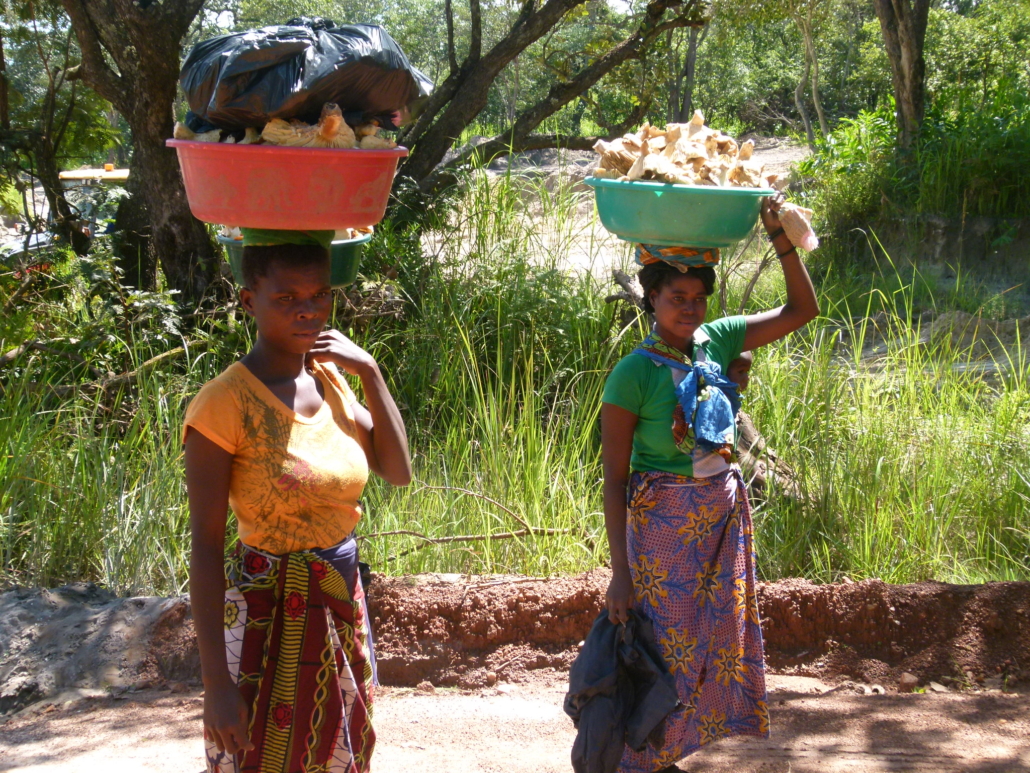
Zambia, situated in Southern Africa, is renowned for its abundant natural beauty and wildlife, showcased in its many national parks. Yet, one critical issue that often receives insufficient attention in Zambia is the ongoing lack of food security that its people confront daily.
Population and Food Poverty
Zambia has a large population of 17.4 million, 48% of whom suffer from an array of illnesses due to malnutrition and under-eating. Because of this, 35% of children have stunted growth, meaning that these children will not grow to their full capabilities and are already being restricted from a young age.
That being said, there has been an improvement in the income of Zambia. In 2011, it was recorded to have received a lower-middle income status. This shows how things may be improving for the country overall, but that does not mean that they have reached a comfortable point, nor does it mean that the entire population is experiencing this improvement. There are still parts of Zambia that are progressing more slowly than others.
The COVID-19 Pandemic and Food Security
The COVID-19 pandemic worsened the lack of food security massively in Zambia. Alongside other factors like climate shocks, Knowledge For Poverty reports the country has experienced “prolonged dry spells, flooding, reduced livelihood opportunities due to restrictions linked to COVID-19, pests and diseases and high input and food prices.”
Although the pandemic had a knock-on effect globally, Zambia — a nation on its way out of poverty — is unfortunately back at square one. The rural areas were responsible for housing 60% of the population, which was affected the most. Furthermore, 54% of the Zambia population has been living on under $1.90 a day, which is significantly lower than the amount needed to live.
Malnutrition and Early Childhood
One of the main issues within Zambia is the effects of malnutrition. In a USAID report, the organization explored the cases of malnutrition among children and concluded: “Nationally, 40% of children under 5 years are stunted. Analysis by age group shows that stunting is highest (54%) in children 18–23 months and lowest (14%) in children under 6 months. Children in rural areas (42%) are more likely to be stunted than those in urban areas (36%).” This shows how severely the lack of food security within Zambia has and continues to affect children and highlights the importance of how people can help.
Feed The Hungry and African Vision of Hope
Feed The Hungry is a charity that works alongside the African Vision of Hope in order to reduce food poverty — particularly among children and young people — in Zambia. Together, these two charities are providing food for more than 5,000 children every day during school time to ensure that they at least have one sufficient meal and can focus on their studies in an attempt to break the poverty cycle.
The work of charities such as these helps reduce the number of people affected by food poverty; however, it does not stop the issue itself. Children are one of the most vulnerable groups in relation to malnutrition, and this highlights the need for more charities and other support systems to direct efforts toward alleviating food poverty.
Zambia’s experience with food security has been up and down for many years, marked by periods of both success and challenges. Recently, it has faced a difficult period due to various factors. These include the impact of the COVID-19 pandemic and significant fluctuations between droughts and floods. While the recovery is gradual, efforts are underway to improve the situation.
– Ella Bushell
Photo: Flickr
