How Supporting Artisanal Work Helps Developing Economies
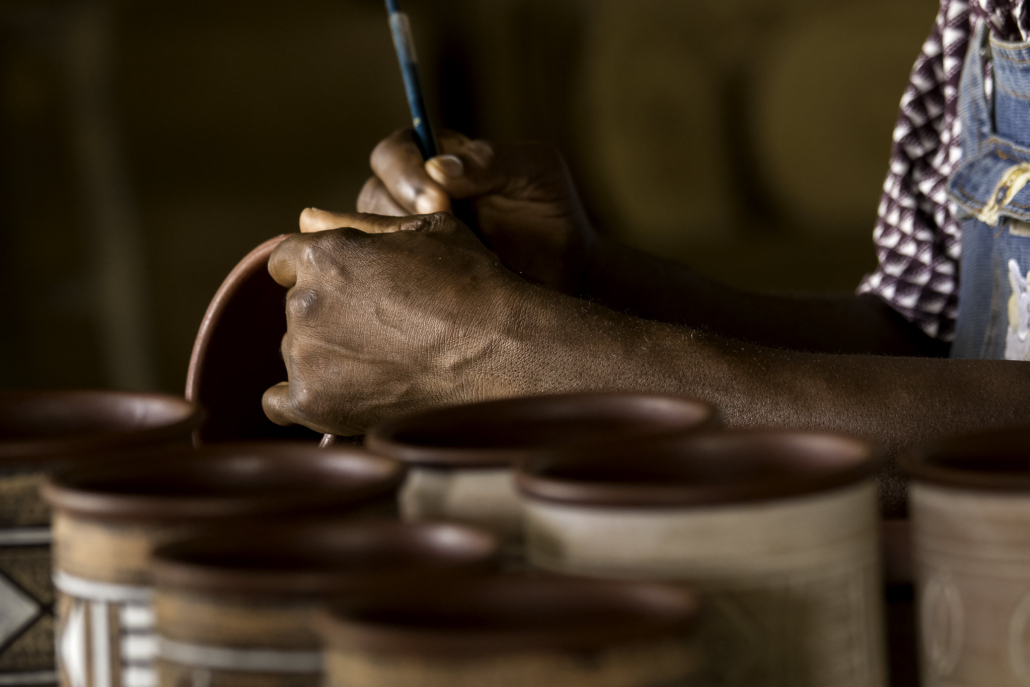
Handcrafting is the second-largest industry in the developing world. With an estimated global market value of $32 billion, artisanal work occupies an essential place in the world market. Yet, handcrafters in developing areas are often undervalued and underpaid. Supporting organizations that improve conditions for crafters helps alleviate global poverty and empower women employed in that sector.
Artisans’ Role in the Global Market
Many consumers do not recognize the importance of artisanal work when it comes to making purchases. For instance, stores like West Elm collaborate with more than 20 artisan groups in 15 countries. IKEA, the home-furnishing company based in Sweden, collaborates with rural artisans worldwide. Still, many artisan communities lack the resources they need to access consumers and earn sufficient income.
If the artisan sector were a country, it would make up the fourth-largest workforce, according to the Inter-American Development Bank. Hundreds of millions of workers string beads, sculpt clay and weave tapestries, among other crafts, each day. The cultural influence of artisanal artwork in everyday products reflects the importance of the handcrafting sector, whether it be in tablecloths, bed linens or placemats sold all over the world.
Women’s empowerment is another important reason to support the artisan sector: As the single largest employer of women, handcrafting provides women in developing countries with greater opportunities. When women are able to achieve greater economic stability and market access, that nation’s gender equality and overall stability increase.
The Need for Improvement
Despite the heavy demand for artisanal products worldwide, many enterprises in developing countries lack access to important financial services like credit. These companies also suffer from unpredictable cash flows and seasonal sales, making profits short-lived and unreliable.
Entrepreneurs often lack opportunities to access the global market through established supply chains that guarantee steady paychecks. Thus, by supporting companies that work to improve sales and conditions for artisan workers, people can help improve developing economies all over the world. Here are some places to shop that include artisanal work:
ClothRoads
ClothRoads specializes in authentic work from indigenous artists. It provides access to the global market for groups like Federation Sahalandy, a traditional silk-weaving company based in Madagascar. Sahalandy trains women to be skilled employees in all aspects of the production process, from raising silkworms to spinning, weaving and completing sales. Seven weaving cooperatives work collaboratively, representing over eighty weavers in the mountain area of Sandrandahy, Madagascar. Female workers comprise the majority of the association, making it an important source of female empowerment in the area.
Ethik
Ethik is an organization that works to connect talented crafters with companies that provide them with access to more buyers. Inspired by the fact that most handcraft producers live in extreme poverty, Ethik focuses on workers in developing communities. According to its 2022 Impact Report, Ethik sold 247,722 handcrafted products last year. It worked with 748 artists from 14 countries, including Palestine, Ghana and Madagascar. Nearly 500 of those workers were women.
Ethik’s report highlights the Young Living Foundation, one of its largest consumers. In 2022, the foundation ordered more than 19,000 candles from Ethik’s Rwandan partner, Beeutiful Creations. That single purchase employed 40 artisans and nearly 4,000 fair-pay work hours.
Indego Africa
Indego Africa is a nonprofit that works to empower artisan women in Rwanda and Ghana. The organization partners with 1,000 African artisans to sell home décor, apparel and accessories. All of those proceeds go back into business and entrepreneur training programs to better equip the artisans with financial stability opportunities. By bringing handcrafted products into the international market, Indego Africa provides artisans with consistent and sufficient income.
Empowering artisans is essential for promoting gender equality and poverty alleviation in developing nations. By directing one’s purchases to companies that specialize in authentic handcrafts by artisans through these organizations, individuals, as consumers, can make a positive change.
– Lindsey Osit
Photo: Flickr
