• Link to X
  • Link to Facebook
  • Link to Instagram
  • Link to TikTok
  • Link to Youtube
  • About
    • About Us
      • President
      • Board of Directors
      • Board of Advisors
      • Financials
      • Our Methodology
      • Success Tracker
      • Contact
  • Act Now
    • 30 Ways to Help
      • Email Congress
      • Call Congress
      • Volunteer
      • Courses & Certificates
      • Be a Donor
    • Internships
      • In-Office Internships
      • Remote Internships
    • Legislation
      • Politics 101
  • The Blog
  • The Podcast
  • Magazine
  • Donate
  • Click to open the search input field Click to open the search input field Search
  • Menu Menu

Archive for category: Global Poverty

Key articles and information on global poverty.

Global Poverty, Women's Empowerment

Fiji Fisheries Contribute To Addressing Gender Inequality in Fiji

Gender Inequality in FijiIt may be surprising that Fiji is using the fishing industry in order to deal with gender inequality, but it is proving extremely effective. Fiji is a prime example where a country has taken one of the Sustainable Development Goals (SDG), within this case SDG 5 – Gender Equality, and put it within the context of their island’s most important employment sector – fishing.

Poverty in Fiji

According to the Asian Development Bank (ADB), in 2019, around 24.1% of the population in Fiji was living below the poverty line and this greatly impacts women and highlights the importance of promoting gender equality within the fishing sector, not only to further gender equality in Fiji but to reduce the number of people living in poverty. According to the World Bank, in 2016, women spent 15.2% of their time doing unpaid work, compared to 5.2% for men, showing a clear employment disparity.

The Issue

Women play a key part in Fiji’s fishing industry, yet still face disadvantages in comparison to their male counterparts. Already women play a large part in small-scale fisheries within Fiji, but many often regard their work as an extension of their housework due to their involvement predominantly being post-harvest as well as being within the clerical realm. This continues their financial reliance on men due to these jobs being low paying, even sometimes non-paying, and suppresses women from taking roles in the management and decision-making area of fisheries.

According to the World Bank, in Fiji, women spend almost three times as much time on unpaid domestic and care work than men, showing the disproportionate impact on women and the barriers and challenges women face to escape poverty. This is where Women in Fisheries Network-Fiji steps in.

Women in Fisheries Network – Fiji (WiFN-Fiji)

Women in Fisheries Network-Fiji (WiFN- Fiji) was founded in 1993 and aims to inform women about all aspects of sustainable fisheries. To educate women on the gender inequality within the fishing sector, to educate women on the importance of financial independence, as well as to encourage women to participate in the decision-making and management side of the fisheries. Its dominant aim is to enable women to have the knowledge and tools to take part in and promote female employment within the fishing industry.

WiFN-Fiji has run two workshops in recent years that focused on gender inequality in local regions, emphasizing the importance of recognizing this inequality within Fijian society and educating participants on this inequality. It has also worked collaboratively with Westpac Bank to create programs that help women deal with their finances independently of men.

WiFN-Fiji receives funding from governments, NGOs as well as charities, all to further their cause. By providing training and education at a local level, WiFN-Fiji aims to improve women’s opportunities and more than 80% of participants in these workshops in Tailevu and Ba rated them as effective, showing the impact these workshops are having.

The WiFN-Fiji demonstrates how the fishing industry in Fiji can reduce gender inequality, lead to societal re-education and change and enable women to escape poverty.

– Cordelia Moore
Photo: Flickr

February 27, 2024
https://borgenproject.org/wp-content/uploads/borgen-project-logo.svg 0 0 Kim Thelwell https://borgenproject.org/wp-content/uploads/borgen-project-logo.svg Kim Thelwell2024-02-27 03:00:322024-06-11 00:12:43Fiji Fisheries Contribute To Addressing Gender Inequality in Fiji
Charity, Global Poverty

A Seattle Band’s Mission To Help Alleviate Poverty in India

Poverty in IndiaIn a blend of compassion and music, there exists a band whose goal is to give back to their motherland. AllGoRhythms, a Bollywood music performing band, has found a way to combine talent with this goal. Originally from India, the band wants to help alleviate poverty in India and eradicate this growing problem in their homeland. By collaborating with a local charity, they have done exactly that. Here’s how.

Who Are They?

AllGoRhythms consists of about 13 talented musicians, all from India. They have seven lead singers, two guitarists, one pianist and three percussionists. Most came to the U.S. for employment opportunities and settled down in Seattle. Band manager and singer Sangeeta Nair spoke with The Borgen Project, saying, “It [AllGoRhythms] is our home away from home. Leaving behind our culture, way of life and traditions was so unimaginably hard for all of us. But this band gave us a space to celebrate our roots even being across the world from home.” The band was founded in 1999 by Amol Kelkar and Sumedh Barde. The founders met at their place of employment and started discussing their shared love for music. This sparked their idea to start a band. The band has been growing its audience and performing for over 20 years.

What Cause Are They Helping?

AllGoRhythms aims to help alleviate poverty in India. India grapples with the persistent issue of poverty, which impacts a significant portion of its population. Rural areas need help with agricultural issues such as land availability and climate problems. On the other hand, urban areas struggle with issues accompanying many migrants, such as job availability and low wages. India uses 10 indicators to measure multidimensional poverty, including nutrition, youth mortality, drinking water, electricity, housing, sanitation, access to cooking fuels, school attendance, years of schooling and ownership of assets. According to the National Multidimensional Poverty Index, 14.96% of India’s population is multidimensionally poor. Considering India accounts for almost a fifth of the global population, this is a significant number.

Several factors contribute to this issue. However, the major factor is overpopulation. The country’s rapidly growing population puts pressure on resources and the job market. With its current population estimated to be around 1.4 billion, unemployment and low job security have deeply contributed to the nation’s poverty level. Another contributing factor is the inadequate education system. As of 2022, there were more than 281 million illiterate people in India. This lack of sufficient education leaves many without the skills to find jobs and be able to provide for themselves. A third factor is income inequality. Primarily due to caste-based discrimination, a majority of India’s wealth is held by a tiny percentage of the population. Oxfam, an international organization dedicated to alleviating poverty, published a report in 2017 with findings showing that the top 10% of India’s population controls nearly 80% of its wealth.

What Are They Doing?

To help alleviate poverty in India, AllGoRhythms performs at various venues across Washington several times a year. During these shows, the band covers popular Bollywood songs. In addition to this, they have a separate team of writers and actors who perform a skit. While the skit is being performed, the band plays music, making themselves the center of focus. The fusion of theatre and music captivates large audiences.

Profit is made from tickets to these shows, food bought at the shows and extra donations. During each show, the band plays an educational video about poverty in India and how they plan to help, encouraging the audience to pledge additional contributions. In addition to their shows, AllGoRhythms also plays at private events such as birthday parties, weddings, etc., to increase their revenue. The initiative collaborates with two charities, Asha and CRY (Child Rights and You) and donates their proceeds to both charities.

Final Remark

AllGoRhythms is an admirable example of seemingly ordinary individuals utilizing their talent to make a positive difference. Individuals play a pivotal role in addressing the multifaceted challenges faced by impoverished communities. By actively making efforts that promote the improvement of education, health care and economic opportunities, AllGoRhythms is contributing to breaking the cycle of poverty.

– Trisha Borde
Photo: Flickr

February 27, 2024
https://borgenproject.org/wp-content/uploads/borgen-project-logo.svg 0 0 Lynsey 2 https://borgenproject.org/wp-content/uploads/borgen-project-logo.svg Lynsey 22024-02-27 01:30:252024-02-26 23:10:41A Seattle Band’s Mission To Help Alleviate Poverty in India
Charity, Global Poverty

3 Charities Fighting Poverty in Sri Lanka’s Northern Province

Sri Lanka's Northern ProvinceSri Lanka’s Northern Province is still reeling from more than 25 years of conflict. The country’s civil war left towns and villages decimated and families torn apart. Nearly 15 years since the end of the war, local charities and Non-governmental Organizations (NGOs) are still working to rebuild the futures of the primarily Tamil populations. Here are three examples:

The Halo Trust

It is estimated that 1.6 million landmines were left in the ground throughout the civil war in Sri Lanka, causing a threat to life and mass displacement of people. Since 2002, The Halo Trust has been working to safely destroy these landmines and educate affected communities on how to avoid harm.

Halo claims to have cleared more than 270,000 landmines in their time in Sri Lanka. These numbers suggest that for every mine cleared, a displaced person has been able to return to their home. The broader impact of such work has been its contribution to rebuilding livelihoods in some areas worst affected by the civil war. More than 1,300 local Sri Lankans have worked for the trust, gaining employment, learning vital skills and ultimately reclaiming their birthland.

Save a Life

The Jaffna-based charity Save a Life has a simple approach to alleviating poverty; “we believe in actions over words.” This is evident in their vast work for communities since 2014. Starting as a charity to raise awareness about the importance of blood donation, they have since branched out into educating young people about plastic pollution, conducting data collections on differently-abled people and leading a mangrove restoration campaign.

While their core mission is centered around youth development, health and the environment, what distinguishes their organization is an ambition to have a positive social impact in any way possible. For example, their team is made mainly of young and passionate female university graduates, reflecting their promotion of gender equality. Save a Life has run 150 campaigns over the last 10 years involving hundreds of volunteers.

Vallavan Sports Academy

Vallavan Sports Academy aims to provide sporting facilities and coaching to disadvantaged young people in Sri Lanka’s Northern Province Jaffna district. Run by a local Sri Lanka philanthropist, the charity currently provides a swimming pool and a center for indoor games such as Pool and Carrom, a popular Asian board game. On visiting the academy, you will find many budding young athletes enjoying their evenings after school at the pool. The sports center has a collection of trophies won by the youngsters trained by Mr Vallavan himself.

In a town where many young people are tempted out of school before 16 to earn for their families, sports and leisure are hardly commonplace and certainly not accessible to all. Vallavan not only provides facilities and training accessible to young people not otherwise able to afford them but also provides a safe place to experience fulfillment and belonging.

– Alex Finch
Photo: Unsplash

February 27, 2024
https://borgenproject.org/wp-content/uploads/borgen-project-logo.svg 0 0 Lynsey 2 https://borgenproject.org/wp-content/uploads/borgen-project-logo.svg Lynsey 22024-02-27 01:30:212024-02-26 23:33:383 Charities Fighting Poverty in Sri Lanka’s Northern Province
Global Poverty

El Sistema: How One Music Program is Fighting Poverty Globally

El Sistema: How One Music Program is Fighting Poverty GloballyThe International Journal of Applied Psychoanalytic Studies described El Sistema as, “free classical music education that promotes human opportunity and development for impoverished children.”

El Sistema, also known as The National System of Youth and Children’s Orchestra and Choir, was established in Venezuela in 1975 by José Antonio Abreu, a Venezuelan educator, musician and activist. The music education program operates within the voluntary sector and is funded publicly. El Sistema’s motto, “Music for Social Change” along with their organization, focuses on providing opportunities to play music for students who otherwise would not have access, with a focus on public health and wellness.

Abreu explained that music has to be recognized as an agent of social development in the highest sense because it transmits the highest values – solidarity, harmony and mutual compassion, crediting it with the ability to unite an entire community. Beyond social change, music can be a powerful force for education and a valuable tool for combatting poverty.

El Sistema Organization Background

El Sistema started in 1975 when 11 young musicians assembled in an underground parking garage in Caracas, Venezuela to make music together. José Antonio Abreu was their guide, local teacher, organist, engineer and politician. At the moment, the organization is a global network of music centers, or “núcleos,” serving more than 400,000 children in almost every Latin American country and more than 70 countries across the globe.

El Sistema operates as a decentralized global entity. Instead of exerting control over numerous Sistema-based programs worldwide, El Sistema Venezuela has made the principles of the organization accessible to all who wish to adopt them. Consequently, the concept of El Sistema has evolved into a form of open-source ideology, accommodating diverse approaches and cultural frameworks that align with various local contexts. This approach fosters a genuinely glocal (global and local) movement.

Youth Orchestra and Choir in Brazil

Núcleo de Orquestras Jovens e Coros da Amazônia (NOJCA), founded in 2012, is an El Sistema-inspired program based in Manaus, Brazil. Situated in the heart of the Amazon rainforest, NOJCA provides music education and performance opportunities to children and youth from underserved communities in the region. Through its innovative curriculum, which integrates traditional Amazonian music with classical repertoire, NOJCA seeks to preserve cultural heritage while empowering young people to aspire to new heights.

NOJCA’s impact extends beyond musical proficiency, fostering environmental stewardship and cultural pride among its participants. By incorporating themes of sustainability and conservation into its programming, the organization inspires young musicians to become advocates for environmental justice and guardians of the Amazonian ecosystem. Through music, NOJCA is not only nurturing the next generation of artists but also cultivating a sense of responsibility and connection to their natural and cultural heritage.

Batuta Foundation in Colombia

One prominent El Sistema program in Latin America is the Fundación Batuta in Colombia. Founded in 1991 by renowned Colombian musician and conductor, Eduardo “Gordito” Rozo. The program operates under the belief that music has the power to transform lives and communities, particularly in regions affected by poverty, violence and social inequality.

Fundación Batuta provides free music education to more than 50,000 students annually, offering instruction in a wide range of instruments, including violin, cello, flute, guitar  and percussion. Via its network of music schools and community centers, the program reaches underserved populations in both urban and rural areas, providing access to high-quality instruction and performance opportunities.

One of the distinguishing features of Fundación Batuta is its emphasis on social inclusion and youth development. Beyond teaching musical skills, the program seeks to instill values of discipline, teamwork and resilience in its students, empowering them to overcome adversity and pursue their dreams. Through ensemble playing and collaborative projects, participants learn the importance of cooperation and mutual respect, breaking down barriers and fostering a sense of belonging within their communities.

The Afghanistan National Institute of Music

Established in 2010 by Dr. Ahmad Sarmast, The Afghanistan National Institute of Music (ANIM) in Kabul, Afghanistan offers free music education to disadvantaged children, including orphans and street-working youth, to promote cultural revival and peacebuilding in a war-torn nation.

Through its comprehensive curriculum, which includes instruction in both Afghan and Western classical music, ANIM empowers students to become agents of change in their communities while preserving Afghanistan’s rich musical heritage. Despite facing numerous challenges, including security threats and limited resources, ANIM has made remarkable strides in transforming the lives of its students.

By way of its innovative approach to music education and community engagement, the program has not only nurtured musical talent but also provided a platform for dialogue, reconciliation and healing in a country ravaged by decades of conflict. ANIM serves as a testament to the power of music to transcend boundaries and inspire hope in the face of adversity.

El Sistema: Domestic Programs

El Sistema USA has played a pivotal role in bringing the transformative power of music education to underserved communities across the United States (U.S.). Through its partnerships with major orchestras such as the Los Angeles Philharmonic, the Philadelphia Orchestra and the New York Philharmonic, El Sistema USA has expanded access to quality music instruction and ensemble playing opportunities for thousands of children and youth.

These collaborations not only provide students with access to world-class musicians and resources but also serve as platforms for cultural exchange and artistic excellence.

“It’s great to work with the kids,” says Julia Johnson, an El Sistema teacher in the Denver, Colorado community. “Seeing them progress and get excited about music and get excited to learn makes an impact for their community,” she went on, “the program addresses how there is a disparity in access to classical music and how making it accessible can change lives.”

Looking Ahead

El Sistema has garnered international acclaim for its transformative impact on individuals and communities. By harnessing the power of music as a tool for social change, the program has helped to break the cycle of poverty and violence in marginalized areas while nurturing musical talent and instilling values of teamwork, discipline and perseverance.

Through its commitment to equity and excellence in music education, El Sistema continues to inspire similar initiatives around the world, demonstrating the universal potential of music to create positive social change. In the words of John Oates, “It’s the music that brings us together.”

– Ava Johnson
Photo: Unsplash

February 26, 2024
https://borgenproject.org/wp-content/uploads/borgen-project-logo.svg 0 0 Precious Sheidu https://borgenproject.org/wp-content/uploads/borgen-project-logo.svg Precious Sheidu2024-02-26 15:00:322024-02-26 12:09:28El Sistema: How One Music Program is Fighting Poverty Globally
Education, Global Poverty

Photography Program Helps Improve Colombian Education

Colombian EducationAs part of the United States Agency for International Development’s (USAID) Juntos Aprendemos (Together We Learn) program, two artists launched Veanvé in Medellín, Colombia, specifically at the Joaquin Vallejo Arbeláez Educational Institution. This initiative aims to teach students photography skills, through which they can channel their thoughts, emotions and creativity into an art form. By doing so, the Veanvé hopes to increase student enrollment and retention in areas affected by migration, which is widespread in Colombia and the basis of the USAID program.

Overview of Colombian Education

In June 2023, the World Bank Group reported a 64% learning deprivation in public schools in Medellín, where Veanvé launched. Medellín also had a learning poverty index of 61 in a 195,126 population. The Learning Poverty Index gauges the percentage of children unable to read proficiently by a certain age, revealing educational challenges and areas for improvement. In 2023, more than 2.5 million Venezuelan migrants fleeing a poverty-stricken country faced multiple obstacles in obtaining education and social services.

These challenges included the absence of necessary legal prerequisites, insufficient understanding of the Colombian education system and inadequate documentation. Since then, the United Nations Children’s Fund (UNICEF) has supported a program called Evaluar para Avanzar that sought to find learning gaps in schools and help teachers identify plans to bridge those gaps. It was successful in reaching more than 150,000 students.

Juntos Aprendemos

Juntos Aprendemos (Together We Learn) program, which began in February 2021 and runs till December 2026, aims to help migrant students ages 3 to 17 get better access to quality education. Since its focus is immigrant children, the program targets migrant areas like Medellin and Bogota.

The initiative partners with organizations such as the Ministry of Education, Secretaries of Education, the Colombian Family Welfare Institute (CFWI) and Civil Society Organizations (CSO) to achieve three main goals: improve educational quality, increase access to education and strengthen community engagement.

Additionally, the program is partnering with education authorities to develop policies that foster migrant and returnee children’s access to the Colombian educational system, among other initiatives. Veanvé is one of many initiatives Juntos Aprendemos undertook to help it reach its main goals and increase migrant student enrollment.

What Is Veanve

Camilo “Rulos” Perez and Juan Diego “Skinny” Laura spearheaded Veanvé in public school Joaquin Vallejo Arbeláez Educational Institution. Their target audience was migrant students escaping difficult circumstances in host countries. Colombia reported the dropout rate for migrant students was twice as high compared to other students.

Laura and Perez believed photography would help integrate migrant students and decrease dropout rates. In the workshop, Rulos and Skinny merge lessons on film photography where students share their thoughts, emotions and experiences through collaborative art. Participants are guided in creating basic cameras and kaleidoscopes using everyday items like cardboard boxes, cans and oranges, eliminating the need for expensive equipment students cannot afford.

USAID’s Juntos Aprendemos provided Veanvé with the necessary funding, training and assistance for the workshops. The migrant students in Medellín looked at this program as an opportunity, proven when 20 people enrolled in Veanvé right when it launched in 2022. According to USAID, students were committing hours after school to participate in this initiative and sometimes walked home because of the lack of buses. Also, students looked to Perez and Laura as guides, sometimes opening up to them on issues in their lives.

Other Programs Improving the Colombian Education System

To increase migrant access to education through curricular flexibility, UNICEF launched Aprendamos Todos a Leer, which translates to Let’s All Learn to Read, in 14 settlements housing migrants such as Arauca and La Guajira. This program expanded the “educational capacity of 51 female community leaders” and benefitted more than “800 children and adolescents.”

– Lucciana Choueiry
Photo: Flickr

February 26, 2024
https://borgenproject.org/wp-content/uploads/borgen-project-logo.svg 0 0 Lynsey 2 https://borgenproject.org/wp-content/uploads/borgen-project-logo.svg Lynsey 22024-02-26 07:30:592024-02-25 23:57:46Photography Program Helps Improve Colombian Education
Global Poverty

Child Labor in India’s Mica Mines

India's Child LaborIn recent years, makeup trends have prominently featured a notable shine, characterized by blinding highlights in 2016 and the essential use of high-shine glosses for achieving Y2K style and the clean girl aesthetic, resulting in a radiant, dewy complexion. Mica, a silicate mineral of which India is the world’s largest producer, is the key ingredient responsible for this luminous effect.

However, the glittering mineral hides a dark secret: the pervasive use of child labor in its mining. Child labor remains a prevalent and concerning issue within the mica mining industry. Despite its association with unethical labor practices, mica’s popularity in cosmetic products will not decline shortly. Moreover, the recent European Union ban on microplastics, effectively outlawing synthetic glitter, is poised to amplify the demand for mica even further in the foreseeable future.

Child Labor in Mica Mines

India produces 60% of all the sheet mica in the world. This mineral is exclusively found in four states within the country: Andhra Pradesh, Jharkhand, Bihar and Rajasthan. Bihar and Jharkhand stand out as the two most economically disadvantaged states in India, holding the dubious distinctions of being the poorest and second poorest, respectively, with staggering poverty rates of 51.91% and 42.16%. This combination of resource richness and economic poverty is one of the main reasons for the prevalence of child labor in India’s mica mines.

In many families residing in these regions, the harsh reality is that financial constraints prevent them from sending their children to school. Consequently, these families rely on the labor of their children to generate income and survive. Children engaged in mica mining earn a meager average daily wage of fifteen rupees, equivalent to $0.06. Children are so heavily used in mica mining because of their ability to navigate the narrow caves and tunnels where mica extraction occurs.

Tackling India’s Child Labor Problem in Mica Mines

The Indian government announced in 2017 that it would legalize mica mining to regulate its production better, take child labor out of the supply chain and crush the so-called mica mafia. Despite this announcement, as of 2020, illegal mica mining had not only not been eradicated but was thriving. The Child Labor Free Mica initiative is the most hopeful development in the fight against child labor in mica mining in India. This initiative works with children, civil society, the local community, as well as the provincial government to eliminate all forms of child labor in mica mining in Jharkhand and Bihar.

This project aims for the complete eradication of child labor in mica production in these states by next year, 2025. This goal is aligned with the national Indian government’s goal of ending child labor in 2025. One of the biggest successes of this initiative has been the creation of child-friendly villages. Child-friendly villages are a grassroots solution that centers and empowers children to defend and protect their rights and creates a community of parents and other actors that build on and support children’s rights.

– Sara del Carmen Navarro Galvan
Photo: Pexels

February 26, 2024
https://borgenproject.org/wp-content/uploads/borgen-project-logo.svg 0 0 Lynsey 2 https://borgenproject.org/wp-content/uploads/borgen-project-logo.svg Lynsey 22024-02-26 07:30:122024-02-25 07:45:30Child Labor in India’s Mica Mines
Global Poverty

Avani’s Pine Needle Power Plants

Avani's Pine Needle Power Plants Boost Jobs and Energy in UttarakhandElectricity comes from various sources such as wind, water and sunlight. Yet, an unconventional source, pine needle, generates power in the sub-central Himalayas through gasification, a process managed by a nonprofit called Avani Bio Energy, part of the larger nonprofit Avani.

Avani, a nonprofit organization, simultaneously focuses on creating jobs and reliable energy. It promotes “community-centric rural development” in the Kumaon region to enable residents to become self-sufficient, given the limited government employment opportunities in the area. Additionally, Avani introduces sustainable practices for energy and resource creation.

The earliest inception of the pine needle power plant project was in 2006 to provide power for Avanis Campus in Tripuradevi but it became its own established energy company, Avani Bio Energy, in 2012. Since then the project has expanded its reach to 9 surrounding communities with each plant supporting around 3,000 people.

The Nonprofits History

Avani began in 1997 as a branch of the Barefoot College in Tilonia. Still, she established itself as a nonprofit in 1999 when founders Bharti and Rajnish Jain moved from Delhi to the Himalayas and saw how the locals in rural areas lacked adequate access to electricity. Since then, Alvani has worked with 60 communities in the Kumaon region on various initiatives that create jobs and reliable energy sources in rural areas, often through “reviving traditional crafts”.

The first of its many initiatives included bringing 3000 solar-powered lights to 25 communities in the region in 1999. A community-run weaving program was also created as part of this plan, to employ villagers and provide them with enough income to pay for the solar panels. The pine needle power plants are another example of Avani’s work to bring sustainable electricity to rural communities and help combat the environmental and financial issues pine needles cause.

Pine Needle Power Plants

In the Kumaon forests, a thick layer of pine needles prevents water from seeping into the soil below, creating dry conditions conducive to wildfires. These fires, fueled by flammable pine needles, devastate biodiversity and farmland. Locals collect these pine needles to fuel gasification plants that generate sustainable electricity for approximately 3,000 people per facility. Additionally, the gasification process produces charcoal, which the community uses as a cleaner alternative to firewood, helping to reduce deforestation and pollution. Overall, this initiative tackles poverty by preventing forest fires that endanger the natural resources and livelihoods of 7,500 farmers, generating jobs and reliable, clean, accessible affordable energy, offering a natural and economical alternative to kerosene and curbing deforestation.

Throughout this project, as well as all of the other ones, maintaining a connection to local cultures is important for Avani. Alvani’s three principles are working for the people, the planet and prosperity. Job initiatives always tie to skills that locals have traditionally practiced, such as weaving, spinning and dyeing fabrics, this way, Avani can develop these communities while incorporating their way of life and their traditional knowledge and keeping both intact.

Recent Accomplishments

Avani Bio Energy actively pursues its mission and recently participated in the United Nations (U.N.) SDG Impact Challenge at the University of Waterloo. This event saw students competing to develop sustainable initiatives, with Waterloo students working together on sustainable solutions. Additionally, Avani Bio Energy earned runner-up status for the St. Andrews Prize for the Environment in 2022, underscoring its commitment to enhancing financial health in communities through ongoing sustainable projects.

– Emily Shapiro
Photo: Unsplash

February 26, 2024
https://borgenproject.org/wp-content/uploads/borgen-project-logo.svg 0 0 Precious Sheidu https://borgenproject.org/wp-content/uploads/borgen-project-logo.svg Precious Sheidu2024-02-26 03:00:382024-02-25 23:50:00Avani’s Pine Needle Power Plants
Global Poverty, Women's Empowerment, Women's Rights

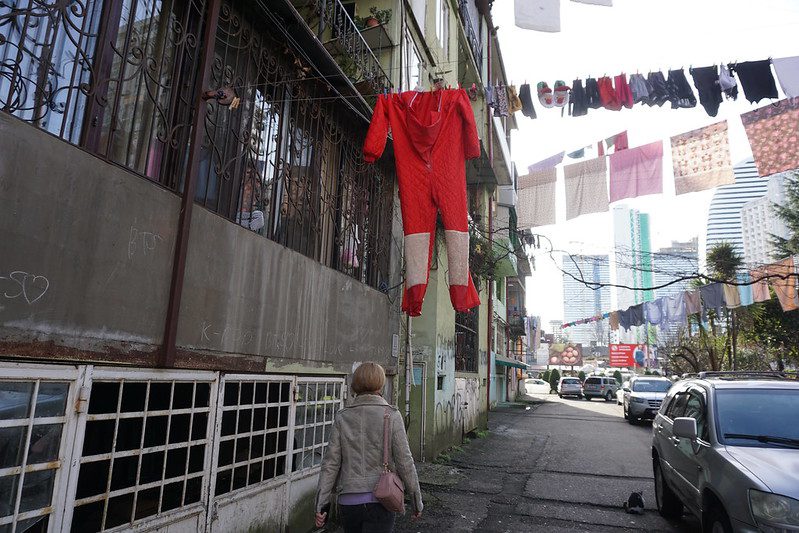
Advancing Women’s Rights in Georgia

Women's Rights in GeorgiaTraditional gender norms and stereotypes in Georgia have led to inequality between men and women. A lack of equality between men and women’s rights has led to issues such as a 21.4% gender wage gap at a monthly level, a lack of women’s representation in political processes and poor education for women. However, there are four main areas where various projects are improving women’s rights in Georgia

Legislative Reforms

There have been numerous legislative reforms the government implemented to help protect women’s rights in Georgia. For example, in September 2022, the Government approved the second National Strategy for the Protect of Human Rights in Georgia for 2022-2030, which includes a whole chapter that focuses on gender equality. One major legal reform is the Istanbul Convention, which the Council of Europe adopted in 2011, stating that violence against women is a human rights violation and a form of discrimination. This was an incredibly important reform due to the high rates of physical and sexual violence against women in Georgia. According to the EU4GenderEquality: Reform Helpdesk, 6% of women in Georgia are victims of physical and/or sexual violence and there is a 14% rate of child marriage, compared to 1% of boys married before the age of 18.

In 2017, the Georgian government ratified the Istanbul Convention, confirming its commitment to combatting violence against women. Legislation reforms are important for protecting women’s rights in Georgia, as certain laws treat violence against women as a punishable offense, therefore encouraging women to report any instances of violence and rape.

Education and Awareness Programs

Another issue affecting women’s rights in Georgia Is the lack of comprehensive education for girls and women. Many girls drop out of school early due to child marriage. According to Girls Not Brides, in 2018, 48% of women between the ages of 20-49 were married before the age of 18 and only 29% completed upper secondary education, 14% completed vocational education and 8% completed higher education.

The ongoing education system reform aims to make education more flexible and modern and it focuses on quality education outcomes. The government developed a funding system to support inclusive education for children of all genders and special education needs. In 2018, the government also developed informational databases to collect data on persons with disabilities, including girls with disabilities in education, to help improve the quality of their education.

Furthermore, in 2019, “GITA launched a program for 3,000 advanced IT specialists in highly demanded professions.” The number of women and girls’ enrollment in the courses “has increased significantly” where “at least 45% of the beneficiaries of the Agency’s ICT courses are women,” according to U.N. Women.

U.N. Women reports that “GITA is also running STEAM boot camps where participants are chosen following strict gender balance, to ensure there are equal amounts of male and female participants enrolled.” Ensuring that women and girls have equal access to education is incredibly important, as it helps them to gain independence to the ability to seek employment later in life.

Women’s Participation in Politics

Efforts to increase women’s representation in political and decision-making processes could help to empower women and encourage more women to participate in leadership roles, leading to equality. Only 11% of women in Georgia are parliamentarians in national and local governments, meaning that there’s still a lot of work necessary. However, electoral reforms in Georgia established compulsory gender quotas to create gender balance in the party list in the elections. Although women’s participation in politics remains low, this is still a huge step towards gender equality.

Economic Empowerment

Economic empowerment is crucial for reducing gender disparities and financial independence.  In 2020, the government introduced the Law of Georgia on Labour Assistance, which aims to support Georgians find employment. Furthermore, it added a provision on equal pay for work of equal value to the Labour Code, meaning that employers must ensure equal pay for men and women for the equal work they perform, according to the EU4GenderEquality: Reform Helpdesk.

In addition to this, the government’s SME Development Strategy of Georgia 2021-2025 aims to promote the development of women’s entrepreneurship in small and medium-sized enterprises (SMEs). The government aims to achieve this through “popularising the Women’s Empowerment Principles (WEPs), improving gender statistics in state programs, promoting women’s participation in state programs, strengthening women’s digital skills and the capacity building of state agencies to enable them to mainstream gender in their programs,” according to the EU4GenderEquality: Reform Helpdesk.

Overall, while there is still a lot of work necessary to help advance women’s rights in Georgia, the country has come a long way in its commitment to providing gender equality.

– Bethany O’Connell
Photo: Flickr

February 26, 2024
https://borgenproject.org/wp-content/uploads/borgen-project-logo.svg 0 0 Naida Jahic https://borgenproject.org/wp-content/uploads/borgen-project-logo.svg Naida Jahic2024-02-26 03:00:372024-02-25 07:52:13Advancing Women’s Rights in Georgia
Global Poverty

Employment in Moldova in Reducing Poverty

Employment in MoldovaAccording to the World Bank, Moldova’s unemployment rate stood at 8.5% in 2000 and decreased to 2.3% in 2023. This significant improvement in employment rates has played a crucial role in reducing poverty in Moldova. Various strategies have been implemented to augment citizens’ employment opportunities and this article aims to outline some of these strategies. It is important to note that experts devised these initiatives based on extensive research and analysis of the current job market.

Employment as an Aid To Reducing Poverty in Moldova

The economic division of the Moldovan government, responsible for monitoring employment, reports that after 1999, the economy began to recover and thrive due to the inflow of remittances, relieving import limitations and encouraging growth. Furthermore, remittances have reduced the government’s reliance on borrowing, providing macroeconomic policy flexibility. By increasing consumption, remittances can directly contribute to reducing poverty in Moldova.

According to the study, families with migrants often experience better financial circumstances than those without and remittances are crucial to the welfare of those left behind. The Moldovan economic division emphasizes that work represents the only long-term sustainable path out of poverty for most impoverished individuals. A continuous reduction in poverty requires economic growth, achieved by creating jobs that raise people’s standard of living.

Agriculture as a Specific Strategic Aim

Davalos and Meyer state that agriculture significantly contributes to the agricultural sector and reduces poverty for the rural populace in Moldova. Moldova’s rural economy heavily depends on agriculture, which makes it poorly integrated into the market economy. It is imperative for the agricultural sector to harmoniously coexist with other industries and assume a more substantial role in shaping the foundation of a free market.

The extent to which agriculture has developed and its ability to provide raw materials to the processing sector and the population’s necessities are linked to social and economic advancement. In Moldova’s rural areas, agriculture has significant potential to reduce poverty, primarily when it works with other interested entities.

Employment as a Catalyst for Economic Mobility

Dávalos and Meyer state that the change from one initial welfare distribution to another is called economic mobility. Depending on whether we are focusing on welfare distributions across generations, such as for a parent and child or the same person or household in two distinct periods, mobility measures can be studied in either the “intra” or “inter”-generational domain.

By tracking purchasing patterns for Moldovan households over time, this study examined intra-generational mobility by examining upward and downward mobility. For instance, poverty vulnerability can be better understood by analyzing economic mobility, which standard net poverty changes cannot give. The study’s use of mobility makes it possible to create poverty transition matrices linked to other pertinent and connected individual or household dynamics, like employment profiles and socioeconomic characteristics, to ascertain the best ways of reducing poverty in Moldova.

The study revealed that while only a few non-poor households faced poverty, a considerable proportion of low-income households could enhance their standard of living and rise above it. Despite being one of the poorest countries in the region, Moldova has demonstrated one of the fastest rates of economic progress in the last decade. Consequently, a more significant portion of society, such as the less fortunate, could benefit from the current sectoral transformation.

Conclusion

Verme’s findings indicate that Moldova has sustained consistent economic growth and a marked decline in poverty rates from 2001 to the present day. During this period, there has been a relative decline in spending on the lowest quintile while overall spending has increased significantly. Furthermore, population coverage has undergone a dramatic expansion.

Verme’s incidence analysis reveals that social benefits have enhanced the likelihood of escaping poverty and mitigated the risk of falling into it. Moldova’s poverty reduction strategy has prioritized employment as a critical driver for change in multiple social sectors. This approach has proven to be a promising step in addressing poverty-related issues and sustaining progress. Moldova’s prioritization of employment is an effective model for other countries seeking to alleviate poverty.

– Jordan Cunningham
Photo: Unsplash

February 26, 2024
https://borgenproject.org/wp-content/uploads/borgen-project-logo.svg 0 0 Lynsey 2 https://borgenproject.org/wp-content/uploads/borgen-project-logo.svg Lynsey 22024-02-26 01:47:042024-03-03 05:31:51Employment in Moldova in Reducing Poverty
Global Poverty, Women's Empowerment

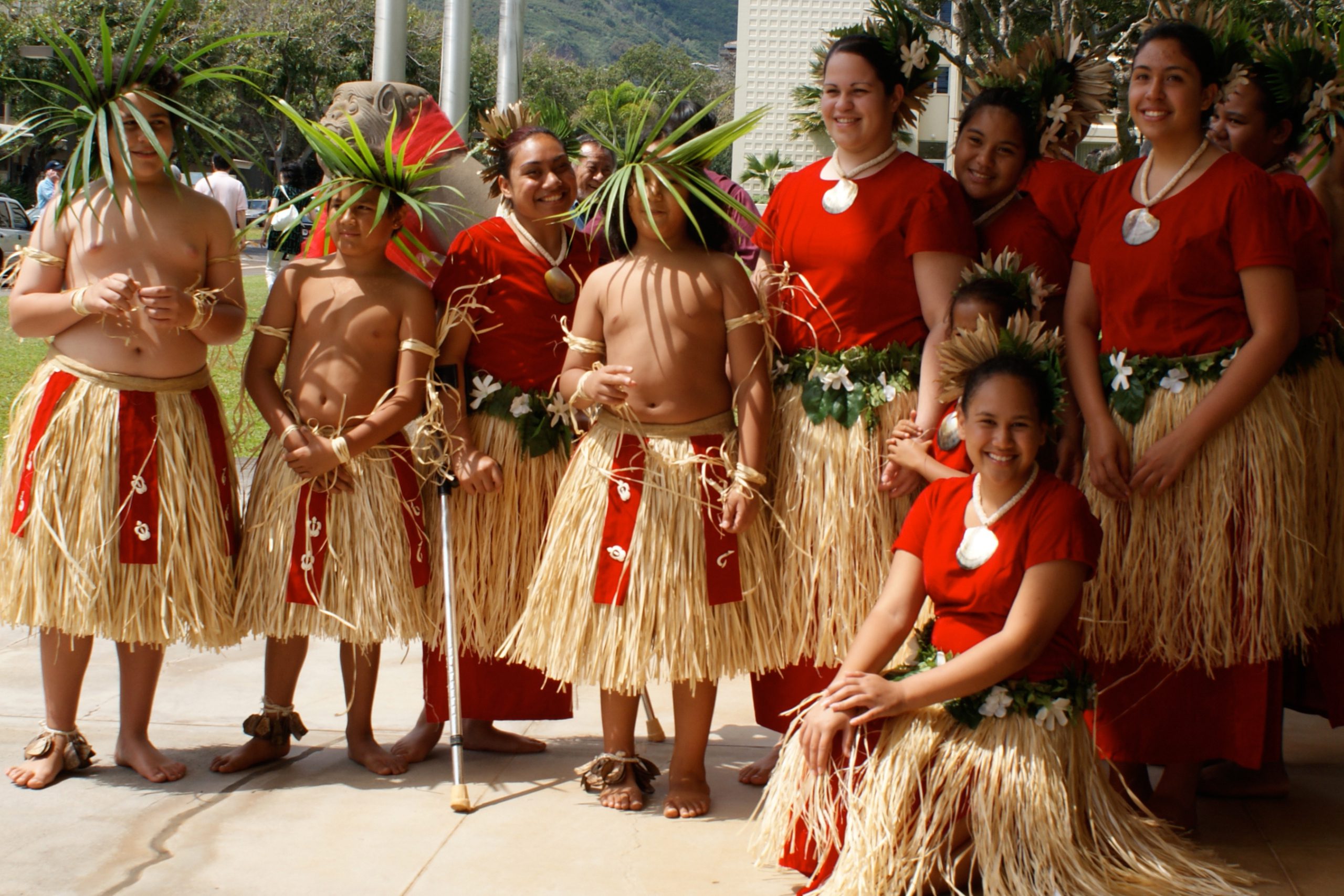
Empowerment Initiatives for Women in Palau

women in PalauPalau, a beautiful archipelago nation in the Pacific, has been facing significant obstacles related to gender equality and women’s empowerment. The population of Palau is around 22,000 as of 2023. The sex ratio in the total population is approximately 1.07 males for every female, indicating a slightly higher number of males compared to females. This distribution translates to approximately 53.9% males and 46.1% females in the total population.

Women in Palau

Domestic violence remains a significant problem, with one in four women experiencing physical or sexual violence by a partner in their lifetime. A lack of institutional support for tackling domestic violence further exacerbates this issue. Additionally, while women still play roles in traditional decision-making, there is still an underrepresentation of women in the political arena. Another concern is the limited childcare provision in Palau, along with a lack of standard regulation for daycare facilities. These challenges highlight areas where further work is necessary to ensure true gender equality in Palau. However, alongside these challenges, women in Palau have achieved significant progress as well.

Women in Political Leadership

A landmark event in 2023, the first-ever “Meeting of Women in Elected Leadership” in Palau, marked a pivotal moment for women’s political representation and gender equality in Palau. With the support from the International Organization for Migration (IOM), this event brought together 33 women members from the Senate, House of Delegates, State Executives and State Legislatures of Palau. The meeting aimed to reflect on the challenges and successes of women in government and to recommend actionable changes to enhance women’s empowerment in decision-making institutions.

Palau’s second female Vice President, Honorable Vice President J. Uduch Sengebau Senior, emphasized the critical role of women’s representation in public office for achieving Palau’s developmental objectives. Despite their presence in various executive and legislative roles, the number of women in these positions remains relatively low, with women holding only 6% of seats as of 2022, indicating an ongoing need for improvement.

Gender Equality in Disaster Risk Management

Palau has also been proactive in incorporating gender perspectives into its disaster risk management. Palau’s National Emergency Management Office (NEMO), Bureau of Ageing, Disability and Gender (BADG) and UNDP conducted a training workshop where participants received training to integrate gender, age, disability and cultural perspectives into disaster risk management policies and practices.

This initiative is part of the broader Enhancing Disaster and Climate Resilience through Improved Disaster Preparedness and Infrastructure (EDCR) project, which aligns with Palau’s national goals, including gender equality and women’s and girls empowerment. The EDCR project aims to strengthen gender-sensitive disaster communication, enhance disaster responders’ readiness and improve community disaster resilience with integrated gender and social inclusion awareness​.

Pacific Women Lead Program

Tkakl Mekreos, the Pacific Community (SPC) Country Focal Officer for Pacific Women Lead, is working closely with the Palauan Government and communities to promote gender equality. He focuses on changing the traditional narrative that confines women to caregiving roles, advocating for women’s participation in decision-making and leadership positions. A significant achievement in this regard is the development of the National Women’s Forum in Palau for International Women’s Day, which has become a well-established platform for discussing women’s issues and empowerment.

The 2021 Pacific Women Lead program, a major five-year commitment to gender equality, also plays a central role in SPC’s work for gender equality in the Pacific. With support from Australia, the program provides technical, convening and funding support to government ministries and civil society partners, driving gender equality efforts in the region. Australian government allocated $170 million for initiatives across 14 Pacific Island countries, indicating a broad and significant impact on women’s lives in these regions. Although a precise number of women directly benefited is not specified, the program’s wide-reaching initiatives and partnerships suggest a substantial impact on women’s lives in the Pacific​​​​.

The progress reflects a growing recognition of the importance of women’s rights and gender equality in Palau across various sectors. The initiatives, ranging from political representation to disaster risk management and regional gender equality programs, demonstrate Palau’s commitment to creating a more inclusive and equitable society. Continued efforts in these areas will be crucial for ensuring that women in Palau not only have equal opportunities but also play a pivotal role in shaping the future of their nation.

– Hosna Hossain
Photo: Flickr

February 26, 2024
https://borgenproject.org/wp-content/uploads/borgen-project-logo.svg 0 0 Naida Jahic https://borgenproject.org/wp-content/uploads/borgen-project-logo.svg Naida Jahic2024-02-26 01:30:492026-04-16 10:12:34Empowerment Initiatives for Women in Palau
Page 341 of 2161«‹339340341342343›»

Get Smarter

  • Global Poverty 101
  • Global Poverty… The Good News
  • Global Poverty & U.S. Jobs
  • Global Poverty and National Security
  • Innovative Solutions to Poverty
  • Global Poverty & Aid FAQ’s
Search Search

Take Action

  • Call Congress
  • Email Congress
  • Donate
  • 30 Ways to Help
  • Volunteer Ops
  • Internships
  • Courses & Certificates
  • The Podcast
Borgen Project

“The Borgen Project is an incredible nonprofit organization that is addressing poverty and hunger and working towards ending them.”

-The Huffington Post

Inside The Borgen Project

  • Contact
  • About
  • Financials
  • President
  • Board of Directors
  • Board of Advisors

International Links

  • UK Email Parliament
  • UK Donate
  • Canada Email Parliament

Get Smarter

  • Global Poverty 101
  • Global Poverty… The Good News
  • Global Poverty & U.S. Jobs
  • Global Poverty and National Security
  • Innovative Solutions to Poverty
  • Global Poverty & Aid FAQ’s

Ways to Help

  • Call Congress
  • Email Congress
  • Donate
  • 30 Ways to Help
  • Volunteer Ops
  • Internships
  • Courses & Certificates
  • The Podcast
Scroll to top Scroll to top Scroll to top