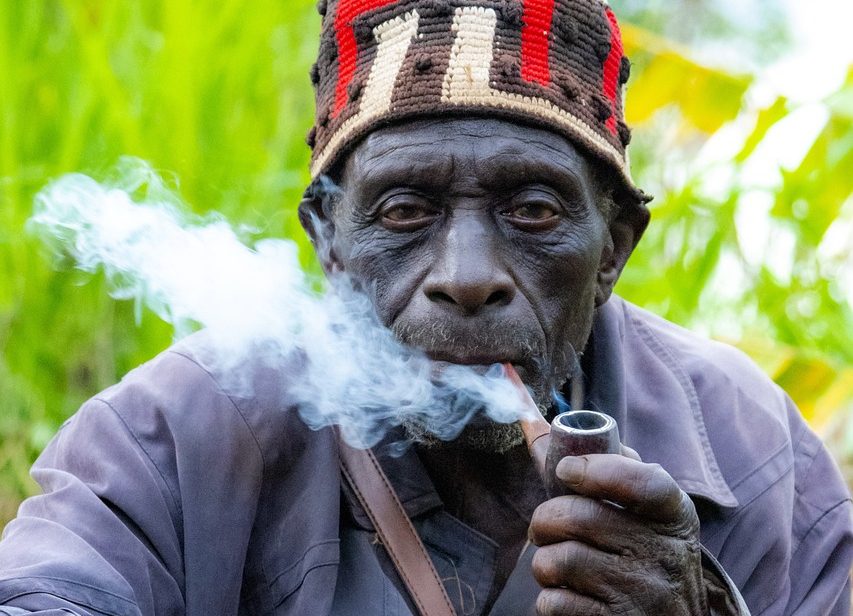
 Chronic obstructive pulmonary disease or COPD, ranks as the third leading cause of death worldwide, trailing only behind heart disease and strokes. The condition impedes breathing by damaging the airways and/or lungs. It may cause chronic coughing, mucus and wheezing and permanently disable the affected individual. In affluent countries, one can easily avoid it by self-care, especially by avoiding smoking.
On the other hand, in developing countries, air pollution and the living environment are much more significant factors. Interestingly, estimates suggest that 50% of COPD cases in Sub-Saharan Africa occur in individuals who have never smoked and it often remains undiagnosed. It is a silent killer of so much of the population simply because they are impoverished.
Chronic Obstructive Pulmonary Disease in Nigeria
The lifestyle of the people in Nigeria likely causes chronic obstructive pulmonary disease in the country. Whether or not people smoke tobacco, most African kitchens suffer from poor ventilation due to biomass smoke. Biomass fuel includes anything from a living thing, mostly wood or animal waste. Fires, often fueled by more biomass or kerosene, are also constant for heating or light. Although women are less likely to smoke than men, they have the same amount of COPD cases because they spend far more time inside the house.
COPD prevalence in Nigeria is attributable to factors beyond solely toxic air. Malnourishment at birth is a high-risk factor, potentially leading to weaker or misshapen lungs. Unborn and newborn infants, sharing environmental exposures with their mothers, may also encounter lung defects. Moreover, in economically disadvantaged African communities, high rates of HIV and tuberculosis persist. These diseases, if causing lung damage, contribute to the risk factors for COPD.
Prevention
COPD remains incurable, with survival strategies centered around removing oneself from potential dangers, such as tobacco use, engaging in regular exercise and maintaining optimal lung health. Ideally, addressing this concealed epidemic involves preventive measures to stop it before it begins.
However, the World Health Organization has implemented multiple steps to protect Africans from chronic obstructive pulmonary disease. The first is the WHO Framework Convention on Tobacco Control, approved by 180 countries, including Nigeria, which aims to help protect people from tobacco smoke. The second is the Global Alliance against Chronic Respiratory Diseases (GARD), a network aimed solely at eliminating respiratory illnesses like COPD and asthma in low- and medium-income countries.
Various other proposals have been suggested to prevent illnesses caused by indoor air pollution. One approach involves the construction of homes equipped with chimneys or flues, allowing smoke to exit the living spaces efficiently. Creating infrastructure to provide homes with electricity or gas for cooking could eliminate the use of biomass fuel and its associated smoke.
Enhancing housing conditions goes beyond improving living standards; it has the potential to not only create better living environments but also to save lives.
– Varsha Pai
Photo: Pixabay


 Globally, cardiovascular disease remains the leading cause of death. Countries with elevated poverty rates are at a higher risk for instances of cardiovascular disease, primarily due to a lack of access to health care. As of 2019,

 The Philippines, a country celebrated for its rich culture and scenic beauty, grapples with various health challenges. The country contends with infectious diseases, a shortage of health care services and illnesses linked to the environment. Recognizing these issues, the government has initiated measures to enhance health care infrastructure and tackle critical public health concerns, aiming to effectively address the health issues affecting the Filipino population.