USAID Fights Infectious Diseases in Nepal
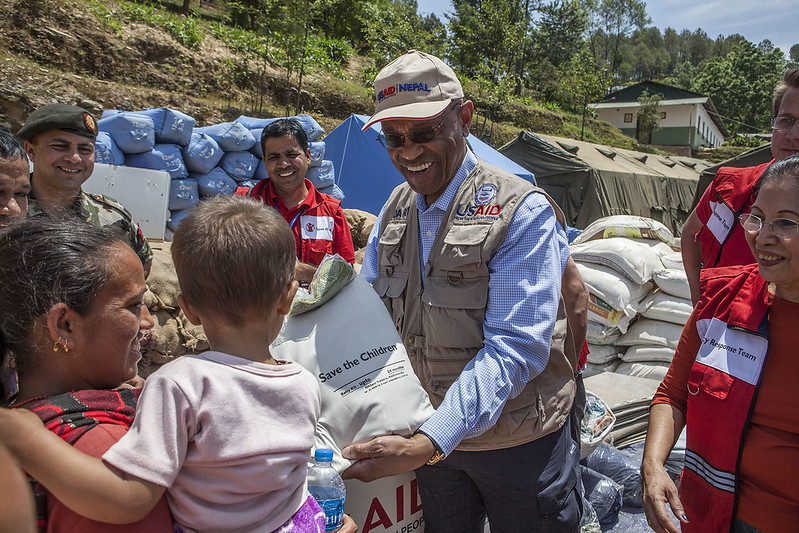 Nepal is the latest country to receive support from the U.S. as part of efforts to improve the health care technical capacities of 50 countries worldwide by 2025. The December 11, 2023, agreement concerns the control of infectious diseases in the Himalayan nation. A transdisciplinary method to achieve this goal has been created. After experiencing the pandemic and infectious diseases exclusive to the region, people in Nepal can approach their health care in 2024 with reassurance due to the new U.S. measure.
Infectious Diseases in Nepal in 2023
COVID-19 has infected more than one million Nepalis as of 2023. And though the rate of cases has steadily subsided since September 2023, the one million figure maintains that COVID-19 has impacted over 30% of the population in Nepal. As September brought about the decline of COVID-19 in Nepal, it witnessed an increase in the rates of dengue – the infectious disease spread by mosquitoes that results in headache, fever, rashes and nausea. The tropical disease, most effective in the summer months, had alarmingly high rates in as early as April 2023. As of October 2023, there had been more than a quarter of a million reported cases of dengue, with close to 1,500 associated deaths.
Facing Diseases
In 2019, Nepal’s health infrastructure found itself unprepared to confront the severity of challenges posed by COVID-19 and other infectious diseases. Recognizing the urgent need for support, the U.K. helped thousands by establishing critical response units between 2019 and 2021. The U.S. also stepped in with a significant contribution during the pandemic years, providing a total of $50.9 million in aid. While helping the battle against COVID-19, the support offered by the U.K. and the U.S. apply only a temporary band-aid to a weak infrastructure for health in Nepal.
Nepalese Health Care System
Beneath the band-aid is Nepal’s continued struggle to adapt to the shift from a centralized health care system to a federalized model. The change, which was initiated in 2015, continues to highlight widespread confusion in Nepalese society regarding health care. Additionally, there are issues of poor coordination and, most importantly, a shortage of skilled health care staff in Nepal.
Nepal has only 0.67 doctors for every 1000 inhabitants, a figure that falls significantly below the standards recommended by the World Health Organization (WHO). The shortage of skilled workers is exacerbated by the fact that access to healthcare for over 35% of households in Nepal requires a journey of more than 30 minutes. Furthermore, the nation grapples with disparities in access to health care based on rural-urban, male-female and racial divisions.
USAID: Nepal
To address Nepal’s inadequate health infrastructure, myriad inequalities and the 15% figure used to symbolize the amount of Nepalis living in poverty, the U.S. has provided nearly $650 million in assistance to the country. This foreign aid has economic benefits for the U.S., as the nation has become a top trade partner with Nepal.
The Global Health Security Program
December 11, 2023, saw a consolidation of the relationship between the U.S. and Nepal, thanks to the collaboration between USAID and the Nepalese government launching a new global health security program. With support from WHO and the Food and Agriculture Organization (FAO), the merger emphasizes the importance of recognizing the interdependence of ecosystems before attempting to tackle zoonotic infectious diseases in Nepal.
The U.S. has pledged close to $7 million over the next three years to boost the health care system in Nepal. This support aims to reduce infectious diseases in the nation and improve emergency response management, enhance biosafety and facilitate upgrades to national laboratory systems both directly and indirectly. The involvement of the U.S. is expected to enhance Nepal’s ability to combat serious pandemic threats and mitigate infectious diseases exclusive to the region. This effort will allow countless Nepalis to approach 2024 with a newfound assurance in their nation’s health care system.
– Joseph Wray
Photo: Flickr
