• Link to X
  • Link to Facebook
  • Link to Instagram
  • Link to TikTok
  • Link to Youtube
  • About
    • About Us
      • President
      • Board of Directors
      • Board of Advisors
      • Financials
      • Our Methodology
      • Success Tracker
      • Contact
  • Act Now
    • 30 Ways to Help
      • Email Congress
      • Call Congress
      • Volunteer
      • Courses & Certificates
      • Be a Donor
    • Internships
      • In-Office Internships
      • Remote Internships
    • Legislation
      • Politics 101
  • The Blog
  • The Podcast
  • Magazine
  • Donate
  • Click to open the search input field Click to open the search input field Search
  • Menu Menu

Archive for category: Disease

Information and news about disease category

Disease, Global Poverty, Health

A Look at Malaria in Ghana

Malaria in GhanaGhana is located in Western Africa and sits on the Gulf of Guinea. It boasts a fairly high gross domestic product (GDP) per capita, at $2,203. Nearby countries, such as its neighbor Togo, sit at $942. Despite the high income, the nation is suffering one of its largest economic crises, marked by rampant inflation.

As a result, poverty is widespread, affecting approximately 24% of its 33.48 million residents. This translates to around 8 million people living below the poverty line. Many of these individuals face significant hardships, including health challenges. Malaria, in particular, has been a persistent and severe issue for Ghana.

What Is Malaria?

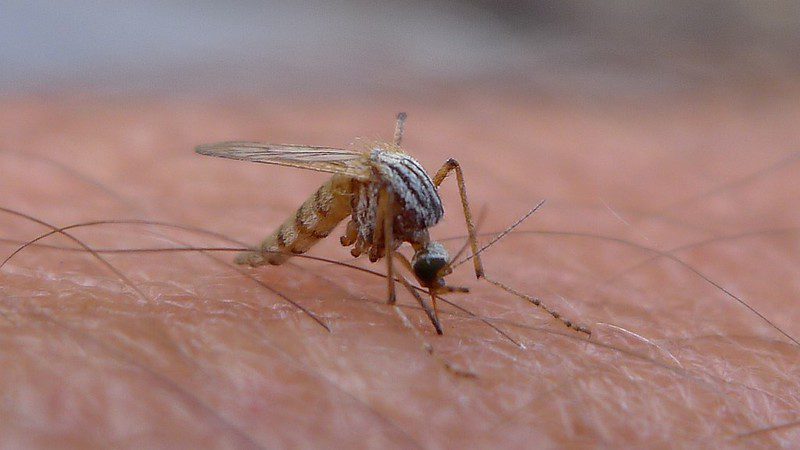
Malaria is a parasitic disease transmitted through the bites of female Anopheles mosquitoes. It is caused by five types of parasites, with Plasmodium falciparum and Plasmodium vivax being the most severe. While malaria is found in various regions globally, it is most prevalent in sub-Saharan Africa, including Ghana.

In 2022, 94% of malaria cases occurred in sub-Saharan Africa. Although malaria is both preventable and curable, it is a serious and rapidly progressing disease that requires prompt treatment. Ensuring those at risk have continuous access to necessary care is crucial for combating this dangerous illness.

How Does Malaria Impact Ghana?

In 2022, Africa experienced a massive malaria outbreak, with approximately 249 million cases and more than 608,000 deaths reported. Ghana alone recorded 5.3 million cases and 11,557 deaths. Although the outbreak has subsided, Ghana’s vulnerable health care system, which receives only 4% of the country’s GDP in funding, remains at risk for future malaria outbreaks.

With little spending on health care, Ghana’s system is weak, making it challenging for many citizens to access efficient care. Coupled with widespread poverty, affording medications is a struggle for many. Although a national health care insurance program exists, about 48% of the population is not enrolled. The combination of a weak health care system and a significant amount of people in poverty means that the country stands at a higher risk of outbreaks and infections.

What Is Being Done?

The World Health Organization (WHO) has collaborated with Ghana to combat malaria, achieving significant progress. Notably, they facilitated the distribution of the world’s first malaria vaccine to 708,970 children nationwide. Furthermore, WHO introduced the National Malaria Strategic Elimination Plan to eradicate malaria in Ghana.

In addition to WHO, other organizations are actively combating malaria in Ghana. The United States Agency for International Development (USAID), in collaboration with the United States (U.S.) Centers for Disease Control and Prevention (CDC), has made significant contributions. They have distributed insecticides nationwide to protect against mosquito bites, provided malaria chemoprevention to more than one million children and delivered approximately 2.8 million doses of preventive medicine.

Final Note on Malaria in Ghana

Ghana continues to face significant challenges, including persistent poverty and various systemic issues. However, the efforts of WHO and USAID have yielded positive results. The country’s health system is gradually improving and receiving increased government funding. While eradicating poverty in Ghana will be a lengthy process, eliminating malaria will undoubtedly enhance the quality of life for many, especially those living in poverty.

– Tyra Brantly

Tyra is based in Los Angeles, CA, USA and focuses on Global Health for The Borgen Project.

Photo: Flickr

August 19, 2024
https://borgenproject.org/wp-content/uploads/borgen-project-logo.svg 0 0 Lynsey 2 https://borgenproject.org/wp-content/uploads/borgen-project-logo.svg Lynsey 22024-08-19 07:30:132024-08-19 04:14:53A Look at Malaria in Ghana
Disease, Global Poverty, Health

A New Hope for Health Care in Guinea

A New Hope for Health Care in Guinea Guinea is a country in West Africa bordered by the Atlantic Ocean. It is home to nature reserves that hold a forested mountain range rich with native plants and animals. However, despite this preserved nature, the people of Guinea lack basic living standards.  About three-quarters of the Guinea population experience extreme poverty. They have a lack of education, health care and hygiene. This lack of adequate health care has made Guinea home to many diseases. These diseases, specifically lower-respiratory infections are the cause of 99.9% of deaths in the country. The prices of health care and the low amounts of health professionals per population are the main causes of the lack of adequate health care. However, significant improvements have been made through initiatives by the USAID to improve the quality of health care.

Disease Prevalence in Guinea

Guinea hosts all kinds of diseases, both communicable and noncommunicable and some endemic diseases. The most prevalent diseases within Guinea are Malaria, HIV/AIDS, Tuberculosis and Neglected Tropical diseases. There are 4.5 million cases of Malaria a year which caused 9,439 deaths in 2021. Tuberculosis and HIV/AIDS affect every 175 in 10,000 people. Though they have treatments and detection systems it is hard for these to operate in Guinea due to the low coverage of Tuberculosis services, human resources shortages and lack of follow-ups among patients. Many Neglected Tropical Diseases such as Leprosy, Rabies, Buruli ulcer, foodborne trematodes and many more are also prevalent within the region. 

Immunization Challenges and Systematic Issues

Another area besides diseases that cause poor health practices for the Guinean people is the lack of immunization. Many children are zero-dose children meaning they have never had a vaccine in their life. Only 24% of the 192,000 children born each year receive a complete cycle of vaccinations. This leads to the furtherance of these preventable diseases and causes endemics.

Evolution of Guinea’s Health Care System

Between 1986 and 1989, the privatization of health care began to grow in Guinea, ultimately raising the cost of care and making it inaccessible to the majority of the population. Currently, health care remains expensive and the quality of care is unsatisfactory. As of 2008, only 5% of the population had coverage under public health insurance. Guinea’s health care system has a pyramidal structure, featuring three national hospitals, one regional hospital in each of the seven regions and a prefectural hospital in each of the 33 prefectures. Despite the seemingly comprehensive system, there is a critical shortage of health care workers. The distribution of these workers is also uneven: 60% of health care workers are located in Conakry, the capital, which is home to only 20% of the population. Consequently, Guinea’s health care system suffers from a severe lack of accessible care and health care professionals.

Launch of Notre Sante Initiative by USAID

Notre Sante or “Our Health”, is a USAID initiative launched in June 2023 to provide accessible, affordable and high-quality health care in Guinea. The project aims to operate across 15 prefectures in the regions of Labé, Boké and Kindia, as well as the six communes of Conakry. It plans to collaborate with the Ministry of Health and Public Hygiene and engage both private and public sectors. Notre Sante focuses on improving provider behavior and delivering care in a culturally sensitive manner that involves community members and builds on best practices. The launch of this initiative marks significant progress toward enhancing health care for the people of Guinea.

Future Prospects for Health Care in Guinea

Guinea’s health care system has struggled with inadequate services and a shortage of health care professionals. However, the introduction of the Notre Sante initiative offers hope for improving the quality of life for the people of Guinea. Notre Sante aims to make health care affordable, accessible and high-quality, signaling a hopeful future for the trajectory of Guinea’s health care system.

– Ellie Buss

Ellie is based in Vancouver, WA, USA and focuses on Good News and Global Health for The Borgen Project.

Photo: Flickr

August 13, 2024
https://borgenproject.org/wp-content/uploads/borgen-project-logo.svg 0 0 Precious Sheidu https://borgenproject.org/wp-content/uploads/borgen-project-logo.svg Precious Sheidu2024-08-13 03:00:502024-08-12 12:19:40A New Hope for Health Care in Guinea
Disease, Global Health, Global Poverty

Health and Vector-Borne diseases

Vector-Borne DiseasesVector-borne diseases comprise 17% of known infectious diseases, like malaria, Dengue fever and West Nile virus. Vector-borne diseases result from an infection transmitted to humans and other animals by vectors. Despite causing millions of cases each year worldwide, adverse climatic conditions can worsen the global burden of these infections and negatively impact human health.

Effect of Adverse Weather on Vector-Borne Diseases

Vectors are sensitive to their environments. An increase in the earth’s average temperature presents a difficult challenge for addressing vector populations, as altered weather patterns and temperature changes affect vectors directly and indirectly. Rising temperatures can increase the speed of vector life cycles and breeding, which can increase vector populations and the speed of pathogen replication in hosts.

Indirectly, the weather changes impact the habitats and environments where these vectors exist and can change their geographic range and distribution. Mosquitoes, for example, breed in stagnant water; increased precipitation in some areas can amplify the number of vector breeding sites. These long-term changing weather patterns can increase vector’s geographic range, as warmer winter temperatures allow vector species to live in a larger area, increasing the range of the infections they spread to humans.

The burden of vector-borne diseases is highest in tropical and subtropical areas, disproportionately affecting the most impoverished populations. Malaria is one of the most prevalent vector-borne diseases globally, with an estimated 219 million cases and more than 400,000 deaths annually, according to the World Health Organization (WHO). Most of these deaths occur in children under five, with mosquitoes being the primary transmission vector.

Helpful Organizations

Many international organizations focus on this issue, working with the public health perspective and tackling changing climatic conditions to safeguard human health. GAVI, the Vaccine Alliance, has played a crucial role in combating vector-borne diseases by funding and supporting the distribution of vaccines for diseases such as yellow fever and Japanese encephalitis. GAVI-supported yellow fever campaigns in more than 10 African countries protected more than 130 million people. Its efforts have significantly increased vaccination coverage in low-income countries, reducing the incidence of these diseases and enhancing human health security.

While Gavi seeks immunization coverage for many diseases, the Malaria Elimination Initiative (MEI) focuses on eliminating malaria through surveillance and response, vector control, program management and drugs and diagnostics. MEI has a global focus and projects in South America, sub-Saharan Africa and Southern Asia. MEI has made significant progress in working at national, regional and international levels. Furthermore, the Nature Conservancy is an international organization with multiple priorities, including improving resilience for vulnerable habitats and communities, working with governments on clean energy policies and maximizing natural carbon storage opportunities through habitat conservation and agriculture practices.

Conclusion

The impact of changing temperatures on vector-borne infectious diseases is profound, exacerbating their global burden and highlighting the need for targeted investments and improvements. Investing in outbreak responses and enhancing disease surveillance systems is crucial to counter the increased infection potential from changing climatic conditions. These strategies can reduce exposure to vectors and susceptibility to vector-borne diseases, particularly in vulnerable populations. Additionally, investing in ecosystem stabilization and forest and wetland preservation can reduce greenhouse gas emissions, limit climate variability and contain vector habitats.

– Hodges Day

Hodges is based in San Francisco, CA, USA and focuses on Global Health for The Borgen Project.

Photo: Flickr

August 9, 2024
https://borgenproject.org/wp-content/uploads/borgen-project-logo.svg 0 0 Lynsey 2 https://borgenproject.org/wp-content/uploads/borgen-project-logo.svg Lynsey 22024-08-09 07:30:082024-08-09 01:16:11Health and Vector-Borne diseases
Disease, Global Poverty, Health

Health Initiatives and Diseases in Somalia

Diseases in SomaliaFor a long period, Somalia has been a vulnerable target for many infectious diseases. Some of the leading factors can be attributed to the humanitarian crises of malnutrition, mass displacement and lack of access to clean water and food, as well as the several years of drought that started in 2015. With that said, here are three diseases in Somalia and the initiatives combating them.

Cholera

Cholera is a bacterial disease transmitted through contaminated water and food sources, posing a risk of mortality if left untreated. In 2024, there was another cholera outbreak after the flooding of El Niño rains. According to the International Rescue Committee (IRC), 980 cases were reported in the first two weeks of January, with 55% of them being children. The number of reported cases has been increasing for the past few years. The year 2023 experienced a 15% increase from the previous year, while there was a 48% increase in 2024 compared to the same period in 2023.

As of May 27, 2024, there were more than 10,000 cases and 120 deaths across the country since January. The outbreak also destroyed farmlands, which worsened the poverty and malnutrition among families across Somalia. As with other humanitarian crises, the cholera outbreak affected the vulnerable groups the most, adding to their instability with a lack of sanitation facilities, medical treatment and food.

As a response to address the public cholera crisis in Somalia, the National Cholera Task Force has been activated and the IRC has stepped up. The IRC has made an effort to mitigate the impact of the cholera outbreak by providing humanitarian aid such as clean drinking water and proper sanitation materials to affected populations. The Central Emergency Response Fund (CERF) also allocated $2 million to the cholera outbreak in Somalia.

Measles

Measles is a contagious disease with symptoms such as high fever and rash and it carries a risk of potential death. In Somalia, measles is prevalent, with cases reported annually. As of February 2024, there have been 3,365 reported cases and 37 deaths since the beginning of the year. This significant rise is due to limited access to health care services, medical supplies, proper sanitation, safe water and lowered immunity due to acute malnutrition. The risk is further aggravated among vulnerable communities due to low vaccination rates, widespread malnutrition and vitamin A deficiency among children younger than 5 years old.

Amid the measles crisis, the World Health Organization (WHO) responded by providing technical support on surveillance, vaccination, case management, training of health care workers and risk communication. In addition, in the last week of April 2024, Somalia’s Federal Ministry of Health, the WHO and the United Nations Children’s Fund (UNICEF) partnered to increase the immunization rate among children in Somalia.

Past initiatives include administering 933,000 vaccinations in January of 2018 through a campaign partnered with WHO, UNICEF and national and local health authorities. UNICEF also provided 4.7 million doses of vaccines and 1,700 social mobilizers to facilitate the vaccination programs with vitamin A supplementation.

Tuberculosis

Tuberculosis (TB) is another public health problem in Somalia. TB is a serious infectious disease caused by Mycobacterium tuberculosis that affects the lungs. In 2023, there were 246 TB cases per 100,000 population in Somalia. According to WHO, some of the factors related to TB transmission and progression are crowded and poorly ventilated living environments, undernutrition and limited general health knowledge. In other words, poverty correlates with TB cases, increasing the vulnerability of Somalia’s population.

In March of 2024, WHO Somalia, jointly with the Federal Ministry of Health and Human Services, marked World TB Day 2024 with continuous reinvigorated determination to end the TB epidemic. Since 1995, Somalia’s TB program has made significant progress in controlling the TB epidemic in Somalia. The program is based on WHO’s End TB Strategy, adopting WHO’s diagnostic and treatment regimens.

In 2023, TB cases decreased by 14% compared to 2010. Additionally, the number of TB treatment centers increased from seven in 1995 to 109 in 2023. The program saved 184,052 lives with TB cases from 2010 to 2023, with an average treatment success rate of 87%. With a renewed commitment to combat the TB epidemic, Somalia will continue to control TB and save the lives of its people.

Conclusion

Cholera, Measles and Tuberculosis are three of many diseases in Somalia, affecting thousands of people’s lives. With the increase in outbreak cases, there is also an active effort to mitigate the impact of diseases. According to Minister of Health Dr Ali Haji Adam Abubakar, the introduction of new vaccines, including Rotavirus and Pneumococcal Conjugate Vaccines, is also expected to help Somalia combat other diseases that are taking the lives of many children.

Despite ongoing instability and disease outbreaks, with collective and concerted effort, Somalia would be able to keep diseases affecting the population under control and save the lives of Somali citizens.

– Sein Kim

Sein is based in Bellevue, WA, USA and focuses on Good News for The Borgen Project.

Photo: Flickr

August 9, 2024
https://borgenproject.org/wp-content/uploads/borgen-project-logo.svg 0 0 Lynsey 2 https://borgenproject.org/wp-content/uploads/borgen-project-logo.svg Lynsey 22024-08-09 01:30:102024-08-09 00:31:12Health Initiatives and Diseases in Somalia
Disease, Global Poverty, Health

Mass Drug Administration Nears Lymphatic Filariasis Elimination

Lymphatic FilariasisPoverty and health are inextricably linked, with both negatively impacting each other. The main way they affect each other is through financial burdens, where people experiencing poverty are in a position where they can’t purchase the necessary things to support good health, such as quality food or health care. This is also impacted by people with low incomes often lacking the necessary guidance or information on the best practices that lead to a healthy life.

Poor health can also cause poverty in multiple ways. This happens mainly due to the direct costs of seeking health care and its associated costs, such as transportation to a hospital or medical professional. Furthermore, “the considerable loss of income associated with illness in developing countries” can greatly impact the sick individual and family members who may have to stop working or postpone their education to care for the ill relative. This is especially the case for those in extreme poverty (living below $1.90 a day), where people are often living hand-to-mouth with limited to no financial security if they can’t work.

Guyana and Lymphatic Filariasis

Guyana has around 800,000 people, with 90% living on 10% of the country’s total land area. Despite this, Guyana still has a relatively low population density. Due to recent discoveries of oil resources, Guyana’s gross domestic product (GDP) is growing quickly, with a growth rate of 42.3% from 2020 to 2023 but a GDP per capita of $18,199 in 2022.

However, the country still has a significant portion of its population living in poverty, with 48.4% living on less than $5.50 a day in 2019 and it’s estimated to be around 38% currently. Furthermore, in 2022, the Global Nutrition Report noted that 3.2% of the population lived on less than $1.90 daily and 4.7% on less than $3.20 daily. Guyana’s universal health care coverage is promising at 76% on the associated index in 2021, up from 65% in 2011. However, it hasn’t advanced in recent years.

One of the most impactful diseases in Guyana is Lymphatic Filariasis, which is endemic in the country, making it one of four countries in the Americas with such a status. However, the Pan American Health Organization considers lymphatic filariasis “potentially eradicable.” The efforts being made to eliminate lymphatic filariasis in Guyana support this claim. The disease can damage the lymphatic system, with symptoms often appearing later in life. These symptoms include lymphedema and hydrocele—swelling typically around the legs and groin—which can cause permanent disability or disfigurement, leading to social ostracism.

Globally, 120 million people are infected with lymphatic filariasis, with one-third suffering from disability or disfigurement as a result. Given the potential impact on daily life, such as restricted movement that can affect one’s job, particularly in agriculture (a significant industry in Guyana where 17% of workers are employed), the impact on those in poverty is substantial.

Guyana’s Mass Drug Administration Campaign

In Guyana’s efforts to eliminate lymphatic filariasis, the country has launched its third mass drug administration (MDA) campaign, targeting at-risk populations in two regions. The first round of MDA took place in 2019, treating 75.7% of the population, followed by the second round in 2021, which treated 72% of the population. The country is administering a drug regimen called IDA, which includes three separate drugs: Ivermectin, Diethylcarbamazine (DEC) and Albendazole.

In the current round of MDA, “700 trained volunteers and health workers are visiting schools and workplaces and will go door-to-door in regions three and four to administer pills” to bring closer the eradication of lymphatic filariasis in Guyana. With this aim in mind, they are stressing to people that participating in the MDA isn’t only for the health of the country but also the health of their community and families – a method supported by a study conducted on prior participation in MDA in Guyana.

Final Remark

The MDA campaign is bringing the elimination of lymphatic filariasis in Guyana closer. This, in turn, decreases the disease’s burden on those in poverty in the country, reducing the prevalence of the symptoms and, therefore, the impact it has on individuals’ abilities to work and those who would have had to care for those infected. The campaign will further benefit Guyana’s more remote communities, which may lack easy access to universal health care and social support, thereby increasing the impact of contracting lymphatic filariasis in these areas. By participating in the MDA campaigns, people in Guyana are more likely to avoid serious symptoms and maintain a normal life. This reduces the overall impact of lymphatic filariasis, particularly on those in poverty and helps break the cycle of poverty exacerbated by the disease.

– Archie Day

Archie is based in St Andrews, Scotland and focuses on Technology and Global Health for The Borgen Project.

Photo: Wikimedia Commons

August 6, 2024
https://borgenproject.org/wp-content/uploads/borgen-project-logo.svg 0 0 Lynsey 2 https://borgenproject.org/wp-content/uploads/borgen-project-logo.svg Lynsey 22024-08-06 07:30:332024-08-06 00:28:04Mass Drug Administration Nears Lymphatic Filariasis Elimination
Disease, Global Health, Global Poverty

Diseases Impacting Tanzania

Diseases Impacting TanzaniaTanzania has, in the last 10 years, seen a consistent reduction in its poverty rates after it decreased from 34.4% to 26.4% between 2007 and 2018, this mostly being in more rural areas of the country. Disease in Tanzania is becoming a lesser problem for citizens: the combined efforts between the World Health Organization (WHO) and the Ministry of Health in monitoring outbreaks and surveillance of diseases have resulted in improved responses to disease and treating the infected.

The decrease in poverty has also meant that increased funding can go into health care facilities, for example, the 2.22 trillion Tanzanian Shillings (Tsh) allocated to health care in Tanzania in 2017-2018, an increase of 34% from that in 2016-2017.  However, communicable diseases in Tanzania remain a threat to public well-being, and without a fast diagnosis and access to correct treatment, they can often be fatal. Here is information about three diseases impacting Tanzania.

Malaria

Malaria, a disease carried by mosquitoes, is one of the most common communicable diseases in Tanzania. In 2022, there were an estimated 7,960,000 confirmed cases of malaria in the United Republic of Tanzania, making Tanzania the country with the sixth highest number of cases. In response to this, the World Health Organization (WHO) began offering training for district vector surveillance (and control) officers (DVSOs), who collect samples of vectors from around Tanzania that can be analyzed.

This training then saw the certification of 56 new DVSOs, who now play a vital role in malaria prevention and elimination as mosquitos and other disease vectors often tend to behave based on human interaction, and the study of how they behave would help in creating new strategies that align with recent changes in vector behavior. With access to the correct resources, malaria is incredibly preventable. For example, the use of mosquito nets in sleeping areas helps to keep mosquitoes from biting citizens, and even just wearing protective clothing can minimize the spread of malaria in Tanzania.

HIV and AIDs

In 2021, the United Nations states began to work towards the 95-95-95 targets for HIV/AIDS, which aim to ensure at least 95% with HIV know their status, 95% of those with HIV are undergoing treatment and 95% of those undergoing treatment are virally suppressed. In Tanzania, as of 2019, there were 1.7 million people who had confirmed cases of HIV, and in line with the 95-95-95 goals, 83% of those suffering from HIV knew that they had it, and of these, 92% were virally suppressed and receiving treatment.

The National AIDS Control Programme in Tanzania has worked to ensure that condoms are readily available to the Tanzanian population, to prevent the spread of HIV and age-appropriate messages to educate about HIV prevention and myths young people may encounter surrounding it are distributed, in hopes of minimizing the disease and its impact in Tanzania.

Tuberculosis (TB)

Estimates currently indicate that there are around 208 cases of TB for every 100,000 people in Tanzania, and the country is currently on a watchlist for its high TB burden rates, according to the WHO’s Country Outlook. Because of the high rates of HIV and AIDs in Tanzania, this immediately puts anyone impacted at higher risk of contracting TB, due to the compromise in their immune system. In 2021, The Ministry of Health, Community Development, Gender, Elderly and Children (MOHCDGEC), Directorate of Preventive Services through the National TB and Leprosy Programme (NTLP) launched a StopTB Partnership that works to end TB in Tanzania by 2030.

So far, it has been working on raising awareness about TB, by holding workshops to educate local journalists about TB and calling for increased funding towards TB diagnosis and treatment in Tanzania. It has also enforced a framework which ensures that treatment in the form of antibiotics is free to all TB patients through public and private health care systems and that TB notifications are mandatory, according to its 2023 report. This increased access to treatment for Tanzanian citizens could hopefully lower infection rates and decrease its impact in Tanzania.

Looking Ahead

While these diseases impacting Tanzania still have a large impact on the population of the country, the work of these organizations has significantly decreased its impact and improved the lives of many. With continued funding and work from these organizations, Tanzania will likely be able to meet health targets, such as those set by the Global Technical Strategy for Malaria, and move towards eliminating these diseases impacting Tanzania in the future.

– Freyja Stone

Freyja is based in Manchester, UK and focuses on Global Health and Politics for The Borgen Project.

Photo: Flickr

July 25, 2024
https://borgenproject.org/wp-content/uploads/borgen-project-logo.svg 0 0 Jennifer Philipp https://borgenproject.org/wp-content/uploads/borgen-project-logo.svg Jennifer Philipp2024-07-25 01:30:002024-07-25 01:21:05Diseases Impacting Tanzania
Disease, Global Poverty, Health

Pharma Giants against Poverty: Merck’s Plan to Eradicate Bilharzia

BilharziaSchistosomiasis, also known as Bilharzia, is a tropical disease caused by parasitic flatworms that claims 200,000 to 300,000 lives a year. Its prevalence in sub-Saharan Africa is significant, second only to malaria. Contracting schistosomiasis is serious and symptoms can be lethal. It can eventually cause stunted growth, learning disorders and anemia. The task of eliminating the disease is considerable, but one that Merck believes it can accomplish.

Answer to the Problem

Merck’s plan to eradicate Bilharzia is one of education, innovation and practicality. The water-borne parasite that causes the disease is far more widespread in poorer communities with a lack of access to clean water. This indicates that the ultimate cause of the disease is rooted in poverty. In 2007, Merck allied with the World Health Organization (WHO) to eradicate schistosomiasis, pledging to wipe out the disease by 2030.

The Merck Praziquantel Donation Program is an initiative developed by Merck to tackle the disease. It focuses on the distribution of praziquantel, the tablet used to treat the disease, with enormous success rates. The program primarily focuses on preventing and treating the disease in school-age children in poorer communities. Additionally, the program emphasizes the role of education in preventing schistosomiasis.

Is It Working?

In short: yes! Merck has donated more than 1.5 billion tablets of praziquantel to the WHO. Additionally, more than 800,000 people have been treated as a result of Merck’s plan to eradicate Bilharzia. Countries are targeted individually to increase efficiency and maximize the number of people who can benefit from the program.

In Rwanda, a further 8 million tablets have been supplied in support of its plan to eliminate schistosomiasis and “Neglected Tropical Diseases.” Merck has also pledged money to the Deworming Innovation Fund, which looks to wipe out schistosomiasis and intestinal worms in Zimbabwe, Kenya, Rwanda and Ethiopia, furthering its campaign against tropical diseases.

The Bilharzia Storytelling Lab

After previous sessions in Rwanda and Kenya, in 2024, the Bilharzia Storytelling Lab (sponsored by Merck) took place in Ethiopia, a competition that asks candidates to formulate storytelling-oriented answers to facing schistosomiasis. The winning solution is decided by a panel of judges and granted more than $10,000 to facilitate the implementation of the solution throughout the country. Focusing on the educational dimensions of tackling Bilharzia, the workshop this year was held in Addis Ababa. The initiative has so far helped treat more than 800,000 people. Individual communities that are most in need of education and treatment for the disease have benefitted from the initiative. 

The groups most at risk are still largely unaware of the disease. Most at risk include school-age children and women, highlighting how necessary the money invested by Merck truly is. As is the case in many developing areas, women are still largely tasked with domestic duties that require access to clean water. This is not realistic for many women in sub-Saharan Africa, meaning many women have no choice but to expose themselves unknowingly to schistosomiasis in order to carry out tasks expected of them. Because of the Praziquantel Donation Program and Bilharzia Storytelling Lab, Merck’s plan to eradicate Bilharzia stands a chance of meeting the 2030 goal set out in 2007.

Final Remark

The financial capability of pharmaceutical giants can evidently be utilized for change. When corporations decide to use their wealth to benefit the international community, millions benefit. The benefits help those who are suffering needlessly from curable diseases to spend their time furthering their families and businesses. Once healthy, they can become assets in their communities and consequently improve the country’s prospects in the future. Merck has demonstrated this beautifully. It has returned futures to countless school children, allowing them to contribute to society rather than sentencing them with disease.

– Molly Ralph

Molly is based in Dorset, UK and focuses on Good News and Global Health for The Borgen Project.

Photo: Flickr

July 23, 2024
https://borgenproject.org/wp-content/uploads/borgen-project-logo.svg 0 0 Lynsey 2 https://borgenproject.org/wp-content/uploads/borgen-project-logo.svg Lynsey 22024-07-23 01:30:262024-07-23 01:18:55Pharma Giants against Poverty: Merck’s Plan to Eradicate Bilharzia
Disease, Global Health, Global Poverty

The Gavi Group: Working Toward Immunization in Haiti

The Gavi Group: Working Towards Immunization in HaitiHaiti, with a population of more than 11 million, faces dire challenges, as UNICEF’s 2023 annual report indicates that 90% of its residents live in poverty. This economic hardship severely limits access to health care, evidenced by Haiti’s low rankings—163rd out of 191 countries on the Human Development Index and similarly on the Gender Inequality Index. Despite these obstacles, Haiti is determined to enhance vaccination services, expand coverage and combat vaccine-preventable diseases. The country and organizations like the Gavi Group have made notable progress in its immunization efforts, navigating through the COVID-19 pandemic and increasing violence through strategic health interventions and effective partnerships.

The Gavi Group

The Gavi Group, a vaccine alliance, aims to save lives and protect people’s health by increasing equitable and sustainable use of vaccines. This organization has successfully vaccinated approximately 1 billion children in 78 lower-income countries, preventing more than 17.3 million future deaths. Gavi collaborates extensively with various organizations, including UNICEF, advocating for increased support in providing essential vaccinations to low-income areas. In 2022, Gavi partnered with 19 manufacturers that supply prequalified vaccines supported by the alliance.

Zero-Dose Children

The zero-dose children program is one of its main programs, it targets children who have not received any routine vaccines. The Gavi Group defines zero-dose children as those who lack the first dose of the diphtheria-tetanus-pertussis (DTP1) vaccine. Children younger than seven require five doses of DTP1. Due to its high poverty rate, Haiti has many communities that lack access to these essential vaccinations.

Improving Vaccination Rates in Haiti

According to the Gavi group, Haiti has 64,706 children who have not received any routine vaccines. The coverage rate for the DTP vaccine in Haiti rose to 75% in 2022. There has been a consistent increase in the number of children receiving the DTP1, DTP2 and DTP3 vaccines. This progress enables children in low-income communities to grow up without the threat of these diseases. Children are fundamental to the future of our society and need protection. Enhancing vaccination rates in developing countries can potentially improve the future of health care in these areas.

Looking Ahead

Despite facing severe economic hardships, Haiti has made significant strides in improving its immunization rates. Through strategic health interventions and effective partnerships, the country increased its coverage rate for the DTP vaccine to 75% in 2022. The Gavi Group’s efforts have been instrumental in vaccinating thousands of zero-dose children, ensuring they are protected from preventable diseases. These advancements highlight the importance of continued support and collaboration to enhance health care outcomes in Haiti.

– Tess Curran

Tess is based in Boston, MA, USA and focuses on Global Health for The Borgen Project.

Photo: Flickr

July 17, 2024
https://borgenproject.org/wp-content/uploads/borgen-project-logo.svg 0 0 Precious Sheidu https://borgenproject.org/wp-content/uploads/borgen-project-logo.svg Precious Sheidu2024-07-17 07:30:342024-07-17 04:57:39The Gavi Group: Working Toward Immunization in Haiti
Disease, Global Poverty, Health

The Fight Against Sleeping Sickness in the DRC

Sleeping Sickness in the DRCThe Democratic Republic of Congo (DRC), the largest country in sub-Saharan Africa, ranks among the five poorest nations worldwide. Approximately one in six individuals live in extreme poverty, a condition largely stemming from the DRC’s long history of conflict, political upheaval and authoritarian rule. This tumultuous history has left the economy in turmoil and unpredictability. The lack of political and social stability makes managing international aid and establishing a proper health care system difficult, resulting in an extremely high disease burden.

Neglected Tropical Diseases

Neglected tropical diseases (NTDs) are bacterial and parasitic diseases that thrive in tropical environments, currently affecting more than one billion individuals worldwide, especially those in low-income countries and marginalized populations. Despite their devastating impact on health, the pharmaceutical industry pays relatively little attention to NTDs due to financial disincentives to research and develop new treatments for impoverished populations. Individuals affected by NTDs often face stigma within their communities, which further hinders their access to necessary care.

DNDi’s Focus On Sleeping Sickness

The Drugs for Neglected Diseases Initiative (DNDi) is a nonprofit research and development organization focusing on the lack of awareness surrounding NTDs and is actively working to develop new treatments for sleeping sickness. Currently, about 65 million individuals in the rural areas of sub-Saharan Africa are at risk of contracting sleeping sickness. Specifically, in the last five years, the DRC has reported 61% of all cases, highlighting a staggering need for concern and action.

Sleeping sickness, transmitted through tsetse fly bites, initially causes symptoms like fever, chills and headaches in infected individuals. These symptoms quickly progress to attack the central nervous system, leading to sleep disruptions, severe neuropsychiatric disorders, convulsions and potentially a coma. Without treatment, sleeping sickness usually proves fatal rapidly.

Complicating its treatment, the initial symptoms of sleeping sickness closely resemble those of malaria, another prevalent disease in the DRC. This similarity often leads to misdiagnosis and mistreatment, with the correct diagnosis frequently coming too late. Historically, the only available treatment was melarsoprol, an arsenic derivative that carried a fatality rate of 10-50%. Additionally, factors like massive population displacement, violence and persistent poverty in the DRC exacerbate this and other epidemics, hindering effective treatment efforts.

Recognizing these ongoing challenges, the DNDi acknowledges the critical importance of early diagnosis to prevent the progression of symptoms to the neurological stage. DNDi is urgently investing in the research and development of safe and effective treatments for sleeping sickness.

DNDi Receives Impactful Grant

The DNDi received a $12 million grant from the Bill and Melinda Gates Foundation to accelerate the development of an innovative new drug for sleeping sickness. DNDi has already revolutionized treatment with Fexinidazole, a new single-pill, single-dose medication. Along with a new rapid diagnostic test, this grant has significantly advanced the sustainable elimination of the disease. The funding will continue until the end of 2027 to support the delivery of this new cure to various rural areas in the DRC. The World Health Organization (WHO) and DNDi are optimistic about reaching and sustaining zero cases of sleeping sickness in the DRC by 2030.

Optimistic Future Ahead

Health professionals have screened more than 2 million individuals for sleeping sickness, including 749 patients from the DRC, where the new innovative drug, Fexinidazole, has proven effective and safe for adults and children. This advancement and continued treatment efforts offer hope for the DRC’s future in combating disease burden and poverty.

– Kewe Chen

Kewe is based in Memphis, TN, USA and focuses on Good News and Global Health for The Borgen Project.

Photo: Flickr

July 17, 2024
https://borgenproject.org/wp-content/uploads/borgen-project-logo.svg 0 0 Precious Sheidu https://borgenproject.org/wp-content/uploads/borgen-project-logo.svg Precious Sheidu2024-07-17 07:30:202024-07-16 04:45:30The Fight Against Sleeping Sickness in the DRC
Disease, Global Poverty, WHO

Poverty and Dengue Outbreaks in Timor-Leste

Dengue Outbreaks and Poverty in Timor-LesteTimor-Leste, also known as East Timor, is a country in Asia situated on the eastern half of the island of Timor. As one of the lowest-income nations in the world, it has a GDP per capita of $3,900. The nation’s low income leads to numerous poverty-related challenges, including health issues. Dengue fever, in particular, poses a significant health problem in the country. Dengue outbreaks occur annually in Timor-Leste, peaking during the hot and rainy season from Dec. to April. In Jan. 2022, Timor-Leste experienced a severe dengue outbreak, with nearly 900 cases recorded in Dili, the nation’s capital, compared to about 100 cases the previous year. From 2018 to 2022, Timor-Leste reported an incidence rate of 330 dengue cases per 100,000 people.

Dengue

Dengue, a disease prevalent in tropical and subtropical areas, spreads mainly through Aedes mosquitoes. Common symptoms include fever, aches, rashes and nausea. While not always fatal, dengue can lead to death in severe cases. Currently, no specific treatment exists for the illness; the primary advice for those affected is to rest and drink plenty of fluids.

Dengue Impacts the Impoverished

Due to Timor-Leste’s low income and high poverty rate, dengue outbreaks hit especially hard. About 42% of the nation’s population lives below the poverty line and these individuals suffer more from the outbreaks than those who are not impoverished. Environmental factors often place people in poverty at higher risk. Many are displaced by natural disasters like flooding, which forces them to seek new housing and living spaces, increasing their risk of dengue transmission. Additionally, these disaster sites often lead to increased mosquito populations due to standing water, further elevating the risk of infection. Accessing health care is also challenging for many impoverished people, exacerbated by Timor-Leste’s weak health care system. Poor education and high poverty rates hinder the development of a robust health care industry, allowing illnesses to spread more widely.

Actions Being Taken

The World Health Organization (WHO) is actively combating dengue in Timor-Leste through multiple initiatives. WHO is supporting the government in strengthening its health care system and has trained many workers to provide necessary care. It has also developed national dengue control guidelines for managing future outbreaks and launched a nationwide campaign to educate the public on dengue prevention and home treatment methods. Additionally, WHO has organized cleaning efforts to maintain clean water and environments, reducing contamination risks. The organization also employs fumigation to eliminate mosquitoes from residential areas. The Timor-Leste Red Cross has also contributed, seeking assistance from the International Red Cross. From Feb. to Aug. 2022, these combined efforts successfully reduced the spread of dengue and minimized its impact.

Looking Ahead

Timor-Leste faces significant challenges due to its low income and recurring dengue outbreaks. The WHO and the Timor-Leste Red Cross have implemented various measures to combat the spread of dengue, including health care worker training, public education campaigns and environmental cleaning efforts. Despite these ongoing efforts, the country continues to struggle with the impacts of poverty and a fragile health care system, necessitating ongoing support and resources to effectively manage and reduce dengue cases.

– Tyra Brantly

Tyra is based in Los Angeles, CA, USA and focuses on Global Health for The Borgen Project.

Photo: Flickr

July 15, 2024
https://borgenproject.org/wp-content/uploads/borgen-project-logo.svg 0 0 Precious Sheidu https://borgenproject.org/wp-content/uploads/borgen-project-logo.svg Precious Sheidu2024-07-15 03:00:052024-07-15 01:22:23Poverty and Dengue Outbreaks in Timor-Leste
Page 14 of 74«‹1213141516›»

Get Smarter

  • Global Poverty 101
  • Global Poverty… The Good News
  • Global Poverty & U.S. Jobs
  • Global Poverty and National Security
  • Innovative Solutions to Poverty
  • Global Poverty & Aid FAQ’s
Search Search

Take Action

  • Call Congress
  • Email Congress
  • Donate
  • 30 Ways to Help
  • Volunteer Ops
  • Internships
  • Courses & Certificates
  • The Podcast
Borgen Project

“The Borgen Project is an incredible nonprofit organization that is addressing poverty and hunger and working towards ending them.”

-The Huffington Post

Inside The Borgen Project

  • Contact
  • About
  • Financials
  • President
  • Board of Directors
  • Board of Advisors

International Links

  • UK Email Parliament
  • UK Donate
  • Canada Email Parliament

Get Smarter

  • Global Poverty 101
  • Global Poverty… The Good News
  • Global Poverty & U.S. Jobs
  • Global Poverty and National Security
  • Innovative Solutions to Poverty
  • Global Poverty & Aid FAQ’s

Ways to Help

  • Call Congress
  • Email Congress
  • Donate
  • 30 Ways to Help
  • Volunteer Ops
  • Internships
  • Courses & Certificates
  • The Podcast
Scroll to top Scroll to top Scroll to top