• Link to X
  • Link to Facebook
  • Link to Instagram
  • Link to TikTok
  • Link to Youtube
  • About
    • About Us
      • President
      • Board of Directors
      • Board of Advisors
      • Financials
      • Our Methodology
      • Success Tracker
      • Contact
  • Act Now
    • 30 Ways to Help
      • Email Congress
      • Call Congress
      • Volunteer
      • Courses & Certificates
      • Be a Donor
    • Internships
      • In-Office Internships
      • Remote Internships
    • Legislation
      • Politics 101
  • The Blog
  • The Podcast
  • Magazine
  • Donate
  • Click to open the search input field Click to open the search input field Search
  • Menu Menu

Archive for category: Development

Information and stories on development news.

Development, Education, Global Poverty

Fashion Labels That Give Back

Fashion Labels That Give Back
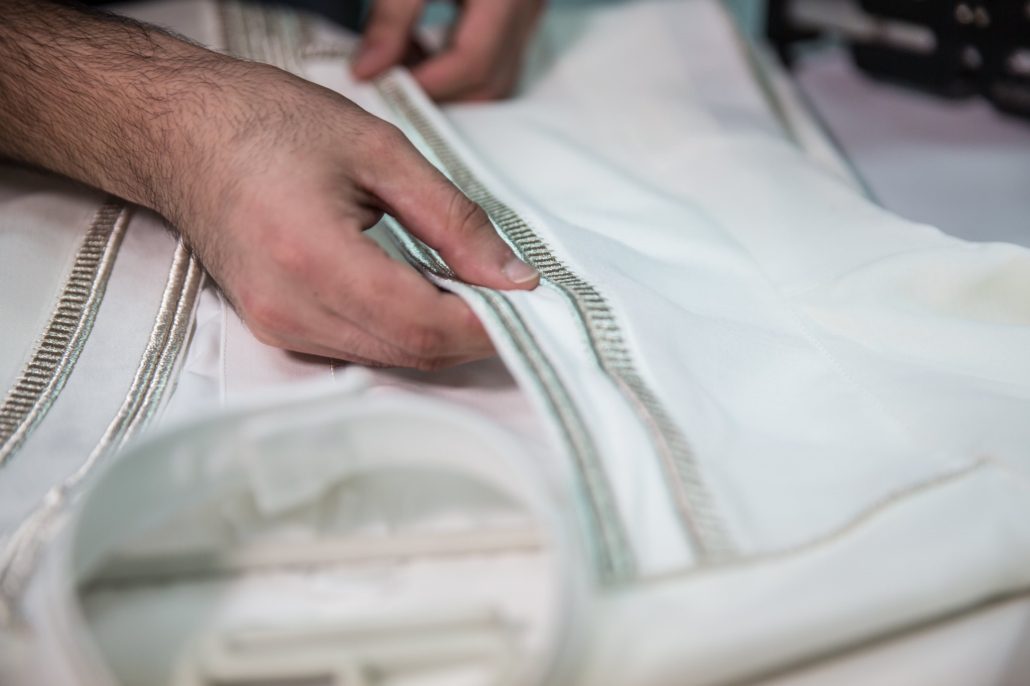
Blue denim jeans, preppy polo shirts and black leather have nothing in common, but their founders do. Levi Strauss, the creator of blue jeans, Ralph Lauren, the creator of the polo shirts, and Versace, known for their iconic black leather and Medusa logo, are just some of the fashion labels that give back to combat current issues. They donate money, clothes and masks for issues such as poverty and the COVID-19 pandemic.

Who They Are

Ralph Lauren has dominated the fashion world with its vibrant colors and iconic polo player logo, which stems from the designer’s love of sports and is embroidered on the company’s polo shirts. People also know Ralph Lauren for blending the American style with European fashion. As for its founder, he built his company from the ground up without ever attending fashion school. As of November 2021, Forbes listed Ralph Lauren’s worth at $7.3 billion.

Gianni Versace worked alongside his mother in the fashion industry, before starting to freelance designs for Italian designers. He sprung his own collection in 1978. His fashion house, Versace, received credit in the 1990s for being the first to feature supermodels in its ad campaigns. Not only that, the Italian company pioneered displaying models with noticeable personalities. Black leather and gold jewels accompany its iconically sensual style to give more of an edgy punk look.

Levi Strauss wanted to strike gold during the California Gold Rush in 1853, but it was not gold that would make him rich. In 1872, tailor Jacob Davis wrote to Strauss, sharing his new way of making pants that made them last longer. In the letter, he asked Strauss to be a business partner. Strauss agreed, and thus blue jeans were born.

All three fashion designers started out small, which eventually led to their success. Despite that success, these fashion labels advocate for private organizations, implement poverty reduction efforts and sponsor those combating COVID-19 relief and support the arts and culture.

COVID-19 Hospital Relief: Versace

In 2020, COVID-19 took a negative toll on everyone and their health. Cases increased and hospitals ran out of rooms to place their patients in. Donatella Versace, the chief creative officer of Versace, decided to contribute to pandemic relief by donating to hospitals in her home country of Italy. At that time, Italy had the highest number of COVID-19 cases with a total of 17,660 as of March 14, 2020. Versace donated €200,000 ($222,890) to San Raffaele hospital’s ICU after it requested aid due to the increase of pandemic patients. She explained, “In times like this, it is important to be united and support however we can help all those who are in the front lines, fighting every day to save hundreds of lives.”

Millions Donated: Ralph Lauren

Ralph Lauren has created and funded nonprofit organizations that differ from Versace’s. However, these two fashion powerhouses share one goal: to help their community. The Ralph Lauren Corporate Foundation has donated a total of $10 million in donations and resources to its workers and communities worldwide. The Foundation recently donated a value of $1.5 million in clothing to frontline workers and families. These interventions build on the precedent that emerged decades ago when the Foundation started a cancer-combatting campaign in 2000 called the Pink Pony Campaign.

Ralph Lauren provided grants for any employee who needed accommodations during the pandemic, such as health or childcare needs. Additionally, it partnered with the CFDA/Vogue Fashion Fund for COVID-19 relief and donated 250,000 masks and 25,000 isolation gowns to health care workers. As Ralph Lauren said, “This includes helping to fund necessary hospital resources—ranging from personal protective equipment and patient navigation programs to meals and childcare support.”

Advocate for Poverty Reduction: Levi Strauss

As of 2018, 10% of San Francisco residents lived in poverty. To combat this, Levi Strauss Foundation donated a total of $100,000 to a local poverty-fighting NGO called The Tipping Point Community. This organization combats poverty in the area and raises funds for communities that the pandemic hit hardest.

The Tipping Point Community funds economic support for people dealing with or at risk of poverty. Its funding has paid for food, housing and hospital bills. It also aids in paying bills for workers who lost their jobs due to the pandemic. The Tipping Point Community’s goal of $30 million is ambitious, but foundations like Levi Strauss agree that stabilizing the area’s ecosystem and improving the lives of individuals in need is well worth the investment. To date, the NGO has raised more than $18 million of that goal.

Fashion Labels That Give Back

Ralph Lauren loved sports so much that he created an empire. Versace wanted women to feel comfortable in their skin, so he designed clothes that accentuated their bodies. Levi Strauss made a partnership and, in the process, created blue jeans that better-accommodated workers. These three designers grew up differently and had different inspirations when it came to making clothes. However, these fashion labels share one thing: they give back. All three created and funded organizations that helped to fight issues such as poverty, providing funding during the pandemic and helping their workers receive financial aid.

– Maria Garcia
Photo: Flickr 

November 8, 2021
https://borgenproject.org/wp-content/uploads/borgen-project-logo.svg 0 0 Jennifer Philipp https://borgenproject.org/wp-content/uploads/borgen-project-logo.svg Jennifer Philipp2021-11-08 07:30:472021-11-05 09:34:03Fashion Labels That Give Back
Development, Education, Global Poverty, Health

Modernizing the Agricultural Sector in the Philippines


The COVID-19 pandemic hit the agricultural sector of the Philippines hard. Several families rely on their income from agriculture as more than 22% of the country’s population works in the agricultural industry. However, the pandemic particularly affected agricultural households because “agriculture-related occupations have always been associated with being income poor.” Many of those who solely rely on agricultural income do not have access to electricity, education, proper sanitation and more. COVID-19 serves to exacerbate these poor living conditions even further. However, the Philippines recognizes that the agricultural industry is a significant part of the country’s economy, thus, the nation has established initiatives aimed at modernizing the agricultural sector so that its citizens can thrive.

Disasters Affecting Farmers

Because of the impacts of both the COVID-19 pandemic and natural disasters, 2020 was an unfavorable year for the agricultural sector. The supply chain took a heavy hit with several obstacles, including lack of transportation, a decrease in demand and a low volume of exports. These factors all contribute to the decline of the agricultural industry and the country’s economy.

Due to pandemic-related quarantine restrictions, local farmers had to schedule market visits, which led to a rise in transportation costs. To make matters worse, several typhoons hit the Philippines, negatively impacting the economy, which is already suffering the effects of COVID-19. According to the FAO, typhoons in 2020 destroyed “agricultural equipment and other livelihood resources, significantly affecting those who are dependent on farming” for an income.

However, despite the difficulties that the agricultural sector faces, the Philippine government aims to improve the lives of farmers and the country’s economy by modernizing the agricultural sector in the country.

Modernizing the Agricultural Sector

In June 2020, the World Bank released a report titled “Transforming Philippine Agriculture During COVID-19 and Beyond,” which highlights the need to modernize the Philippines’ agricultural sectors. The report points out that while reconstructing the agricultural industry is a difficult process, it is necessary for a country to grow positively.

The World Bank offers ideas such as direct cash payments to farmers, investing in agricultural startups and increasing the use of e-commerce to modernize the Philippines’ agricultural sector and “reduce poverty in the rural communities.” The report supports the Philippines’ Department of Agriculture (DA) initiatives to transform the agricultural industry. Agriculture Secretary William Dar is adamant that the sector will recover in 2021, which in turn, will help with the overall economy’s recovery.

The Philippines’ 2021 overall economic growth target is 6.5%-7.5% and the agricultural sector’s growth target is 2.5%. The nation aims to achieve these goals “through further integration of technology that will improve production, connectivity and delivery of service to its beneficiaries.” Both the World Bank and the Department of Agriculture realize the potential of modernizing the agricultural sector of the Philippines. By reforming the industry through several different initiatives, the economy will improve along with the lives of farmers within the country.

Solutions

Alongside the Philippines’ and the World Bank’s efforts to modernize the agricultural sectors, other organizations have focused themselves on the same initiative. One of these organizations is Agro-Eco Philippines, established in 2004 as a ”farmer-led national network organization.” Farmers created the organization for farmers, with farmers constituting 80% of the Board of Trustees. The organization has several ongoing initiatives, including modernization interventions, such as the “development and documentation of locally-adapted technologies.” Specifically, the organization runs a “community-based, farmer-led and participatory breeding program” for rice and corn crops, with “35 farmer-breeders with about 500 bred lines used by an estimated 30,000 farmers nationwide.”

The Future

Overall, it is apparent that agriculture plays a crucial role in both the Philippines’ economy and the lives of several families who rely on agriculture for an income. Families are struggling due to the pandemic’s impact on the sector, however, modernizing the agricultural sector with the help of institutions and organizations brings hope to improve not only the country’s economy but also the lives of the families reliant on the sector.

– Karuna Lakhiani
Photo: Flickr

November 8, 2021
https://borgenproject.org/wp-content/uploads/borgen-project-logo.svg 0 0 Kim Thelwell https://borgenproject.org/wp-content/uploads/borgen-project-logo.svg Kim Thelwell2021-11-08 01:30:202024-06-11 23:17:21Modernizing the Agricultural Sector in the Philippines
Children, Development, Education, Global Poverty, Health

Cambodia’s School Feeding Program Tackles Undernourishment

Cambodia’s School Feeding Program
In Cambodia, 15% of the population suffers from undernourishment and 32% of children younger than 5 experience stunting. Children are not consuming enough food and the food that they do consume does not have the nutrients necessary for healthy development. Considering these dire statistics, as early as 1999, the World Food Programme (WFP) committed to helping the Cambodian government provide school meals for children. Although combating undernourishment is a daunting task, Cambodia’s school feeding program has expanded over the years and is continuing to make a profound impact on Cambodian communities.

Food Production and Intense Weather: Food Security Challenges

One of the factors contributing to high undernourishment rates in Cambodia is limited production and efficiency in the agricultural sector. According to the United States Agency for International Development (USAID), “nearly 80% of Cambodians live in rural areas and 65% rely on agriculture, fisheries and forestry for their livelihoods.” At the same time, a fifth of the Cambodian population suffers from food deprivation. Although Cambodia has a large agriculture industry, the nation is not able to meet the needs of its people.

Challenges within agricultural production affect crop yields, and therefore, also affect the capacity to increase people’s access to food. In Cambodia, crop plots are small, leading to limited agricultural output. Additionally, many areas with rainfall-dependant crops do not receive consistent rainfall and these same areas are unable to produce during the dry season. Also, a growing number of rural Cambodians do not have access to cropland. These factors pose challenges to Cambodian farmers and agricultural production expansion.

Compounding issues of food insecurity and poverty further, Cambodia regularly experiences natural disasters. Monsoons are common, and on the opposite end of the spectrum, some areas experience severe droughts. The loss of land and the reduction in shared resources as a result of natural disasters harshly impact food-insecure Cambodians already in vulnerable positions.

Investing in Children and Communities Through Food

In 1999, the WFP began to support government-backed school meal programs, helping to implement these programs across 908 Cambodian schools. Pre-primary and primary schools provide meals, which is particularly important because children younger than 5 are especially vulnerable to the impacts of malnutrition.

In 2014, the WFP and the Cambodian government reached one of their goals for school meal programming, a “home-grown school meals model.” The model calls for schools to locally purchase ingredients for meals, which increases demand for and develops the local agriculture industry while spurring job growth. At first, a couple of schools tested the home-grown school meals model, and now, more than 200 schools implement the model.

The Benefits of School Meals

Cambodia’s school feeding program is an important source of food for Cambodian children, providing them with the nutrients necessary for healthy development. Before Cambodia’s school feeding program, some children were unable to eat during the school day because they did not have enough money to buy food at school. The implementation and growth of the school meal program mark an important investment in Cambodian children, especially as the Cambodian government works with the WFP in the transition to run the home-grown school feeding program on its own.

In Cambodia, school meals benefit children’s health and improve their engagement in school. An added and possibly unforeseen benefit of Cambodia’s school feeding program is that parent engagement with schools and teachers has increased. Through the program, parents have become more knowledgeable about nutrition, to the benefit of themselves and their children. Furthermore, parents are eager to get involved in the program. Parents, even the most impoverished ones, donate ingredients and money and volunteer when the program requires extra help. Parents even helped to build a kitchen in one of the participating schools.

Turning the Tide

Although Cambodia has high levels of undernourishment and challenges to its agricultural sector, the government is working hard to turn the tide. The school feeding program’s promising results and growth thus far exemplify how far Cambodia has come in tackling undernourishment and hunger, illustrating the far-reaching impacts of school meal programs. With continued efforts, Cambodia will begin to see reductions in its undernourishment statistics, especially among the youth, as Cambodia’s school feeding program continues to develop and benefit Cambodian children and communities.

– Anna Ryu
Photo: Unsplash

November 8, 2021
https://borgenproject.org/wp-content/uploads/borgen-project-logo.svg 0 0 Jennifer Philipp https://borgenproject.org/wp-content/uploads/borgen-project-logo.svg Jennifer Philipp2021-11-08 01:30:122021-11-05 07:32:27Cambodia’s School Feeding Program Tackles Undernourishment
Development, Education, Global Poverty, Health

CAR Addresses Gender Inequality and HIV 

Gender Inequality and HIV
Gender Inequality and HIV is a significant issue in the Central African Republic (CAR). In fact, it is still the primary cause of death in the nation, with nearly 5,000 people dying from HIV/AIDS in 2020. More than 50% of the nearly 110,000 people living with HIV in CAR are not receiving treatment for it. Furthermore, gender inequality within the CAR HIV/AIDS response is ever-present. However, CAR, with the support of organizations like Doctors Without Borders and UNAIDS, is working to make health services for HIV/AIDS more accessible and create a setting where women can get the help that they need, tackling both gender inequality and HIV.

Gender Inequality and HIV in the Central African Republic

Statistics from the year 2020 indicate that 88,000 adults and children are living with HIV in CAR. Of the total number of people living with HIV in CAR, women aged 15 and older account for approximately 51,000 cases. Meanwhile, 1,200 women aged 15 and older have died from HIV.

The aforementioned statistics align with the social and economic conditions present in CAR. MICS-6 survey data from 2021 indicates that 23.6% of females between 15 and 49 years of age entered into a marriage or union before reaching the age of 15. On top of this, CAR gender-based violence information management system records also reveal 72 instances of rape and 340 instances of gender-based violence during the month of January 2021.

Female genital mutilation is also a common practice in the region, with 21% of CAR women undergoing this traditional yet harmful procedure. Deputy Special Representative of the United Nations Secretary-General in the Central African Republic Denise Brown attributes this violence against women to a combination of “protracted insecurity, violence and humanitarian crises compounded with toxic masculinities and negative social norms.”

The CAR Government Takes Action

The CAR government has conducted an assessment of gender dimensions and HIV response. The results of the assessment reveal that the female members of the population do not receive the full benefit of HIV program advances. The assessment also shows that HIV was prevalent among 15% of female sex workers. Meanwhile, less than a quarter of pregnant mothers obtain “access to prevention of mother-to-child HIV transmission services.”

Acting on these figures, the Central African Republic government has put together an intervention plan for 2021-2023 to assist marginalized women. The plan includes “biomedical and behavioral interventions to promote gender-transformative education and sensitization” to alleviate “barriers to access to HIV services by women, girls and key populations.” In addition, various strategies of care will “promote access to health, social and psychosocial services for women,” with a focus on reducing mother-to-child transmission of HIV. Furthermore, monitoring will allow for accountability regarding gender equality and HIV progress.

Médecins Sans Frontières (MSF) Assists

The CAR government is not alone in its efforts. Other organizations such as Médecins Sans Frontières, also known as Doctors Without Borders, have also stepped up efforts to help improve access to HIV services in the CAR region. Beginning in 2019 in the capital city of Bangui, this help comes in the form of MSF teams “providing free medical care and psychological support for patients” infected with advanced HIV and tuberculosis complications. The treatment serves as specialized care in an area where HIV prevalence is double the national average. Furthermore, MSF has set up community anti-retroviral (ARV) groups in various areas where designated community representatives can supply ARV drug refills. This endeavor eliminates the burden of transport expenditure on already impoverished people and “time spent in medical consultations.”

Besides providing care, MSF also helps patients care for themselves through self-management. Peer support receives encouragement. This has led to advocacy among community members. The close of 2020 has seen the establishment of “276 community ARV groups in CAR, representing some 2,300 patients.” With the efforts of the government and organizations such as MSF, CAR can make progress in both the realms of gender inequality and HIV.

– Jared Faircloth
Photo: Flickr

November 7, 2021
https://borgenproject.org/wp-content/uploads/borgen-project-logo.svg 0 0 Lynsey Alexander https://borgenproject.org/wp-content/uploads/borgen-project-logo.svg Lynsey Alexander2021-11-07 07:30:562021-11-05 06:36:46CAR Addresses Gender Inequality and HIV 
Developing Countries, Development, Global Poverty, Health

Solar Wells Bring Clean Water to Tharparkar, Pakistan

nba-star-provides-clean-water-in-pakistan
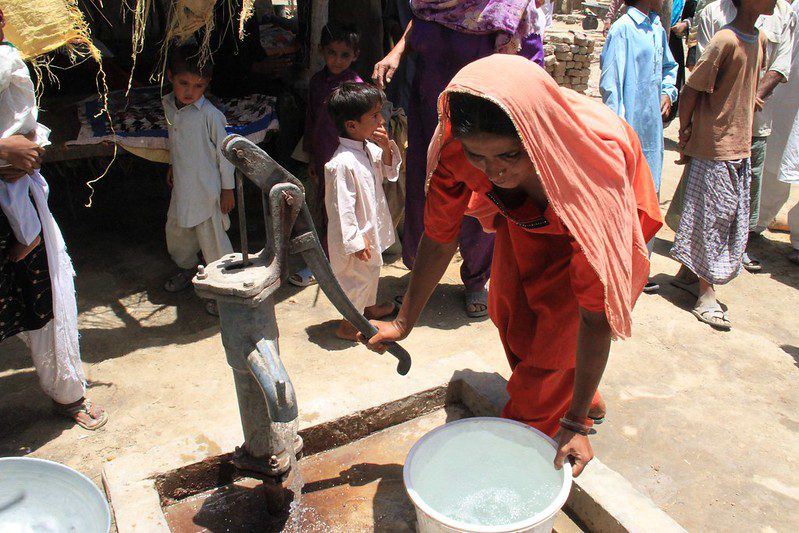
Kyrie Irving has gained much attention in the media for his basketball career, but his greatest accomplishment so far is off the court. In July 2021, the NBA All-Star funded and built a solar water well in Pakistan. The philanthropic effort by Irving intends to bring clean water to a town called Tharparkar in a lower socioeconomic area of Pakistan. Clean water and healthcare stand at the forefront of some of the issues in many areas with poverty. Many of the issues that plague small villages within Tharparkar are preventable and addressable. The poverty rate in Tharparkar stands at a staggering 87%. Not only is Irving providing clean water to Tharparkar but he is also bringing much-needed attention to other issues that afflict impoverished communities.

Bringing Clean Water to Tharparkar

The Brooklyn Nets Point Guard’s KAI Family Foundation funds the solar water project in Pakistan in partnership with the Paani Project. Irving built the solar water plant in the small village of Rohal in Tharpakar within the Sindh Province. Though the Sindh Province in Pakistan is experiencing an economic upturn in most urban areas, people often overlook the rural outskirts.

Tharparkar is one of the most impoverished areas of Pakistan, and thus, the people endure several issues of poverty. A lack of safe drinking water, high unemployment rates, food insecurity, poor health facilities, low educational attainment rates and malnutrition are among the issues plaguing Tharparkar. There are existing manual wells in Tharparkar, “but a lack of rainfall and inadequate maintenance” means existing wells “have either dried up or their contents are unsafe for human consumption.” Where a clean water supply does exist, villagers, mostly women, walk for more than an hour in conditions of extreme heat to access this water.

The Benefits of a Solar Well

Irving’s solar well will bring clean water to more than 1,000 villagers. Solar wells negate the need for ropes and pulleys commonly used in manual wells. Additionally, these solar wells can last up to 25 years. Current wells in Tharparkar almost exclusively necessitate the use of manual labor to pull the water up and livestock and agriculture pollute them. With only the turn of a lever, countless families will enjoy the benefits of clean drinking and bathing water.

Irving is not only bringing clean water to one of Pakistan’s most impoverished areas but is also bringing widespread attention to the other issues the area endures. Bringing attention to some of the issues sometimes forgotten in rural areas is important in order to improve overall living conditions in Tharparkar. These marginalized communities need aid to escape the cyclic effects of poverty. This philanthropic act by Irving is one that is garnering worldwide attention off the court rather than on it. Irving’s humanitarianism assists the many Pakistani families in poverty.

– Carter Haskel
Photo: Flickr
November 7, 2021
https://borgenproject.org/wp-content/uploads/borgen-project-logo.svg 0 0 Jennifer Philipp https://borgenproject.org/wp-content/uploads/borgen-project-logo.svg Jennifer Philipp2021-11-07 07:30:282021-11-05 07:09:43Solar Wells Bring Clean Water to Tharparkar, Pakistan
Children, Development, Global Poverty, Health

COVID-19 Vaccinations in Seychelles

COVID-19 Vaccinations in Seychelles
Seychelles is an archipelago of 115 islands located at the eastern edge of the Somali sea and is home to Africa’s smallest nation with just 97,625 people. The tropical climate, white sand beaches and crystal-clear lagoons make it a popular vacation destination. However, like many tourist economies, Seychelles’ tourism sector struggled under COVID-19 pandemic restrictions on travel. But, thanks to an ambitious campaign, COVID-19 vaccinations in Seychelles is a success story, putting the island in the spotlight for holding one of the highest rates of vaccinations in the world. This is despite a May 2021 surge in infections that led to the reimposition of mandates (such as school closures and a ban on bars and nightclubs), causing global concern about the efficacy of vaccination programs.

Facts About COVID-19 Vaccinations in Seychelles

  • On January 10, 2021, COVID-19 vaccinations in Seychelles hit the news when the nation became the first in Africa to roll out the vaccine after receiving a donation of 50,000 doses of the Chinese-made Sinopharm vaccine from the United Arab Emirates (UAE). As part of an effort to bolster vaccine confidence, President Wavel Ramkalawan stood as “the first African head of state” to receive this particular vaccine, followed by former president Danny Faure and other senior officials.
  • On January 23, 2021, Seychelles received a second donation of COVID-19 vaccinations, this time from India: 50,000 doses of the Oxford-AstraZeneca vaccine, also known as Covishield.
  • Seychelles had vaccinated more than 60% of its population against COVID-19 by May 2021. Still, the country saw a sharp increase of new cases, from 120 new COVID-19 cases confirmed on April 30, 2021, to more than 300 cases per day recorded on May 7 and May 8, 2021.  More than a third of these new cases were among people who received two doses of the vaccine. The remaining cases were people who only received a single dose or no dose at all.
  • In September 2021, the U.S. Embassy to Mauritius and Seychelles announced the delivery of more than 35,000 doses of the Pfizer COVID-19 vaccine from the United States. The donation forms part of the Biden-Harris administration’s commitment to sharing the U.S. vaccine supply with countries worldwide.
  • According to the World Health Organization (WHO), between January 3, 2020, and October 21, 2021, Seychelles has recorded 22,071 cases of COVID-19 and 114 deaths. As of October 15, 2021, the nation has administered a total of 159,392 COVID-19 vaccines.

Paving the Path to Recovery

With a majority vaccinated population, Seychelles is open for business and welcomes foreign visitors. To protect Seychellois, the government requires a negative COVID-19 test for all arrivals to the islands, including fully vaccinated travelers. As Seychelles rebuilds its tourist industry, the government is making progress with strategies to diversify the economy and is calling on investors. In a July 2021 interview with China Global Television Network (CGTN), President Ramkalawan reported that Seychelles’ new economic plan emphasizes fisheries and agriculture, construction of hotels and the launching of fish processing facilities. Ramkalawan’s administration is actively seeking ways for Seychelles to “build itself anew” in order to create a balanced and robust economy. A successful and robust vaccination campaign has paved the way for Seychelles to rebuild and recover.

–  Jenny Rice
Photo: Flickr

November 7, 2021
https://borgenproject.org/wp-content/uploads/borgen-project-logo.svg 0 0 Kim Thelwell https://borgenproject.org/wp-content/uploads/borgen-project-logo.svg Kim Thelwell2021-11-07 01:30:572024-12-13 18:02:36COVID-19 Vaccinations in Seychelles
Development, Education, Global Poverty

Addressing Poverty Reduction in Costa Rica

Poverty Reduction in Costa Rica
The recent COVID-19 pandemic greatly impacted the economic stability of Central America’s wealthiest country and caused a resurgence in poverty. As a result, poverty reduction in Costa Rica has become an important goal for the country. Many know Costa Rica for its lush rainforests and beaches, universal healthcare system and environmental activism. However, since the pandemic began, thousands of small businesses have shut down due to low demand. The decreased income levels led many families to live below the poverty line. According to UNICEF, one in three children under 18 years of age in Costa Rica now lives in poverty. Poverty reduction in Costa Rica is necessary to create a healthier population throughout the country.

Economic Reform

While Costa Rica displayed steady economic growth in the past three decades, the recent pandemic impacted that trajectory. The current goals of economic reform in the country are to address fiscal imbalances while decreasing income inequality and distribution. According to President Alvarado Quesada, Costa Rica plans to accomplish this by strengthening social assistance programs. These social assistance programs aim to promote greater formalization and support female labor force participation. The International Monetary Fund (IMF) is also aiding in economic recovery through a $1.7 billion arrangement. These assets will aid the country in improving public funding for subsidies to individuals the pandemic has heavily affected.

The government is seeking to continue decreasing income inequality through educating more children and adults, which could create long-term growth. Currently, the literacy rate in Costa Rica is high at 97.9%, but there is still a large gap in income inequality. In 2019, Costa Rica’s richest individuals held approximately 53.7% of the country’s income. The country will reduce poverty and income inequality by creating infrastructural reforms to streamline regulations and complete trade commitments, foreign direct investment and natural resources preservation. Increasing opportunities for females within the labor market is also vital to improving income inequality. In 2019, females made up 40.5% of the total labor workforce. This can improve through social assistance programs aimed at hiring females for jobs.

Tourism’s Effect on Poverty

In 2019, Costa Rica’s tourist industry represented 8.5% of gross domestic product and employed 9% of the population. However, in 2021, Costa Rica’s government estimates that the industry will only be worth approximately 3.5% of GDP and will decrease by approximately 100,000 jobs. In 2020, poverty in Costa Rica reached 26.2% of families, the highest level in 30 years due to the impact of the COVID-19 pandemic. About 45% of the working-age population is in a condition of informal employment. In other words, they perform jobs without being registered or contributing to taxes and social security. Many of these informal positions relied on tourism such as the restaurant, hotel and excursions industries. With a lack of job security, individuals with these informal jobs were the first people that layoffs impacted.

COVID-19 Vaccines

Moving past the COVID-19 pandemic is necessary to restore the livelihoods of many Costa Rican people in poverty. To do this, the country is focusing on vaccinating low-income individuals. Earlier in 2021, rather than creating stringent lockdowns, the Costa Rican government imposed restrictions on vehicle mobility and limited business hours and capacity. The country also requires COVID-19 vaccinations for people to enter most commercial centers and participate in many public activities. Fortunately, the latest vaccination rates show 82% of all Costa Ricans ages 12 and older have received at least one COVID-19 vaccine dose.  Travelers to Costa Rica must show proof of vaccination or a negative COVID-19 test in order to enter the country. These requirements can lead to a rapid return to tourism levels which will aid the country in returning to economic stability.

Moving Forward

With continued adherence to precautionary COVID-19 safety measures, individuals in Costa Rica can greatly protect public health. Meanwhile, the new social assistant programs promise to greatly assist in bringing about poverty reduction in Costa Rica.

– Robert Moncayo
Photo: Flickr

November 7, 2021
https://borgenproject.org/wp-content/uploads/borgen-project-logo.svg 0 0 Jennifer Philipp https://borgenproject.org/wp-content/uploads/borgen-project-logo.svg Jennifer Philipp2021-11-07 01:30:222021-11-04 21:34:49Addressing Poverty Reduction in Costa Rica
Development, Economy, Global Poverty

GoodDollar Promotes Universal Basic Income

GoodDollar
GoodDollar is both the name of an Israeli cryptocurrency and a not-for-profit company launched in 2020. Cryptocurrency is an immaterial system of money that has secure coding. Additionally, people can exchange it virtually and governments do not control it. Yoni Assia is the mind behind the GoodDollar project and coin (G$), the virtual currency that intends to democratize the economy by working to promote universal basic income and reduce inequality. Universal basic income (UBI) is “a periodic cash allowance given to all citizens… to provide them with a standard of living above the poverty line.” Here is some information about how GoodDollar promotes universal basic income (UBI).

GoodDollar’s Mission

According to Forbes, 80% of the population owns only 6% of the world’s wealth, while the remaining 20% owns the rest. Against this unfair backdrop, GoodDollar is a potential game-changer through how it promotes universal basic income.

Yoni Assia believes that “too many underprivileged people are locked out of opportunities that could take them out of poverty, including access to capital markets and digital work opportunities. Therefore, the GoodDollar project aims to alleviate that by fostering financial inclusion and empowerment around the world.” The creator of GoodDollar is also the founder of eToro, a social trading company and platform, which is responsible for investing $1 million in the new cryptocurrency.

How GoodDollar Works

GoodDollar can benefit anyone who signs up and creates an account (a wallet). For that, people need to record a short video to ensure that they are real humans, not bots, and they can complete the entire sign-up process in less than 5 minutes. There are two groups of users, claimers and supporters. Claimers are people who benefit from free digital cash (G$) without the need to invest any amount, being allowed to claim it every day and use it to pay for goods, services and exchange it with friends. Up to now, 255,000 claimants have received G$180 million, totaling more than $20,000. Supporters are both companies or regular people that believe in the UBI cause and fund a mechanism that generates interest (the DeFi — decentralized finance, protocol).

Interest generates in a blockchain, a kind of extremely safe digital information record system, and becomes the reserve of G$ coins to that undergoes distribution among claimers and supporters. The supporters benefit not only from the interest generated by their initial staked amount, but also the interest generated on top of the previous interest rate. Currently, only small businesses accept G$ coins, and they are not very valuable. However, as more people join the GoodDollar movement, its value will rise.

Hope for GoodDollar’s Growth

“Inequality plagues the world. Let’s solve for it in our future,” is a statement on GoodDollar’s website. The company is still in its early stages, but getting ready to release version 2.0 of the GoodDollar protocol. In the first year of the second version, it plans to distribute around $47,000 worth of G$. AI Multiple’s review on GoodDollar points out that, to grow and make a real difference in its users’ lives, GoodDollar needs to have more supporters and a G$ reserve that grows “faster than the number of claimers.”

The more people use this cryptocurrency, the more valuable it will become. If “a public figure sheds a light on it via their social media platforms or accepts it as a payment method for a business product or service, that could boost its popularity.”

A Promising Future

The Forbes article discusses how basic income distribution could help to reduce the financial inequality that the pandemic exacerbated, and the GoodDollar team has been working hard to make it a reality someday. While the future of the project depends on a combination of factors, blockchain solutions like GoodDollar are undeniably promising and revolutionary economic models.

Tal Oron, GoodDollar project director, hopes that within a few years, “GoodDollar [will distribute] $2 a day per person, and, together, as a global community, without government support, raise hundreds of millions of people above the poverty line.” The way that GoodDollar promotes universal basic income will only benefit people globally.

– Iasmine Oliveira
Photo: Flickr

November 3, 2021
https://borgenproject.org/wp-content/uploads/borgen-project-logo.svg 0 0 Kim Thelwell https://borgenproject.org/wp-content/uploads/borgen-project-logo.svg Kim Thelwell2021-11-03 01:30:472024-05-30 22:25:19GoodDollar Promotes Universal Basic Income
COVID-19, Development, Education, Global Poverty

The Predicted 6% Increase in Uzbekistan’s Economy

Uzbekistan’s Economy
Uzbekistan, a landlocked country in Central Asia and one of the few countries in the world to avoid a severe economic downturn in the fiscal year 2020, received a financial projection from the World Bank indicating that Uzbekistan’s economy should improve about 6% in total in the fiscal year 2021. Here is some information about the country’s economy including what contributes to its growth.

Uzbekistan’s Economic Foundation

Uzbekistan’s economy is heavily reliant on agriculture. About 27% of the population works in agriculture, a sector that accounts for 28% of the nation’s gross domestic product. The most exported crop is cotton, which is a water-intensive crop. Most of Uzbekistan’s farming land requires heavy irrigation through the country’s “system of pumps and canals.” Uzbekistan, on average, produces more than 700,000 tons of cotton per year. In 2020, this brought in $78.87 million to Uzbekistan’s economy. Other agricultural products include livestock or seedlings. Altogether, Uzbekistan earned $15 billion from the exportation of goods alone.

What Changed in 2020?

Despite the difficulties involved in trade due to the COVID-19 pandemic, Uzbekistan’s agricultural sector remained steady and robust. The impact of the pandemic on unemployment was minimal and poverty has already begun reverting to its pre-pandemic levels. At the beginning of 2020, the unemployment rate was about 9% increasing to 11% by the end of the year. Since then, the poverty rate has re-stabilized at about 9.8% for the first three quarters of 2021. Experts expect this upward trend to continue during 2021.

In 2020, one of the reasons the agricultural sector was not as harshly affected as it was in other nations is because Uzbekistan began efforts to update farming technologies and develop a primarily agricultural export-oriented market to further the agricultural sector’s contributions to the nation’s GDP. In August 2021, a plan was approved to transform the agricultural sector in partnership with the United States Agency for International Development (USAID).

The developmental plans will expand resources available for those working in agriculture and expand job accessibility in Uzbekistan. In turn, with the expanded job accessibility and resource expansion, the poverty rate in Uzbekistan has a significant chance of decreasing further. As agriculture remained a stable sector for business in 2019 and 2020, Uzbekistan’s government saw the opportunity for expansion and reorganization. This plays a significant role in the expected increase in Uzbekistan’s GDP.

Uzbekistan and the World Bank

The World Bank has partnered with Uzbekistan for decades. It tracks Uzbekistan’s overall poverty rate, economic growth and more. Uzbekistan’s partnership with the World Bank involves “providing technical advice on how to improve the country’s economic and financial management” with a focus on “private sector growth, agricultural competitiveness and modernization and improved public service delivery.” One of the aims also includes transitioning to “a market-based agriculture system.” This goal is also the primary aim of the Uzbekistan-USAID agricultural transformation strategy outlined for 2020-2030.

Throughout this partnership, the World Bank and Uzbekistan have developed policies to do away with child labor but expand job opportunities. Positively, Uzbekistan noted significant increases in the nation’s GDP since the partnership began.

In October 2021, the World Bank Vice President Anna Bjerde met with Uzbekistan’s president to discuss the partnership between the organization and the country and see how the World Bank can help Uzbekistan fulfill its goal of expanding into the market-based agriculture system. The system can help farmers operate more business ventures and expand their markets without many restrictions, leading to more job opportunities.

The Potential of a New Market

Much of the projected economic growth stems from the change in agriculture marketing in Uzbekistan. The country’s income from cotton exports and trade decreased to about $3 million in 2020, even though, in 2019, this amount was about five times higher. Despite this staggering drop, Uzbekistan’s economy remained fairly untouched.

Uzbekistan’s economy hardly shrank, which means a better chance for significant improvement this fiscal year. Furthermore, the increasing rate of vaccinations globally and the opening of markets for trade increase the potential for Uzbekistan’s economy to re-expand fully and continue expanding.

Positive projections for Uzbekistan’s economy provide confidence to Uzbekistan and will attract foreign investors. The positive projection increasing four points from the previous projection, as well as the expansion of the free agriculture-market system, potential job opportunities and the chance for more foreign investments, all point toward a positive 2021 for Uzbekistan and its economy.

– Clara Mulvihill
Photo: Flickr

October 31, 2021
https://borgenproject.org/wp-content/uploads/borgen-project-logo.svg 0 0 Jennifer Philipp https://borgenproject.org/wp-content/uploads/borgen-project-logo.svg Jennifer Philipp2021-10-31 07:30:142024-05-30 22:25:20The Predicted 6% Increase in Uzbekistan’s Economy
Development, Education, Global Poverty, Health

Foreign Aid and The Impacts of COVID-19 in Guyana

Impacts of COVID-19 in Guyana
Guyana, the only English-speaking country in South America, shares borders with Suriname, Venezuela and Brazil. According to 2021 data from the World Population Review, Guyana is the 17th most impoverished nation on the continent. Guyana’s economy relies mostly on its natural resources and has seen great improvements since the discovery of petroleum and gas reservoirs in 2015. However, the COVID-19 pandemic has affected the country socially and economically. Fortunately, foreign aid is contributing to Guyana’s recovery and the safeguarding of its population during COVID-19 in Guyana. Here is some information about the impacts of COVID-19 in Guyana including measures to help the country deal with the pandemic.

The Impacts of COVID-19 in Guyana

Similar to the rest of the world, Guyana has not been exempt from the impacts of COVID-19. By September 19, 2021, Guyana reported a total of 29,553 COVID-19 cases and 725 deaths.

In 2020, the United Nations Development Programme (UNDP) assessed the socioeconomic impacts of the COVID-19 pandemic in Guyana and found alarming results. Telephone survey results indicate that about 10% of respondents cannot access healthcare, mostly because health centers are not equipped with the necessary medical supplies and limited healthcare facilities lead to overcrowding.

Furthermore, almost 60% of respondents reported concerns of not having adequate food during COVID-19 and “22% have skipped meals since the pandemic” began. Spending more than 60% of their income on food supplies is the reality of 18% of respondents. Income cuts affect 20% of respondents, with businesses closing down or “reduced work” accounting for 70% of these income losses. People who have had to dip into their savings due to financial difficulties make up 52% of the respondents and roughly 70% of “households indicated a need for priority assistance, including cash, food and hygiene products.” The financial impacts of COVID-19 impact women-headed households the most as 76% required financial help.

Foreign Aid Counts

In 2021, Guyana has received three shipments of COVID-19 vaccines from the COVAX Facility — a partnership between “global [nonprofits] and leaders in vaccine development and distribution,” totaling 100,800 doses. France has also donated 19,200 extra doses to Guyana. These numbers together represent approximately 23% of all doses administered up until September 2021 when the same percentage of people had been fully vaccinated and 44% had at least started the vaccination protocol.

In June 2021, the World Bank approved $6 million in financial aid for the Guyana COVID-19 Emergency Response Project. This aid is not only for the purchase of vaccines but also for awareness-raising efforts and overall improvements in the country’s health system.

Finally, the United States has been one of the major allies improving Guyana’s situation, donating $1.3 million to aid Guyana’s COVID-19 response. The global superpower also benefits from helping Guyana stabilize socially and economically since the two countries have strong bilateral economic relations; the nations rely heavily on each other for imports and exports of goods, for example. In August 2021, the U.S. also shipped 146,250 cost-free Pfizer vaccine doses to the country. Guyana’s Ministry of Health stated that it has enough doses to immunize all Guyanese adults thanks to its foreign “friends.” Widespread vaccination is essential in fighting the global pandemic and reducing social-economic instability.

Looking Ahead

Guyana’s economy has been growing exponentially since the discovery of oil and gas reserves on its coast. However, the pandemic has impacted the well-being of a great part of the population with widespread job losses, income cuts and difficulties accessing healthcare, among other challenges. Foreign aid plays an essential role in Guyana’s path to recovery, mostly by accelerating immunization and promoting the improvement of the country’s health system. The United States is one of Guyana’s main donors and partners, benefiting directly from Guyana’s upturn.

– Iasmine Oliveira
Photo: Flickr

October 31, 2021
https://borgenproject.org/wp-content/uploads/borgen-project-logo.svg 0 0 Lynsey Alexander https://borgenproject.org/wp-content/uploads/borgen-project-logo.svg Lynsey Alexander2021-10-31 01:30:502021-10-28 08:09:56Foreign Aid and The Impacts of COVID-19 in Guyana
Page 49 of 163«‹4748495051›»

Get Smarter

  • Global Poverty 101
  • Global Poverty… The Good News
  • Global Poverty & U.S. Jobs
  • Global Poverty and National Security
  • Innovative Solutions to Poverty
  • Global Poverty & Aid FAQ’s
Search Search

Take Action

  • Call Congress
  • Email Congress
  • Donate
  • 30 Ways to Help
  • Volunteer Ops
  • Internships
  • Courses & Certificates
  • The Podcast
Borgen Project

“The Borgen Project is an incredible nonprofit organization that is addressing poverty and hunger and working towards ending them.”

-The Huffington Post

Inside The Borgen Project

  • Contact
  • About
  • Financials
  • President
  • Board of Directors
  • Board of Advisors

International Links

  • UK Email Parliament
  • UK Donate
  • Canada Email Parliament

Get Smarter

  • Global Poverty 101
  • Global Poverty… The Good News
  • Global Poverty & U.S. Jobs
  • Global Poverty and National Security
  • Innovative Solutions to Poverty
  • Global Poverty & Aid FAQ’s

Ways to Help

  • Call Congress
  • Email Congress
  • Donate
  • 30 Ways to Help
  • Volunteer Ops
  • Internships
  • Courses & Certificates
  • The Podcast
Scroll to top Scroll to top Scroll to top